Rail Electrification Equipment: Common Failure Risks and Fixes
Lead Author
Published
Views:
Rail Electrification Equipment: Common Failure Risks and Fixes
Rail electrification equipment is the backbone of safe, efficient high-speed and urban rail operations, yet even minor failures can trigger costly delays, power instability, and safety risks.
For maintenance work, the real challenge is not only fixing faults fast.
It is spotting early warning signs, isolating root causes, and preventing the same issue from returning under heavy operating loads.
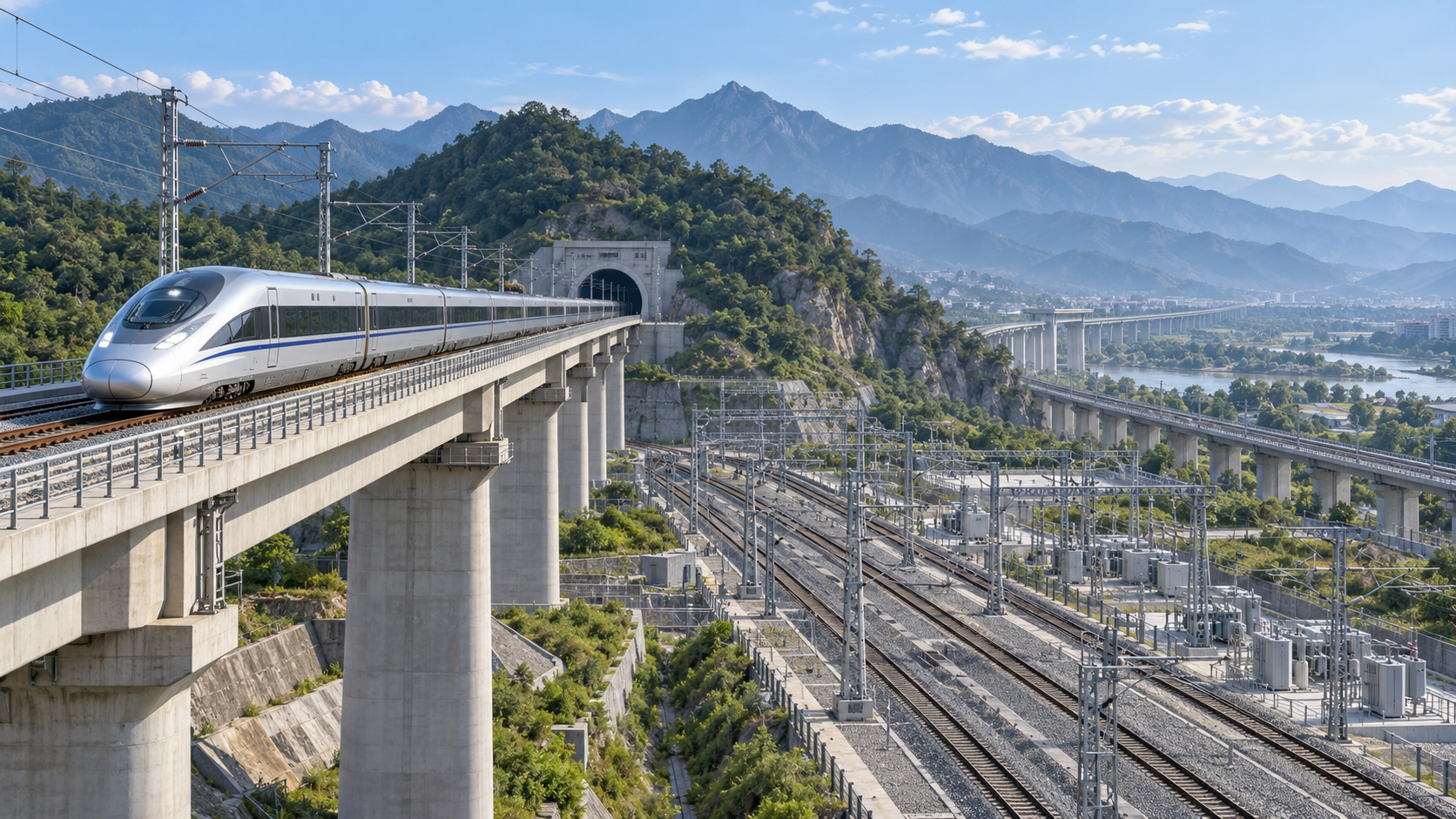
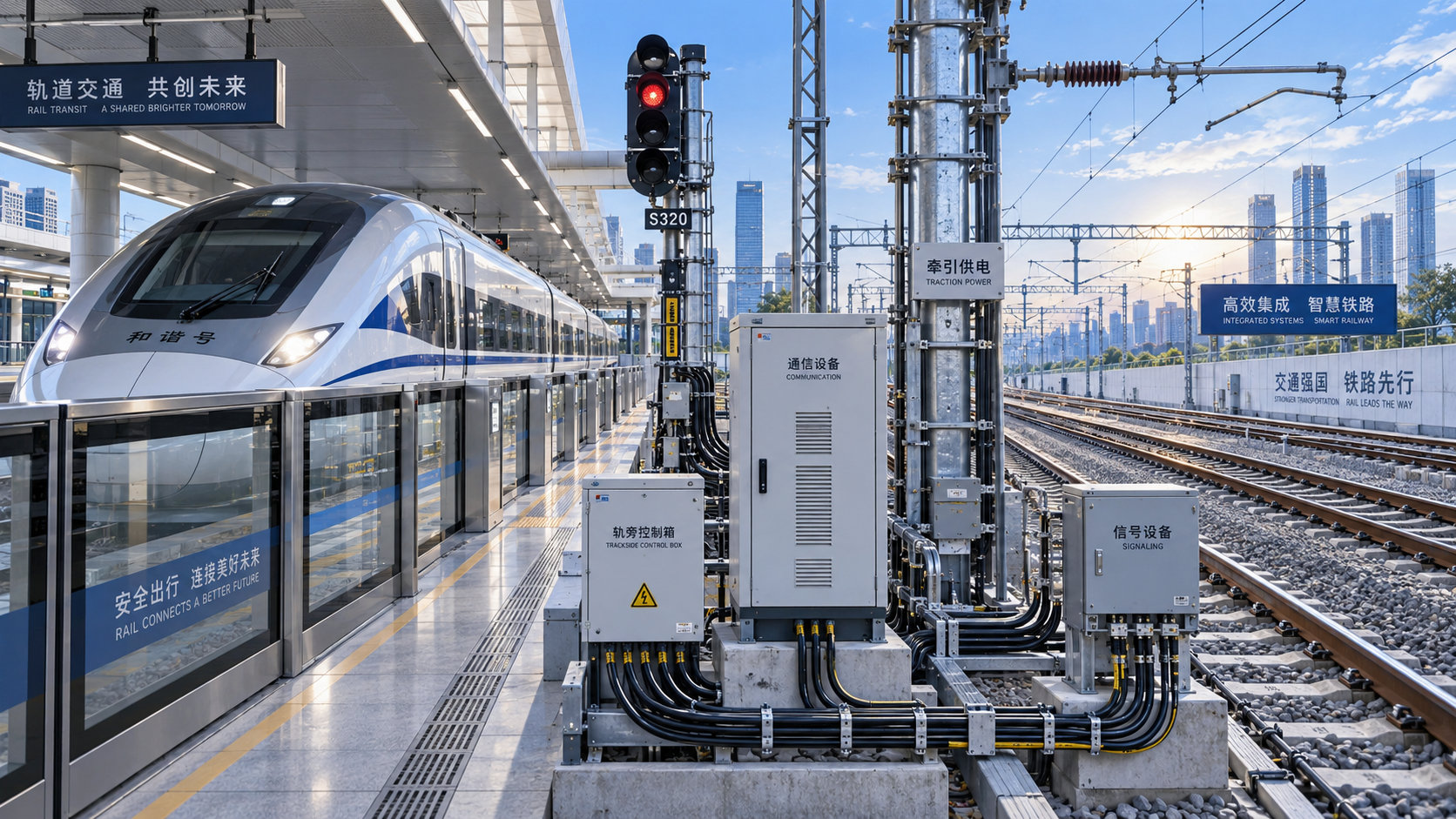
In modern rail systems, rail electrification equipment includes overhead contact lines, substations, insulators, switchgear, transformers, circuit breakers, and return current components.
Each part works under vibration, weather exposure, electrical stress, and tight service schedules.
That combination makes failure prevention a practical discipline, not just a technical requirement.
Why Rail Electrification Equipment Fails More Often Than Expected
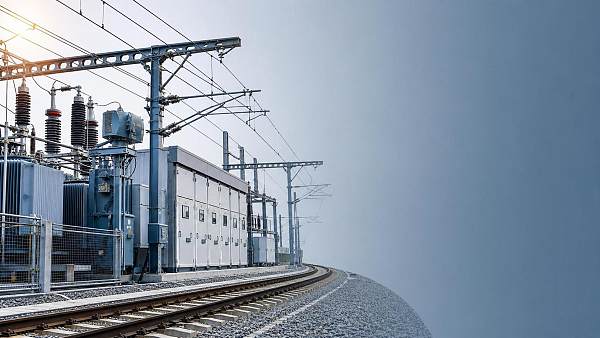
Most rail electrification equipment failures do not begin with dramatic damage.
They usually start with heat buildup, contamination, loose interfaces, or gradual wear that goes unnoticed during routine checks.
From recent operating trends, another clear signal is higher system loading.
More frequent train movements increase switching cycles, current demand, and mechanical stress across the whole electrification chain.
In real service conditions, five factors explain most recurring problems:
- Environmental exposure, especially moisture, dust, salt, and temperature swings.
- Mechanical fatigue in overhead line hardware and support assemblies.
- Electrical arcing at contact points, breakers, and connectors.
- Aging insulation in cables, insulators, and transformer components.
- Poor maintenance records that hide repeat fault patterns.
Once these factors overlap, rail electrification equipment can shift from stable operation to repeated service disruption very quickly.
That is why practical diagnostics matter more than surface-level inspection reports.
Common Failure Risks in Rail Electrification Equipment
A useful maintenance approach starts by grouping failures by component and symptom.
This makes troubleshooting faster and helps prioritize the right spare parts and test tools.
1. Overhead Contact Line Wear and Misalignment
Contact wire wear is one of the most visible rail electrification equipment issues.
Uneven contact pressure, pantograph impact, and support point drift often cause the problem.
Typical signs include abnormal groove depth, localized burn marks, and unstable current collection at speed.
2. Insulator Flashover and Surface Contamination
Insulators fail when contamination forms a conductive path across the surface.
This is common near coastal corridors, tunnels, industrial zones, and dusty freight routes.
Small leakage current events often appear before a serious flashover incident.
3. Substation Transformer Overheating
Transformer overheating remains a high-impact rail electrification equipment risk.
Blocked cooling, oil degradation, overload, and loose terminals are frequent triggers.
If heat is ignored, insulation life drops quickly and internal faults become much more likely.
4. Circuit Breaker and Switchgear Failure
Frequent switching cycles can wear contacts, springs, and arc quenching mechanisms.
This type of rail electrification equipment fault may first show up as delayed opening, nuisance trips, or inconsistent operation.
5. Return Current and Bonding Problems
Weak bonding or damaged return current paths can create stray current risks.
The result may include corrosion, signaling interference, or unexpected voltage differences across connected structures.
Fast Diagnosis: What to Check First
When rail electrification equipment fails, the first hour matters most.
A rushed part replacement may restore service, but it can also hide the real cause.
A better method is to check for evidence in a fixed order.
- Confirm the failure mode: trip, overheat, voltage drop, arcing, noise, or visible damage.
- Compare live readings with recent historical data from the same section.
- Inspect interfaces first, including terminals, clamps, connectors, and moving contacts.
- Check environmental conditions around the affected rail electrification equipment.
- Review maintenance history for repeat events on the same asset family.
This sequence reduces guesswork and helps separate symptom from root cause.
It also improves handover quality between field teams and engineering support.
Practical Fixes for the Most Common Rail Electrification Equipment Problems
The most effective fixes are usually simple, but they must be done with discipline.
Below are practical actions that solve many recurring rail electrification equipment faults.
Restore Contact Quality
- Re-tension and realign overhead contact lines where wear patterns are uneven.
- Replace worn droppers, clamps, and contact wire sections before the wear limit is reached.
- Verify pantograph interaction after corrective work, especially on high-speed routes.
Reduce Flashover Risk
- Clean insulator surfaces using site-approved methods and contamination schedules.
- Replace cracked or aged insulators instead of trying temporary surface repairs.
- Use leakage current monitoring where contamination exposure is persistent.
Control Heat in Substations
- Tighten high-current connections to torque specifications during planned shutdowns.
- Inspect cooling fans, pumps, radiators, and oil condition on a fixed interval.
- Use thermal imaging to find hot spots before protective trips begin.
Stabilize Switching Performance
- Measure breaker timing and contact resistance after abnormal trip events.
- Replace worn contact assemblies and weak operating springs as matched sets.
- Keep arc chambers clean and inspect for heat damage or material loss.
Protect the Return Path
- Check bonding continuity after track work, cable replacement, or corrosion repair.
- Measure stray current indicators near sensitive structures and drainage points.
- Replace corroded bonds early, because partial degradation is easy to miss.
A Simple Risk-Based Maintenance Table
A compact reference table helps teams act quickly during inspection planning.
How to Prevent Repeat Failures in Rail Electrification Equipment
Fixing one failed component is useful.
Preventing the next three failures is where maintenance performance really improves.
The stronger approach is condition-based maintenance supported by traceable field data.
For rail electrification equipment, that means linking inspection findings with load profile, weather exposure, operating cycles, and asset age.
It also means standardizing repair quality.
A connector tightened differently by different crews will eventually produce inconsistent results.
Three habits make a measurable difference:
- Record failure codes, thermal data, and replacement history in one searchable system.
- Set inspection frequency by asset criticality, not by calendar alone.
- Review recurring rail electrification equipment faults every quarter for pattern detection.
This is especially relevant for advanced mobility networks where availability targets are high and tolerance for electrical instability is low.
Final Action Points
Reliable rail electrification equipment depends on disciplined inspection, fast diagnosis, and repair methods that address the actual failure mechanism.
In daily operations, the most common risks are not mysterious.
They are usually visible in wear patterns, heat signatures, contamination levels, and unstable switching behavior.
The practical response is clear: inspect interfaces carefully, track condition trends, replace aging parts before failure, and verify repairs with measurable tests.
When rail electrification equipment is maintained this way, downtime drops, fault recurrence becomes easier to control, and network reliability improves over the long term.
That is the standard needed for modern rail systems operating under higher speed, higher utilization, and tighter safety expectations.
Article Categories
SYSTEM_ALERT_URGENT
Q3 SYMPOSIUM ON ORBITAL DYNAMICS
Registration for the Orbital Aerospace technical committee is now open. Node access required.
Recent Articles
![]() Oct 27, 2026FAA Certifies Boeing 737 MAX 10 After Years of DelaysFAA Certifies Boeing 737 MAX 10 After Years of Delays
Oct 27, 2026FAA Certifies Boeing 737 MAX 10 After Years of DelaysFAA Certifies Boeing 737 MAX 10 After Years of Delays Oct 27, 2026Can an intermodal connectivity platform reduce rail handoff delays?Can an intermodal connectivity platform reduce rail handoff delays?
![]() Oct 26, 2026Chery Unveils Global Smart Mobility Strategy Targeting Robotaxis and eVTOLsChery Unveils Global Smart Mobility Strategy Targeting Robotaxis and eVTOLs
Oct 26, 2026Chery Unveils Global Smart Mobility Strategy Targeting Robotaxis and eVTOLsChery Unveils Global Smart Mobility Strategy Targeting Robotaxis and eVTOLs Oct 26, 2026How to evaluate avionics for helicopters used in IFR operationsHow to evaluate avionics for helicopters used in IFR operations
![]() Oct 25, 2026Ukraine’s Defence Minister Says SpaceX Satellite Services Restored After Speed RestrictionsUkraine’s Defence Minister Says SpaceX Satellite Services Restored After Speed Restrictions
Oct 25, 2026Ukraine’s Defence Minister Says SpaceX Satellite Services Restored After Speed RestrictionsUkraine’s Defence Minister Says SpaceX Satellite Services Restored After Speed Restrictions Oct 25, 2026How satellite infrastructure for IoT affects sensor reporting delaysHow satellite infrastructure for IoT affects sensor reporting delays
![]() Oct 24, 2026China Successfully Launches Yaogan 50-03 SatelliteChina Successfully Launches Yaogan 50-03 Satellite
Oct 24, 2026China Successfully Launches Yaogan 50-03 SatelliteChina Successfully Launches Yaogan 50-03 Satellite Oct 24, 2026How gradients affect traction power needs in high-speed rolling stockHow gradients affect traction power needs in high-speed rolling stock
![]() Oct 23, 2026FAA Proposes Checks on Nearly 2,000 Boeing 737NGs Over Loss-of-Control RiskFAA Proposes Checks on Nearly 2,000 Boeing 737NGs Over Loss-of-Control Risk
Oct 23, 2026FAA Proposes Checks on Nearly 2,000 Boeing 737NGs Over Loss-of-Control RiskFAA Proposes Checks on Nearly 2,000 Boeing 737NGs Over Loss-of-Control Risk Oct 23, 2026How fuel choice affects specific impulse in liquid oxygen propulsionHow fuel choice affects specific impulse in liquid oxygen propulsion
![]() Oct 22, 2026QuantumScape Plans 100 MWh Solid-State Battery Line Targeting Aerospace and Other MarketsQuantumScape Plans 100 MWh Solid-State Battery Line Targeting Aerospace and Other Markets
Oct 22, 2026QuantumScape Plans 100 MWh Solid-State Battery Line Targeting Aerospace and Other MarketsQuantumScape Plans 100 MWh Solid-State Battery Line Targeting Aerospace and Other Markets Oct 22, 2026How tank size limits hydrogen aircraft range on regional flightsHow tank size limits hydrogen aircraft range on regional flights
![]() Oct 21, 2026FAA Certifies Boeing 737-10, Clearing Regulatory Hurdle for DeliveriesFAA Certifies Boeing 737-10, Clearing Regulatory Hurdle for Deliveries
Oct 21, 2026FAA Certifies Boeing 737-10, Clearing Regulatory Hurdle for DeliveriesFAA Certifies Boeing 737-10, Clearing Regulatory Hurdle for Deliveries Oct 21, 2026How are electric vertical takeoff aircraft certified in the US?How are electric vertical takeoff aircraft certified in the US?
![]() Oct 20, 2026Ohio Department of Transportation Releases Three-Year Advanced Air Mobility Action PlanOhio Department of Transportation Releases Three-Year Advanced Air Mobility Action Plan
Oct 20, 2026Ohio Department of Transportation Releases Three-Year Advanced Air Mobility Action PlanOhio Department of Transportation Releases Three-Year Advanced Air Mobility Action Plan Oct 20, 2026How does magnetic flux density in tesla affect maglev lift force?How does magnetic flux density in tesla affect maglev lift force?
![]() Oct 19, 2026ZeroAvia Completes Key Ground Tests of ZA600 Hydrogen Fuel Cell PowertrainZeroAvia Completes Key Ground Tests of ZA600 Hydrogen Fuel Cell Powertrain
Oct 19, 2026ZeroAvia Completes Key Ground Tests of ZA600 Hydrogen Fuel Cell PowertrainZeroAvia Completes Key Ground Tests of ZA600 Hydrogen Fuel Cell Powertrain Oct 19, 2026How spacecraft integration affects advanced propulsion costsHow spacecraft integration affects advanced propulsion costs
 Oct 18, 2026How chilldown prevents cavitation in cryogenic engine systemsHow chilldown prevents cavitation in cryogenic engine systems
 Oct 17, 2026How explainability affects algorithmic trust in AI flight systemsHow explainability affects algorithmic trust in AI flight systems
 Oct 16, 2026How to evaluate transportation technology for Middle East heatHow to evaluate transportation technology for Middle East heat
 Oct 15, 2026How common-cause failures defeat redundancy logic in European avionicsHow common-cause failures defeat redundancy logic in European avionics
 Oct 14, 2026How DO-160 applies to aerospace technology testing for avionicsHow DO-160 applies to aerospace technology testing for avionics
 Oct 13, 2026How fuel price volatility shapes commercial aviation cost trendsHow fuel price volatility shapes commercial aviation cost trends
 Oct 12, 2026How to qualify aerospace manufacturing components for traceabilityHow to qualify aerospace manufacturing components for traceability
 Oct 11, 2026Which certification hurdles are slowing hydrogen aviation in Europe?Which certification hurdles are slowing hydrogen aviation in Europe?
 Oct 10, 2026What evidence should a magnetic gap stability supplier provide?What evidence should a magnetic gap stability supplier provide?
 Oct 09, 2026Which ISO standards matter when qualifying industrial technology suppliers?Which ISO standards matter when qualifying industrial technology suppliers?
 Oct 08, 2026When does reusability actually lower launch vehicle costs?When does reusability actually lower launch vehicle costs?
 Oct 07, 2026Where to find reliable product knowledge resources in the Middle EastWhere to find reliable product knowledge resources in the Middle East
 Oct 06, 2026What drives high-speed rail systems cost per kilometer?What drives high-speed rail systems cost per kilometer?
 Oct 05, 2026When does hydrogen propulsion for UAV extend mission range enough to justify it?When does hydrogen propulsion for UAV extend mission range enough to justify it?
 Oct 04, 2026How rail systems integration reduces commissioning delaysHow rail systems integration reduces commissioning delays
 Oct 03, 2026How to evaluate an advanced propulsion manufacturer for hydrogen systemsHow to evaluate an advanced propulsion manufacturer for hydrogen systems
 Oct 02, 2026How to qualify aircraft components for OEM production approvalHow to qualify aircraft components for OEM production approval