SMT Assembly Services: Cost Drivers to Check
Lead Author
Published
Views:
Why SMT Assembly Cost Deserves Closer Attention
For high-reliability programs, smt assembly services are rarely judged by unit price alone.
The real cost sits inside board density, component availability, process control, testing depth, documentation, and certification expectations.
This is especially true in aerospace, satellite infrastructure, eVTOL systems, maglev controls, and extreme-environment logistics.
A single electronic assembly may support navigation, propulsion monitoring, battery management, signaling, sensing, or safety communication.
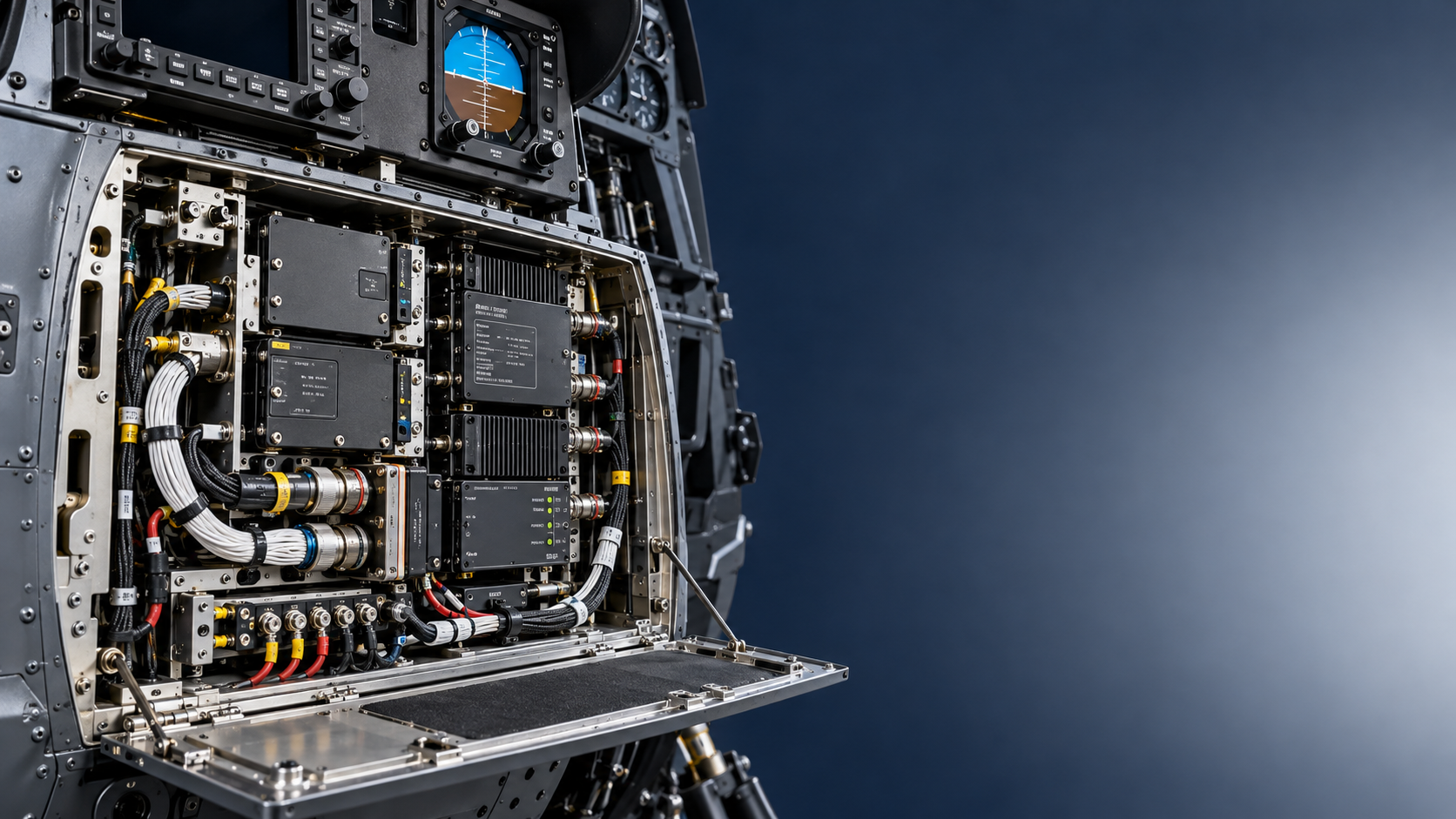
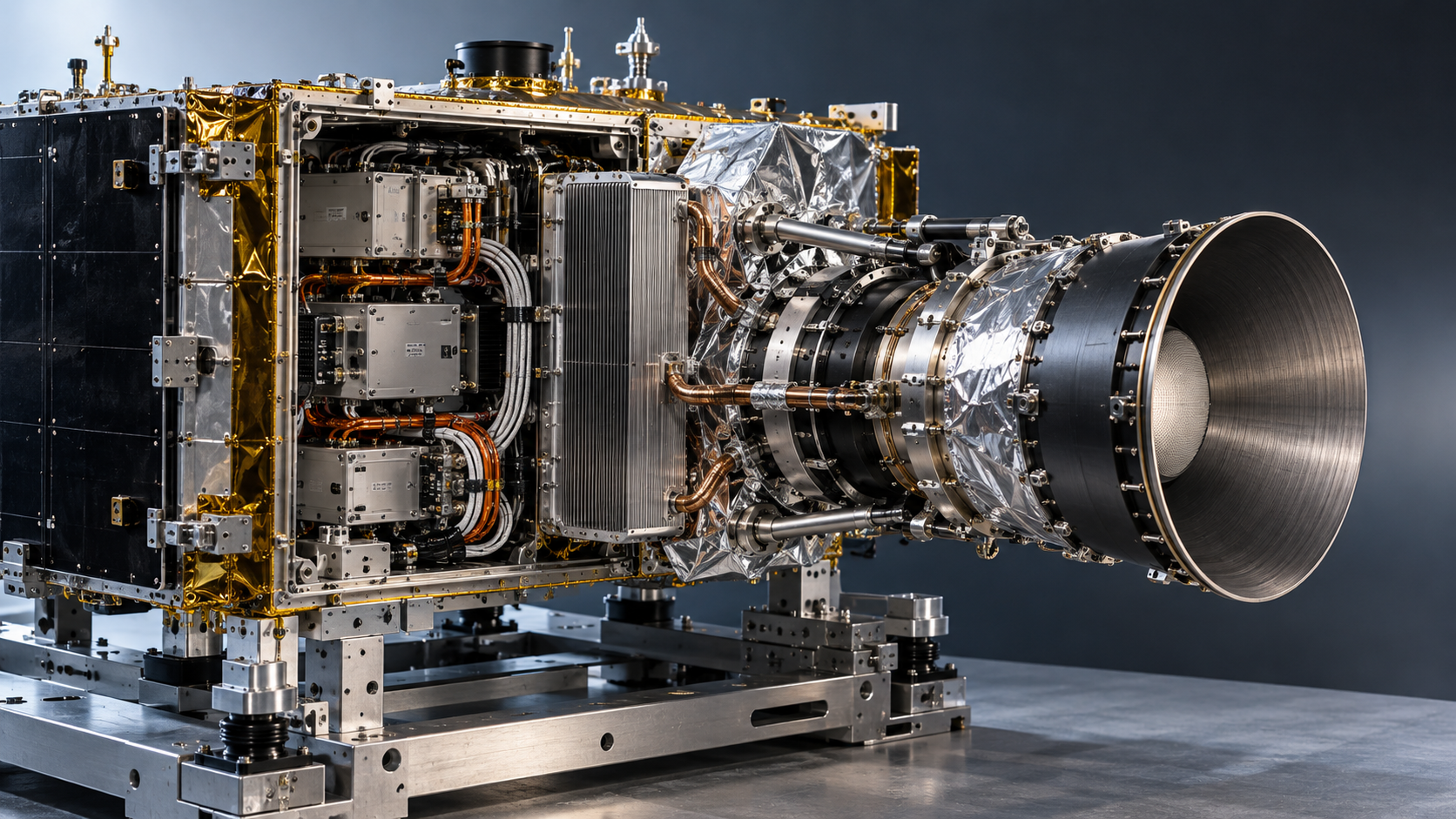
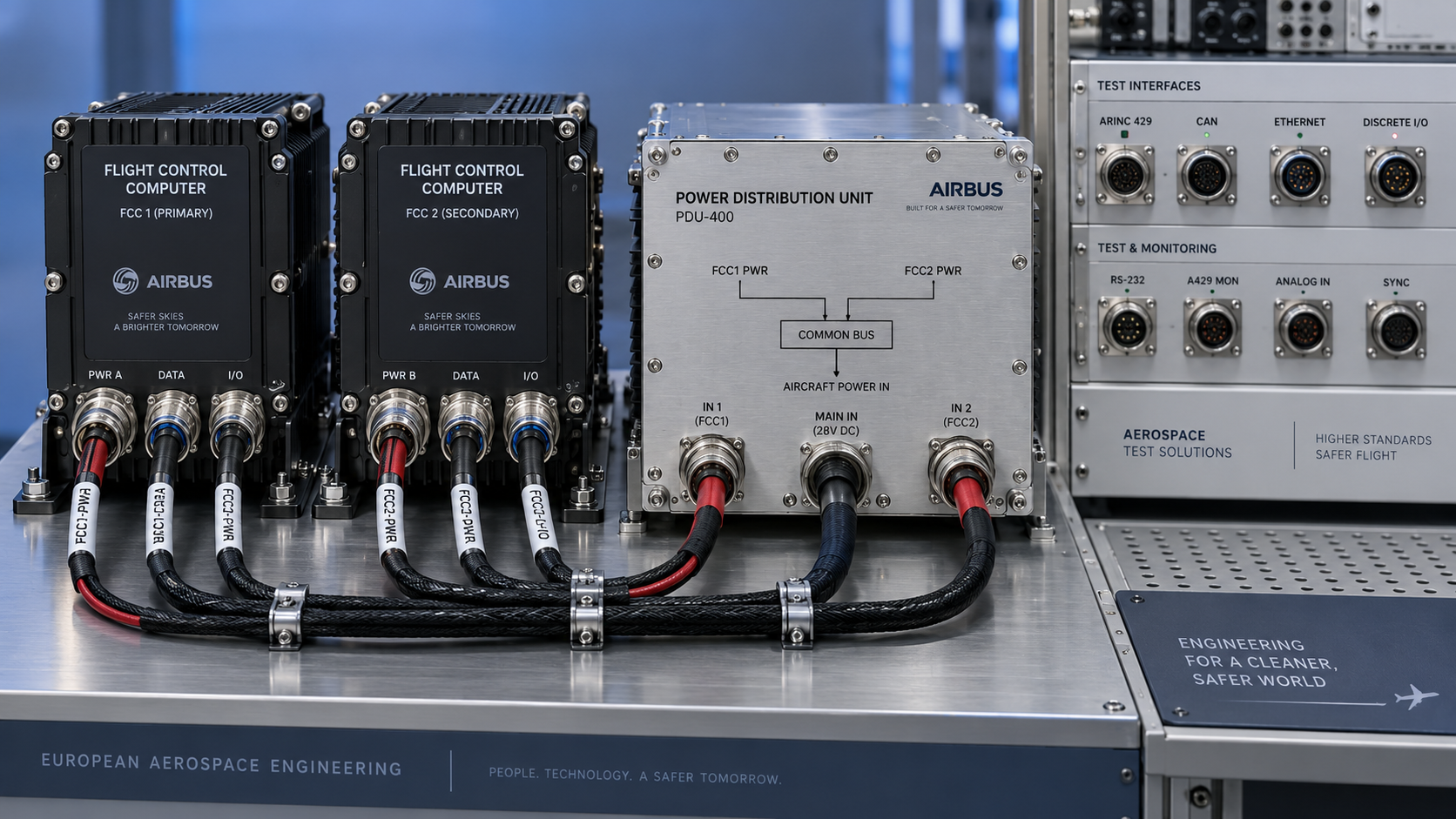
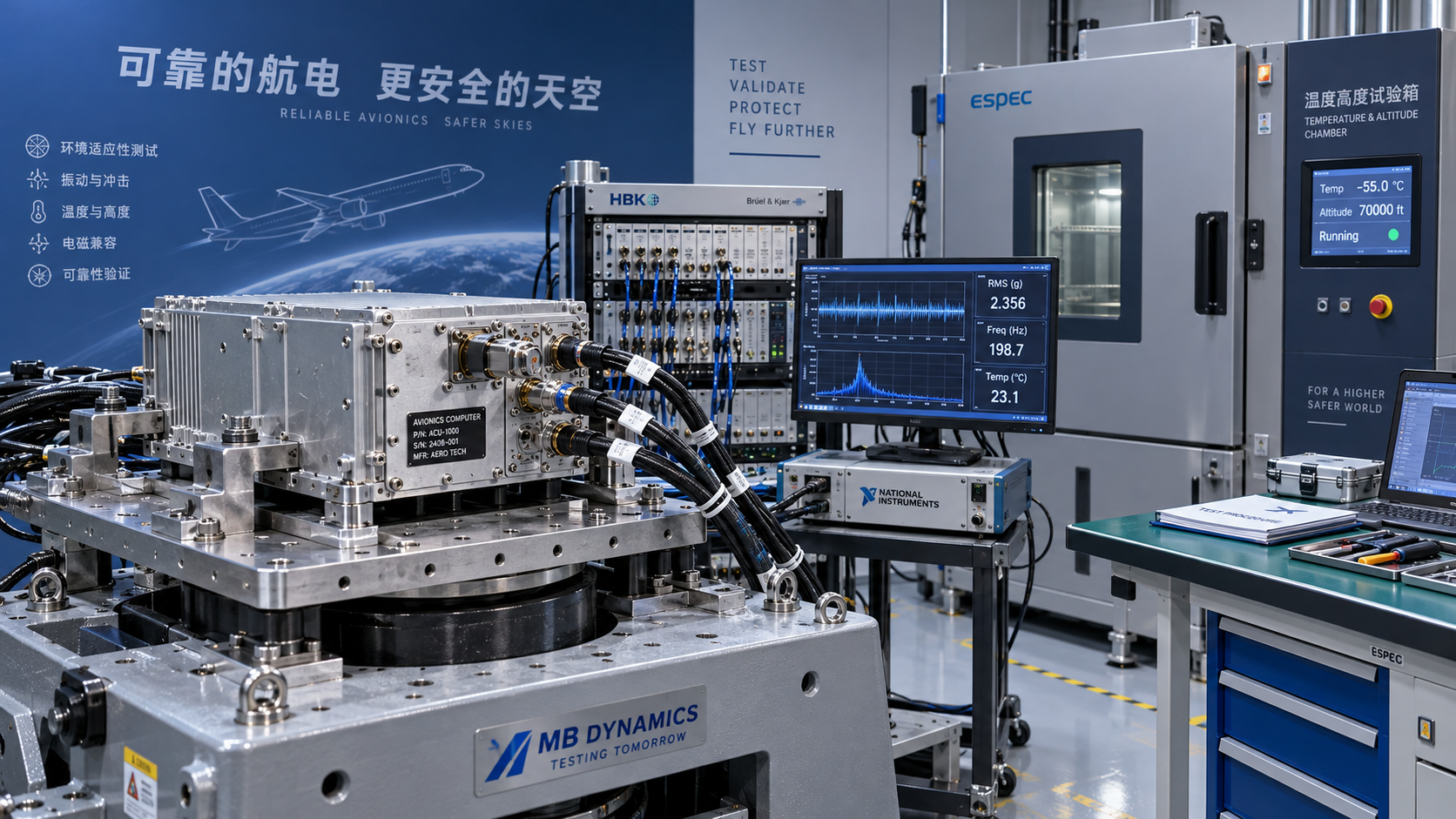
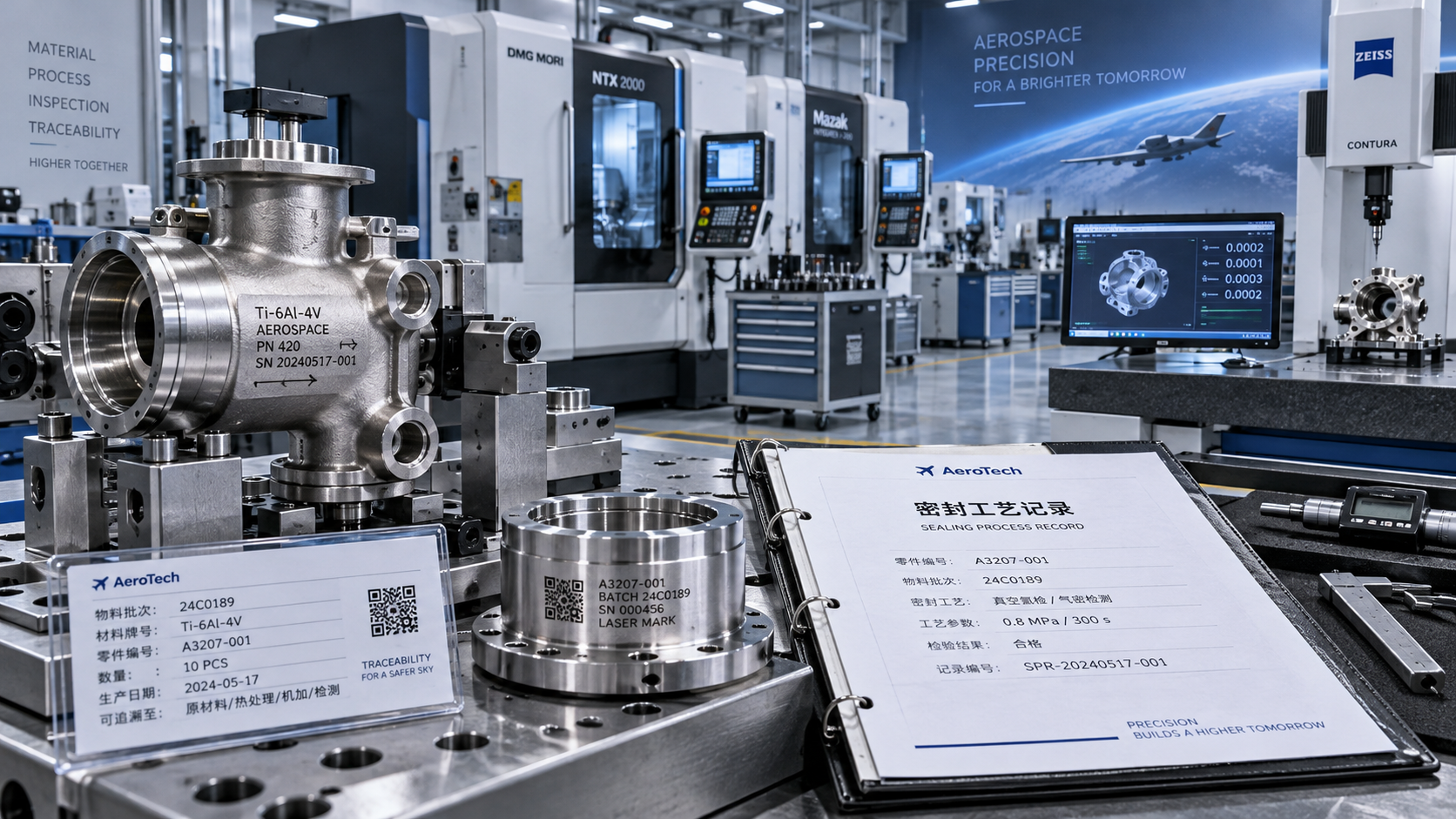
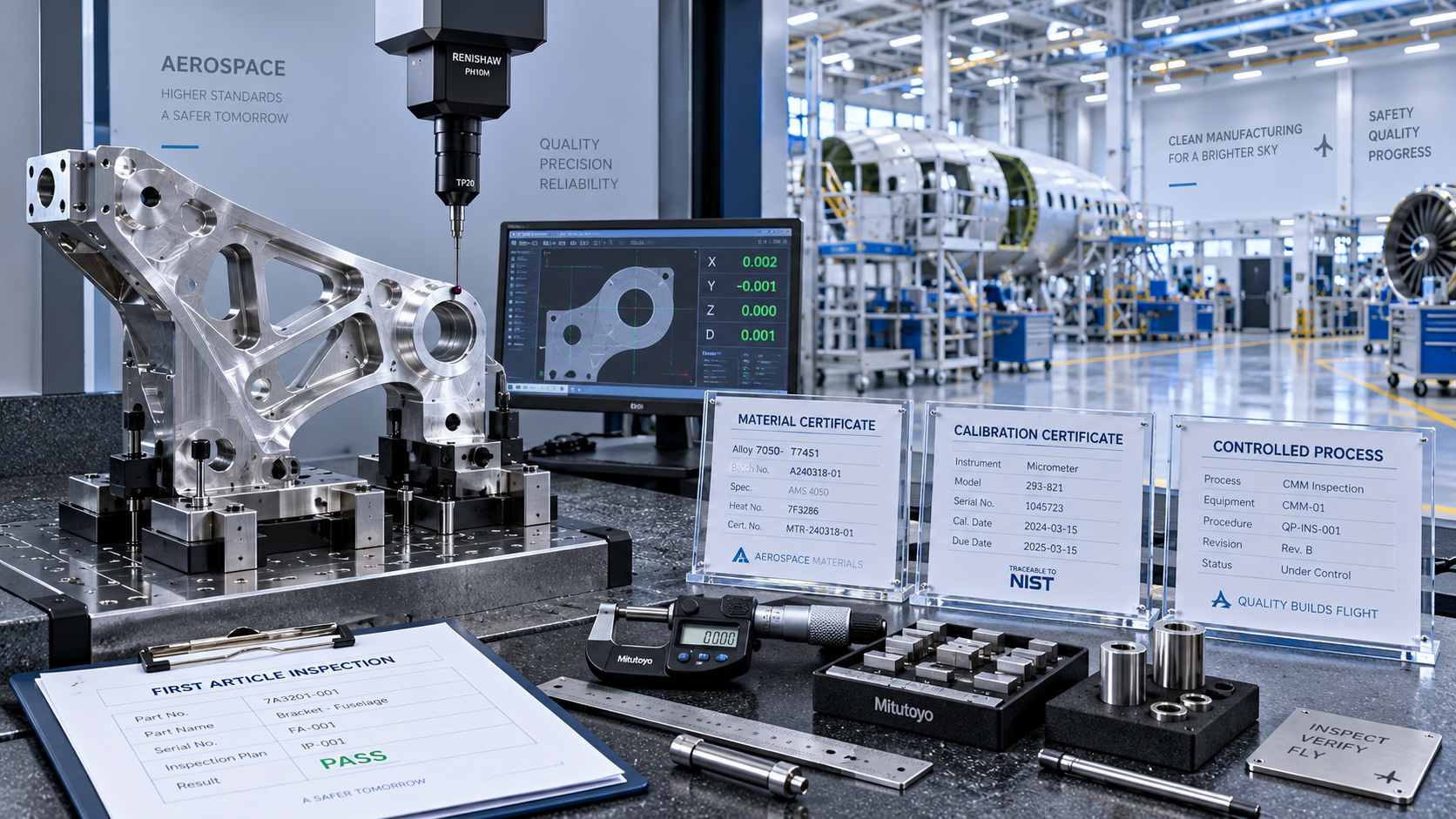
The image below represents the typical cost layers behind precision electronic assembly decisions.

In that context, smt assembly services become part of a broader risk and performance calculation.
A low quotation can become expensive if rework, delay, traceability gaps, or failed qualification appear later.
A higher quotation may be justified when it reduces uncertainty in mission-critical production.
What SMT Assembly Services Usually Include
SMT, or surface mount technology, places components directly onto printed circuit boards using automated equipment.
Typical smt assembly services include solder paste printing, pick-and-place, reflow soldering, inspection, cleaning, testing, and packaging.
Some providers also manage PCB fabrication, component sourcing, conformal coating, box build, and lifecycle support.
Cost changes when these activities move from simple placement to controlled manufacturing for harsh environments.
For example, a small sensor board for cabin monitoring differs greatly from a flight-control module.
Both may use smt assembly services, yet their acceptance criteria, records, tests, and process windows are not comparable.
This distinction matters when reviewing quotes from electronics manufacturing service partners.
The same board design can receive different prices because suppliers interpret risk and responsibility differently.
Board Complexity Is Often the First Cost Driver
Board complexity affects almost every stage of smt assembly services.
High layer counts, fine-pitch components, BGAs, microcontrollers, RF devices, and mixed-signal circuits demand tighter process control.
Dense layouts may require advanced solder paste inspection, X-ray inspection, controlled reflow profiles, and more engineering review.
Cost also rises when the board uses components on both sides.
Double-sided assembly needs extra handling, additional reflow steps, and careful thermal planning.
In advanced transportation platforms, compact electronics are common because space, weight, and power are tightly constrained.
This makes smt assembly services more demanding, even when the production volume appears modest.
Design for manufacturability changes the quote
A design that looks complete in CAD may still create manufacturing risk.
Poor pad geometry, narrow spacing, weak fiducials, and thermal imbalance can increase defects.
Many providers include design for manufacturability review within smt assembly services, but the depth varies.
Early review may add cost upfront, yet it often prevents expensive redesign and schedule loss.
Component Sourcing Can Reshape the Total Price
Component cost is one of the least predictable parts of smt assembly services.
Price depends on availability, approved vendor lists, minimum order quantities, lead times, and market volatility.
Aviation, rail, and satellite programs often require traceable components from authorized channels.
That requirement limits sourcing flexibility, but it reduces counterfeit and reliability risks.
Shortage-driven substitutes can affect qualification, test results, and certification evidence.
For this reason, smt assembly services should be evaluated together with supply chain discipline.
A transparent quote should separate assembly labor, component purchase, excess material, tooling, and non-recurring engineering.
Without that separation, a low assembly line item may hide high material exposure.
Quality Standards Add Cost, but Also Protect the Program
In standard consumer electronics, visual inspection and functional sampling may be enough.
High-reliability mobility systems usually need stronger quality evidence.
Relevant expectations may involve IPC-A-610, J-STD-001, ISO systems, AS9100 practices, or customer-specific requirements.
For rail and aviation electronics, quality records are not administrative details.
They support safety cases, field investigations, audits, and long service life management.
This is where smt assembly services become tied to institutional benchmarking and certification readiness.
G-AIT’s mobility perspective highlights one practical point: technical supremacy must align with operational integrity.
A board that performs well in a lab still needs repeatable production evidence.
Testing Depth Should Match Failure Consequences
Testing can be a major cost driver in smt assembly services.
Basic continuity checks cost less than in-circuit testing, boundary scan, functional testing, burn-in, or environmental screening.
The right level depends on where the assembly will operate.
A board inside a ground support unit may not need the same screening as avionics hardware.
A satellite subsystem faces vibration, vacuum, thermal cycling, and repair impossibility.
A maglev signaling controller faces continuous operation and strict safety expectations.
When comparing smt assembly services, test coverage should be mapped to risk, not selected by habit.
Over-testing can waste budget, while under-testing can shift cost into field failures.
Fixtures and programs are not always included
Functional testing often needs custom fixtures, software, cables, and acceptance procedures.
These items may appear as separate non-recurring engineering charges.
They increase the first build cost, but they can stabilize future production.
Volume, Lot Size, and Schedule Pressure Change the Economics
Volume affects smt assembly services in several ways.
Small prototype builds carry higher unit costs because setup time is spread across fewer boards.
Larger production runs can reduce placement cost, material waste, and programming effort per unit.
However, high volume does not automatically mean low risk.
If the design is immature, scaling only multiplies hidden defects.
Schedule compression also changes pricing.
Expedited smt assembly services may require overtime, faster material sourcing, special logistics, or line rescheduling.
For programs linked to flight trials, rail validation, or launch windows, time can outweigh nominal unit cost.
Certification and Documentation Requirements Are Easy to Underestimate
Certification frameworks influence electronics assembly long before final approval.
FAA, EASA, UIC, ISO, and customer-specific systems can all affect records and change control.
In controlled programs, smt assembly services may require documented revisions, approved materials, serialized units, and deviation handling.
These practices create cost because they require discipline, trained personnel, and reliable data systems.
Still, they help avoid expensive disputes when qualification questions arise.
A provider unable to produce consistent records may appear economical during purchasing.
The same provider may become costly during audit, root-cause analysis, or field support.
Typical Application Scenarios in Advanced Mobility
From industry application, smt assembly services support many electronic functions across modern mobility platforms.
The cost structure changes with environment, mission profile, and repair access.
- Next-generation airframes: avionics modules, sensor interfaces, power distribution controls, and cabin monitoring electronics.
- Satellite infrastructure: communication payload boards, telemetry electronics, power conditioning units, and compact control assemblies.
- High-speed rail and maglev: signaling boards, propulsion control interfaces, diagnostics, and trackside communication hardware.
- Urban air mobility: battery management, motor control, flight sensors, and autonomous navigation electronics.
- Extreme logistics: rugged monitoring systems, thermal control electronics, and remote asset tracking devices.
Each scenario uses electronics differently, so smt assembly services should not be priced as a generic commodity.
A board exposed to vibration, moisture, heat, or long maintenance intervals needs different safeguards.
How to Compare Quotes Without Missing Hidden Costs
A useful quotation should explain assumptions clearly.
If two prices differ sharply, the gap usually reflects scope, risk allocation, or omitted services.
The comparison should go beyond placement cost and inspect the full manufacturing plan.
- Confirm whether PCB fabrication, components, assembly, inspection, testing, coating, and packaging are included.
- Check whether excess components, reels, setup, stencils, and tooling are charged separately.
- Review component sourcing rules, approved suppliers, alternates, and traceability requirements.
- Compare inspection coverage, test responsibility, yield assumptions, and rework policy.
- Ask how engineering changes, obsolescence, and urgent schedule shifts are handled.
These checks make smt assembly services easier to compare on total value.
They also reduce the chance of late-stage cost escalation.
Practical Signals of a More Reliable Assembly Partner
Cost control depends on supplier capability, not only quoted pricing.
Reliable providers of smt assembly services usually communicate process limits before production begins.
They identify manufacturability risks, request complete data, and explain trade-offs without hiding uncertainty.
Useful signals include stable quality systems, clear engineering feedback, documented inspection methods, and realistic lead-time commitments.
Another important signal is change discipline.
High-reliability electronics cannot tolerate casual material substitutions or undocumented process deviations.
When smt assembly services support aerospace or advanced transportation platforms, every change may affect qualification evidence.
A Balanced View of Cost and Risk
The lowest price is not always the lowest program cost.
The best choice usually balances assembly price, quality evidence, technical support, and supply continuity.
For complex mobility systems, smt assembly services sit close to operational safety and lifecycle reliability.
That makes early cost analysis more valuable than late corrective action.
A practical next step is to build a comparison matrix before requesting final pricing.
Include board complexity, component strategy, inspection level, testing scope, documentation, certification exposure, and schedule requirements.
This approach turns smt assembly services from a simple line item into a controlled sourcing decision.
It also helps identify where paying more protects delivery, compliance, and long-term system performance.
Article Categories
SYSTEM_ALERT_URGENT
Q3 SYMPOSIUM ON ORBITAL DYNAMICS
Registration for the Orbital Aerospace technical committee is now open. Node access required.
Recent Articles
![]() Oct 27, 2026FAA Certifies Boeing 737 MAX 10 After Years of DelaysFAA Certifies Boeing 737 MAX 10 After Years of Delays
Oct 27, 2026FAA Certifies Boeing 737 MAX 10 After Years of DelaysFAA Certifies Boeing 737 MAX 10 After Years of Delays Oct 27, 2026Can an intermodal connectivity platform reduce rail handoff delays?Can an intermodal connectivity platform reduce rail handoff delays?
![]() Oct 26, 2026Chery Unveils Global Smart Mobility Strategy Targeting Robotaxis and eVTOLsChery Unveils Global Smart Mobility Strategy Targeting Robotaxis and eVTOLs
Oct 26, 2026Chery Unveils Global Smart Mobility Strategy Targeting Robotaxis and eVTOLsChery Unveils Global Smart Mobility Strategy Targeting Robotaxis and eVTOLs Oct 26, 2026How to evaluate avionics for helicopters used in IFR operationsHow to evaluate avionics for helicopters used in IFR operations
![]() Oct 25, 2026Ukraine’s Defence Minister Says SpaceX Satellite Services Restored After Speed RestrictionsUkraine’s Defence Minister Says SpaceX Satellite Services Restored After Speed Restrictions
Oct 25, 2026Ukraine’s Defence Minister Says SpaceX Satellite Services Restored After Speed RestrictionsUkraine’s Defence Minister Says SpaceX Satellite Services Restored After Speed Restrictions Oct 25, 2026How satellite infrastructure for IoT affects sensor reporting delaysHow satellite infrastructure for IoT affects sensor reporting delays
![]() Oct 24, 2026China Successfully Launches Yaogan 50-03 SatelliteChina Successfully Launches Yaogan 50-03 Satellite
Oct 24, 2026China Successfully Launches Yaogan 50-03 SatelliteChina Successfully Launches Yaogan 50-03 Satellite Oct 24, 2026How gradients affect traction power needs in high-speed rolling stockHow gradients affect traction power needs in high-speed rolling stock
![]() Oct 23, 2026FAA Proposes Checks on Nearly 2,000 Boeing 737NGs Over Loss-of-Control RiskFAA Proposes Checks on Nearly 2,000 Boeing 737NGs Over Loss-of-Control Risk
Oct 23, 2026FAA Proposes Checks on Nearly 2,000 Boeing 737NGs Over Loss-of-Control RiskFAA Proposes Checks on Nearly 2,000 Boeing 737NGs Over Loss-of-Control Risk Oct 23, 2026How fuel choice affects specific impulse in liquid oxygen propulsionHow fuel choice affects specific impulse in liquid oxygen propulsion
![]() Oct 22, 2026QuantumScape Plans 100 MWh Solid-State Battery Line Targeting Aerospace and Other MarketsQuantumScape Plans 100 MWh Solid-State Battery Line Targeting Aerospace and Other Markets
Oct 22, 2026QuantumScape Plans 100 MWh Solid-State Battery Line Targeting Aerospace and Other MarketsQuantumScape Plans 100 MWh Solid-State Battery Line Targeting Aerospace and Other Markets Oct 22, 2026How tank size limits hydrogen aircraft range on regional flightsHow tank size limits hydrogen aircraft range on regional flights
![]() Oct 21, 2026FAA Certifies Boeing 737-10, Clearing Regulatory Hurdle for DeliveriesFAA Certifies Boeing 737-10, Clearing Regulatory Hurdle for Deliveries
Oct 21, 2026FAA Certifies Boeing 737-10, Clearing Regulatory Hurdle for DeliveriesFAA Certifies Boeing 737-10, Clearing Regulatory Hurdle for Deliveries Oct 21, 2026How are electric vertical takeoff aircraft certified in the US?How are electric vertical takeoff aircraft certified in the US?
![]() Oct 20, 2026Ohio Department of Transportation Releases Three-Year Advanced Air Mobility Action PlanOhio Department of Transportation Releases Three-Year Advanced Air Mobility Action Plan
Oct 20, 2026Ohio Department of Transportation Releases Three-Year Advanced Air Mobility Action PlanOhio Department of Transportation Releases Three-Year Advanced Air Mobility Action Plan Oct 20, 2026How does magnetic flux density in tesla affect maglev lift force?How does magnetic flux density in tesla affect maglev lift force?
![]() Oct 19, 2026ZeroAvia Completes Key Ground Tests of ZA600 Hydrogen Fuel Cell PowertrainZeroAvia Completes Key Ground Tests of ZA600 Hydrogen Fuel Cell Powertrain
Oct 19, 2026ZeroAvia Completes Key Ground Tests of ZA600 Hydrogen Fuel Cell PowertrainZeroAvia Completes Key Ground Tests of ZA600 Hydrogen Fuel Cell Powertrain Oct 19, 2026How spacecraft integration affects advanced propulsion costsHow spacecraft integration affects advanced propulsion costs
 Oct 18, 2026How chilldown prevents cavitation in cryogenic engine systemsHow chilldown prevents cavitation in cryogenic engine systems
 Oct 17, 2026How explainability affects algorithmic trust in AI flight systemsHow explainability affects algorithmic trust in AI flight systems
 Oct 16, 2026How to evaluate transportation technology for Middle East heatHow to evaluate transportation technology for Middle East heat
 Oct 15, 2026How common-cause failures defeat redundancy logic in European avionicsHow common-cause failures defeat redundancy logic in European avionics
 Oct 14, 2026How DO-160 applies to aerospace technology testing for avionicsHow DO-160 applies to aerospace technology testing for avionics
 Oct 13, 2026How fuel price volatility shapes commercial aviation cost trendsHow fuel price volatility shapes commercial aviation cost trends
 Oct 12, 2026How to qualify aerospace manufacturing components for traceabilityHow to qualify aerospace manufacturing components for traceability
 Oct 11, 2026Which certification hurdles are slowing hydrogen aviation in Europe?Which certification hurdles are slowing hydrogen aviation in Europe?
 Oct 10, 2026What evidence should a magnetic gap stability supplier provide?What evidence should a magnetic gap stability supplier provide?
 Oct 09, 2026Which ISO standards matter when qualifying industrial technology suppliers?Which ISO standards matter when qualifying industrial technology suppliers?
 Oct 08, 2026When does reusability actually lower launch vehicle costs?When does reusability actually lower launch vehicle costs?
 Oct 07, 2026Where to find reliable product knowledge resources in the Middle EastWhere to find reliable product knowledge resources in the Middle East
 Oct 06, 2026What drives high-speed rail systems cost per kilometer?What drives high-speed rail systems cost per kilometer?
 Oct 05, 2026When does hydrogen propulsion for UAV extend mission range enough to justify it?When does hydrogen propulsion for UAV extend mission range enough to justify it?
 Oct 04, 2026How rail systems integration reduces commissioning delaysHow rail systems integration reduces commissioning delays
 Oct 03, 2026How to evaluate an advanced propulsion manufacturer for hydrogen systemsHow to evaluate an advanced propulsion manufacturer for hydrogen systems
 Oct 02, 2026How to qualify aircraft components for OEM production approvalHow to qualify aircraft components for OEM production approval