Aerospace Manufacturing Cost Drivers in 2026
Lead Author
Published
Views:
In 2026, aerospace manufacturing cost is being reset by forces that sit well beyond raw materials and direct labor. Program economics now depend on certification pathways, resilient supplier networks, propulsion integration, digital production discipline, and the ability to absorb risk without delaying entry into service.
That shift matters across commercial aviation, space systems, urban air mobility, and adjacent mobility platforms. It also explains why cost benchmarking is no longer a narrow factory exercise. It has become a strategic question about design choices, compliance exposure, industrial readiness, and lifecycle competitiveness.
Why aerospace manufacturing cost looks different in 2026
Aerospace manufacturing cost once centered on machining hours, alloy prices, and assembly labor. Those remain important, but they no longer explain the full cost curve of modern programs.
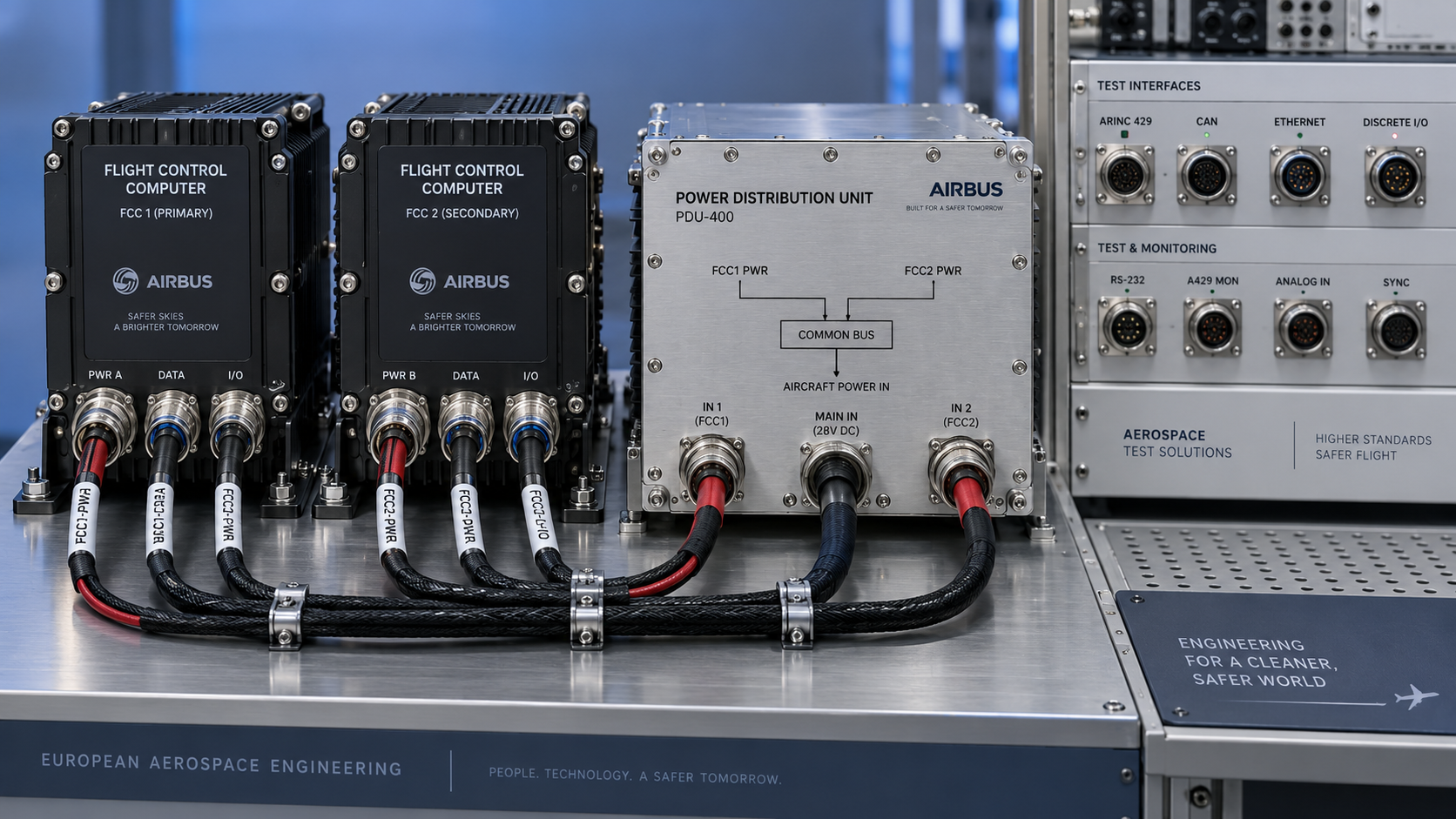
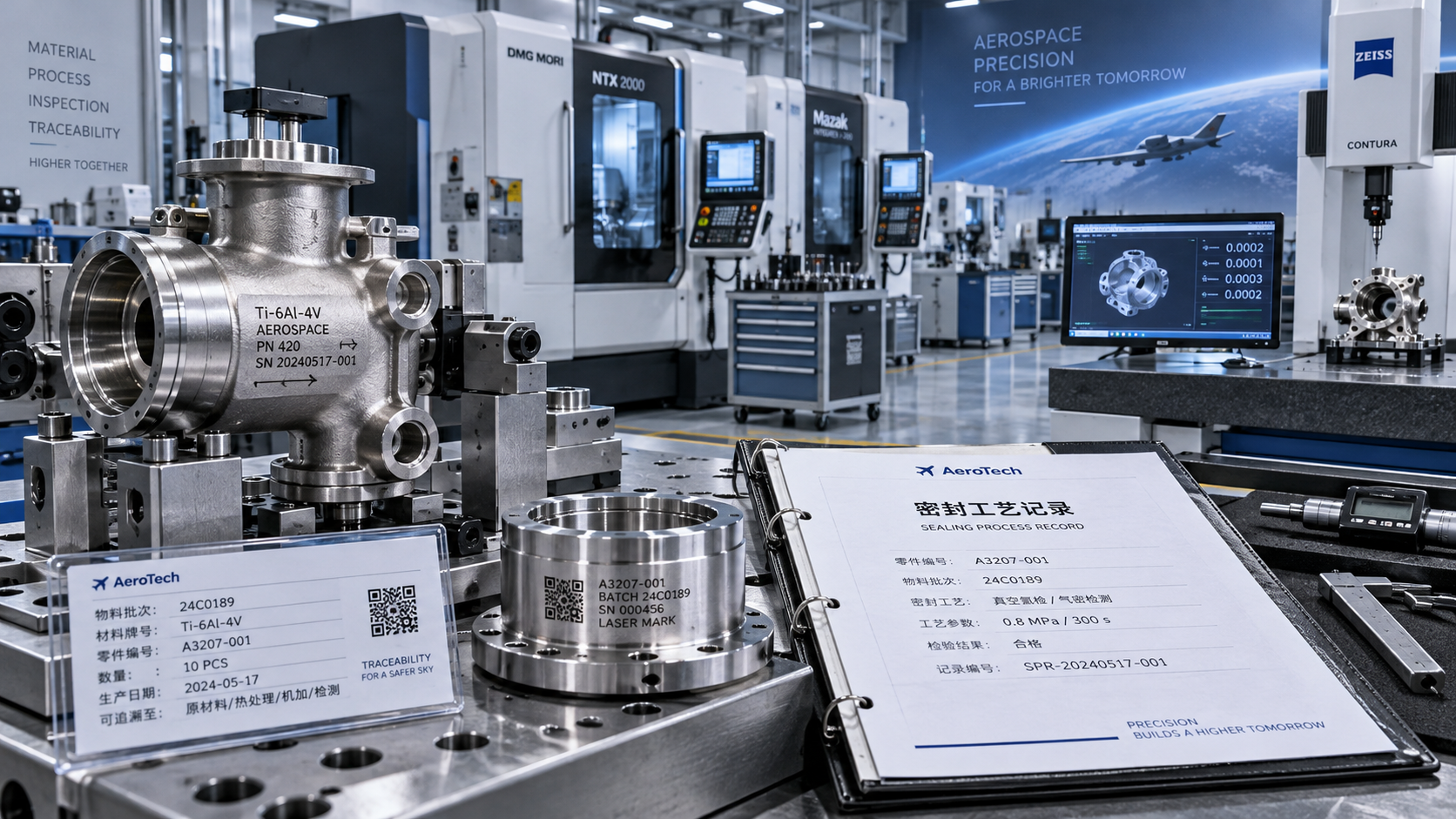
Aircraft and spacecraft now carry more software, more electronics, tighter traceability requirements, and broader supplier dependencies. Every additional layer raises the cost of proving reliability, not just building hardware.
For organizations tracking next-generation airframes, cryogenic propulsion, eVTOL systems, and autonomous mobility platforms, the pattern is consistent. The most expensive surprises often emerge where engineering ambition meets certification reality.
This is also where institutions such as G-AIT add value. Cross-sector benchmarking helps compare cost drivers across aviation, space, rail, and advanced transportation systems, especially when safety and regulatory obligations are converging.
The core drivers behind rising program cost
Aerospace manufacturing cost in 2026 is shaped by a cluster of interconnected pressures. Looking at them separately is useful, but they usually compound each other in practice.
Certification is now a direct cost driver
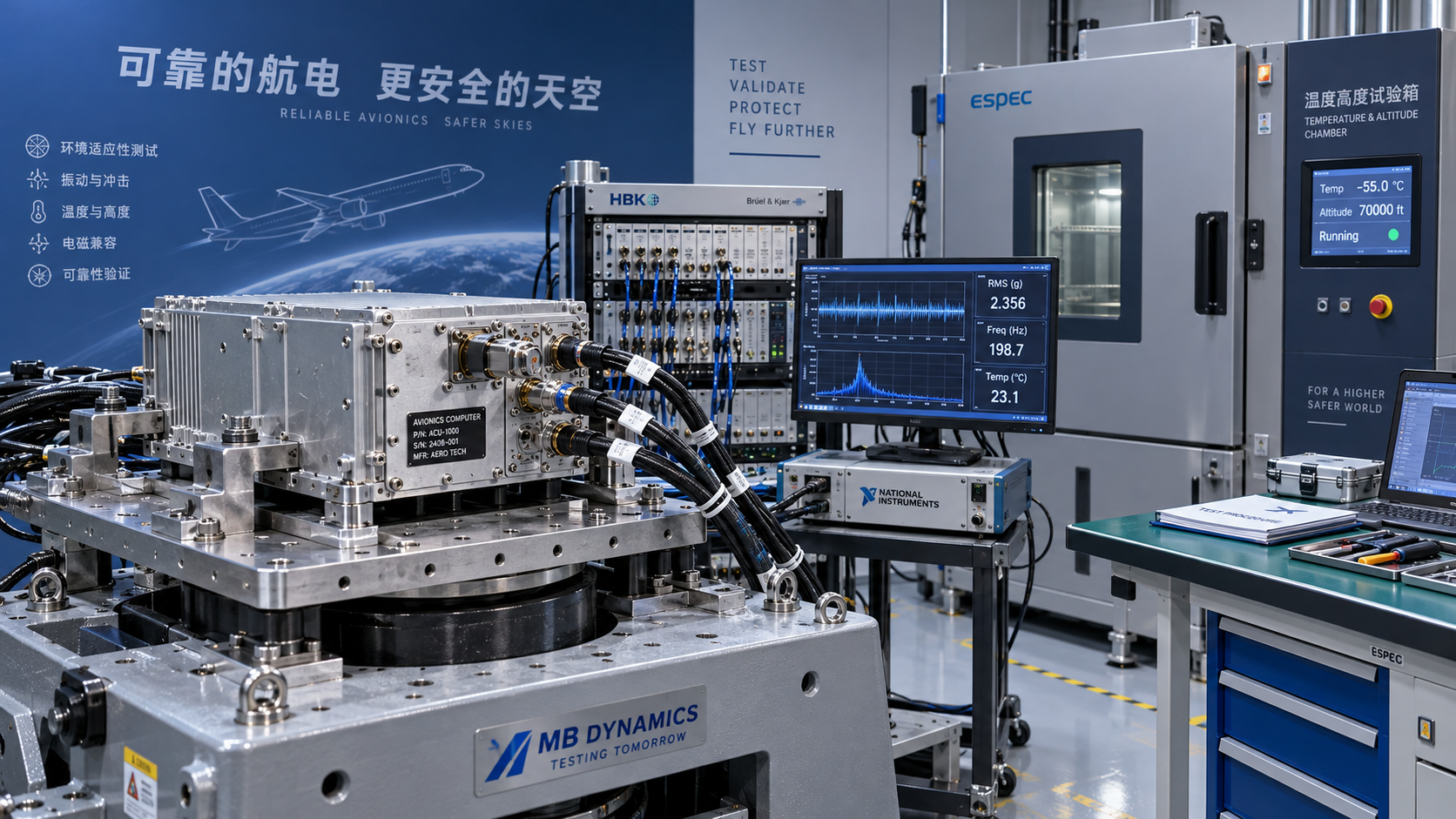
FAA, EASA, and related standards affect design architecture from the start. A technically elegant solution can become expensive if validation, documentation, or test evidence cannot scale with the certification basis.
That means aerospace manufacturing cost includes more than production readiness. It includes design assurance, configuration control, material pedigree, software compliance, and repeated test campaigns when requirements evolve late.
Supply chain resilience has a measurable price
Single-source components, long lead-time forgings, semiconductor shortages, and geopolitical trade friction all increase buffer inventory and qualification effort. Resilience is necessary, but it is not free.
Dual sourcing can reduce disruption risk, yet it may also introduce parallel qualification costs, tooling duplication, and more complex change management.
Advanced propulsion changes the cost equation
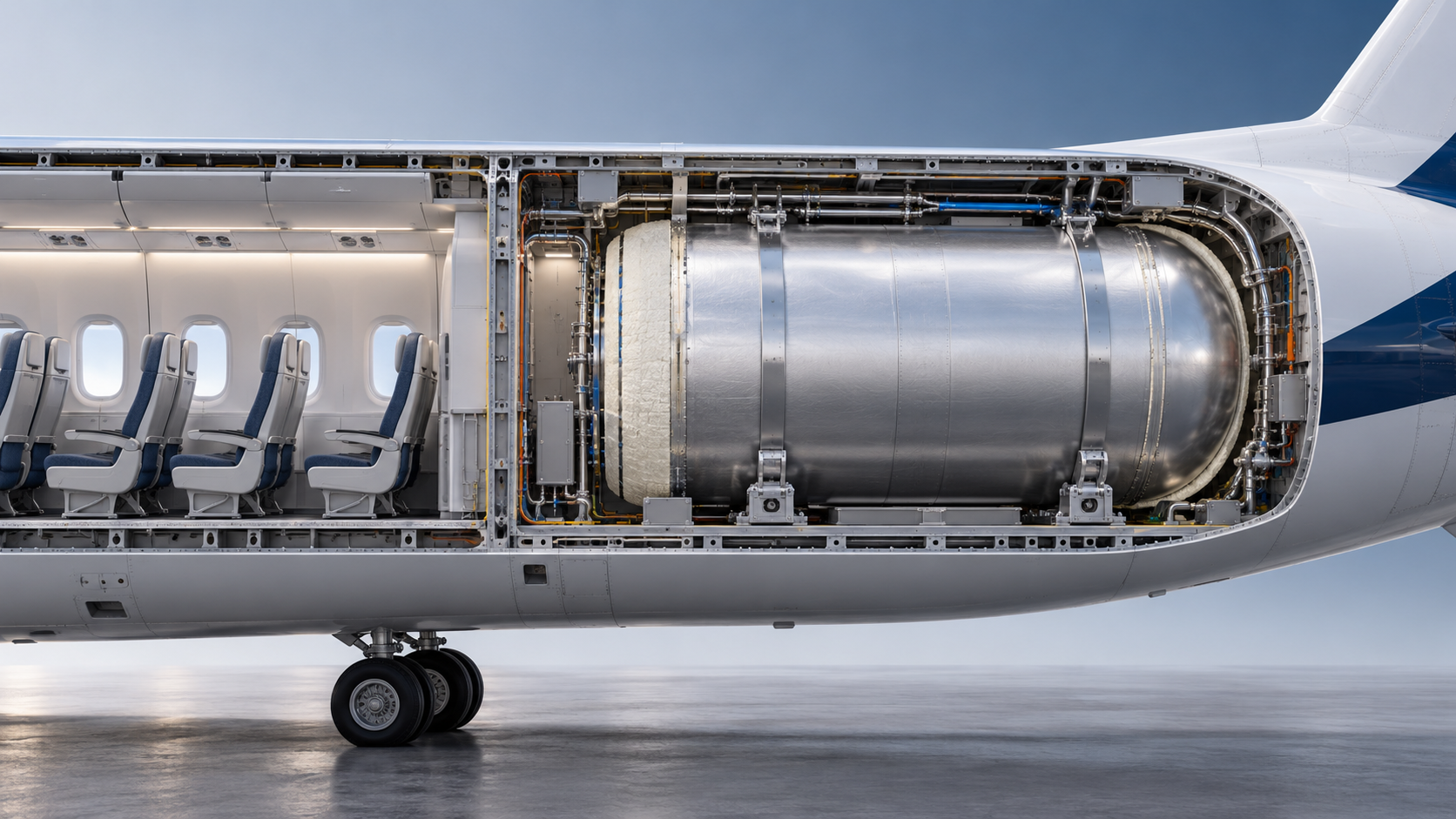
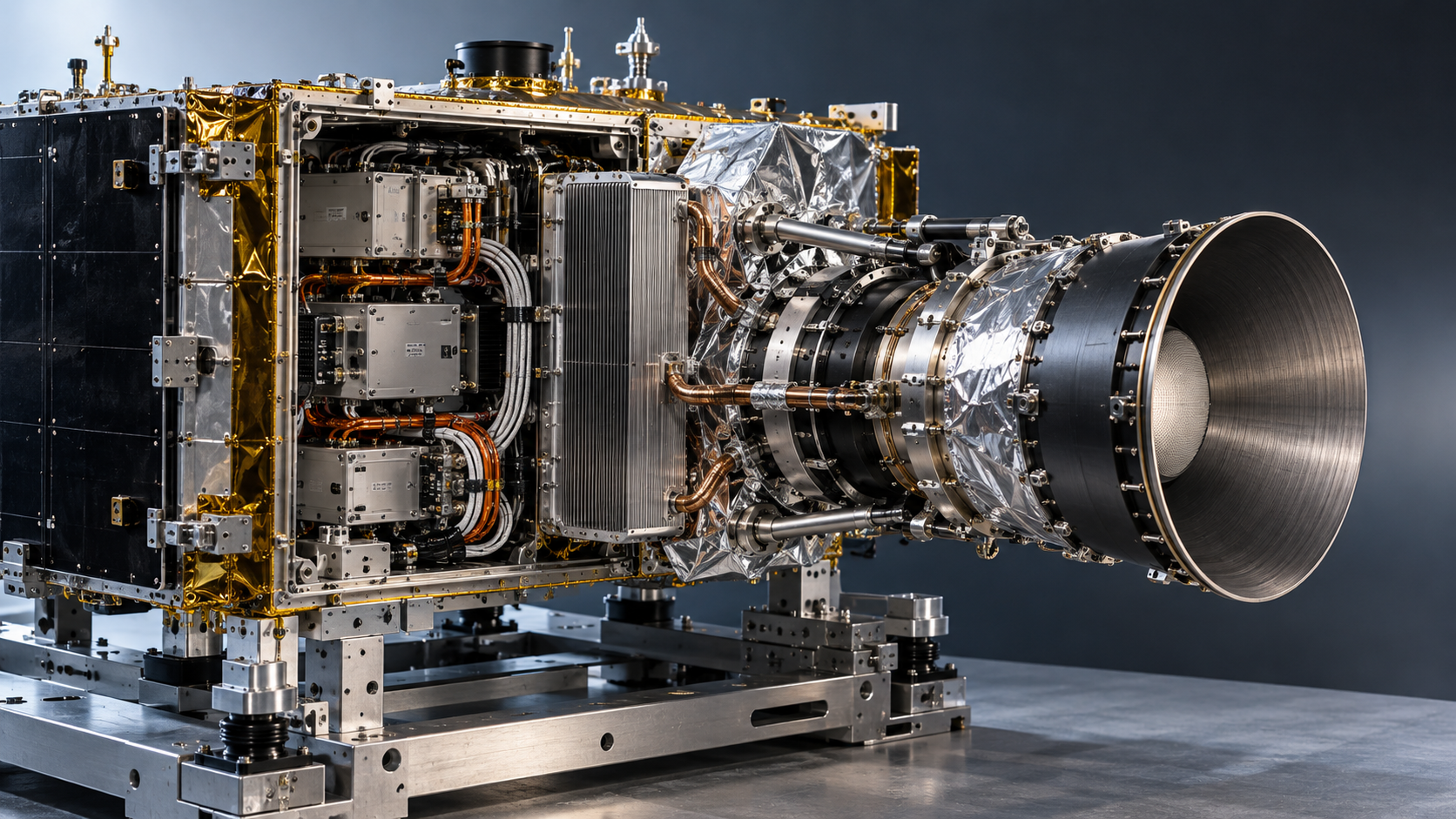
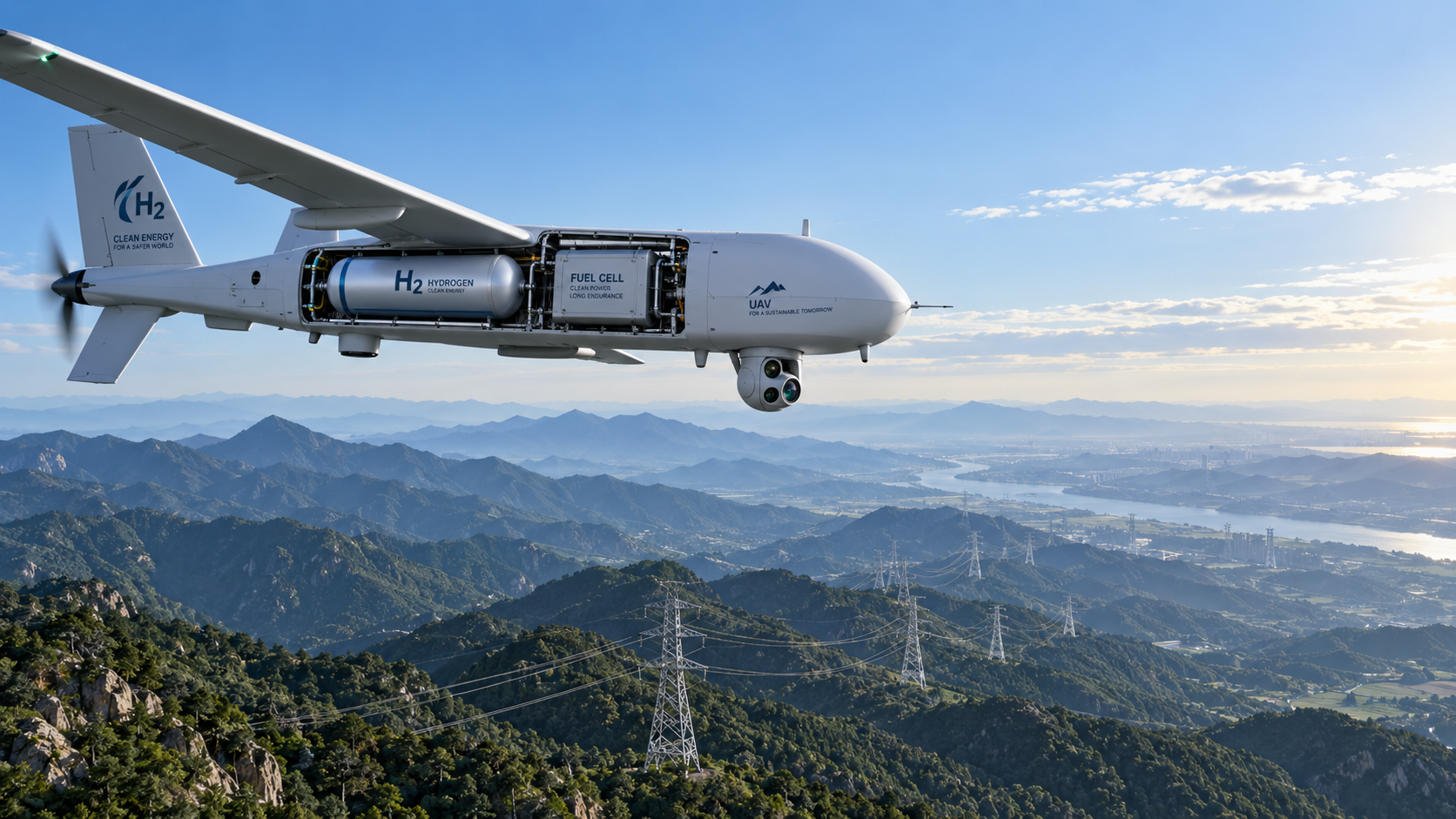
Hydrogen systems, hybrid-electric architectures, sustainable aviation fuel compatibility, and high-performance rocket engines demand new materials, thermal controls, and safety cases.
The manufacturing challenge is not only producing the propulsion unit. It is integrating tanks, power electronics, cryogenic interfaces, shielding, software, and inspection processes into a certifiable system.
Digital maturity separates efficient factories from expensive ones
Programs using fragmented engineering data still lose time in rework, manual interpretation, and version conflict. Aerospace manufacturing cost rises quickly when design, manufacturing, quality, and suppliers work from inconsistent digital threads.
By contrast, strong model-based workflows, closed-loop quality data, and simulation-backed planning can compress non-recurring effort and improve first-pass yield.
Where cost pressure appears first
The biggest cost increases rarely arrive as one visible event. They surface in specific program stages, often long before final assembly begins.
This is why a narrow purchase-price view misses the real picture. Aerospace manufacturing cost is heavily influenced by when a decision is made, not just what item is procured.
Different platforms, different cost logic
Cost drivers vary by platform, although several patterns repeat across the broader mobility sector.
Advanced commercial aviation
Composite structures, automation, and fuel-efficiency targets increase engineering complexity. Unit cost improves only when production learning curves are matched by stable certification and mature suppliers.
Space and satellite systems
Here, aerospace manufacturing cost is driven by extreme reliability, thermal requirements, and mission-specific customization. Small batch volumes make recurring efficiency harder to achieve.
Urban air mobility and eVTOL
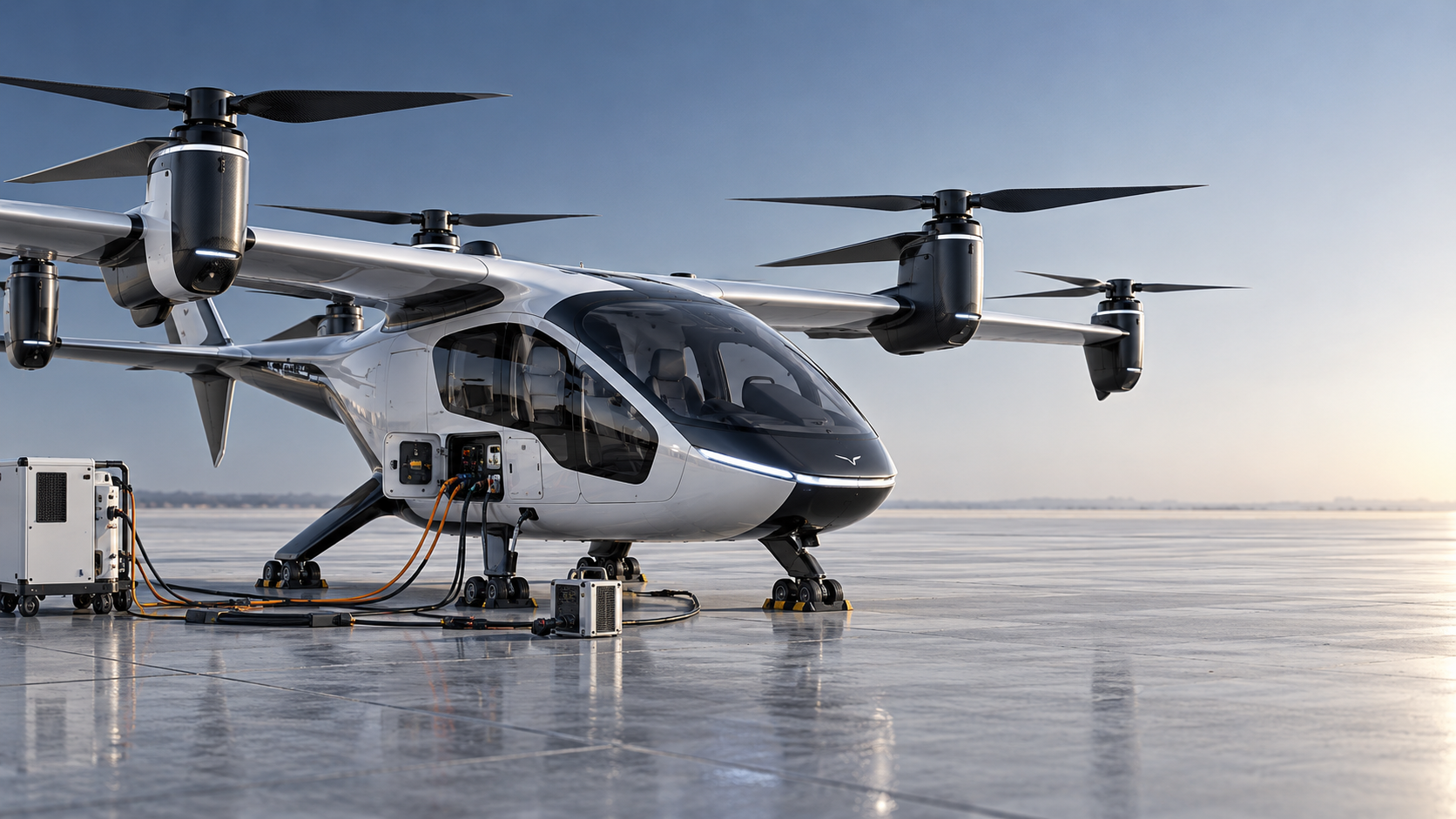
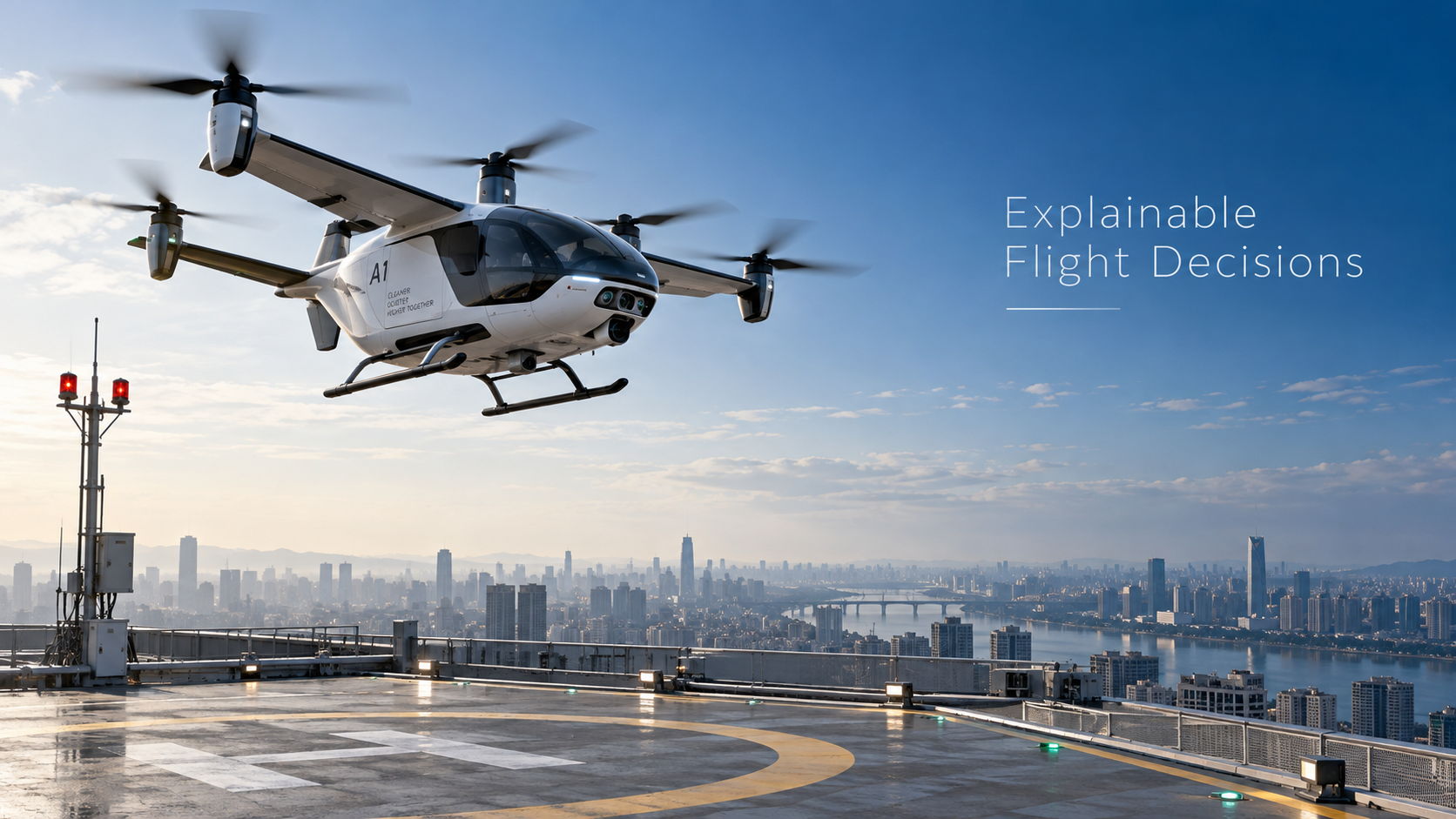
Battery systems, distributed propulsion, flight-control software, and noise constraints create a high-cost validation environment. Production plans often look leaner on paper than they do under regulatory scrutiny.
Extreme-environment logistics and adjacent transport systems
Programs operating in polar, offshore, defense-adjacent, or autonomous transport conditions face similar issues. Reliability, maintainability, and standards alignment raise front-end cost but reduce operational exposure later.
How to interpret cost without oversimplifying it
Aerospace manufacturing cost should be read as a system indicator. It reflects whether design ambition, industrial capability, compliance planning, and supplier reality are moving together.
A low early estimate may signal missing assumptions rather than efficiency. In many 2026 programs, underpriced complexity becomes visible only during test, qualification, or scale-up.
A more useful interpretation combines recurring and non-recurring cost, schedule risk, quality escape exposure, and post-certification change sensitivity. That creates a truer view of economic durability.
Practical signals worth tracking now
Several indicators help clarify whether a program’s cost profile is strengthening or drifting.
- Repeated design changes after tooling release
- Long qualification cycles for secondary suppliers
- High scrap or rework rates in composite or precision assemblies
- Poor traceability between engineering data and shop-floor instructions
- Software validation effort expanding faster than hardware cost
- Production plans assuming unrealistic automation maturity
These signals are especially relevant when comparing programs across the G-AIT landscape. Whether the platform is an airframe, a launch system, or a high-speed autonomous mobility asset, the same discipline applies: benchmark complexity before it turns into hidden cost.
A more useful framework for the next decision
The next step is not simply to reduce aerospace manufacturing cost at any point in the chain. It is to identify which costs preserve competitiveness and which costs signal preventable friction.
In practice, that means reviewing three areas together: certification readiness, supply-chain robustness, and digital production maturity. If one of them lags, the full program cost base becomes unstable.
It also helps to compare platform assumptions against external benchmarks. G-AIT-style reference models are useful here because they connect advanced engineering ambition with standards, industrial capability, and execution discipline.
For 2026 planning, the stronger question is not whether aerospace manufacturing cost is rising. It is where cost is creating future value, where it is masking risk, and where earlier intervention can still change the outcome.
That review usually starts with a clear cost map by program phase, a validation of supplier criticality, and a hard look at certification-linked assumptions. From there, investment decisions become easier to compare and defend.
Article Categories
SYSTEM_ALERT_URGENT
Q3 SYMPOSIUM ON ORBITAL DYNAMICS
Registration for the Orbital Aerospace technical committee is now open. Node access required.
Taglist:
- Urban Air Mobility
- eVTOL
- Cryogenic Propulsion
- Advanced Propulsion
- Extreme-Environment Logistics
- Space Systems
- Satellite Systems
- eVTOL Systems
- Advanced Commercial Aviation
- Sustainable aviation fuel
- Advanced transportation systems
- Aerospace manufacturing
- Power electronics
- Rocket engines
- Commercial aviation
- Advanced transportation
- Sustainable aviation
- aerospace manufacturing cost
Recent Articles
![]() Oct 27, 2026FAA Certifies Boeing 737 MAX 10 After Years of DelaysFAA Certifies Boeing 737 MAX 10 After Years of Delays
Oct 27, 2026FAA Certifies Boeing 737 MAX 10 After Years of DelaysFAA Certifies Boeing 737 MAX 10 After Years of Delays Oct 27, 2026Can an intermodal connectivity platform reduce rail handoff delays?Can an intermodal connectivity platform reduce rail handoff delays?
![]() Oct 26, 2026Chery Unveils Global Smart Mobility Strategy Targeting Robotaxis and eVTOLsChery Unveils Global Smart Mobility Strategy Targeting Robotaxis and eVTOLs
Oct 26, 2026Chery Unveils Global Smart Mobility Strategy Targeting Robotaxis and eVTOLsChery Unveils Global Smart Mobility Strategy Targeting Robotaxis and eVTOLs Oct 26, 2026How to evaluate avionics for helicopters used in IFR operationsHow to evaluate avionics for helicopters used in IFR operations
![]() Oct 25, 2026Ukraine’s Defence Minister Says SpaceX Satellite Services Restored After Speed RestrictionsUkraine’s Defence Minister Says SpaceX Satellite Services Restored After Speed Restrictions
Oct 25, 2026Ukraine’s Defence Minister Says SpaceX Satellite Services Restored After Speed RestrictionsUkraine’s Defence Minister Says SpaceX Satellite Services Restored After Speed Restrictions Oct 25, 2026How satellite infrastructure for IoT affects sensor reporting delaysHow satellite infrastructure for IoT affects sensor reporting delays
![]() Oct 24, 2026China Successfully Launches Yaogan 50-03 SatelliteChina Successfully Launches Yaogan 50-03 Satellite
Oct 24, 2026China Successfully Launches Yaogan 50-03 SatelliteChina Successfully Launches Yaogan 50-03 Satellite Oct 24, 2026How gradients affect traction power needs in high-speed rolling stockHow gradients affect traction power needs in high-speed rolling stock
![]() Oct 23, 2026FAA Proposes Checks on Nearly 2,000 Boeing 737NGs Over Loss-of-Control RiskFAA Proposes Checks on Nearly 2,000 Boeing 737NGs Over Loss-of-Control Risk
Oct 23, 2026FAA Proposes Checks on Nearly 2,000 Boeing 737NGs Over Loss-of-Control RiskFAA Proposes Checks on Nearly 2,000 Boeing 737NGs Over Loss-of-Control Risk Oct 23, 2026How fuel choice affects specific impulse in liquid oxygen propulsionHow fuel choice affects specific impulse in liquid oxygen propulsion
![]() Oct 22, 2026QuantumScape Plans 100 MWh Solid-State Battery Line Targeting Aerospace and Other MarketsQuantumScape Plans 100 MWh Solid-State Battery Line Targeting Aerospace and Other Markets
Oct 22, 2026QuantumScape Plans 100 MWh Solid-State Battery Line Targeting Aerospace and Other MarketsQuantumScape Plans 100 MWh Solid-State Battery Line Targeting Aerospace and Other Markets Oct 22, 2026How tank size limits hydrogen aircraft range on regional flightsHow tank size limits hydrogen aircraft range on regional flights
![]() Oct 21, 2026FAA Certifies Boeing 737-10, Clearing Regulatory Hurdle for DeliveriesFAA Certifies Boeing 737-10, Clearing Regulatory Hurdle for Deliveries
Oct 21, 2026FAA Certifies Boeing 737-10, Clearing Regulatory Hurdle for DeliveriesFAA Certifies Boeing 737-10, Clearing Regulatory Hurdle for Deliveries Oct 21, 2026How are electric vertical takeoff aircraft certified in the US?How are electric vertical takeoff aircraft certified in the US?
![]() Oct 20, 2026Ohio Department of Transportation Releases Three-Year Advanced Air Mobility Action PlanOhio Department of Transportation Releases Three-Year Advanced Air Mobility Action Plan
Oct 20, 2026Ohio Department of Transportation Releases Three-Year Advanced Air Mobility Action PlanOhio Department of Transportation Releases Three-Year Advanced Air Mobility Action Plan Oct 20, 2026How does magnetic flux density in tesla affect maglev lift force?How does magnetic flux density in tesla affect maglev lift force?
![]() Oct 19, 2026ZeroAvia Completes Key Ground Tests of ZA600 Hydrogen Fuel Cell PowertrainZeroAvia Completes Key Ground Tests of ZA600 Hydrogen Fuel Cell Powertrain
Oct 19, 2026ZeroAvia Completes Key Ground Tests of ZA600 Hydrogen Fuel Cell PowertrainZeroAvia Completes Key Ground Tests of ZA600 Hydrogen Fuel Cell Powertrain Oct 19, 2026How spacecraft integration affects advanced propulsion costsHow spacecraft integration affects advanced propulsion costs
 Oct 18, 2026How chilldown prevents cavitation in cryogenic engine systemsHow chilldown prevents cavitation in cryogenic engine systems
 Oct 17, 2026How explainability affects algorithmic trust in AI flight systemsHow explainability affects algorithmic trust in AI flight systems
 Oct 16, 2026How to evaluate transportation technology for Middle East heatHow to evaluate transportation technology for Middle East heat
 Oct 15, 2026How common-cause failures defeat redundancy logic in European avionicsHow common-cause failures defeat redundancy logic in European avionics
 Oct 14, 2026How DO-160 applies to aerospace technology testing for avionicsHow DO-160 applies to aerospace technology testing for avionics
 Oct 13, 2026How fuel price volatility shapes commercial aviation cost trendsHow fuel price volatility shapes commercial aviation cost trends
 Oct 12, 2026How to qualify aerospace manufacturing components for traceabilityHow to qualify aerospace manufacturing components for traceability
 Oct 11, 2026Which certification hurdles are slowing hydrogen aviation in Europe?Which certification hurdles are slowing hydrogen aviation in Europe?
 Oct 10, 2026What evidence should a magnetic gap stability supplier provide?What evidence should a magnetic gap stability supplier provide?
 Oct 09, 2026Which ISO standards matter when qualifying industrial technology suppliers?Which ISO standards matter when qualifying industrial technology suppliers?
 Oct 08, 2026When does reusability actually lower launch vehicle costs?When does reusability actually lower launch vehicle costs?
 Oct 07, 2026Where to find reliable product knowledge resources in the Middle EastWhere to find reliable product knowledge resources in the Middle East
 Oct 06, 2026What drives high-speed rail systems cost per kilometer?What drives high-speed rail systems cost per kilometer?
 Oct 05, 2026When does hydrogen propulsion for UAV extend mission range enough to justify it?When does hydrogen propulsion for UAV extend mission range enough to justify it?
 Oct 04, 2026How rail systems integration reduces commissioning delaysHow rail systems integration reduces commissioning delays
 Oct 03, 2026How to evaluate an advanced propulsion manufacturer for hydrogen systemsHow to evaluate an advanced propulsion manufacturer for hydrogen systems
 Oct 02, 2026How to qualify aircraft components for OEM production approvalHow to qualify aircraft components for OEM production approval