Electronics Intelligence Reports: 2026 Trends Shaping Safer Avionics
Lead Author
Published
Views:
Electronics Intelligence Reports are moving from optional research material to a core decision asset in avionics strategy for 2026.
That shift reflects a market where electronics density is rising, software-defined functions are expanding, and safety certification is becoming more intertwined with supply resilience.
For organizations operating across aviation, space, rail, and emerging mobility, the value of these reports is no longer limited to component tracking.
They now help connect engineering risk, regulatory timing, platform architecture, and long-term investment choices in a way that is directly relevant to safer avionics.
Why 2026 changes the role of avionics intelligence

The avionics environment is entering a new phase.
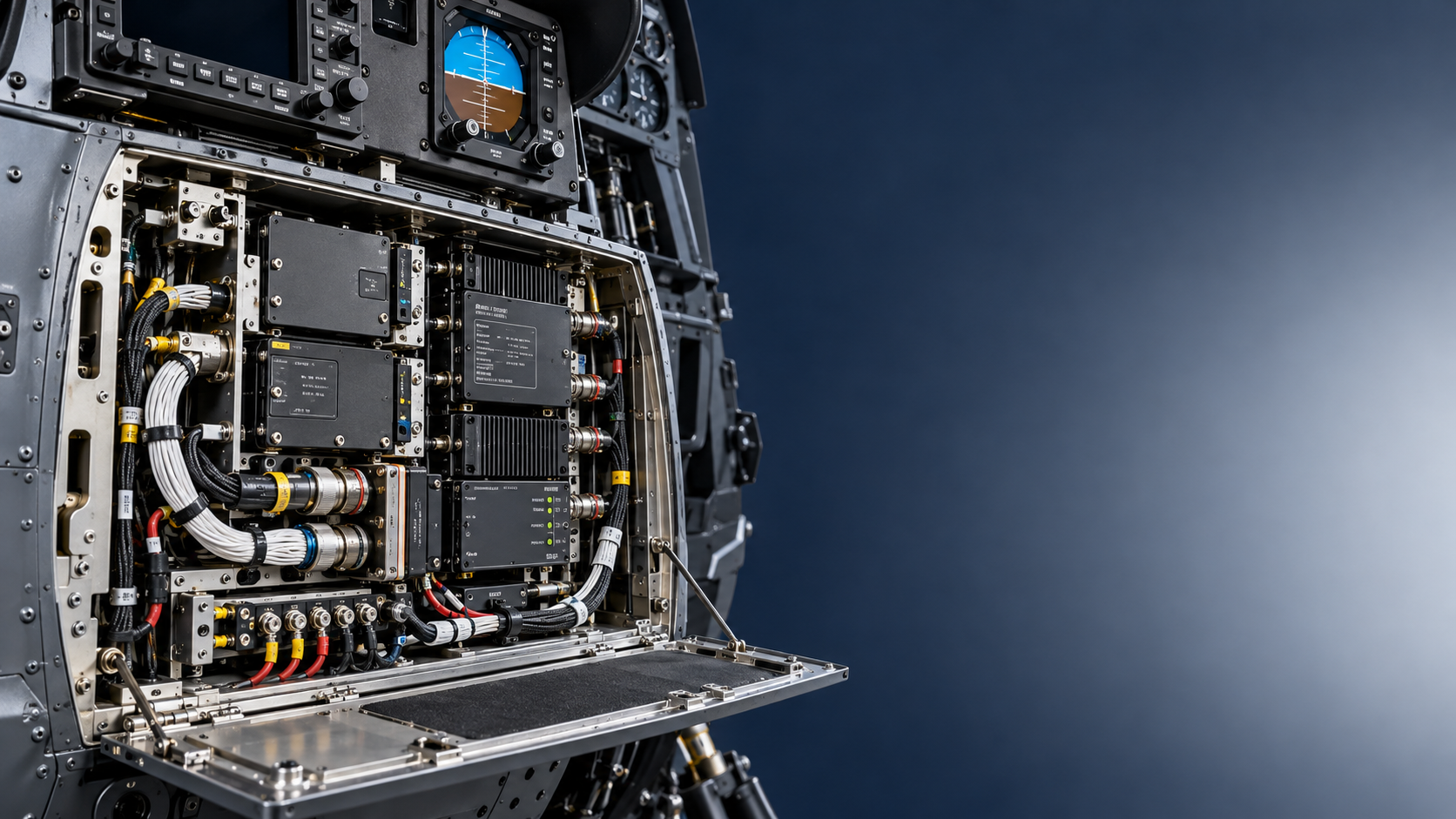
Aircraft electronics must support more autonomy, cleaner propulsion, tighter cybersecurity, and faster certification cycles without compromising reliability.
Electronics Intelligence Reports matter because they organize fragmented signals into a usable decision framework.
That includes semiconductor roadmaps, obsolescence risk, thermal constraints, board-level architecture trends, and the evolving interpretation of FAA and EASA expectations.
Within the broader G-AIT context, this is especially important.
Future mobility systems are no longer isolated by sector.
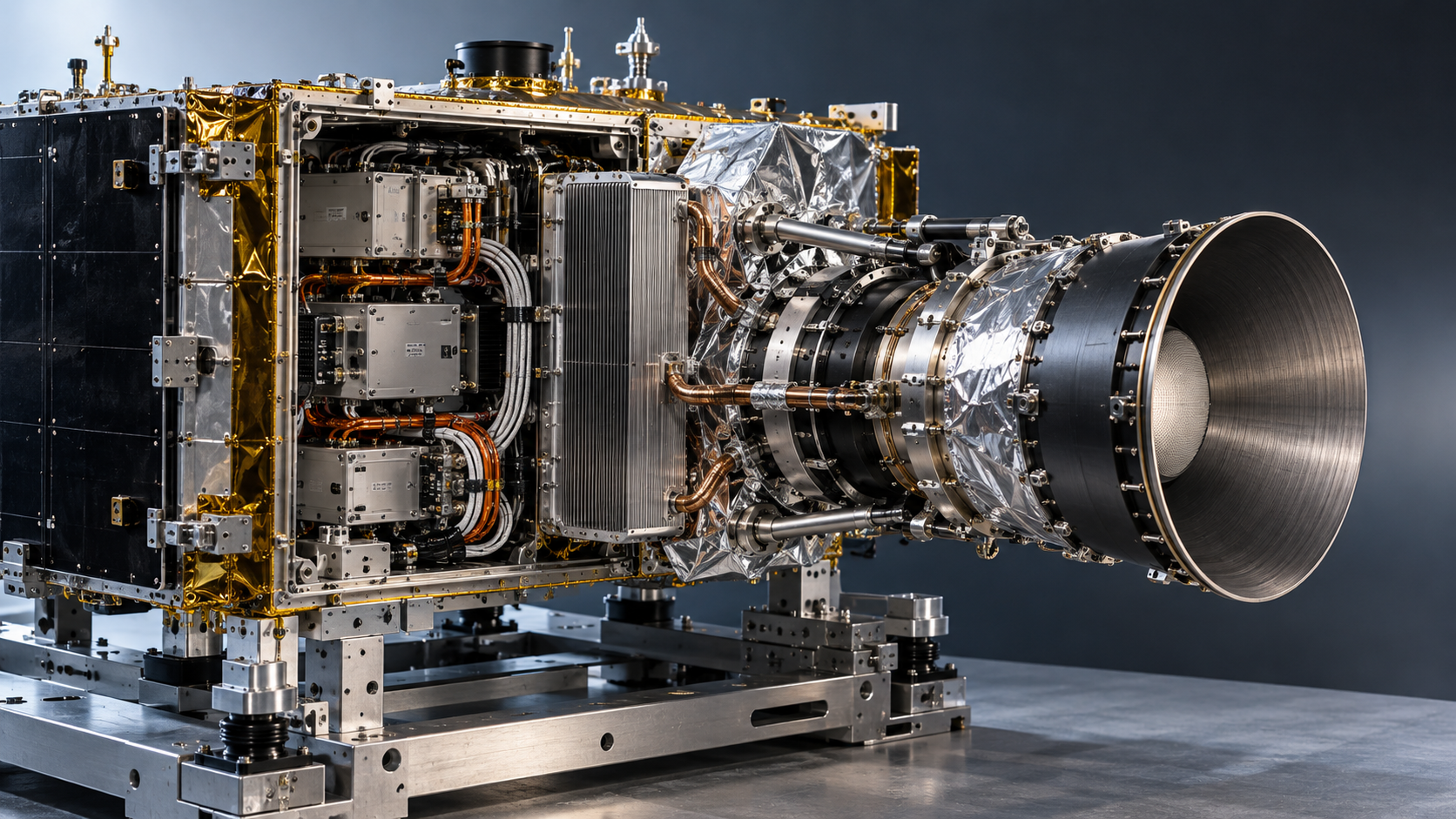
Lessons from satellite electronics hardening, maglev signaling integrity, and autonomous air-taxi control logic increasingly inform safer avionics design choices.
What Electronics Intelligence Reports actually cover
A strong report does more than list suppliers or market shares.
It explains how electronics decisions affect operational safety, certification readiness, maintenance exposure, and platform competitiveness.
In practice, Electronics Intelligence Reports often combine several layers of analysis:
- Component lifecycle visibility for processors, sensors, power modules, and communication interfaces.
- System-level risk mapping for flight control electronics, navigation, power distribution, and health monitoring.
- Compliance relevance tied to DO-254, DO-178C, ARP4754A, cybersecurity guidance, and environmental qualification standards.
- Cross-sector benchmarking that shows where adjacent industries solve similar reliability or redundancy challenges.
Simple reporting supports procurement.
Advanced reporting supports architecture and risk governance.
That distinction is becoming decisive as avionics systems rely on more interconnected electronics and software-driven functions.
The trends shaping safer avionics in 2026
Several trends are pushing Electronics Intelligence Reports into the center of aerospace planning.
1. Safety is now linked to supply chain transparency
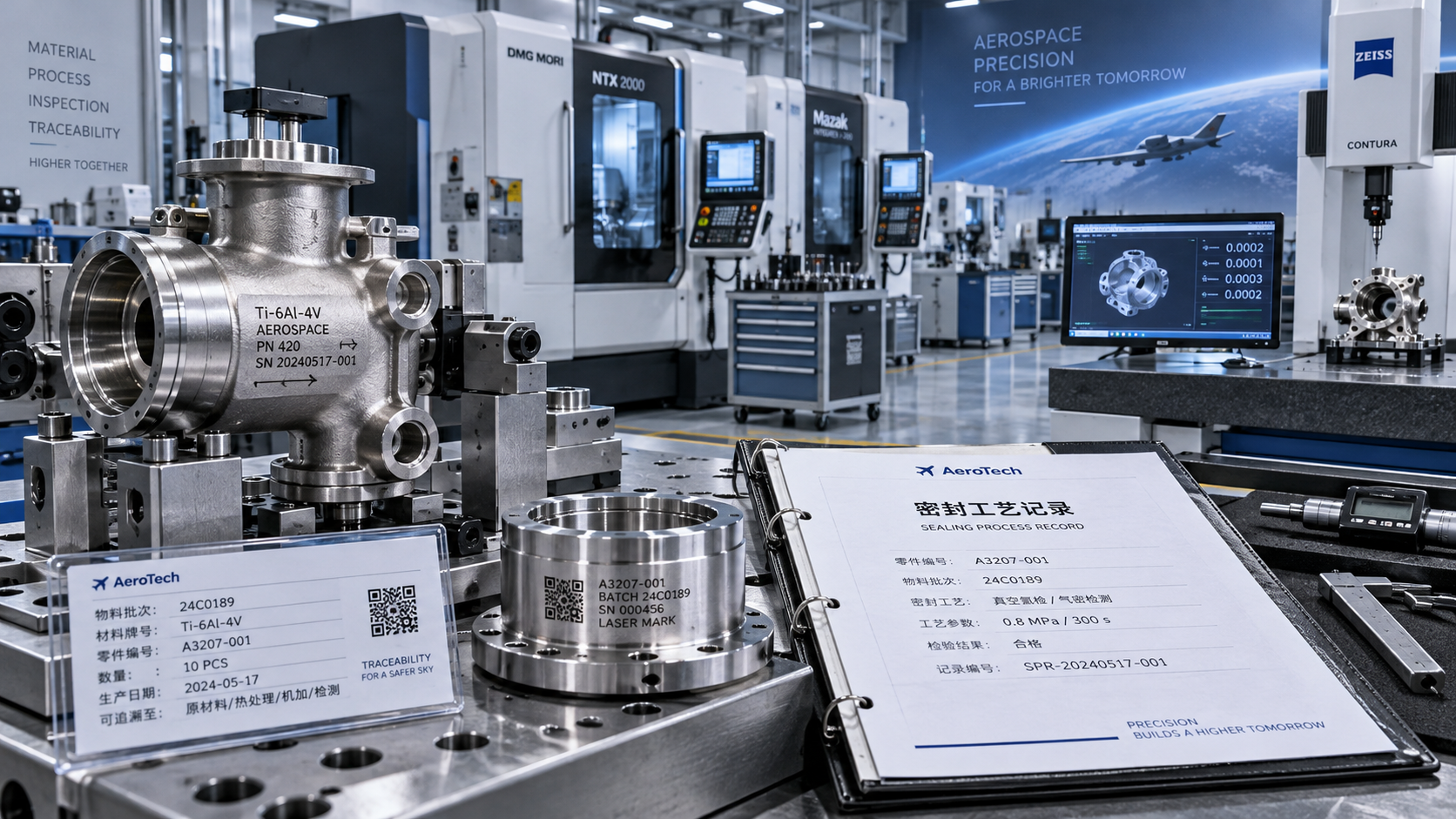
A safe design on paper can become a vulnerable program if critical electronics face shortage, redesign pressure, or undocumented substitutions.
Reports that track second-source feasibility, geopolitical concentration, and lead-time volatility help reduce avoidable certification delays.
2. More-electric and hybrid platforms raise electronics exposure
As propulsion and onboard power systems evolve, avionics must coexist with harsher electromagnetic and thermal conditions.
That makes intelligence on power electronics, shielding strategies, and fault isolation design more valuable than it was in legacy architectures.
3. Autonomy increases verification complexity
Advanced pilot assistance, automated navigation, and UAM flight control functions demand deeper evidence around electronics behavior under edge conditions.
Electronics Intelligence Reports help identify where sensing, processing, and redundancy assumptions may break under operational stress.
4. Cybersecurity is becoming inseparable from airworthiness
Interfaces once viewed as convenience features now affect mission assurance and safety cases.
The relevant reports increasingly assess trusted hardware, secure communication modules, and update pathways alongside conventional reliability metrics.
Where these reports create business value
The business case for Electronics Intelligence Reports is strongest when they are tied to concrete program decisions.
Used well, they reduce uncertainty before it becomes engineering rework or operational disruption.
This value extends beyond commercial aviation.
G-AIT’s multi-domain lens shows that electronics assurance in spacecraft, high-speed rail, and extreme-environment logistics often reveals transferable methods for avionics reliability.
How to read avionics intelligence without missing the signal
Not every report supports high-quality decisions.
The useful ones connect market insight with engineering consequences.
A practical review should focus on several questions.
- Does the report explain which electronics trends affect safety-critical functions, not just commercial demand?
- Does it distinguish between mature certified technologies and promising but approval-challenging options?
- Does it address lifecycle risk, including obsolescence, counterfeit exposure, and qualification repeatability?
- Does it compare findings against recognized standards and operational environments?
- Does it help translate technical findings into timing, capital, and governance implications?
This is where benchmark-driven intelligence stands out.
G-AIT’s positioning is relevant because future mobility programs are increasingly judged by both technical ambition and certification discipline.
A report that ignores either side is incomplete.
Typical scenarios where Electronics Intelligence Reports guide decisions
The strongest use cases appear when programs face complexity across time, regulation, and platform integration.
Next-generation aircraft development
Reports help evaluate whether advanced processors, distributed sensing, and digital backbone choices are compatible with long certification horizons.
Urban air mobility and eVTOL programs
Electronics Intelligence Reports support judgment on lightweight architectures, autonomy-related redundancy, and power management under strict safety expectations.
Fleet modernization
Legacy avionics upgrades often fail when hidden obsolescence or integration constraints emerge late.
Good intelligence reduces that risk before redesign work expands.
Cross-domain transportation innovation
Programs influenced by rail automation, satellite resilience, or extreme logistics can use comparative electronics intelligence to test new safety assumptions more rigorously.
What to prioritize next
Safer avionics in 2026 will depend less on isolated component excellence and more on how electronics choices align with certification, resilience, and lifecycle visibility.
That is why Electronics Intelligence Reports deserve closer attention at the strategy level, not only inside technical reviews.
A useful next step is to map critical avionics functions against electronics dependencies, standards exposure, and replacement risk.
From there, compare current assumptions with benchmarked intelligence across adjacent mobility sectors.
That approach creates a clearer basis for prioritizing redesign, supplier qualification, certification planning, and long-term platform resilience.
In a market defined by higher complexity and lower tolerance for failure, Electronics Intelligence Reports are becoming one of the most practical tools for shaping safer avionics with confidence.
Article Categories
SYSTEM_ALERT_URGENT
Q3 SYMPOSIUM ON ORBITAL DYNAMICS
Registration for the Orbital Aerospace technical committee is now open. Node access required.
Recent Articles
![]() Oct 27, 2026FAA Certifies Boeing 737 MAX 10 After Years of DelaysFAA Certifies Boeing 737 MAX 10 After Years of Delays
Oct 27, 2026FAA Certifies Boeing 737 MAX 10 After Years of DelaysFAA Certifies Boeing 737 MAX 10 After Years of Delays Oct 27, 2026Can an intermodal connectivity platform reduce rail handoff delays?Can an intermodal connectivity platform reduce rail handoff delays?
![]() Oct 26, 2026Chery Unveils Global Smart Mobility Strategy Targeting Robotaxis and eVTOLsChery Unveils Global Smart Mobility Strategy Targeting Robotaxis and eVTOLs
Oct 26, 2026Chery Unveils Global Smart Mobility Strategy Targeting Robotaxis and eVTOLsChery Unveils Global Smart Mobility Strategy Targeting Robotaxis and eVTOLs Oct 26, 2026How to evaluate avionics for helicopters used in IFR operationsHow to evaluate avionics for helicopters used in IFR operations
![]() Oct 25, 2026Ukraine’s Defence Minister Says SpaceX Satellite Services Restored After Speed RestrictionsUkraine’s Defence Minister Says SpaceX Satellite Services Restored After Speed Restrictions
Oct 25, 2026Ukraine’s Defence Minister Says SpaceX Satellite Services Restored After Speed RestrictionsUkraine’s Defence Minister Says SpaceX Satellite Services Restored After Speed Restrictions Oct 25, 2026How satellite infrastructure for IoT affects sensor reporting delaysHow satellite infrastructure for IoT affects sensor reporting delays
![]() Oct 24, 2026China Successfully Launches Yaogan 50-03 SatelliteChina Successfully Launches Yaogan 50-03 Satellite
Oct 24, 2026China Successfully Launches Yaogan 50-03 SatelliteChina Successfully Launches Yaogan 50-03 Satellite Oct 24, 2026How gradients affect traction power needs in high-speed rolling stockHow gradients affect traction power needs in high-speed rolling stock
![]() Oct 23, 2026FAA Proposes Checks on Nearly 2,000 Boeing 737NGs Over Loss-of-Control RiskFAA Proposes Checks on Nearly 2,000 Boeing 737NGs Over Loss-of-Control Risk
Oct 23, 2026FAA Proposes Checks on Nearly 2,000 Boeing 737NGs Over Loss-of-Control RiskFAA Proposes Checks on Nearly 2,000 Boeing 737NGs Over Loss-of-Control Risk Oct 23, 2026How fuel choice affects specific impulse in liquid oxygen propulsionHow fuel choice affects specific impulse in liquid oxygen propulsion
![]() Oct 22, 2026QuantumScape Plans 100 MWh Solid-State Battery Line Targeting Aerospace and Other MarketsQuantumScape Plans 100 MWh Solid-State Battery Line Targeting Aerospace and Other Markets
Oct 22, 2026QuantumScape Plans 100 MWh Solid-State Battery Line Targeting Aerospace and Other MarketsQuantumScape Plans 100 MWh Solid-State Battery Line Targeting Aerospace and Other Markets Oct 22, 2026How tank size limits hydrogen aircraft range on regional flightsHow tank size limits hydrogen aircraft range on regional flights
![]() Oct 21, 2026FAA Certifies Boeing 737-10, Clearing Regulatory Hurdle for DeliveriesFAA Certifies Boeing 737-10, Clearing Regulatory Hurdle for Deliveries
Oct 21, 2026FAA Certifies Boeing 737-10, Clearing Regulatory Hurdle for DeliveriesFAA Certifies Boeing 737-10, Clearing Regulatory Hurdle for Deliveries Oct 21, 2026How are electric vertical takeoff aircraft certified in the US?How are electric vertical takeoff aircraft certified in the US?
![]() Oct 20, 2026Ohio Department of Transportation Releases Three-Year Advanced Air Mobility Action PlanOhio Department of Transportation Releases Three-Year Advanced Air Mobility Action Plan
Oct 20, 2026Ohio Department of Transportation Releases Three-Year Advanced Air Mobility Action PlanOhio Department of Transportation Releases Three-Year Advanced Air Mobility Action Plan Oct 20, 2026How does magnetic flux density in tesla affect maglev lift force?How does magnetic flux density in tesla affect maglev lift force?
![]() Oct 19, 2026ZeroAvia Completes Key Ground Tests of ZA600 Hydrogen Fuel Cell PowertrainZeroAvia Completes Key Ground Tests of ZA600 Hydrogen Fuel Cell Powertrain
Oct 19, 2026ZeroAvia Completes Key Ground Tests of ZA600 Hydrogen Fuel Cell PowertrainZeroAvia Completes Key Ground Tests of ZA600 Hydrogen Fuel Cell Powertrain Oct 19, 2026How spacecraft integration affects advanced propulsion costsHow spacecraft integration affects advanced propulsion costs
 Oct 18, 2026How chilldown prevents cavitation in cryogenic engine systemsHow chilldown prevents cavitation in cryogenic engine systems
 Oct 17, 2026How explainability affects algorithmic trust in AI flight systemsHow explainability affects algorithmic trust in AI flight systems
 Oct 16, 2026How to evaluate transportation technology for Middle East heatHow to evaluate transportation technology for Middle East heat
 Oct 15, 2026How common-cause failures defeat redundancy logic in European avionicsHow common-cause failures defeat redundancy logic in European avionics
 Oct 14, 2026How DO-160 applies to aerospace technology testing for avionicsHow DO-160 applies to aerospace technology testing for avionics
 Oct 13, 2026How fuel price volatility shapes commercial aviation cost trendsHow fuel price volatility shapes commercial aviation cost trends
 Oct 12, 2026How to qualify aerospace manufacturing components for traceabilityHow to qualify aerospace manufacturing components for traceability
 Oct 11, 2026Which certification hurdles are slowing hydrogen aviation in Europe?Which certification hurdles are slowing hydrogen aviation in Europe?
 Oct 10, 2026What evidence should a magnetic gap stability supplier provide?What evidence should a magnetic gap stability supplier provide?
 Oct 09, 2026Which ISO standards matter when qualifying industrial technology suppliers?Which ISO standards matter when qualifying industrial technology suppliers?
 Oct 08, 2026When does reusability actually lower launch vehicle costs?When does reusability actually lower launch vehicle costs?
 Oct 07, 2026Where to find reliable product knowledge resources in the Middle EastWhere to find reliable product knowledge resources in the Middle East
 Oct 06, 2026What drives high-speed rail systems cost per kilometer?What drives high-speed rail systems cost per kilometer?
 Oct 05, 2026When does hydrogen propulsion for UAV extend mission range enough to justify it?When does hydrogen propulsion for UAV extend mission range enough to justify it?
 Oct 04, 2026How rail systems integration reduces commissioning delaysHow rail systems integration reduces commissioning delays
 Oct 03, 2026How to evaluate an advanced propulsion manufacturer for hydrogen systemsHow to evaluate an advanced propulsion manufacturer for hydrogen systems
 Oct 02, 2026How to qualify aircraft components for OEM production approvalHow to qualify aircraft components for OEM production approval