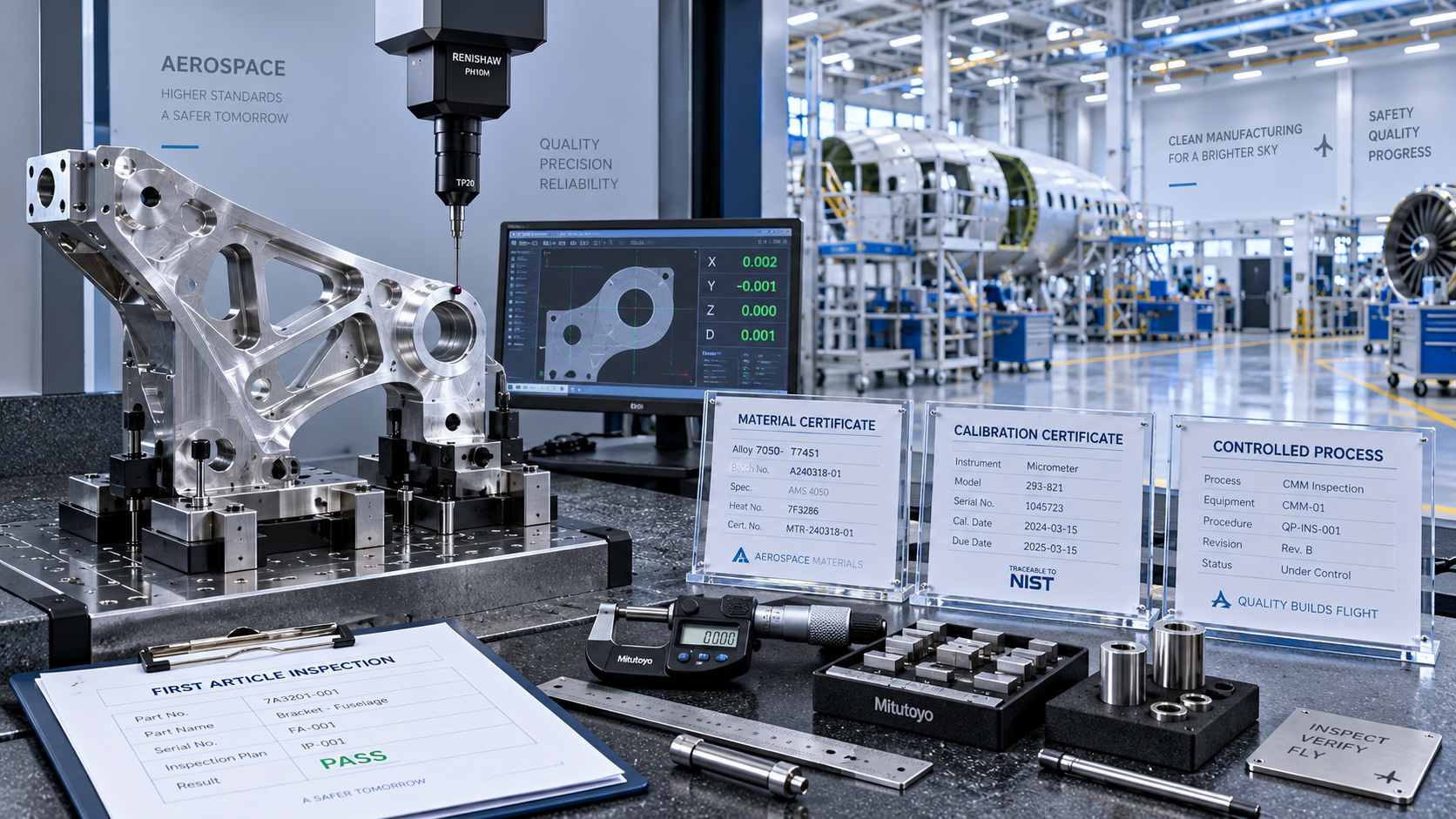
Removable-Lid IBCs: Leak and Handling Risks
Lead Author
Published
Views:
For quality control and safety teams, intermediate bulk containers with removable lids can simplify inspection, filling, and cleaning.
Yet removable lids also introduce leak paths and handling variables that fixed-lid systems may avoid.
In aerospace, advanced transportation, and other high-reliability supply chains, minor containment failures can compromise critical fluids, hazardous inputs, or certified production materials.
This article examines gasket integrity, closure force, forklift movement, stacking stress, and compliance checks for stronger containment assurance.
Removable-Lid IBCs: Leak and Handling Risks in High-Reliability Operations
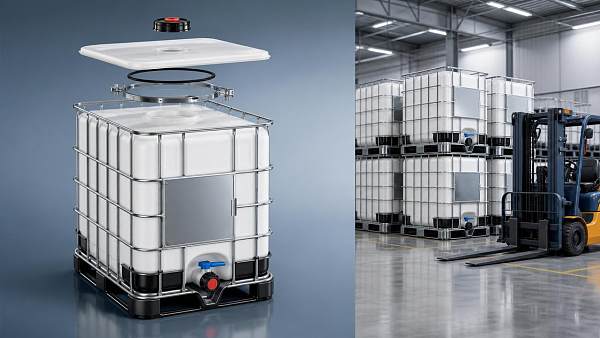
Intermediate bulk containers with removable lids are often selected when access matters as much as containment.
They support visual inspection, residue removal, batch verification, and rapid changeover across industrial fluid and granular material workflows.
However, every removable interface becomes a control point.
The lid, gasket, clamp ring, vent, discharge valve, pallet base, and cage must work as one system.
In G-AIT benchmark environments, containment reliability is not only a packaging issue.
It influences traceability, safety qualification, environmental exposure, and downstream process stability.
Scenario Background: Why Use Cases Change the Risk Profile
The same IBC design can behave differently across receiving, storage, internal transfer, transport, and cleaning scenarios.
A container that passes a static leak check may still fail after vibration, thermal cycling, or uneven stacking.
Intermediate bulk containers with removable lids require scenario-based controls because closure performance depends on repeated human and mechanical actions.
A lid tightened after filling may loosen during road vibration.
A gasket compressed under load may recover poorly after cleaning or chemical exposure.
Risk judgment should therefore consider material compatibility, movement frequency, fill temperature, operator access, and regulatory classification.
Scenario 1: Hazardous Material Storage Requires Closure Discipline
Hazardous liquids place strict demands on leak prevention, labeling, secondary containment, and emergency response readiness.
For these applications, intermediate bulk containers with removable lids should not be evaluated by capacity alone.
Key judgment points include gasket material, lid seating uniformity, clamp engagement, vent integrity, and documented closure procedure.
Chemical compatibility must be confirmed against both the stored material and cleaning agent.
Swelling, embrittlement, or compression set can create delayed leakage even when initial sealing appears acceptable.
Scenario 2: Sensitive Production Fluids Need Contamination Control
Aerospace composites, specialty coatings, battery slurries, and rail signaling materials may be sensitive to moisture or particulate contamination.
In these workflows, removable lids offer inspection access but increase exposure during filling and sampling.
Intermediate bulk containers with removable lids should be paired with controlled opening procedures and verified cleanliness standards.
The core question is not only whether the container leaks outward.
It is also whether outside air, dust, condensate, or incompatible residues can enter the product stream.
For high-value inputs, tamper evidence and batch-specific inspection records strengthen process assurance.
Scenario 3: Internal Plant Handling Changes the Failure Mode
Many leaks occur during ordinary handling rather than long-distance transport.
Forklift acceleration, sudden braking, pallet misalignment, and uneven floor transitions can distort the cage or stress the lid seal.
Intermediate bulk containers with removable lids should be assessed with real movement routes, not only supplier specifications.
Risk increases when containers are partially filled.
Liquid surge can transfer dynamic force to sidewalls, valves, vents, and closure assemblies.
Defined forklift pocket engagement, speed limits, and turning rules reduce avoidable stress.
Scenario 4: Stacking and Warehouse Storage Create Hidden Stress
Stacking decisions can turn a compliant container into a risk source.
Top load, floor flatness, pallet condition, and cage deformation all affect lid compression and valve alignment.
Intermediate bulk containers with removable lids need clear stacking limits based on filled weight, temperature, and storage duration.
Thermal expansion can raise internal pressure, especially under solar exposure or warm production zones.
Vents may relieve pressure, but they also require maintenance and protection from clogging.
Warehouse layouts should include inspection aisles, spill containment access, and quarantine space for suspect containers.
Scenario 5: Cleaning and Reuse Demand Evidence, Not Assumptions
Removable lids are attractive for cleaning because technicians can access internal surfaces more directly.
This advantage becomes risky when cleaning residues, damaged gaskets, or mismatched replacement parts are overlooked.
Intermediate bulk containers with removable lids should follow defined reuse criteria after each wash or maintenance cycle.
Important checks include gasket compression recovery, valve function, lid thread condition, clamp ring wear, and liner compatibility.
Where sensitive fluids are involved, visual cleanliness is insufficient.
Residue testing, drying verification, and lot-level documentation support stronger release decisions.
Demand Differences by Application Scenario
Practical Fit Guidance for Removable-Lid IBC Selection
Selection should begin with the actual containment mission.
Capacity, price, and availability are secondary when leakage can interrupt certified production or hazardous material compliance.
- Choose fixed-lid systems when access is rare and leak minimization dominates.
- Choose removable-lid systems when inspection, cleaning, or manual loading is essential.
- Verify gasket chemistry against contents, wash media, and expected temperature range.
- Specify closure method, torque target, clamp sequence, or tamper-evident requirement.
- Test filled containers under realistic handling, vibration, and storage conditions.
- Maintain inspection records for lids, valves, vents, pallets, cages, and replacement parts.
Intermediate bulk containers with removable lids perform best when container design and operating discipline are treated as one system.
Common Misjudgments That Increase Leak Probability
Assuming a New Gasket Guarantees Sealing
A new gasket can still fail if installed twisted, contaminated, over-compressed, or incompatible with the stored medium.
Treating Closure Force as Operator Preference
Uncontrolled tightening creates inconsistent compression and uneven lid seating.
A repeatable closure standard reduces variation between shifts and sites.
Ignoring Partial-Fill Movement
Partially filled containers can generate strong slosh loads during turning, stopping, or lifting.
That movement can stress lids and valves more than a full static load.
Overlooking Vent and Valve Interaction
Pressure changes can redirect leakage to the weakest point.
Vent maintenance and valve cap integrity should be checked together.
Compliance and Benchmarking Considerations
Regulated operations should align container use with applicable UN packaging, ISO, environmental, and transport requirements.
For aerospace and advanced transportation programs, internal standards may exceed minimum legal obligations.
Intermediate bulk containers with removable lids should be incorporated into supplier quality, nonconformance, and incident investigation systems.
Benchmarking should compare not only container specifications, but also cleaning processes, inspection evidence, and handling discipline.
This approach supports safer logistics for propulsion chemicals, specialty lubricants, coating systems, and high-value process additives.
Action Path: Strengthen Containment Before Incidents Occur
A practical improvement program can begin with a focused containment audit.
- Map every use scenario, from receiving to empty return.
- Identify contents with high leakage, contamination, or compliance consequences.
- Inspect lid assemblies, gaskets, valves, vents, cages, and pallets.
- Validate closure practices with defined tools and records.
- Simulate handling routes, stacking conditions, and temperature exposure.
- Update training, quarantine rules, and post-cleaning release criteria.
Intermediate bulk containers with removable lids can support efficient operations when their risks are actively managed.
The strongest programs connect scenario judgment, technical verification, and daily handling behavior.
For high-reliability mobility supply chains, that connection protects materials, people, certification schedules, and operational continuity.
Article Categories
SYSTEM_ALERT_URGENT
Q3 SYMPOSIUM ON ORBITAL DYNAMICS
Registration for the Orbital Aerospace technical committee is now open. Node access required.
Taglist:
Recent Articles
![]() Oct 27, 2026FAA Certifies Boeing 737 MAX 10 After Years of DelaysFAA Certifies Boeing 737 MAX 10 After Years of Delays
Oct 27, 2026FAA Certifies Boeing 737 MAX 10 After Years of DelaysFAA Certifies Boeing 737 MAX 10 After Years of Delays Oct 27, 2026Can an intermodal connectivity platform reduce rail handoff delays?Can an intermodal connectivity platform reduce rail handoff delays?
![]() Oct 26, 2026Chery Unveils Global Smart Mobility Strategy Targeting Robotaxis and eVTOLsChery Unveils Global Smart Mobility Strategy Targeting Robotaxis and eVTOLs
Oct 26, 2026Chery Unveils Global Smart Mobility Strategy Targeting Robotaxis and eVTOLsChery Unveils Global Smart Mobility Strategy Targeting Robotaxis and eVTOLs Oct 26, 2026How to evaluate avionics for helicopters used in IFR operationsHow to evaluate avionics for helicopters used in IFR operations
![]() Oct 25, 2026Ukraine’s Defence Minister Says SpaceX Satellite Services Restored After Speed RestrictionsUkraine’s Defence Minister Says SpaceX Satellite Services Restored After Speed Restrictions
Oct 25, 2026Ukraine’s Defence Minister Says SpaceX Satellite Services Restored After Speed RestrictionsUkraine’s Defence Minister Says SpaceX Satellite Services Restored After Speed Restrictions Oct 25, 2026How satellite infrastructure for IoT affects sensor reporting delaysHow satellite infrastructure for IoT affects sensor reporting delays
![]() Oct 24, 2026China Successfully Launches Yaogan 50-03 SatelliteChina Successfully Launches Yaogan 50-03 Satellite
Oct 24, 2026China Successfully Launches Yaogan 50-03 SatelliteChina Successfully Launches Yaogan 50-03 Satellite Oct 24, 2026How gradients affect traction power needs in high-speed rolling stockHow gradients affect traction power needs in high-speed rolling stock
![]() Oct 23, 2026FAA Proposes Checks on Nearly 2,000 Boeing 737NGs Over Loss-of-Control RiskFAA Proposes Checks on Nearly 2,000 Boeing 737NGs Over Loss-of-Control Risk
Oct 23, 2026FAA Proposes Checks on Nearly 2,000 Boeing 737NGs Over Loss-of-Control RiskFAA Proposes Checks on Nearly 2,000 Boeing 737NGs Over Loss-of-Control Risk Oct 23, 2026How fuel choice affects specific impulse in liquid oxygen propulsionHow fuel choice affects specific impulse in liquid oxygen propulsion
![]() Oct 22, 2026QuantumScape Plans 100 MWh Solid-State Battery Line Targeting Aerospace and Other MarketsQuantumScape Plans 100 MWh Solid-State Battery Line Targeting Aerospace and Other Markets
Oct 22, 2026QuantumScape Plans 100 MWh Solid-State Battery Line Targeting Aerospace and Other MarketsQuantumScape Plans 100 MWh Solid-State Battery Line Targeting Aerospace and Other Markets Oct 22, 2026How tank size limits hydrogen aircraft range on regional flightsHow tank size limits hydrogen aircraft range on regional flights
![]() Oct 21, 2026FAA Certifies Boeing 737-10, Clearing Regulatory Hurdle for DeliveriesFAA Certifies Boeing 737-10, Clearing Regulatory Hurdle for Deliveries
Oct 21, 2026FAA Certifies Boeing 737-10, Clearing Regulatory Hurdle for DeliveriesFAA Certifies Boeing 737-10, Clearing Regulatory Hurdle for Deliveries Oct 21, 2026How are electric vertical takeoff aircraft certified in the US?How are electric vertical takeoff aircraft certified in the US?
![]() Oct 20, 2026Ohio Department of Transportation Releases Three-Year Advanced Air Mobility Action PlanOhio Department of Transportation Releases Three-Year Advanced Air Mobility Action Plan
Oct 20, 2026Ohio Department of Transportation Releases Three-Year Advanced Air Mobility Action PlanOhio Department of Transportation Releases Three-Year Advanced Air Mobility Action Plan Oct 20, 2026How does magnetic flux density in tesla affect maglev lift force?How does magnetic flux density in tesla affect maglev lift force?
![]() Oct 19, 2026ZeroAvia Completes Key Ground Tests of ZA600 Hydrogen Fuel Cell PowertrainZeroAvia Completes Key Ground Tests of ZA600 Hydrogen Fuel Cell Powertrain
Oct 19, 2026ZeroAvia Completes Key Ground Tests of ZA600 Hydrogen Fuel Cell PowertrainZeroAvia Completes Key Ground Tests of ZA600 Hydrogen Fuel Cell Powertrain Oct 19, 2026How spacecraft integration affects advanced propulsion costsHow spacecraft integration affects advanced propulsion costs
 Oct 18, 2026How chilldown prevents cavitation in cryogenic engine systemsHow chilldown prevents cavitation in cryogenic engine systems
 Oct 17, 2026How explainability affects algorithmic trust in AI flight systemsHow explainability affects algorithmic trust in AI flight systems
 Oct 16, 2026How to evaluate transportation technology for Middle East heatHow to evaluate transportation technology for Middle East heat
 Oct 15, 2026How common-cause failures defeat redundancy logic in European avionicsHow common-cause failures defeat redundancy logic in European avionics
 Oct 14, 2026How DO-160 applies to aerospace technology testing for avionicsHow DO-160 applies to aerospace technology testing for avionics
 Oct 13, 2026How fuel price volatility shapes commercial aviation cost trendsHow fuel price volatility shapes commercial aviation cost trends
 Oct 12, 2026How to qualify aerospace manufacturing components for traceabilityHow to qualify aerospace manufacturing components for traceability
 Oct 11, 2026Which certification hurdles are slowing hydrogen aviation in Europe?Which certification hurdles are slowing hydrogen aviation in Europe?
 Oct 10, 2026What evidence should a magnetic gap stability supplier provide?What evidence should a magnetic gap stability supplier provide?
 Oct 09, 2026Which ISO standards matter when qualifying industrial technology suppliers?Which ISO standards matter when qualifying industrial technology suppliers?
 Oct 08, 2026When does reusability actually lower launch vehicle costs?When does reusability actually lower launch vehicle costs?
 Oct 07, 2026Where to find reliable product knowledge resources in the Middle EastWhere to find reliable product knowledge resources in the Middle East
 Oct 06, 2026What drives high-speed rail systems cost per kilometer?What drives high-speed rail systems cost per kilometer?
 Oct 05, 2026When does hydrogen propulsion for UAV extend mission range enough to justify it?When does hydrogen propulsion for UAV extend mission range enough to justify it?
 Oct 04, 2026How rail systems integration reduces commissioning delaysHow rail systems integration reduces commissioning delays
 Oct 03, 2026How to evaluate an advanced propulsion manufacturer for hydrogen systemsHow to evaluate an advanced propulsion manufacturer for hydrogen systems
 Oct 02, 2026How to qualify aircraft components for OEM production approvalHow to qualify aircraft components for OEM production approval