Electronics Analytics Use Cases That Reduce Yield Loss
Lead Author
Published
Views:
Why Electronics Analytics Matters in High-Reliability Manufacturing
In aerospace and advanced transportation, yield loss rarely starts as a dramatic event.
It often begins with a slight drift in solder quality, test variation, or component behavior.
That is exactly where Electronics Analytics creates value.
Instead of waiting for escapes, teams can identify weak signals earlier and act with confidence.
For complex systems, that means fewer surprises during validation, audit, and field deployment.
Electronics Analytics combines inspection data, test results, traceability records, and process history.
The goal is simple: find the drivers of loss before defects multiply across high-value assemblies.
This matters even more in avionics, propulsion controls, rail signaling, battery systems, and autonomous platforms.
In these environments, a small electronics issue can trigger rework, scrap, downtime, or certification delays.
The practical question is not whether to use Electronics Analytics.
The real question is where it reduces yield loss fastest and supports safer decisions.
Use Case 1: Detecting Process Drift Before Defects Spread
One of the strongest Electronics Analytics use cases is early drift detection.
Surface mount processes can look stable while yields quietly decline over several shifts.
A printer setting, oven zone, or feeder issue may stay below alarm thresholds.
Still, the combined pattern shows up in Analytics long before final test fallout spikes.
For example, Electronics Analytics can correlate solder paste volume, SPI warnings, AOI calls, and ICT retests.
That cross-stage view reveals whether a problem comes from materials, machine setup, or operator intervention.
This is especially useful when building safety-critical control boards with tight tolerance requirements.
Instead of reacting to scrap, teams can schedule targeted maintenance and parameter checks.
That reduces yield loss without slowing the whole line.
- Track first-pass yield by product, shift, and machine.
- Link inspection trends to lot, feeder, and stencil history.
- Set drift alerts before failure thresholds are reached.
- Use daily review loops to confirm root cause quickly.
Use Case 2: Finding Hidden Defect Patterns Across Test Stages
Another common challenge is fragmented data.
A unit may pass optical inspection, fail functional test, then pass after rework.
Without Electronics Analytics, that sequence looks like an isolated event.
With Electronics Analytics, repeated sequences become visible across thousands of assemblies.
This matters for high-mix production where defect signatures are harder to spot manually.
Teams can uncover recurring opens, intermittent shorts, thermal stress sensitivity, or calibration instability.
More importantly, they can see which defects are true noise and which indicate systemic risk.
That improves decision-making around containment, concession, and requalification.
In actual operations, this often prevents repeat failures from moving downstream into final integration.
For expensive subsystems, avoiding one escaped pattern can save far more than a month of reporting work.
Practical pattern signals to monitor
- Repeat failures after the same rework action.
- Defects clustered by supplier lot or date code.
- Pass results with abnormal retest frequency.
- Functional failures tied to environmental screening exposure.
- Boards with multiple minor warnings before one major failure.
Use Case 3: Strengthening Traceability for Compliance and Safety Reviews
Traceability is no longer just a recordkeeping exercise.
In regulated manufacturing, it is a decision tool.
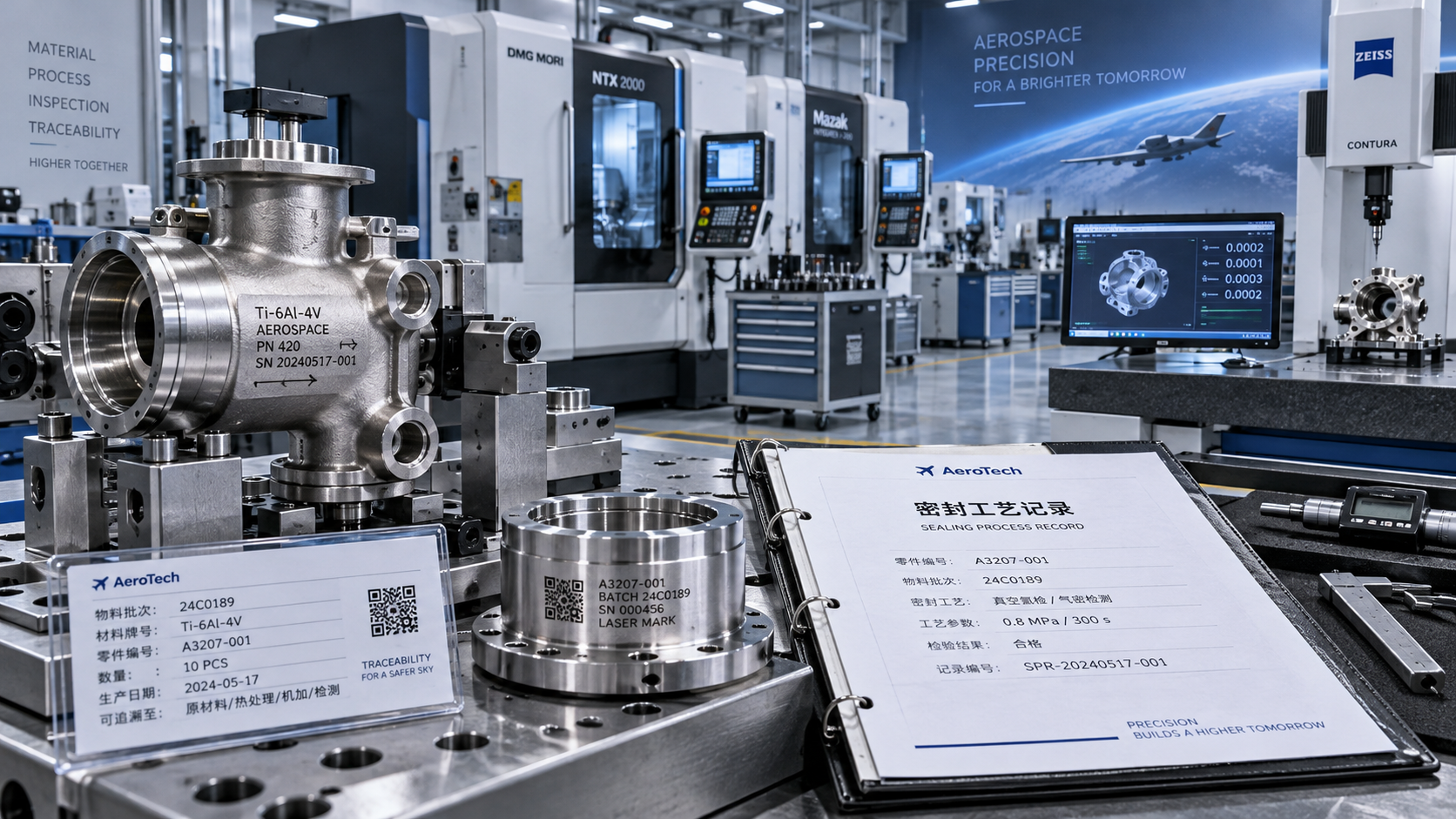
Electronics Analytics helps connect serial numbers, test records, repair actions, component genealogy, and operator history.
That connection becomes critical during audits, field investigations, and change control reviews.
If a rail control module shows abnormal behavior, teams need fast evidence, not scattered spreadsheets.
Electronics Analytics shortens the path from suspicion to verified scope.
It can identify which lots share the same material source, station condition, or software configuration.
That means containment actions become more precise and less disruptive.
This is also where Electronics Analytics supports standards-driven environments such as FAA, EASA, UIC, and ISO frameworks.
The value is not only compliance readiness.
It is faster risk judgment when safety and schedule pressure collide.
Use Case 4: Improving Supplier Quality and Incoming Material Control
Yield loss is not always created inside the plant.
Sometimes the first signal starts with incoming components that technically meet specification.
Yet their performance spread creates instability during assembly or burn-in.
Electronics Analytics helps compare suppliers beyond simple acceptance rates.
It reveals how specific lots influence defects, retest time, rework intensity, and field reliability risk.
That creates a stronger basis for supplier reviews and corrective action requests.
In advanced mobility programs, this can be decisive for sensors, connectors, power devices, and embedded controllers.
A supplier may appear acceptable in isolation but unstable in a mission-critical design context.
Electronics Analytics makes that difference visible.
- Rank suppliers by downstream defect impact, not only incoming rejects.
- Compare lot behavior under temperature, vibration, or stress screening.
- Use evidence-based scorecards during quarterly quality reviews.
- Tighten controls for high-risk part families first.
Use Case 5: Reducing Rework Loops and False Passes
Rework is often treated as a normal cost of doing business.
But repeated rework can hide both yield loss and safety exposure.
A unit that eventually passes may still carry latent risk.
Electronics Analytics helps separate healthy recovery from risky repetition.
By mapping defect codes, repair actions, and retest outcomes, teams can spot ineffective fixes.
This is especially important for boards used in flight controls, braking systems, power conversion, and signaling logic.
A false pass in these applications can become a field event later.
Electronics Analytics also highlights stations or technicians linked to unusual recovery patterns.
That makes training, work instruction updates, and fixture validation far more targeted.
Warning signs worth escalating
- Three or more retests before a final pass.
- High pass rates after manual touch-up on the same design area.
- Recurring failures after environmental or vibration exposure.
- Large variation between parallel test stations.
How to Implement Electronics Analytics Without Slowing Production
The best Electronics Analytics programs do not begin with a giant data project.
They start with one loss point that hurts quality, cost, or schedule today.
That could be solder escapes, unstable functional tests, supplier-related fallout, or excessive rework.
From there, connect the minimum useful data sources and review one clear metric weekly.
As confidence grows, expand into traceability, predictive thresholds, and risk-based containment logic.
In practice, success usually depends on discipline more than software complexity.
A Smarter Path to Lower Yield Loss
Electronics Analytics is most valuable when it turns scattered production signals into practical decisions.
The gains are not limited to better dashboards.
The real gains are fewer escapes, stronger traceability, lower rework, and more stable output.
For organizations building advanced mobility systems, that combination directly supports reliability and compliance.
More importantly, it supports safer operations in environments where electronics failure is never a small issue.
A practical next step is to choose one chronic yield problem and map every data point around it.
Once that pattern becomes visible, Electronics Analytics starts paying back quickly and repeatedly.
Article Categories
SYSTEM_ALERT_URGENT
Q3 SYMPOSIUM ON ORBITAL DYNAMICS
Registration for the Orbital Aerospace technical committee is now open. Node access required.
Taglist:
Recent Articles
![]() Oct 27, 2026FAA Certifies Boeing 737 MAX 10 After Years of DelaysFAA Certifies Boeing 737 MAX 10 After Years of Delays
Oct 27, 2026FAA Certifies Boeing 737 MAX 10 After Years of DelaysFAA Certifies Boeing 737 MAX 10 After Years of Delays Oct 27, 2026Can an intermodal connectivity platform reduce rail handoff delays?Can an intermodal connectivity platform reduce rail handoff delays?
![]() Oct 26, 2026Chery Unveils Global Smart Mobility Strategy Targeting Robotaxis and eVTOLsChery Unveils Global Smart Mobility Strategy Targeting Robotaxis and eVTOLs
Oct 26, 2026Chery Unveils Global Smart Mobility Strategy Targeting Robotaxis and eVTOLsChery Unveils Global Smart Mobility Strategy Targeting Robotaxis and eVTOLs Oct 26, 2026How to evaluate avionics for helicopters used in IFR operationsHow to evaluate avionics for helicopters used in IFR operations
![]() Oct 25, 2026Ukraine’s Defence Minister Says SpaceX Satellite Services Restored After Speed RestrictionsUkraine’s Defence Minister Says SpaceX Satellite Services Restored After Speed Restrictions
Oct 25, 2026Ukraine’s Defence Minister Says SpaceX Satellite Services Restored After Speed RestrictionsUkraine’s Defence Minister Says SpaceX Satellite Services Restored After Speed Restrictions Oct 25, 2026How satellite infrastructure for IoT affects sensor reporting delaysHow satellite infrastructure for IoT affects sensor reporting delays
![]() Oct 24, 2026China Successfully Launches Yaogan 50-03 SatelliteChina Successfully Launches Yaogan 50-03 Satellite
Oct 24, 2026China Successfully Launches Yaogan 50-03 SatelliteChina Successfully Launches Yaogan 50-03 Satellite Oct 24, 2026How gradients affect traction power needs in high-speed rolling stockHow gradients affect traction power needs in high-speed rolling stock
![]() Oct 23, 2026FAA Proposes Checks on Nearly 2,000 Boeing 737NGs Over Loss-of-Control RiskFAA Proposes Checks on Nearly 2,000 Boeing 737NGs Over Loss-of-Control Risk
Oct 23, 2026FAA Proposes Checks on Nearly 2,000 Boeing 737NGs Over Loss-of-Control RiskFAA Proposes Checks on Nearly 2,000 Boeing 737NGs Over Loss-of-Control Risk Oct 23, 2026How fuel choice affects specific impulse in liquid oxygen propulsionHow fuel choice affects specific impulse in liquid oxygen propulsion
![]() Oct 22, 2026QuantumScape Plans 100 MWh Solid-State Battery Line Targeting Aerospace and Other MarketsQuantumScape Plans 100 MWh Solid-State Battery Line Targeting Aerospace and Other Markets
Oct 22, 2026QuantumScape Plans 100 MWh Solid-State Battery Line Targeting Aerospace and Other MarketsQuantumScape Plans 100 MWh Solid-State Battery Line Targeting Aerospace and Other Markets Oct 22, 2026How tank size limits hydrogen aircraft range on regional flightsHow tank size limits hydrogen aircraft range on regional flights
![]() Oct 21, 2026FAA Certifies Boeing 737-10, Clearing Regulatory Hurdle for DeliveriesFAA Certifies Boeing 737-10, Clearing Regulatory Hurdle for Deliveries
Oct 21, 2026FAA Certifies Boeing 737-10, Clearing Regulatory Hurdle for DeliveriesFAA Certifies Boeing 737-10, Clearing Regulatory Hurdle for Deliveries Oct 21, 2026How are electric vertical takeoff aircraft certified in the US?How are electric vertical takeoff aircraft certified in the US?
![]() Oct 20, 2026Ohio Department of Transportation Releases Three-Year Advanced Air Mobility Action PlanOhio Department of Transportation Releases Three-Year Advanced Air Mobility Action Plan
Oct 20, 2026Ohio Department of Transportation Releases Three-Year Advanced Air Mobility Action PlanOhio Department of Transportation Releases Three-Year Advanced Air Mobility Action Plan Oct 20, 2026How does magnetic flux density in tesla affect maglev lift force?How does magnetic flux density in tesla affect maglev lift force?
![]() Oct 19, 2026ZeroAvia Completes Key Ground Tests of ZA600 Hydrogen Fuel Cell PowertrainZeroAvia Completes Key Ground Tests of ZA600 Hydrogen Fuel Cell Powertrain
Oct 19, 2026ZeroAvia Completes Key Ground Tests of ZA600 Hydrogen Fuel Cell PowertrainZeroAvia Completes Key Ground Tests of ZA600 Hydrogen Fuel Cell Powertrain Oct 19, 2026How spacecraft integration affects advanced propulsion costsHow spacecraft integration affects advanced propulsion costs
 Oct 18, 2026How chilldown prevents cavitation in cryogenic engine systemsHow chilldown prevents cavitation in cryogenic engine systems
 Oct 17, 2026How explainability affects algorithmic trust in AI flight systemsHow explainability affects algorithmic trust in AI flight systems
 Oct 16, 2026How to evaluate transportation technology for Middle East heatHow to evaluate transportation technology for Middle East heat
 Oct 15, 2026How common-cause failures defeat redundancy logic in European avionicsHow common-cause failures defeat redundancy logic in European avionics
 Oct 14, 2026How DO-160 applies to aerospace technology testing for avionicsHow DO-160 applies to aerospace technology testing for avionics
 Oct 13, 2026How fuel price volatility shapes commercial aviation cost trendsHow fuel price volatility shapes commercial aviation cost trends
 Oct 12, 2026How to qualify aerospace manufacturing components for traceabilityHow to qualify aerospace manufacturing components for traceability
 Oct 11, 2026Which certification hurdles are slowing hydrogen aviation in Europe?Which certification hurdles are slowing hydrogen aviation in Europe?
 Oct 10, 2026What evidence should a magnetic gap stability supplier provide?What evidence should a magnetic gap stability supplier provide?
 Oct 09, 2026Which ISO standards matter when qualifying industrial technology suppliers?Which ISO standards matter when qualifying industrial technology suppliers?
 Oct 08, 2026When does reusability actually lower launch vehicle costs?When does reusability actually lower launch vehicle costs?
 Oct 07, 2026Where to find reliable product knowledge resources in the Middle EastWhere to find reliable product knowledge resources in the Middle East
 Oct 06, 2026What drives high-speed rail systems cost per kilometer?What drives high-speed rail systems cost per kilometer?
 Oct 05, 2026When does hydrogen propulsion for UAV extend mission range enough to justify it?When does hydrogen propulsion for UAV extend mission range enough to justify it?
 Oct 04, 2026How rail systems integration reduces commissioning delaysHow rail systems integration reduces commissioning delays
 Oct 03, 2026How to evaluate an advanced propulsion manufacturer for hydrogen systemsHow to evaluate an advanced propulsion manufacturer for hydrogen systems
 Oct 02, 2026How to qualify aircraft components for OEM production approvalHow to qualify aircraft components for OEM production approval