Aerospace Engineering R&D Facilities: What to Audit First
Lead Author
Published
Views:
In Aerospace Engineering R&D facilities, first audit priorities shape whether innovation survives certification, scales safely, and performs under mission stress. The most important review point is rarely a single machine or lab. It is the chain connecting design intent, testing discipline, compliance evidence, and operational risk control across the facility.
For organizations working across aviation, space systems, high-speed mobility, and advanced transportation, Aerospace Engineering R&D facilities now face tighter scrutiny. New propulsion architectures, autonomous controls, digital engineering workflows, and zero-emission platforms increase technical ambition. They also multiply failure points if audit scope starts too late or too narrowly.
That is why early audit focus matters. In complex Aerospace Engineering R&D facilities, weak configuration control, poor test traceability, or fragmented safety governance can undermine otherwise brilliant engineering. Strong audits begin where technical credibility and certification readiness are most exposed.
Why Aerospace Engineering R&D facilities are being audited differently now
The audit environment has shifted. Aerospace Engineering R&D facilities are no longer judged only by laboratory capability or equipment investment. They are judged by whether evidence can prove repeatability, compliance alignment, and safe decision-making across a faster innovation cycle.
Several trend signals explain this change. Certification timelines are tightening. Digital twins influence physical testing. Supply chains are more distributed. Software now drives more safety-critical behavior. Sustainability targets are introducing unfamiliar materials, power systems, and thermal risks.
In this context, Aerospace Engineering R&D facilities must demonstrate that every experiment, model, and prototype can withstand technical review beyond the lab. Audit teams increasingly look for maturity in systems engineering, quality records, environmental controls, and failure learning loops.
The first audit priorities usually reveal the deepest operational risk
The first question should be simple: where could invalid evidence enter the engineering lifecycle? In Aerospace Engineering R&D facilities, that answer often points to four critical zones before any broader site review begins.
1. Design control and configuration discipline
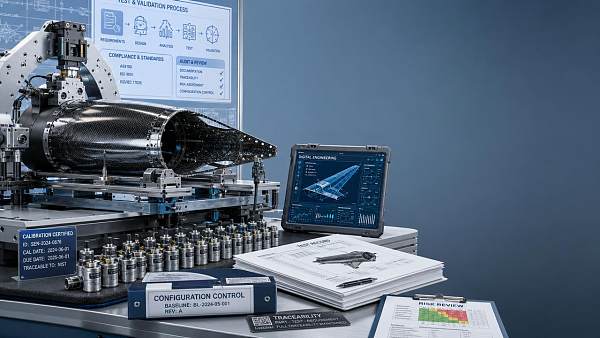
Audit whether requirements, revisions, models, and prototype builds match each other. If version control is weak, test data may support the wrong design baseline. That can distort safety claims, cost forecasts, and certification submissions.
2. Test integrity and environmental validity
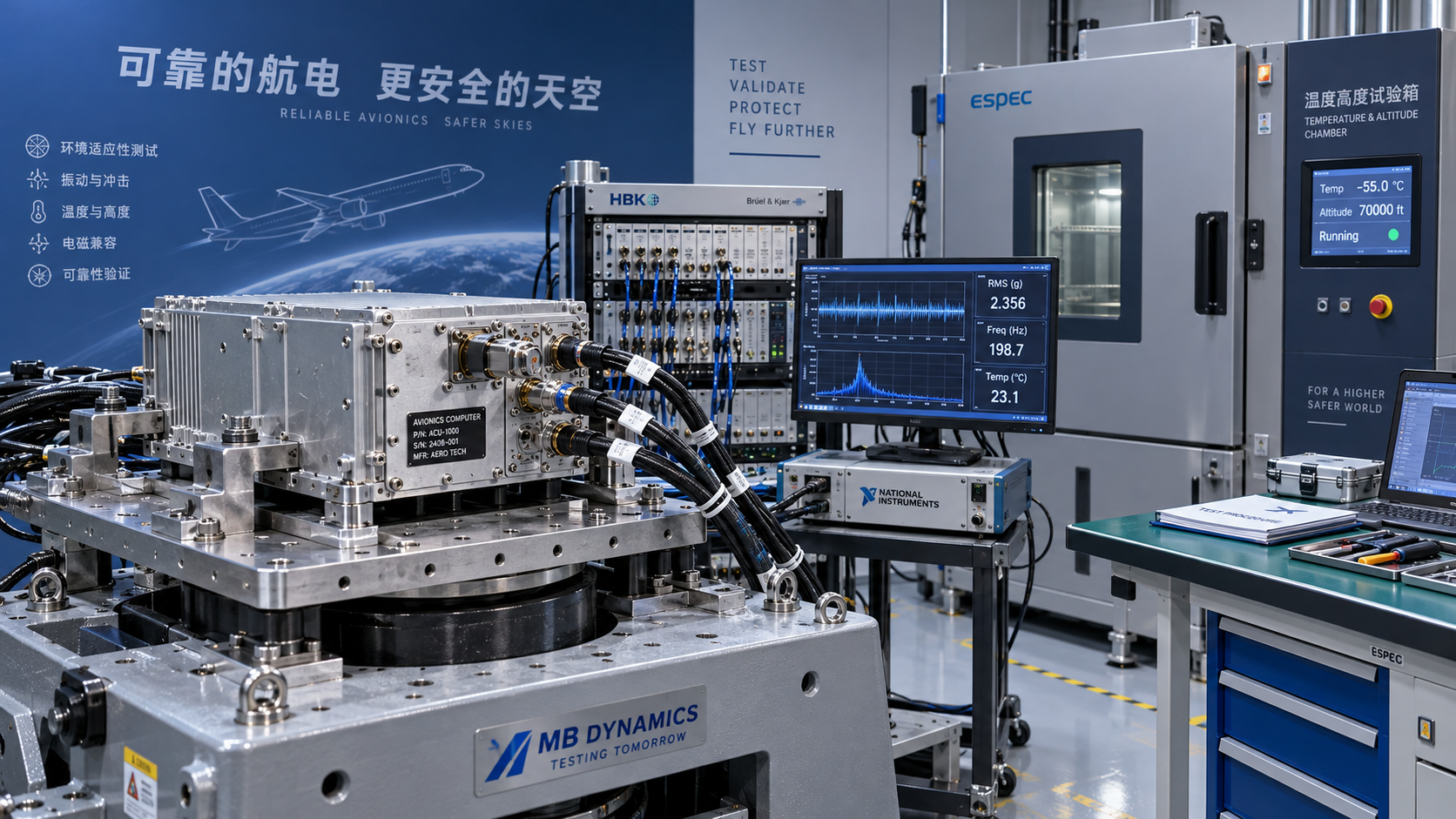
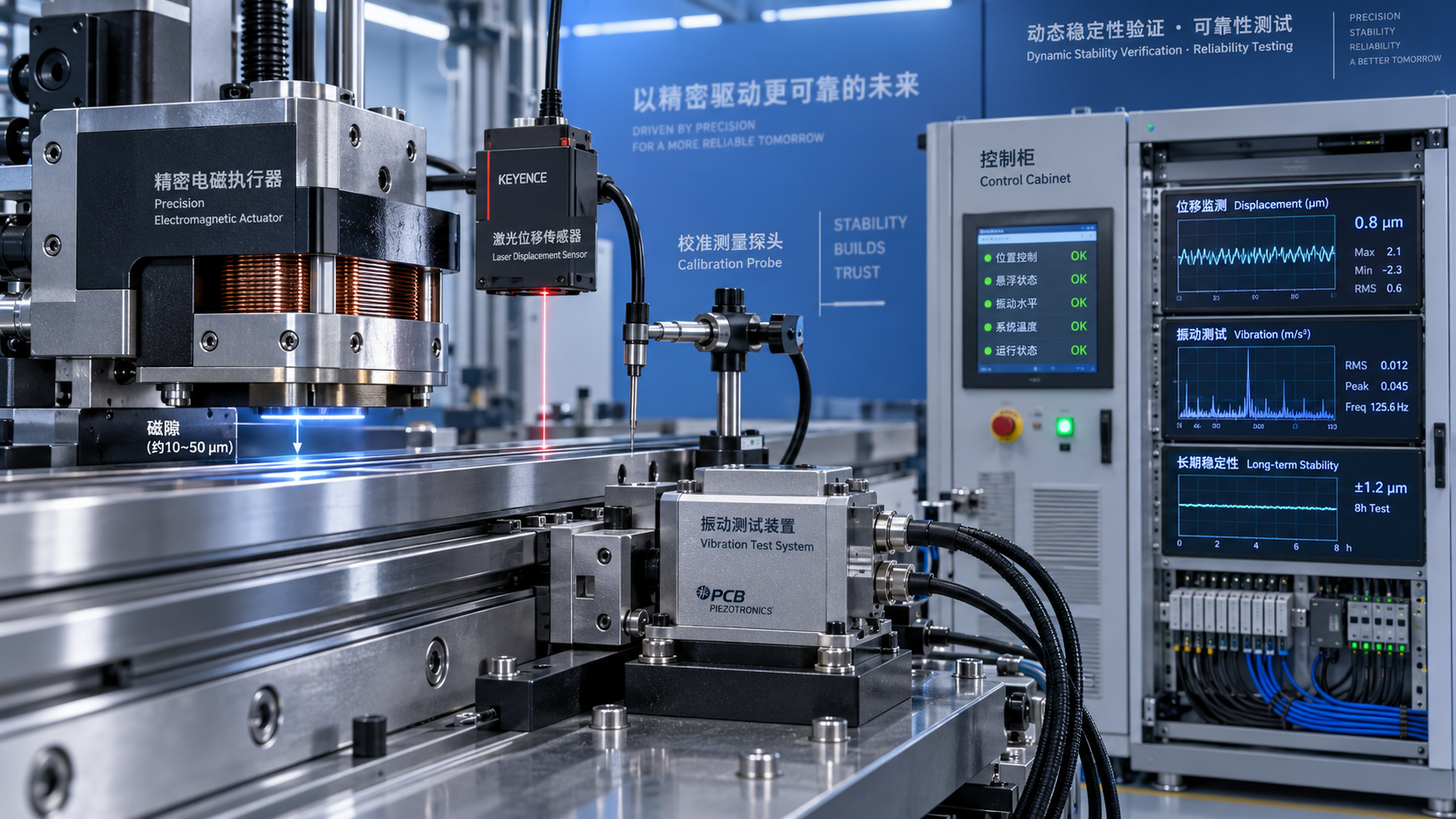
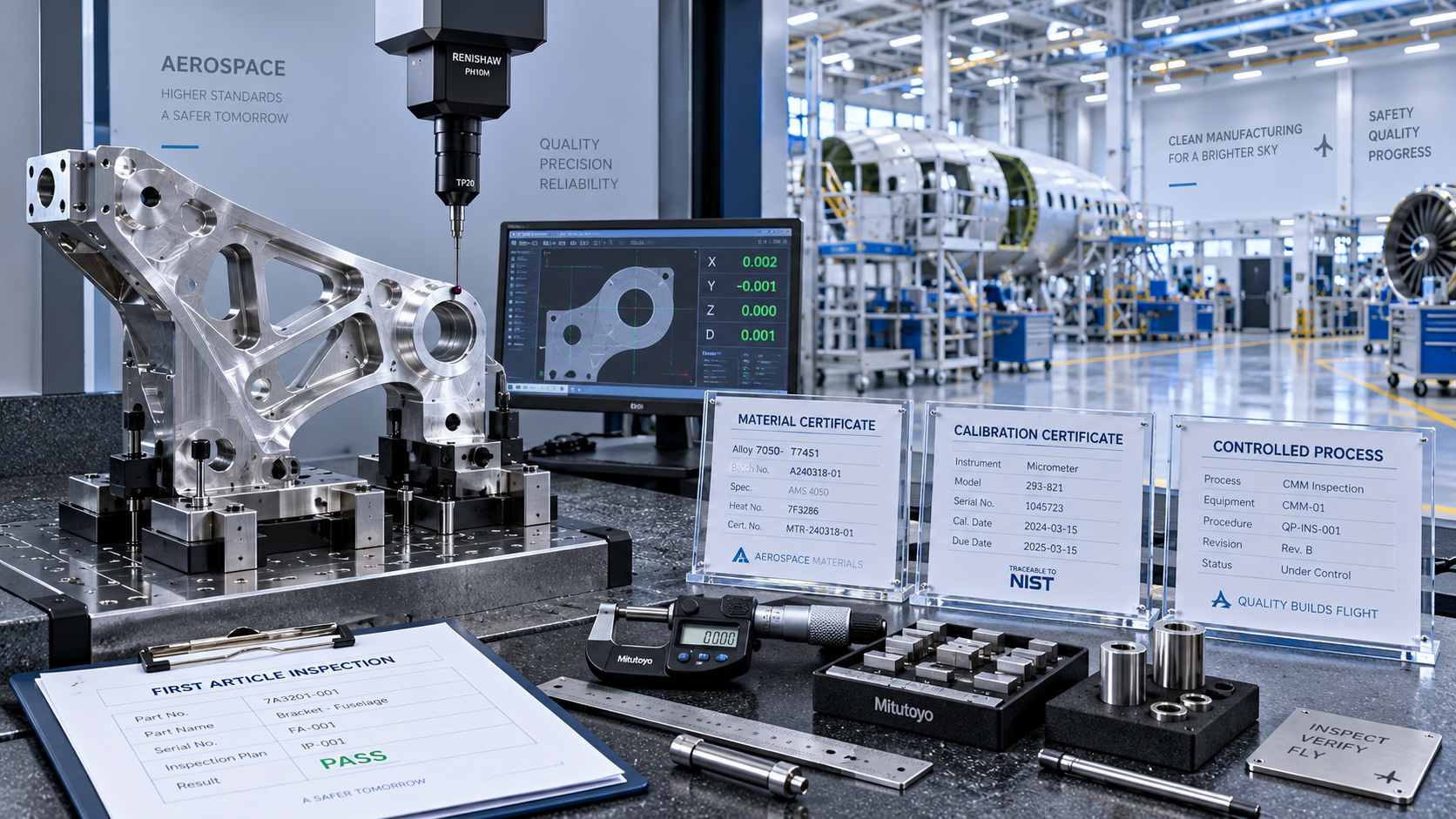
Review test setup, calibration status, sensor accuracy, sample handling, and environmental simulation quality. Aerospace Engineering R&D facilities depend on trustworthy data. A sophisticated test rig means little if humidity, vibration, thermal loading, or contamination controls are unstable.
3. Compliance traceability from concept to evidence
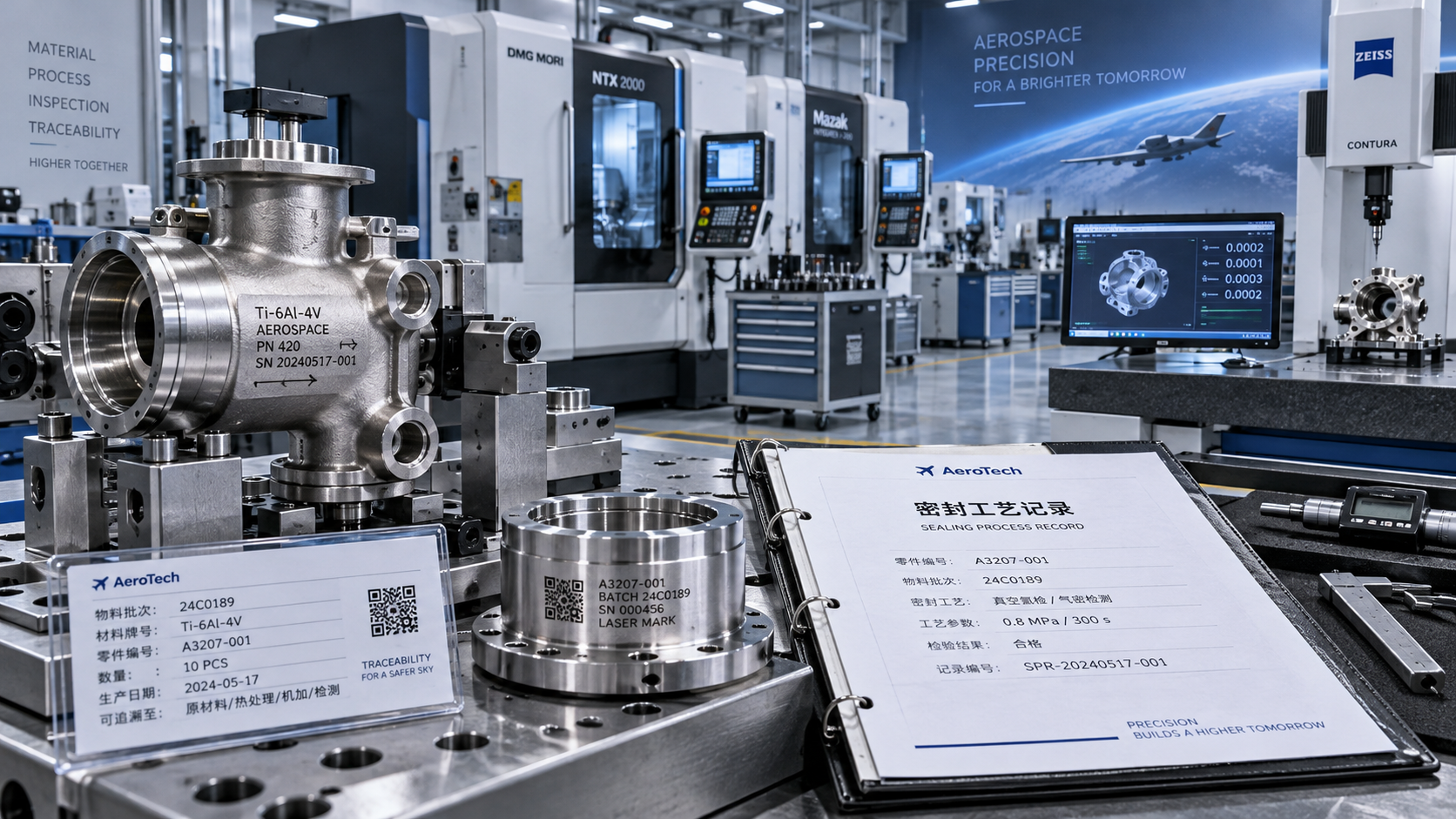
Check whether standards mapping exists at the requirement level. FAA, EASA, ISO, UIC, or mission-specific criteria should connect clearly to design outputs and validation records. Missing traceability creates expensive rework later.
4. Hazard management in experimental operations
High-energy batteries, cryogenic systems, composite dust, propulsion gases, and autonomous controls require more than generic safety manuals. Audit whether hazards are updated as prototypes evolve. Legacy risk registers often miss emerging technical interactions.
What is driving tighter expectations inside Aerospace Engineering R&D facilities
The shift is not random. Several technical and regulatory forces are changing how Aerospace Engineering R&D facilities are evaluated.
How these audit priorities affect engineering, operations, and investment decisions
When Aerospace Engineering R&D facilities fail early audit checks, consequences spread quickly. Engineering teams lose confidence in data reuse. Program timelines slip because verification must be repeated. Safety reviews become slower because assumptions can no longer be trusted.
Operationally, weak audits increase downtime, incident exposure, and cross-team friction. Facilities handling advanced composites, propulsion benches, thermal vacuum systems, or autonomy test cells need synchronized controls. Without them, one weak interface can compromise multiple technical programs.
Financially, the effect is equally serious. Rebuilding evidence packages, recalibrating rigs, or repeating validation campaigns consumes capital that should support innovation. In Aerospace Engineering R&D facilities, audit maturity often predicts whether strategic R&D investment produces usable, certifiable outcomes.
- Program risk rises when requirements and test results are disconnected.
- Certification risk rises when compliance mapping starts too late.
- Safety risk rises when prototype hazards outpace operating procedures.
- Commercial risk rises when evidence cannot support customer confidence.
What should be reviewed first inside Aerospace Engineering R&D facilities
A practical first-pass audit should focus on the controls that most directly protect engineering truth. These areas offer the strongest signal about whether Aerospace Engineering R&D facilities are resilient or only impressive on the surface.
- Requirement-to-test traceability matrix completeness.
- Calibration currency for critical instruments and sensors.
- Change control for CAD, simulation, firmware, and prototype parts.
- Nonconformance handling and corrective action closure quality.
- Environmental controls for contamination, thermal stability, and vibration isolation.
- Digital record integrity, retention logic, and approval permissions.
- Hazard review updates for evolving test articles.
- Supplier and partner data acceptance criteria.
This sequence works because it starts with evidence validity. Once that foundation is confirmed, broader reviews of staffing, layout, throughput, and equipment utilization become more meaningful.
A simple decision framework for stronger audit readiness
The best response is not more paperwork. Aerospace Engineering R&D facilities need targeted governance that supports fast engineering without weakening proof quality.
The next smart move is to audit for proof, not appearance
Modern Aerospace Engineering R&D facilities are strategic assets for aviation, space, rail, and advanced mobility. Yet their value depends on whether engineering claims can be defended under scrutiny. That is why first audits must examine traceability, test integrity, controlled change, and active hazard management before anything else.
A focused audit baseline can quickly reveal where innovation is genuinely scalable and where hidden fragility remains. Start with one current program, map requirement-to-evidence links, verify test controls, and review change records against actual hardware and software states. That single exercise often exposes the most urgent corrective priorities.
If Aerospace Engineering R&D facilities can prove disciplined execution at those points, they are far better positioned to accelerate certification, reduce technical risk, and support the future of global mobility with confidence.
Article Categories
SYSTEM_ALERT_URGENT
Q3 SYMPOSIUM ON ORBITAL DYNAMICS
Registration for the Orbital Aerospace technical committee is now open. Node access required.
Taglist:
Recent Articles
![]() Oct 27, 2026FAA Certifies Boeing 737 MAX 10 After Years of DelaysFAA Certifies Boeing 737 MAX 10 After Years of Delays
Oct 27, 2026FAA Certifies Boeing 737 MAX 10 After Years of DelaysFAA Certifies Boeing 737 MAX 10 After Years of Delays Oct 27, 2026Can an intermodal connectivity platform reduce rail handoff delays?Can an intermodal connectivity platform reduce rail handoff delays?
![]() Oct 26, 2026Chery Unveils Global Smart Mobility Strategy Targeting Robotaxis and eVTOLsChery Unveils Global Smart Mobility Strategy Targeting Robotaxis and eVTOLs
Oct 26, 2026Chery Unveils Global Smart Mobility Strategy Targeting Robotaxis and eVTOLsChery Unveils Global Smart Mobility Strategy Targeting Robotaxis and eVTOLs Oct 26, 2026How to evaluate avionics for helicopters used in IFR operationsHow to evaluate avionics for helicopters used in IFR operations
![]() Oct 25, 2026Ukraine’s Defence Minister Says SpaceX Satellite Services Restored After Speed RestrictionsUkraine’s Defence Minister Says SpaceX Satellite Services Restored After Speed Restrictions
Oct 25, 2026Ukraine’s Defence Minister Says SpaceX Satellite Services Restored After Speed RestrictionsUkraine’s Defence Minister Says SpaceX Satellite Services Restored After Speed Restrictions Oct 25, 2026How satellite infrastructure for IoT affects sensor reporting delaysHow satellite infrastructure for IoT affects sensor reporting delays
![]() Oct 24, 2026China Successfully Launches Yaogan 50-03 SatelliteChina Successfully Launches Yaogan 50-03 Satellite
Oct 24, 2026China Successfully Launches Yaogan 50-03 SatelliteChina Successfully Launches Yaogan 50-03 Satellite Oct 24, 2026How gradients affect traction power needs in high-speed rolling stockHow gradients affect traction power needs in high-speed rolling stock
![]() Oct 23, 2026FAA Proposes Checks on Nearly 2,000 Boeing 737NGs Over Loss-of-Control RiskFAA Proposes Checks on Nearly 2,000 Boeing 737NGs Over Loss-of-Control Risk
Oct 23, 2026FAA Proposes Checks on Nearly 2,000 Boeing 737NGs Over Loss-of-Control RiskFAA Proposes Checks on Nearly 2,000 Boeing 737NGs Over Loss-of-Control Risk Oct 23, 2026How fuel choice affects specific impulse in liquid oxygen propulsionHow fuel choice affects specific impulse in liquid oxygen propulsion
![]() Oct 22, 2026QuantumScape Plans 100 MWh Solid-State Battery Line Targeting Aerospace and Other MarketsQuantumScape Plans 100 MWh Solid-State Battery Line Targeting Aerospace and Other Markets
Oct 22, 2026QuantumScape Plans 100 MWh Solid-State Battery Line Targeting Aerospace and Other MarketsQuantumScape Plans 100 MWh Solid-State Battery Line Targeting Aerospace and Other Markets Oct 22, 2026How tank size limits hydrogen aircraft range on regional flightsHow tank size limits hydrogen aircraft range on regional flights
![]() Oct 21, 2026FAA Certifies Boeing 737-10, Clearing Regulatory Hurdle for DeliveriesFAA Certifies Boeing 737-10, Clearing Regulatory Hurdle for Deliveries
Oct 21, 2026FAA Certifies Boeing 737-10, Clearing Regulatory Hurdle for DeliveriesFAA Certifies Boeing 737-10, Clearing Regulatory Hurdle for Deliveries Oct 21, 2026How are electric vertical takeoff aircraft certified in the US?How are electric vertical takeoff aircraft certified in the US?
![]() Oct 20, 2026Ohio Department of Transportation Releases Three-Year Advanced Air Mobility Action PlanOhio Department of Transportation Releases Three-Year Advanced Air Mobility Action Plan
Oct 20, 2026Ohio Department of Transportation Releases Three-Year Advanced Air Mobility Action PlanOhio Department of Transportation Releases Three-Year Advanced Air Mobility Action Plan Oct 20, 2026How does magnetic flux density in tesla affect maglev lift force?How does magnetic flux density in tesla affect maglev lift force?
![]() Oct 19, 2026ZeroAvia Completes Key Ground Tests of ZA600 Hydrogen Fuel Cell PowertrainZeroAvia Completes Key Ground Tests of ZA600 Hydrogen Fuel Cell Powertrain
Oct 19, 2026ZeroAvia Completes Key Ground Tests of ZA600 Hydrogen Fuel Cell PowertrainZeroAvia Completes Key Ground Tests of ZA600 Hydrogen Fuel Cell Powertrain Oct 19, 2026How spacecraft integration affects advanced propulsion costsHow spacecraft integration affects advanced propulsion costs
 Oct 18, 2026How chilldown prevents cavitation in cryogenic engine systemsHow chilldown prevents cavitation in cryogenic engine systems
 Oct 17, 2026How explainability affects algorithmic trust in AI flight systemsHow explainability affects algorithmic trust in AI flight systems
 Oct 16, 2026How to evaluate transportation technology for Middle East heatHow to evaluate transportation technology for Middle East heat
 Oct 15, 2026How common-cause failures defeat redundancy logic in European avionicsHow common-cause failures defeat redundancy logic in European avionics
 Oct 14, 2026How DO-160 applies to aerospace technology testing for avionicsHow DO-160 applies to aerospace technology testing for avionics
 Oct 13, 2026How fuel price volatility shapes commercial aviation cost trendsHow fuel price volatility shapes commercial aviation cost trends
 Oct 12, 2026How to qualify aerospace manufacturing components for traceabilityHow to qualify aerospace manufacturing components for traceability
 Oct 11, 2026Which certification hurdles are slowing hydrogen aviation in Europe?Which certification hurdles are slowing hydrogen aviation in Europe?
 Oct 10, 2026What evidence should a magnetic gap stability supplier provide?What evidence should a magnetic gap stability supplier provide?
 Oct 09, 2026Which ISO standards matter when qualifying industrial technology suppliers?Which ISO standards matter when qualifying industrial technology suppliers?
 Oct 08, 2026When does reusability actually lower launch vehicle costs?When does reusability actually lower launch vehicle costs?
 Oct 07, 2026Where to find reliable product knowledge resources in the Middle EastWhere to find reliable product knowledge resources in the Middle East
 Oct 06, 2026What drives high-speed rail systems cost per kilometer?What drives high-speed rail systems cost per kilometer?
 Oct 05, 2026When does hydrogen propulsion for UAV extend mission range enough to justify it?When does hydrogen propulsion for UAV extend mission range enough to justify it?
 Oct 04, 2026How rail systems integration reduces commissioning delaysHow rail systems integration reduces commissioning delays
 Oct 03, 2026How to evaluate an advanced propulsion manufacturer for hydrogen systemsHow to evaluate an advanced propulsion manufacturer for hydrogen systems
 Oct 02, 2026How to qualify aircraft components for OEM production approvalHow to qualify aircraft components for OEM production approval