Safety Certification Benchmarking Cost: What Drives the Budget?
Lead Author
Published
Views:
Safety Certification Benchmarking Cost: what actually shapes the budget?

Safety Certification Benchmarking cost is often misunderstood as a testing line item.
In reality, the budget is usually built by scope decisions made much earlier.
That matters across aerospace, high-speed rail, space systems, urban air mobility, and extreme-environment logistics.
A benchmark for a composite airframe, maglev control system, or eVTOL flight architecture does not cost the same for one simple reason.
Certification evidence must match both technical complexity and regulatory exposure.
That is why finance reviews often become difficult.
The requested budget may include test mapping, standards interpretation, gap analysis, documentation support, and regional compliance alignment.
Within G-AIT, benchmarking is viewed as a strategic control tool, not just a compliance exercise.
The practical question is not whether certification matters.
The practical question is what drives Safety Certification Benchmarking cost, and which drivers can be managed before spending accelerates.
Why does Safety Certification Benchmarking cost rise before testing even starts?
Because the largest cost drivers usually sit upstream.
A benchmarking project begins by defining the certification path, target jurisdictions, system boundaries, and acceptable evidence standards.
If those items are unclear, every later task becomes broader and more expensive.
For example, a propulsion subsystem benchmark under one authority may need limited evidence mapping.
The same subsystem, intended for FAA and EASA acceptance, may require deeper cross-reference work and more documentation review.
The cost increase is not cosmetic.
It reflects extra engineering hours, traceability checks, risk interpretation, and document control effort.
In actual programs, the early budget often expands for four reasons:
- The product scope is wider than initially described.
- The target standard set includes overlapping but non-identical rules.
- The design history file is incomplete or inconsistent.
- Benchmarking must support board-level investment timing, not only engineering review.
This is why Safety Certification Benchmarking cost rarely behaves like a simple laboratory purchase.
It behaves more like a structured risk reduction program.
Which cost drivers have the biggest impact on the final number?
Some drivers are obvious, such as technical complexity.
Others are less visible, especially when proposals look similar on the surface.
A useful way to judge Safety Certification Benchmarking cost is to separate engineering complexity from compliance complexity.
This table also explains why two suppliers may quote very different numbers.
One may only benchmark against published requirements.
Another may include evidence traceability, regulator-facing logic, and gap closure support.
Does industry sector change the Safety Certification Benchmarking cost profile?
Very much so, and not only because standards differ.
The structure of risk, operating context, and certification precedent changes the work itself.
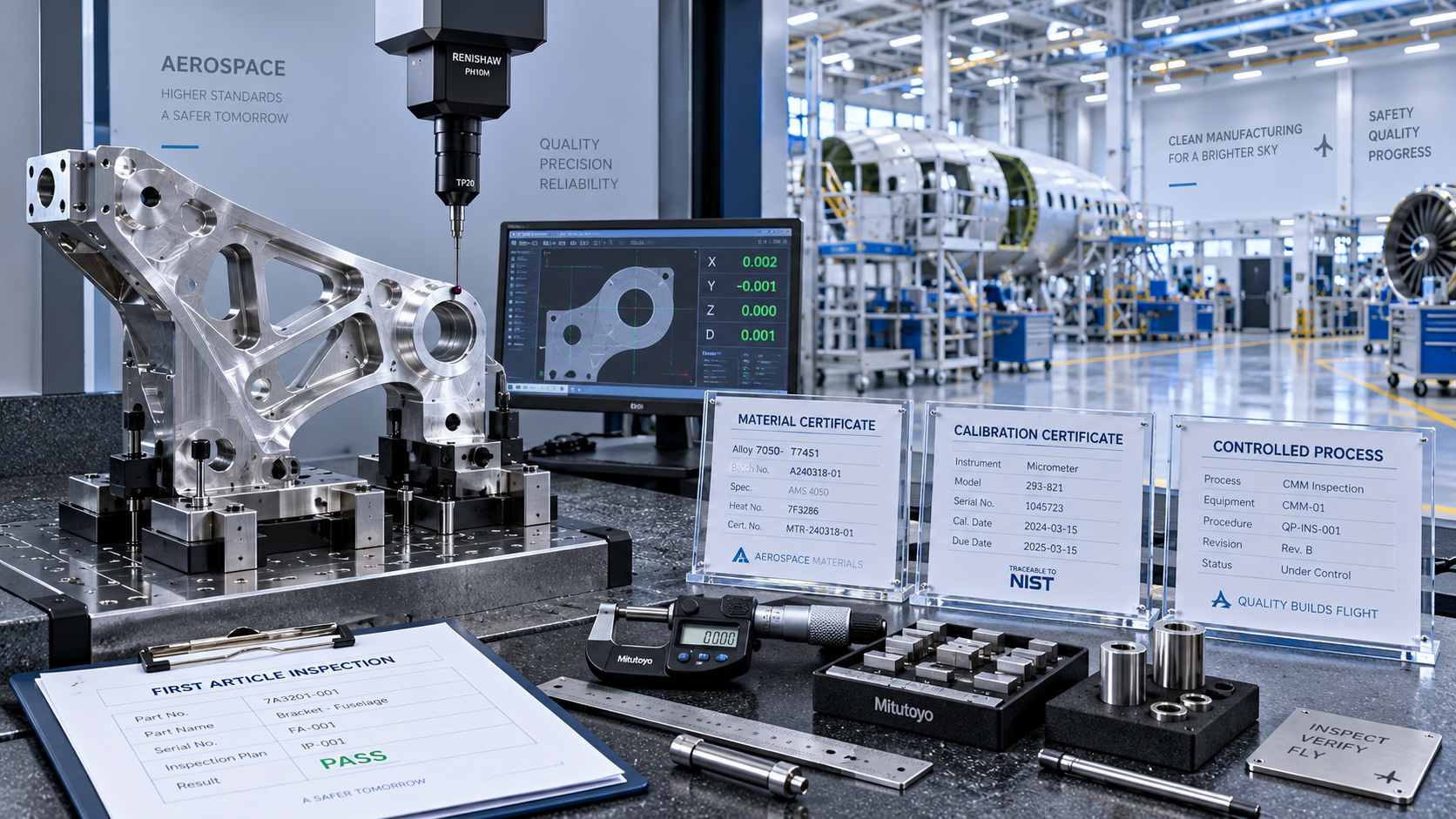
In advanced commercial aviation, budgets often rise around structural integrity, avionics integration, and airworthiness evidence traceability.
In space infrastructure, fewer established precedents may increase interpretation effort, especially for hybrid or dual-use systems.
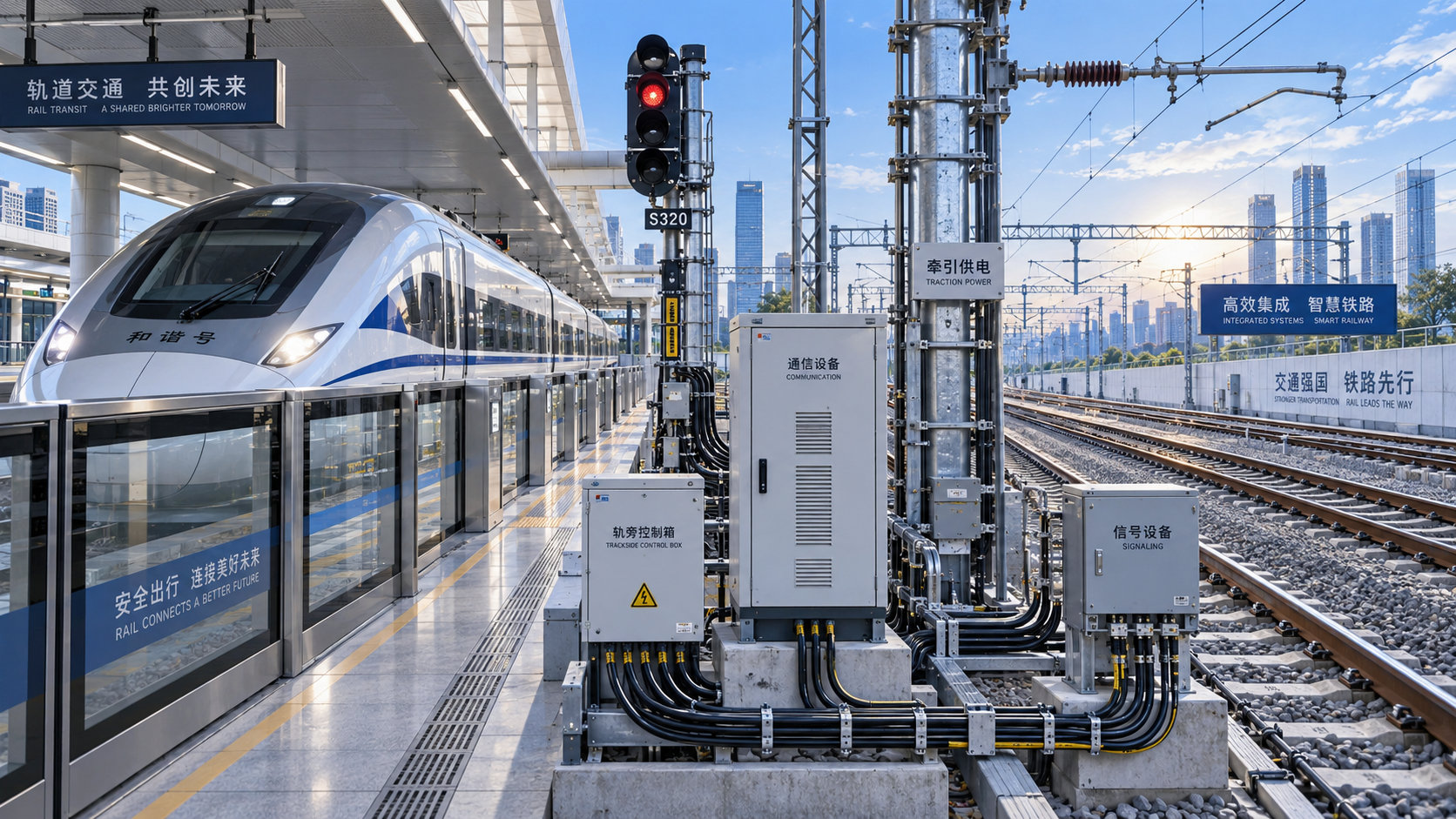
For high-speed rail and maglev engineering, the pressure usually sits in signaling, fail-safe logic, interoperability, and infrastructure interfaces.
Urban air mobility adds another layer.
Novel propulsion, autonomy, battery safety, vertiport integration, and public-operational scrutiny all affect budget shape.
Specialized logistics systems operating in polar, offshore, or other extreme environments often face evidence gaps.
That leads to more benchmark assumptions, more exception handling, and more review cycles.
G-AIT’s value in these sectors comes from comparative context.
Benchmarking is stronger when program teams can compare their architecture against validated international pathways instead of isolated internal opinions.
Where do budgets usually get overstated or underestimated?
Overstatement usually happens when uncertainty is bundled into one defensive number.
Underestimation is more common, especially when teams assume that existing test data automatically counts as certification-grade evidence.
It often does not.
A recurring mistake is to budget only for technical review hours.
That misses document restructuring, evidence mapping, and internal alignment sessions needed for approval-quality output.
Another mistake is treating all benchmark providers as interchangeable.
Some focus on standards comparison.
Others can connect propulsion physics, safety cases, and regulator logic across multiple mobility sectors.
That difference affects both cost and decision quality.
A more reliable budgeting method includes the following checks:
- Confirm whether the benchmark is advisory, pre-certification, or transaction-supportive.
- Separate core scope from optional gap-closing work.
- Ask how many standards frameworks are included in the base quote.
- Check whether traceability matrices and evidence logs are part of delivery.
- Identify assumptions that could trigger change orders later.
These checks do not eliminate Safety Certification Benchmarking cost.
They make the number more defensible.
How can a budget be challenged without weakening certification confidence?
The strongest approach is not simple cost cutting.
It is scope discipline.
In practice, that means clarifying what decision the benchmarking must support.
If the immediate goal is platform selection, a phased benchmark may be enough.
If the goal is regulator engagement or cross-border deployment, a narrower phase may create false savings.
A sensible review usually asks five questions:
- What exact safety claim must this benchmark support?
- Which standards are mandatory, and which are reference only?
- Where is the evidence already strong enough to avoid rework?
- Which interfaces create the highest approval risk?
- What must be completed now, and what can wait until design maturity improves?
This style of review keeps Safety Certification Benchmarking cost tied to approval logic.
It also prevents the common error of buying detailed analysis before core certification assumptions are stable.
What is the smartest next step when comparing proposals?
Look past the headline number.
The better question is what level of decision confidence each proposal actually buys.
A lower quote may be adequate for early screening.
It may be poor value if it leaves regulatory interpretation, evidence mapping, or cross-border assumptions unresolved.
A stronger comparison method is to score proposals against scope clarity, standards coverage, evidence depth, deliverable usefulness, and change-order risk.
This is especially relevant in the G-AIT context, where future mobility programs often combine novel engineering with international oversight.
The best benchmarking partner is rarely the one promising the fastest answer.
It is the one that can show how the budget links to certification logic, operational risk, and program timing.
In short, Safety Certification Benchmarking cost becomes manageable when the scope is explicit, the regulatory path is realistic, and the evidence burden is visible early.
Before approving any proposal, map the intended standards, define the system boundary, list missing evidence, and separate immediate needs from later-stage work.
That simple discipline usually produces a better budget, a cleaner approval case, and fewer surprises once certification activity begins.
Article Categories
SYSTEM_ALERT_URGENT
Q3 SYMPOSIUM ON ORBITAL DYNAMICS
Registration for the Orbital Aerospace technical committee is now open. Node access required.
Taglist:
- High-Speed Rail
- Urban Air Mobility
- eVTOL
- Future Mobility
- Maglev Engineering
- Extreme-Environment Logistics
- Propulsion Physics
- Safety Certification Benchmarking
- Space Systems
- Advanced Commercial Aviation
- Safety Certification Benchmarking cost
- Space infrastructure
- Commercial aviation
- Avionics
- Safety certification
Recent Articles
![]() Oct 27, 2026FAA Certifies Boeing 737 MAX 10 After Years of DelaysFAA Certifies Boeing 737 MAX 10 After Years of Delays
Oct 27, 2026FAA Certifies Boeing 737 MAX 10 After Years of DelaysFAA Certifies Boeing 737 MAX 10 After Years of Delays Oct 27, 2026Can an intermodal connectivity platform reduce rail handoff delays?Can an intermodal connectivity platform reduce rail handoff delays?
![]() Oct 26, 2026Chery Unveils Global Smart Mobility Strategy Targeting Robotaxis and eVTOLsChery Unveils Global Smart Mobility Strategy Targeting Robotaxis and eVTOLs
Oct 26, 2026Chery Unveils Global Smart Mobility Strategy Targeting Robotaxis and eVTOLsChery Unveils Global Smart Mobility Strategy Targeting Robotaxis and eVTOLs Oct 26, 2026How to evaluate avionics for helicopters used in IFR operationsHow to evaluate avionics for helicopters used in IFR operations
![]() Oct 25, 2026Ukraine’s Defence Minister Says SpaceX Satellite Services Restored After Speed RestrictionsUkraine’s Defence Minister Says SpaceX Satellite Services Restored After Speed Restrictions
Oct 25, 2026Ukraine’s Defence Minister Says SpaceX Satellite Services Restored After Speed RestrictionsUkraine’s Defence Minister Says SpaceX Satellite Services Restored After Speed Restrictions Oct 25, 2026How satellite infrastructure for IoT affects sensor reporting delaysHow satellite infrastructure for IoT affects sensor reporting delays
![]() Oct 24, 2026China Successfully Launches Yaogan 50-03 SatelliteChina Successfully Launches Yaogan 50-03 Satellite
Oct 24, 2026China Successfully Launches Yaogan 50-03 SatelliteChina Successfully Launches Yaogan 50-03 Satellite Oct 24, 2026How gradients affect traction power needs in high-speed rolling stockHow gradients affect traction power needs in high-speed rolling stock
![]() Oct 23, 2026FAA Proposes Checks on Nearly 2,000 Boeing 737NGs Over Loss-of-Control RiskFAA Proposes Checks on Nearly 2,000 Boeing 737NGs Over Loss-of-Control Risk
Oct 23, 2026FAA Proposes Checks on Nearly 2,000 Boeing 737NGs Over Loss-of-Control RiskFAA Proposes Checks on Nearly 2,000 Boeing 737NGs Over Loss-of-Control Risk Oct 23, 2026How fuel choice affects specific impulse in liquid oxygen propulsionHow fuel choice affects specific impulse in liquid oxygen propulsion
![]() Oct 22, 2026QuantumScape Plans 100 MWh Solid-State Battery Line Targeting Aerospace and Other MarketsQuantumScape Plans 100 MWh Solid-State Battery Line Targeting Aerospace and Other Markets
Oct 22, 2026QuantumScape Plans 100 MWh Solid-State Battery Line Targeting Aerospace and Other MarketsQuantumScape Plans 100 MWh Solid-State Battery Line Targeting Aerospace and Other Markets Oct 22, 2026How tank size limits hydrogen aircraft range on regional flightsHow tank size limits hydrogen aircraft range on regional flights
![]() Oct 21, 2026FAA Certifies Boeing 737-10, Clearing Regulatory Hurdle for DeliveriesFAA Certifies Boeing 737-10, Clearing Regulatory Hurdle for Deliveries
Oct 21, 2026FAA Certifies Boeing 737-10, Clearing Regulatory Hurdle for DeliveriesFAA Certifies Boeing 737-10, Clearing Regulatory Hurdle for Deliveries Oct 21, 2026How are electric vertical takeoff aircraft certified in the US?How are electric vertical takeoff aircraft certified in the US?
![]() Oct 20, 2026Ohio Department of Transportation Releases Three-Year Advanced Air Mobility Action PlanOhio Department of Transportation Releases Three-Year Advanced Air Mobility Action Plan
Oct 20, 2026Ohio Department of Transportation Releases Three-Year Advanced Air Mobility Action PlanOhio Department of Transportation Releases Three-Year Advanced Air Mobility Action Plan Oct 20, 2026How does magnetic flux density in tesla affect maglev lift force?How does magnetic flux density in tesla affect maglev lift force?
![]() Oct 19, 2026ZeroAvia Completes Key Ground Tests of ZA600 Hydrogen Fuel Cell PowertrainZeroAvia Completes Key Ground Tests of ZA600 Hydrogen Fuel Cell Powertrain
Oct 19, 2026ZeroAvia Completes Key Ground Tests of ZA600 Hydrogen Fuel Cell PowertrainZeroAvia Completes Key Ground Tests of ZA600 Hydrogen Fuel Cell Powertrain Oct 19, 2026How spacecraft integration affects advanced propulsion costsHow spacecraft integration affects advanced propulsion costs
 Oct 18, 2026How chilldown prevents cavitation in cryogenic engine systemsHow chilldown prevents cavitation in cryogenic engine systems
 Oct 17, 2026How explainability affects algorithmic trust in AI flight systemsHow explainability affects algorithmic trust in AI flight systems
 Oct 16, 2026How to evaluate transportation technology for Middle East heatHow to evaluate transportation technology for Middle East heat
 Oct 15, 2026How common-cause failures defeat redundancy logic in European avionicsHow common-cause failures defeat redundancy logic in European avionics
 Oct 14, 2026How DO-160 applies to aerospace technology testing for avionicsHow DO-160 applies to aerospace technology testing for avionics
 Oct 13, 2026How fuel price volatility shapes commercial aviation cost trendsHow fuel price volatility shapes commercial aviation cost trends
 Oct 12, 2026How to qualify aerospace manufacturing components for traceabilityHow to qualify aerospace manufacturing components for traceability
 Oct 11, 2026Which certification hurdles are slowing hydrogen aviation in Europe?Which certification hurdles are slowing hydrogen aviation in Europe?
 Oct 10, 2026What evidence should a magnetic gap stability supplier provide?What evidence should a magnetic gap stability supplier provide?
 Oct 09, 2026Which ISO standards matter when qualifying industrial technology suppliers?Which ISO standards matter when qualifying industrial technology suppliers?
 Oct 08, 2026When does reusability actually lower launch vehicle costs?When does reusability actually lower launch vehicle costs?
 Oct 07, 2026Where to find reliable product knowledge resources in the Middle EastWhere to find reliable product knowledge resources in the Middle East
 Oct 06, 2026What drives high-speed rail systems cost per kilometer?What drives high-speed rail systems cost per kilometer?
 Oct 05, 2026When does hydrogen propulsion for UAV extend mission range enough to justify it?When does hydrogen propulsion for UAV extend mission range enough to justify it?
 Oct 04, 2026How rail systems integration reduces commissioning delaysHow rail systems integration reduces commissioning delays
 Oct 03, 2026How to evaluate an advanced propulsion manufacturer for hydrogen systemsHow to evaluate an advanced propulsion manufacturer for hydrogen systems
 Oct 02, 2026How to qualify aircraft components for OEM production approvalHow to qualify aircraft components for OEM production approval