Trade Analytics for Smarter Market Entry
Lead Author
Published
Views:
Entering aerospace and advanced transportation markets demands more than ambition—it requires evidence, timing, and a clear view of regulatory and technical risk.
Trade Analytics helps evaluators identify viable market-entry opportunities by connecting demand signals, competitive benchmarks, certification trends, and cross-border investment patterns.
For next-generation aviation, satellite infrastructure, high-speed rail, UAM, or extreme-environment logistics, data-driven trade insight turns uncertainty into strategic clarity.
Trade Analytics for Smarter Market Entry Decisions

In advanced mobility, a market may appear attractive because infrastructure spending is rising or policy language sounds supportive.
Yet entry success depends on deeper indicators, including certification readiness, supply chain resilience, procurement cycles, and technology acceptance.
Trade Analytics provides this wider view by linking commercial flows with engineering, regulatory, and geopolitical evidence.
For G-AIT’s five mobility pillars, the method is especially valuable because each market has different risk triggers.
Aircraft structures, launch services, maglev systems, eVTOL operations, and polar logistics rarely follow the same adoption path.
A reliable entry plan must therefore match the scenario, not simply rank countries by revenue potential.
Why Scenario Context Changes Market Demand
Demand in aerospace and advanced transportation is shaped by mission requirements, safety standards, capital intensity, and national industrial policy.
Trade Analytics helps distinguish structural demand from temporary procurement spikes or speculative announcements.
A country importing composite materials may be scaling aircraft assembly, repairing fleets, or building unmanned platforms.
Each scenario creates different partnership needs, compliance expectations, and revenue timelines.
Likewise, rising satellite component imports may indicate defense modernization, broadband expansion, or climate monitoring programs.
Without scenario separation, entry teams may overestimate demand quality and underestimate technical qualification barriers.
Trade Analytics supports sharper judgment by combining import-export data with standards adoption, project pipelines, and competitor behavior.
Scenario One: Next-Generation Commercial Aviation
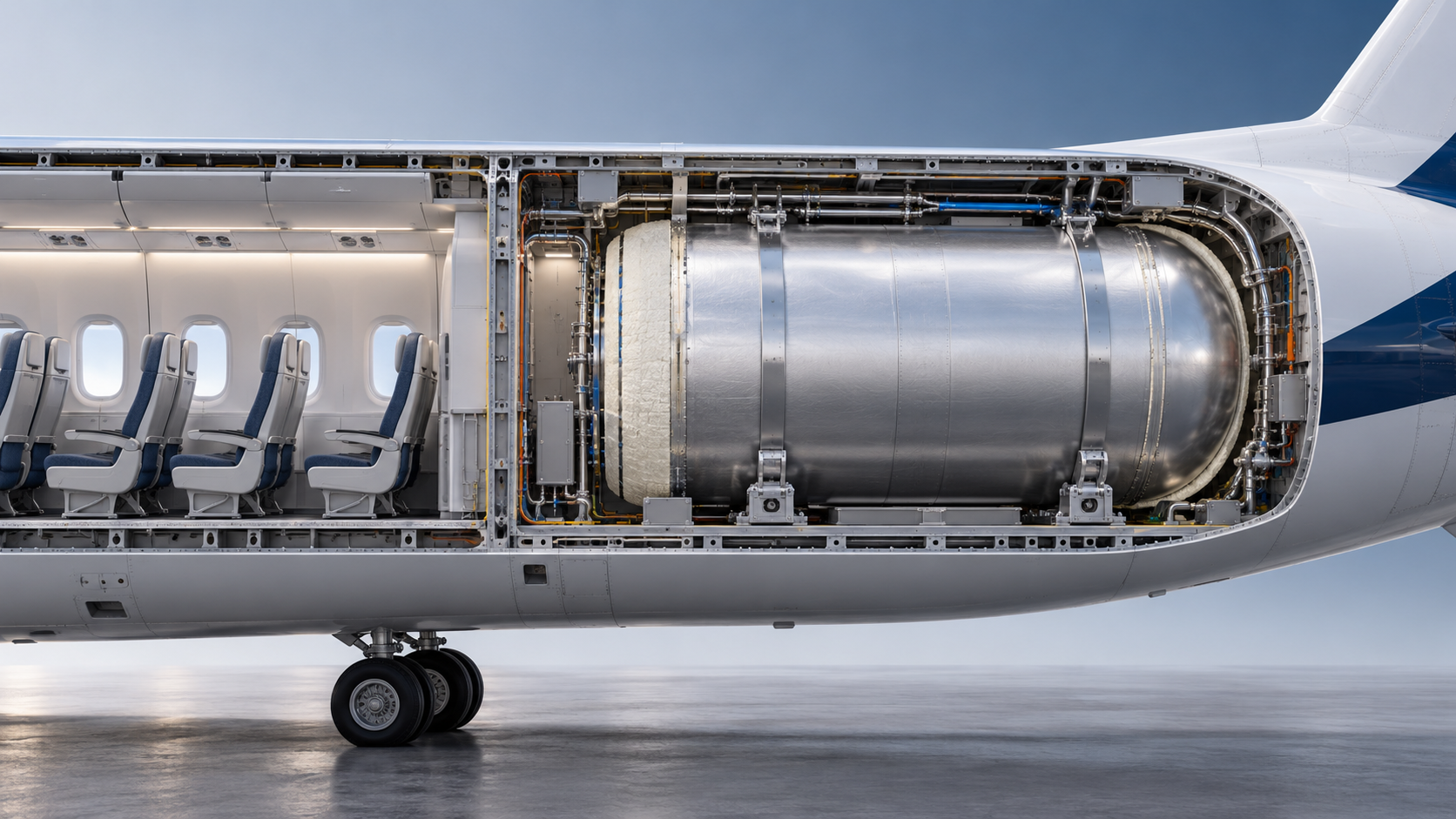
Commercial aviation entry requires careful evaluation of fleet renewal, airline profitability, airport capacity, and certification alignment.
Trade Analytics can reveal whether demand is moving toward composite fuselages, lighter interiors, avionics upgrades, or sustainable propulsion systems.
The core judgment point is not only passenger growth, but whether operators can absorb new platform costs.
Markets with high traffic growth may still lack maintenance capability, financing depth, or regulator capacity.
Trade Analytics helps compare aircraft import patterns with FAA, EASA, or local authority certification progress.
It also identifies whether suppliers are entering through OEM partnerships, MRO networks, or direct airline procurement.
Scenario Two: Space Exploration and Satellite Infrastructure
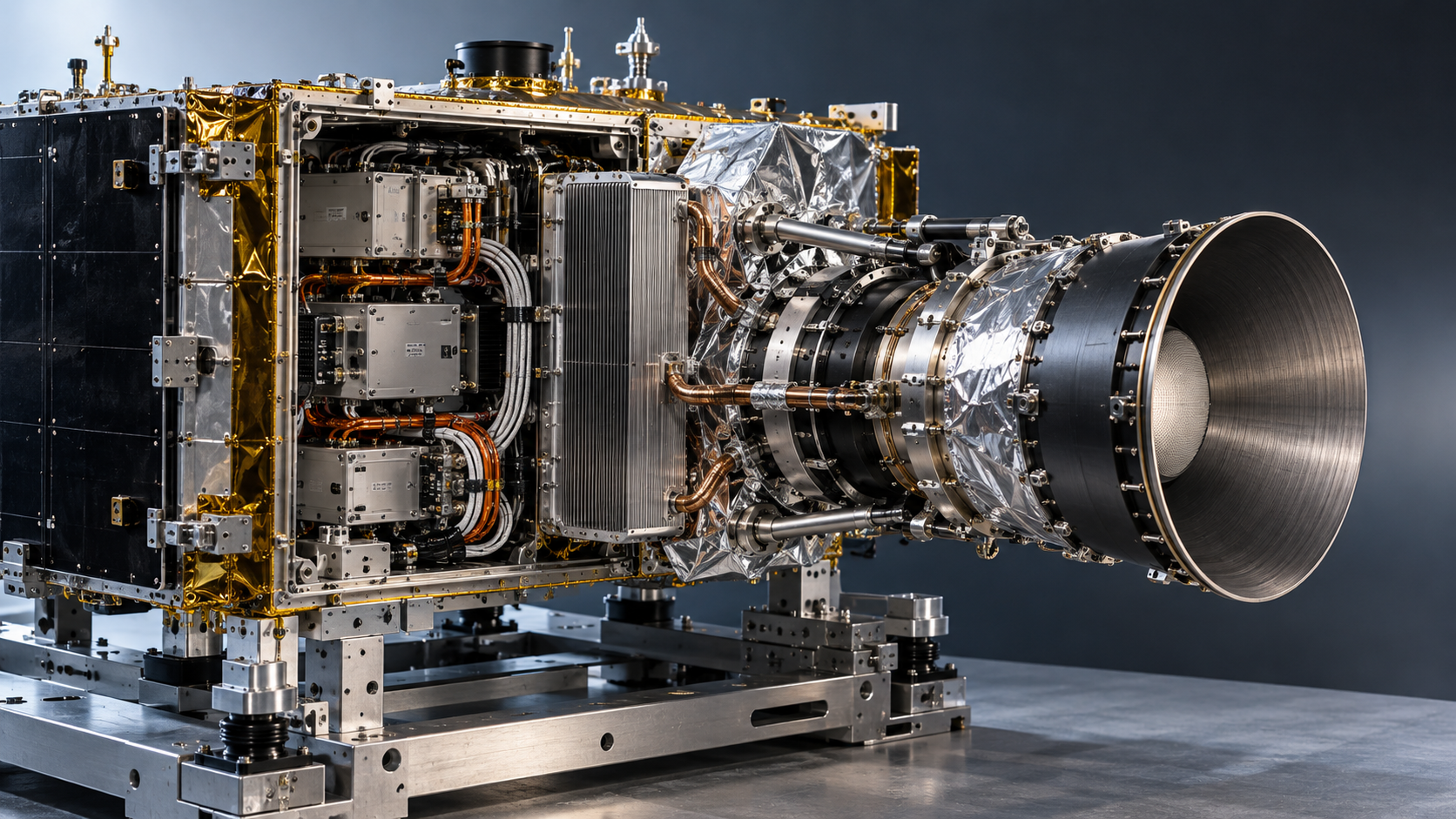
Space-related market entry depends on launch frequency, payload demand, spectrum policy, and ground-segment maturity.
Trade Analytics is useful because satellite ecosystems involve both high-value components and sensitive dual-use controls.
A surge in imported antennas, cryogenic systems, or radiation-hardened electronics may signal rapid infrastructure development.
However, the key issue is whether the demand is commercial, civil, defense-related, or research-driven.
Trade Analytics helps evaluate export-control exposure, local content requirements, and the presence of anchor customers.
For satellite infrastructure, viable entry often depends on integration rights, data service licensing, and trusted technical validation.
Scenario Three: High-Speed Rail and Maglev Engineering
High-speed rail and maglev markets are shaped by public funding, corridor density, signaling standards, and long-term maintenance obligations.
Trade Analytics can detect whether a country is importing track systems, traction equipment, braking technology, or control software.
The strongest opportunity usually appears when imports align with funded corridor construction and regulator-approved operating models.
A market purchasing feasibility studies may be years away from scalable procurement.
By contrast, repeated imports of signaling subsystems may indicate a near-term integration phase.
Trade Analytics also compares UIC, ISO, and national rail standards to estimate qualification difficulty.
For maglev, entry decisions should examine energy supply, emergency evacuation rules, and domestic engineering alliances.
Scenario Four: Urban Air Mobility and eVTOL Deployment
UAM markets attract attention because they combine aviation, digital infrastructure, batteries, autonomy, and urban planning.
Trade Analytics helps separate demonstration activity from genuine deployment readiness.
Useful indicators include battery imports, lightweight structures, flight-control components, vertiport planning, and insurance participation.
The core judgment is whether airworthiness approval, airspace integration, and community acceptance are advancing together.
A city may announce air-taxi trials, but lack procedures for noise limits, emergency landing, or pilot oversight.
Trade Analytics supports realistic entry timing by correlating component demand with certification milestones and municipal infrastructure spending.
Scenario Five: Extreme-Environment Logistics
Extreme-environment logistics serves polar zones, deserts, offshore fields, high-altitude sites, disaster regions, and remote defense corridors.
Demand is often urgent, but fragmented across specialized vehicles, rugged communications, cold-chain systems, and autonomous navigation.
Trade Analytics identifies whether imports support temporary missions or durable logistics networks.
A spike in insulated containers may reflect humanitarian relief, not a repeatable commercial opportunity.
By linking trade flows with climate exposure, energy projects, and infrastructure plans, entry teams can judge continuity.
Trade Analytics also helps assess whether reliability standards, spare-parts access, and field-service requirements are commercially manageable.
Different Scenario Needs Compared
This comparison shows why Trade Analytics must be scenario-specific rather than generic.
The same import growth rate can represent expansion, repair, experimentation, or emergency response.
Scenario Adaptation Recommendations
A practical market-entry process should convert Trade Analytics findings into phased decisions.
- Map demand by use case, not only by country or industry code.
- Compare import signals with standards adoption, certification schedules, and infrastructure budgets.
- Identify whether competitors enter through local assembly, licensing, services, or joint development.
- Rank opportunities by technical qualification difficulty and revenue timing.
- Validate demand with procurement notices, pilot programs, and long-term maintenance obligations.
Trade Analytics becomes more powerful when paired with technical benchmarking.
For example, a fuselage materials opportunity should be tested against airworthiness requirements and supplier qualification history.
A maglev signaling opportunity should be assessed against corridor speed targets, safety integrity levels, and local integration capability.
Common Misjudgments in Market-Entry Scenarios
One common mistake is treating announced investment as confirmed demand.
Large mobility programs often move through political approval, feasibility review, financing closure, and technical validation.
Trade Analytics helps reveal whether physical procurement has started, slowed, or shifted toward different suppliers.
Another error is overlooking certification bottlenecks.
In aviation, space, and rail, a product can be technically advanced but commercially blocked by documentation gaps.
A third issue is ignoring after-sales complexity, especially in harsh environments or safety-critical transport networks.
Trade Analytics should therefore be linked with service footprint, spare-part logistics, and training requirements.
Turning Trade Analytics into Actionable Entry Plans
The next step is to build a decision map that ranks markets by evidence strength, not headline attractiveness.
Start with three lenses: demand durability, technical readiness, and regulatory accessibility.
Then score each target scenario against import trends, competitor movement, standards alignment, and partnership feasibility.
Trade Analytics should guide whether to enter through research collaboration, component supply, systems integration, or lifecycle services.
For high-risk sectors, phased entry often protects capital while preserving strategic positioning.
A discovery phase can confirm data quality, a validation phase can test technical fit, and a launch phase can define commercial terms.
G-AIT’s benchmarking perspective strengthens this process by connecting frontier mobility technologies with certification and operational integrity.
Used correctly, Trade Analytics is not a reporting exercise.
It is a practical decision system for choosing where, when, and how to enter complex global mobility markets.
For smarter market entry, the most valuable move is to convert scattered signals into scenario-specific evidence.
That evidence supports disciplined commitments, stronger partnerships, and better timing before capital and engineering resources are deployed.
Article Categories
SYSTEM_ALERT_URGENT
Q3 SYMPOSIUM ON ORBITAL DYNAMICS
Registration for the Orbital Aerospace technical committee is now open. Node access required.
Recent Articles
![]() Oct 27, 2026FAA Certifies Boeing 737 MAX 10 After Years of DelaysFAA Certifies Boeing 737 MAX 10 After Years of Delays
Oct 27, 2026FAA Certifies Boeing 737 MAX 10 After Years of DelaysFAA Certifies Boeing 737 MAX 10 After Years of Delays Oct 27, 2026Can an intermodal connectivity platform reduce rail handoff delays?Can an intermodal connectivity platform reduce rail handoff delays?
![]() Oct 26, 2026Chery Unveils Global Smart Mobility Strategy Targeting Robotaxis and eVTOLsChery Unveils Global Smart Mobility Strategy Targeting Robotaxis and eVTOLs
Oct 26, 2026Chery Unveils Global Smart Mobility Strategy Targeting Robotaxis and eVTOLsChery Unveils Global Smart Mobility Strategy Targeting Robotaxis and eVTOLs Oct 26, 2026How to evaluate avionics for helicopters used in IFR operationsHow to evaluate avionics for helicopters used in IFR operations
![]() Oct 25, 2026Ukraine’s Defence Minister Says SpaceX Satellite Services Restored After Speed RestrictionsUkraine’s Defence Minister Says SpaceX Satellite Services Restored After Speed Restrictions
Oct 25, 2026Ukraine’s Defence Minister Says SpaceX Satellite Services Restored After Speed RestrictionsUkraine’s Defence Minister Says SpaceX Satellite Services Restored After Speed Restrictions Oct 25, 2026How satellite infrastructure for IoT affects sensor reporting delaysHow satellite infrastructure for IoT affects sensor reporting delays
![]() Oct 24, 2026China Successfully Launches Yaogan 50-03 SatelliteChina Successfully Launches Yaogan 50-03 Satellite
Oct 24, 2026China Successfully Launches Yaogan 50-03 SatelliteChina Successfully Launches Yaogan 50-03 Satellite Oct 24, 2026How gradients affect traction power needs in high-speed rolling stockHow gradients affect traction power needs in high-speed rolling stock
![]() Oct 23, 2026FAA Proposes Checks on Nearly 2,000 Boeing 737NGs Over Loss-of-Control RiskFAA Proposes Checks on Nearly 2,000 Boeing 737NGs Over Loss-of-Control Risk
Oct 23, 2026FAA Proposes Checks on Nearly 2,000 Boeing 737NGs Over Loss-of-Control RiskFAA Proposes Checks on Nearly 2,000 Boeing 737NGs Over Loss-of-Control Risk Oct 23, 2026How fuel choice affects specific impulse in liquid oxygen propulsionHow fuel choice affects specific impulse in liquid oxygen propulsion
![]() Oct 22, 2026QuantumScape Plans 100 MWh Solid-State Battery Line Targeting Aerospace and Other MarketsQuantumScape Plans 100 MWh Solid-State Battery Line Targeting Aerospace and Other Markets
Oct 22, 2026QuantumScape Plans 100 MWh Solid-State Battery Line Targeting Aerospace and Other MarketsQuantumScape Plans 100 MWh Solid-State Battery Line Targeting Aerospace and Other Markets Oct 22, 2026How tank size limits hydrogen aircraft range on regional flightsHow tank size limits hydrogen aircraft range on regional flights
![]() Oct 21, 2026FAA Certifies Boeing 737-10, Clearing Regulatory Hurdle for DeliveriesFAA Certifies Boeing 737-10, Clearing Regulatory Hurdle for Deliveries
Oct 21, 2026FAA Certifies Boeing 737-10, Clearing Regulatory Hurdle for DeliveriesFAA Certifies Boeing 737-10, Clearing Regulatory Hurdle for Deliveries Oct 21, 2026How are electric vertical takeoff aircraft certified in the US?How are electric vertical takeoff aircraft certified in the US?
![]() Oct 20, 2026Ohio Department of Transportation Releases Three-Year Advanced Air Mobility Action PlanOhio Department of Transportation Releases Three-Year Advanced Air Mobility Action Plan
Oct 20, 2026Ohio Department of Transportation Releases Three-Year Advanced Air Mobility Action PlanOhio Department of Transportation Releases Three-Year Advanced Air Mobility Action Plan Oct 20, 2026How does magnetic flux density in tesla affect maglev lift force?How does magnetic flux density in tesla affect maglev lift force?
![]() Oct 19, 2026ZeroAvia Completes Key Ground Tests of ZA600 Hydrogen Fuel Cell PowertrainZeroAvia Completes Key Ground Tests of ZA600 Hydrogen Fuel Cell Powertrain
Oct 19, 2026ZeroAvia Completes Key Ground Tests of ZA600 Hydrogen Fuel Cell PowertrainZeroAvia Completes Key Ground Tests of ZA600 Hydrogen Fuel Cell Powertrain Oct 19, 2026How spacecraft integration affects advanced propulsion costsHow spacecraft integration affects advanced propulsion costs
 Oct 18, 2026How chilldown prevents cavitation in cryogenic engine systemsHow chilldown prevents cavitation in cryogenic engine systems
 Oct 17, 2026How explainability affects algorithmic trust in AI flight systemsHow explainability affects algorithmic trust in AI flight systems
 Oct 16, 2026How to evaluate transportation technology for Middle East heatHow to evaluate transportation technology for Middle East heat
 Oct 15, 2026How common-cause failures defeat redundancy logic in European avionicsHow common-cause failures defeat redundancy logic in European avionics
 Oct 14, 2026How DO-160 applies to aerospace technology testing for avionicsHow DO-160 applies to aerospace technology testing for avionics
 Oct 13, 2026How fuel price volatility shapes commercial aviation cost trendsHow fuel price volatility shapes commercial aviation cost trends
 Oct 12, 2026How to qualify aerospace manufacturing components for traceabilityHow to qualify aerospace manufacturing components for traceability
 Oct 11, 2026Which certification hurdles are slowing hydrogen aviation in Europe?Which certification hurdles are slowing hydrogen aviation in Europe?
 Oct 10, 2026What evidence should a magnetic gap stability supplier provide?What evidence should a magnetic gap stability supplier provide?
 Oct 09, 2026Which ISO standards matter when qualifying industrial technology suppliers?Which ISO standards matter when qualifying industrial technology suppliers?
 Oct 08, 2026When does reusability actually lower launch vehicle costs?When does reusability actually lower launch vehicle costs?
 Oct 07, 2026Where to find reliable product knowledge resources in the Middle EastWhere to find reliable product knowledge resources in the Middle East
 Oct 06, 2026What drives high-speed rail systems cost per kilometer?What drives high-speed rail systems cost per kilometer?
 Oct 05, 2026When does hydrogen propulsion for UAV extend mission range enough to justify it?When does hydrogen propulsion for UAV extend mission range enough to justify it?
 Oct 04, 2026How rail systems integration reduces commissioning delaysHow rail systems integration reduces commissioning delays
 Oct 03, 2026How to evaluate an advanced propulsion manufacturer for hydrogen systemsHow to evaluate an advanced propulsion manufacturer for hydrogen systems
 Oct 02, 2026How to qualify aircraft components for OEM production approvalHow to qualify aircraft components for OEM production approval