Hydrogen Energy in Flight: Cost and Range Outlook
Lead Author
Published
Views:
As aviation leaders pursue cleaner propulsion and longer-term fleet resilience, hydrogen energy is emerging as a pivotal force in flight innovation. Yet for enterprise decision-makers, the real questions center on cost, range, infrastructure, and certification readiness. This article explores how hydrogen-powered aviation could reshape commercial viability, operational strategy, and competitive positioning across the future mobility landscape.
For aerospace groups, mobility integrators, and strategic planners, hydrogen energy is no longer a distant research topic. It is becoming a board-level issue tied to capital allocation, fleet planning, airport partnerships, and long-horizon decarbonization targets. The opportunity is substantial, but the business case depends on how leaders evaluate aircraft architecture, fuel logistics, and regulatory timing over the next 5 to 15 years.
Within the broader future-mobility ecosystem, G-AIT aligns hydrogen flight analysis with the same benchmarking discipline used in advanced airframes, cryogenic propulsion, and autonomous transport systems. That perspective matters because hydrogen aviation must be assessed not only as an energy concept, but as a certified, serviceable, and financeable operating model.
Why Hydrogen Energy Has Moved from Concept to Strategic Aviation Agenda
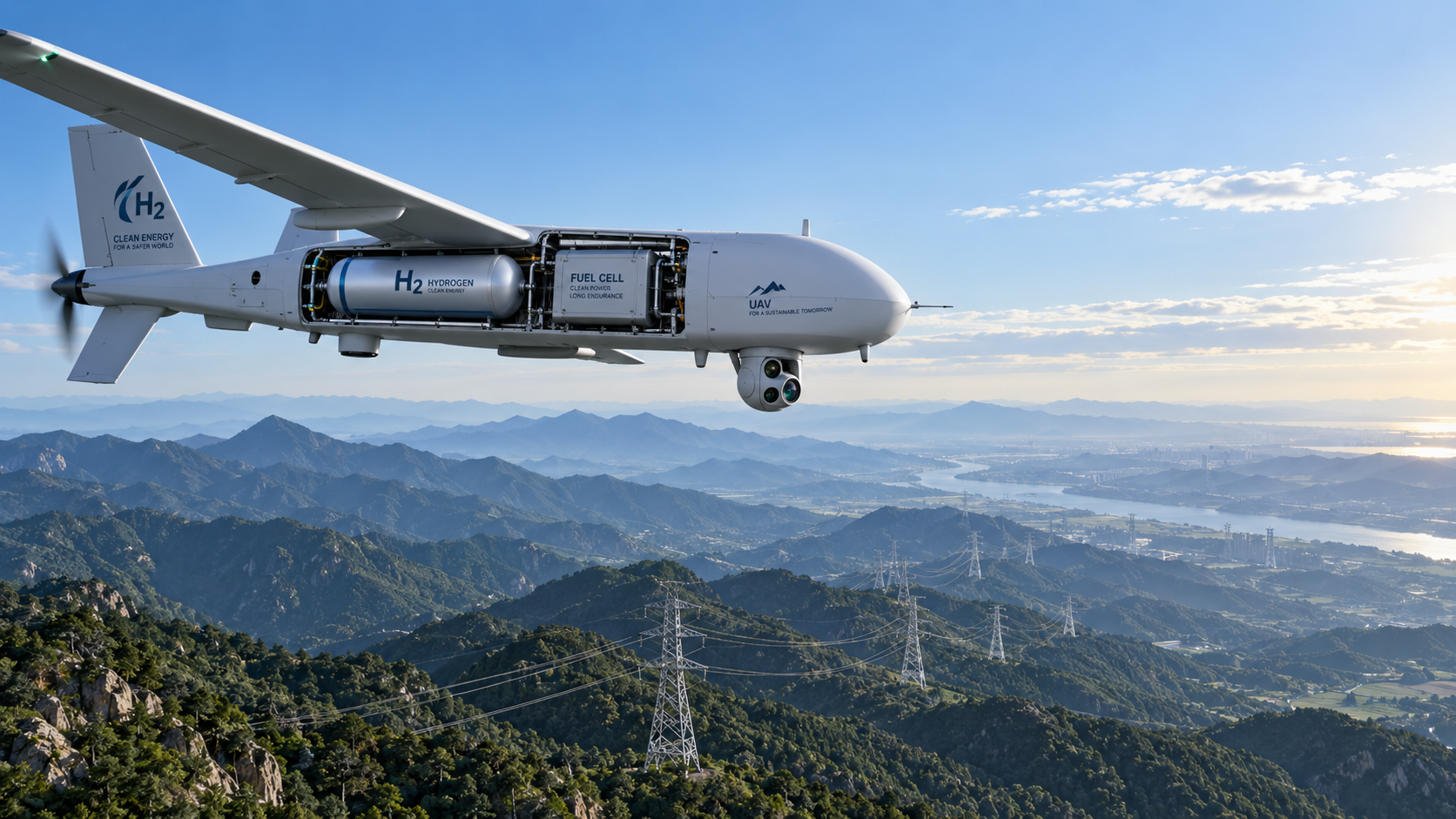
Hydrogen energy attracts aviation leaders for two reasons. First, it offers a potential pathway to very low in-flight carbon emissions. Second, it may support longer range than battery-electric aircraft in segments where payload and mission endurance are critical. Those advantages are especially relevant in regional aviation, specialized logistics, and selected future UAM platforms.
However, hydrogen does not represent a single technical route. Enterprises must distinguish between hydrogen combustion and hydrogen fuel-cell propulsion. Combustion can leverage some turbine-based design logic, while fuel cells are often better suited to smaller aircraft, lower-speed missions, and distributed electric propulsion architectures.
Two Main Propulsion Pathways
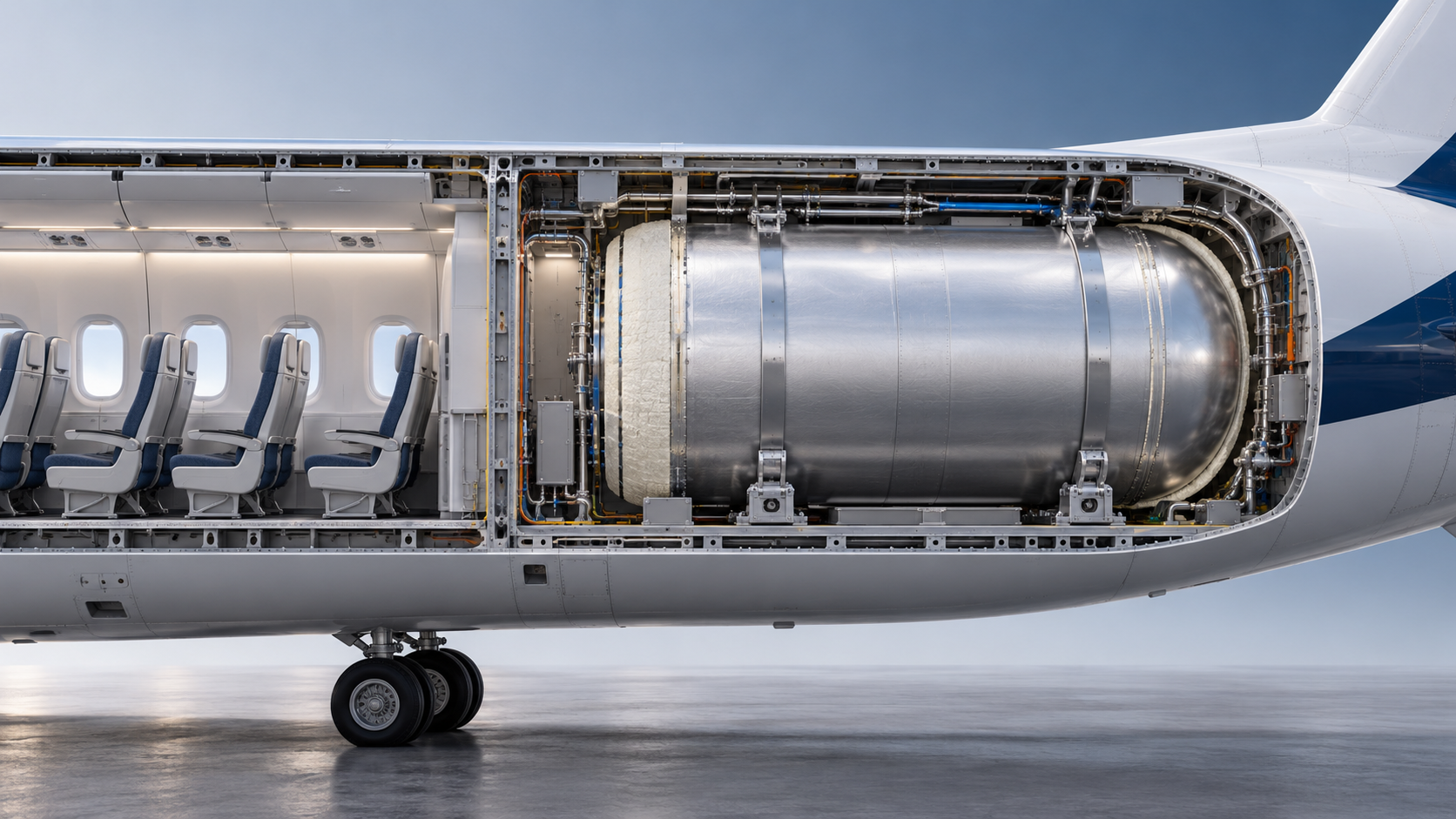
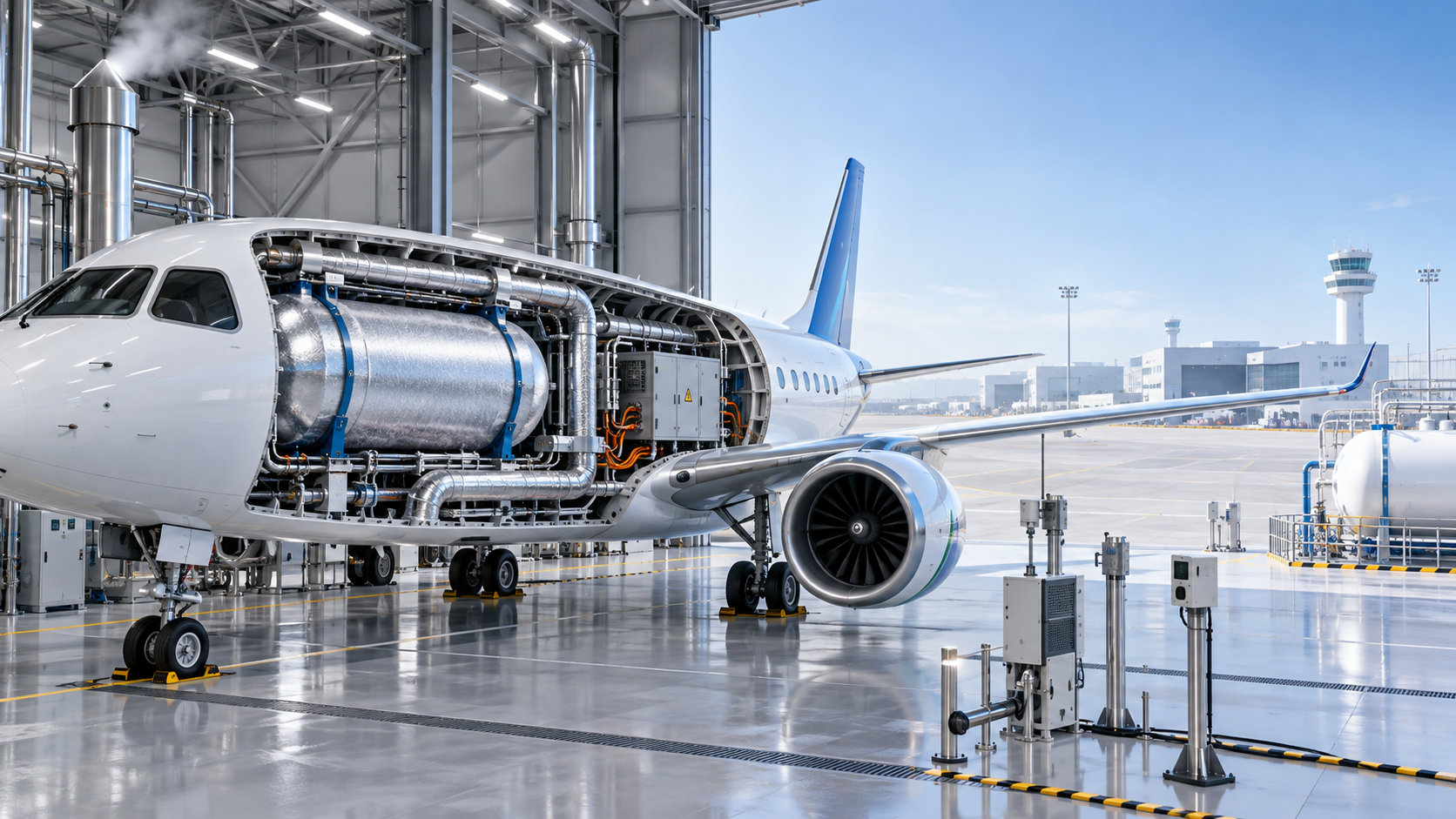
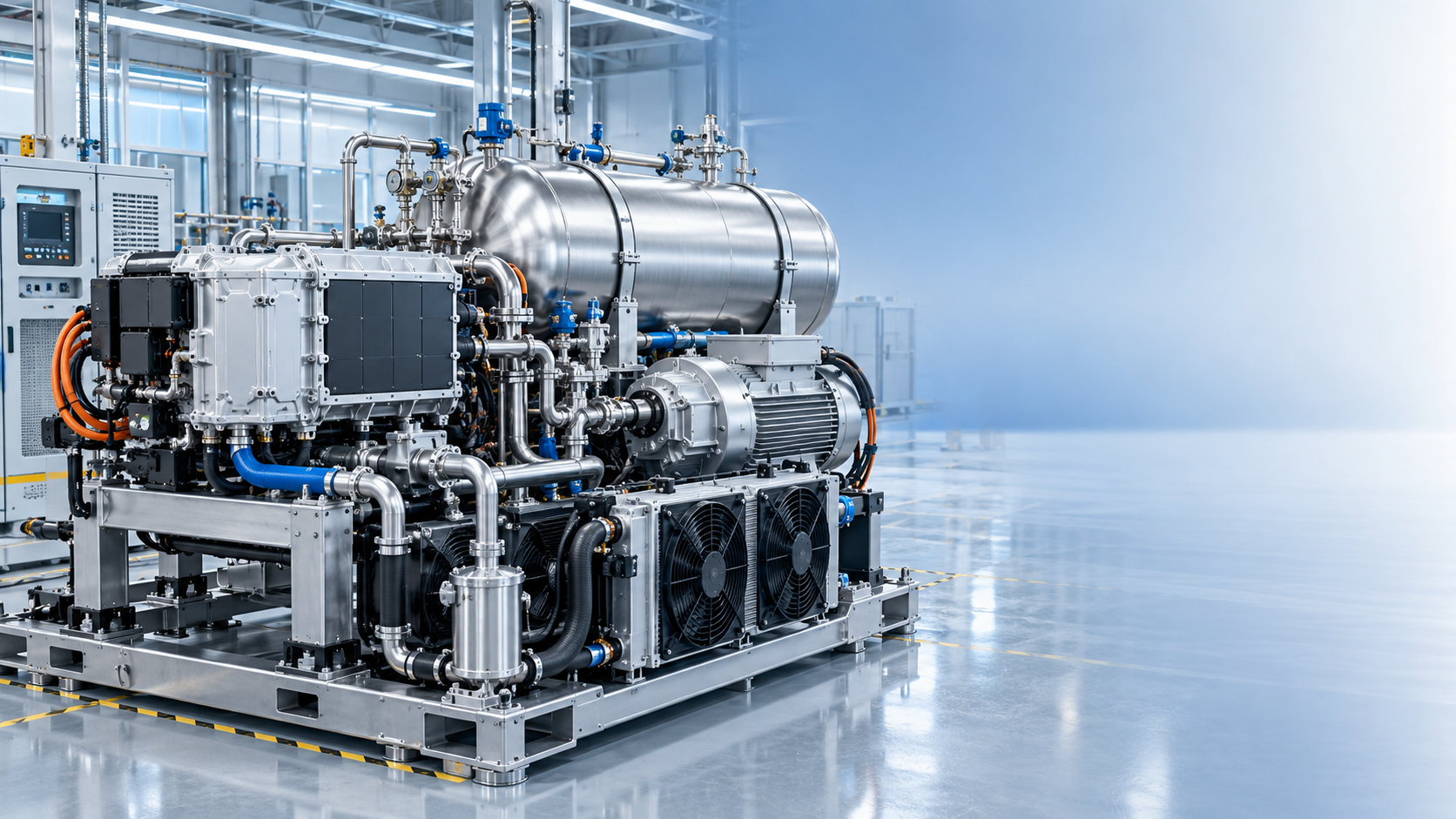
Hydrogen combustion burns hydrogen in modified gas turbines. This route may be attractive for aircraft requiring higher thrust, but it still involves thermal management, nitrogen oxide mitigation, and significant redesign of fuel storage systems. Fuel-cell systems convert hydrogen into electricity, enabling quieter operation and high electrical efficiency, but they add stack, cooling, and power electronics complexity.
Where each model fits today
- Fuel-cell aircraft: often more viable for sub-500 km missions, light regional services, and cargo drones.
- Hydrogen combustion: more relevant for larger regional aircraft and longer-term single-aisle studies.
- Hybrid architectures: useful during transition phases where battery buffers, fuel cells, and electric motors share load.
The table below helps decision-makers compare the two primary hydrogen energy pathways in flight using operational factors that matter in fleet strategy, not just laboratory performance.
The strategic takeaway is clear: hydrogen energy is not a uniform investment category. A company targeting 9- to 19-seat regional aircraft may prioritize fuel-cell maturity and airport charging-fueling integration, while a larger OEM may focus on cryogenic tank placement, fuselage redesign, and turbine adaptation timelines extending beyond 2035.
Why range changes the conversation
Range is central because aviation economics depend on route utility, not just propulsion efficiency. Batteries may work for 100 to 300 km operations in some aircraft classes, but hydrogen energy can potentially extend that envelope while preserving more payload. This is one reason hydrogen remains under active evaluation for regional transport, remote logistics, and missions where runway access exists but grid charging speed is limited.
That said, hydrogen’s volumetric energy challenge is substantial. Even though hydrogen has high gravimetric energy, it requires bulky storage, especially in liquid form at cryogenic conditions. For aerospace executives, this means range gains can be offset by airframe redesign penalties, cabin trade-offs, or lower cargo volume unless platform architecture is optimized from the start.
Cost Outlook: What Enterprise Buyers Should Model Before Committing
The cost outlook for hydrogen energy in flight cannot be reduced to fuel price alone. A sound business model must combine at least 4 layers: aircraft acquisition cost, fuel production and delivery cost, ground infrastructure, and maintenance support. In early programs, infrastructure and certification-related engineering can outweigh fuel savings for several years.
For this reason, enterprise buyers should build scenario models across 3 time frames: near-term pilots in 1 to 3 years, scale-up deployment in 3 to 7 years, and strategic fleet transition in 8 to 15 years. The economics can look very different at each stage, especially when airport hydrogen supply is not yet standardized.
The four cost buckets that matter most
- Aircraft integration cost, including tanks, insulation, control systems, and structural redesign.
- Fuel cost, which varies by hydrogen production route, transport distance, and liquefaction needs.
- Airport infrastructure, such as storage vessels, fueling interfaces, safety zones, and training.
- Lifecycle support, including stack replacement cycles, cryogenic inspection routines, and spare parts planning.
The next table provides a practical framework for assessing where hydrogen energy may create cost pressure or long-term value in aviation programs.
A disciplined reading of these factors suggests that hydrogen energy is most compelling where operators can concentrate demand at a limited number of airports, standardize mission profiles, and secure long-duration supply contracts. Fragmented networks with low utilization may struggle to justify the first wave of investment.
Infrastructure economics are route economics
Many executive teams underestimate how strongly airport and route design shape total cost. A hydrogen-powered fleet serving 6 to 10 recurring city pairs can be easier to finance than a broad network with 30 low-frequency destinations. Concentration improves storage utilization, workforce familiarity, and fueling process consistency.
This is why regional carriers, industrial shuttle operators, and specialized logistics platforms may move earlier than large, hub-and-spoke operators. Their route structures often allow tighter operational control, shorter turnaround targets, and phased infrastructure deployment at 1 or 2 anchor sites before wider expansion.
Range Outlook: Which Flight Segments Are Most Likely to Benefit First
The most credible early range outlook for hydrogen energy lies in short- to medium-distance segments where payload, endurance, and turnaround matter more than absolute seat density. In practical terms, the first viable applications are more likely to emerge in cargo feeders, island links, remote access routes, and regional shuttle networks than in long-haul widebody service.
For enterprise planners, the question is not whether hydrogen can eventually support longer missions. The immediate question is where it can create revenue-quality range within certification and infrastructure constraints during the next 10 years. That calls for disciplined segment selection rather than broad assumptions.
Most promising early-use cases
- Regional passenger routes below roughly 500 to 1,000 km, depending on aircraft configuration.
- Dedicated cargo services where cabin layout is less restrictive than passenger seating layouts.
- Extreme-environment logistics where low-emission operation and fuel portability matter.
- Urban air mobility and advanced air transport missions needing longer endurance than battery-only systems.
What limits range in real operations
Real-world range depends on more than stored energy. Enterprises must consider reserve requirements, climb performance, weather diversion rules, tank placement, insulation mass, and airport turnaround procedures. A concept range of 800 km may translate into a commercially planned route significantly shorter once payload and reserve margins are included.
This is especially important for procurement teams comparing hydrogen energy with sustainable aviation fuel pathways or hybrid-electric alternatives. Hydrogen may improve emissions performance, but unless the mission retains acceptable payload and schedule reliability, the route will not support durable margins.
Certification, Safety, and Risk Management for Decision-Makers
Certification readiness is one of the biggest gating factors in hydrogen aviation. The technical promise of hydrogen energy must be translated into certifiable systems covering storage, leak detection, crashworthiness, thermal control, emergency procedures, and maintenance documentation. This is where enterprise optimism often meets program reality.
Authorities such as FAA and EASA already provide safety frameworks relevant to new propulsion, but hydrogen-specific compliance pathways will continue to evolve. Leaders should expect multi-year validation cycles, staged approvals, and additional testing requirements for fuel tanks, venting systems, and ground handling procedures.
Four risk areas that deserve early board attention
- Cryogenic storage integrity across repeated thermal cycles.
- Airport operational safety, including fueling isolation distances and emergency response drills.
- Supply reliability for hydrogen of consistent purity and condition.
- Technician and pilot training readiness across new maintenance and operating procedures.
A practical implementation sequence
A sound rollout typically follows 5 steps: mission screening, concept benchmarking, airport feasibility assessment, certification engagement, and pilot deployment. Each phase should have measurable exit criteria. For example, airport feasibility should confirm storage method, fueling time target, emergency access, and operating temperature controls before capital release.
G-AIT’s cross-sector perspective is valuable here because hydrogen flight cannot be evaluated in isolation. Lessons from cryogenic transport, autonomous system redundancy, and safety-critical mobility infrastructure help enterprises avoid narrow technology decisions that later create certification or service bottlenecks.
How Enterprise Leaders Should Evaluate Hydrogen Energy Programs Now
The most effective strategy is not immediate full-fleet replacement. It is a selective, benchmark-driven entry model. Start by identifying 2 or 3 route families where hydrogen energy can create measurable operational value, then test economic resilience under conservative assumptions for range, turnaround, and infrastructure cost.
Decision-makers should also compare hydrogen against adjacent pathways, including sustainable aviation fuel, hybrid-electric systems, and efficiency-led airframe upgrades. In many cases, the winning portfolio will be mixed rather than exclusive. Hydrogen may be best deployed where batteries are too limited and drop-in fuels do not deliver the strategic differentiation or long-term emissions trajectory required.
A procurement and strategy checklist
- Define mission range in operational, not theoretical, kilometers.
- Model infrastructure cost across at least 2 airport scenarios.
- Assess certification pathway maturity before final platform selection.
- Include workforce training and maintenance tooling in total cost of ownership.
- Use phased deployment gates tied to safety, utilization, and route economics.
Hydrogen energy in flight is neither a short-term cure-all nor a speculative sideshow. It is a serious strategic option whose value depends on fit: fit with aircraft architecture, fit with airport infrastructure, fit with route design, and fit with regulatory timing. Organizations that evaluate those variables rigorously will be better positioned to capture first-mover advantages without absorbing avoidable technology risk.
For enterprise leaders in aerospace and advanced transportation, the next step is disciplined readiness planning rather than passive observation. If you need a tailored assessment of hydrogen energy pathways, range scenarios, certification implications, or infrastructure benchmarks, contact us to get a customized solution and explore the next generation of flight with greater clarity.
Article Categories
SYSTEM_ALERT_URGENT
Q3 SYMPOSIUM ON ORBITAL DYNAMICS
Registration for the Orbital Aerospace technical committee is now open. Node access required.
Recent Articles
![]() Oct 27, 2026FAA Certifies Boeing 737 MAX 10 After Years of DelaysFAA Certifies Boeing 737 MAX 10 After Years of Delays
Oct 27, 2026FAA Certifies Boeing 737 MAX 10 After Years of DelaysFAA Certifies Boeing 737 MAX 10 After Years of Delays Oct 27, 2026Can an intermodal connectivity platform reduce rail handoff delays?Can an intermodal connectivity platform reduce rail handoff delays?
![]() Oct 26, 2026Chery Unveils Global Smart Mobility Strategy Targeting Robotaxis and eVTOLsChery Unveils Global Smart Mobility Strategy Targeting Robotaxis and eVTOLs
Oct 26, 2026Chery Unveils Global Smart Mobility Strategy Targeting Robotaxis and eVTOLsChery Unveils Global Smart Mobility Strategy Targeting Robotaxis and eVTOLs Oct 26, 2026How to evaluate avionics for helicopters used in IFR operationsHow to evaluate avionics for helicopters used in IFR operations
![]() Oct 25, 2026Ukraine’s Defence Minister Says SpaceX Satellite Services Restored After Speed RestrictionsUkraine’s Defence Minister Says SpaceX Satellite Services Restored After Speed Restrictions
Oct 25, 2026Ukraine’s Defence Minister Says SpaceX Satellite Services Restored After Speed RestrictionsUkraine’s Defence Minister Says SpaceX Satellite Services Restored After Speed Restrictions Oct 25, 2026How satellite infrastructure for IoT affects sensor reporting delaysHow satellite infrastructure for IoT affects sensor reporting delays
![]() Oct 24, 2026China Successfully Launches Yaogan 50-03 SatelliteChina Successfully Launches Yaogan 50-03 Satellite
Oct 24, 2026China Successfully Launches Yaogan 50-03 SatelliteChina Successfully Launches Yaogan 50-03 Satellite Oct 24, 2026How gradients affect traction power needs in high-speed rolling stockHow gradients affect traction power needs in high-speed rolling stock
![]() Oct 23, 2026FAA Proposes Checks on Nearly 2,000 Boeing 737NGs Over Loss-of-Control RiskFAA Proposes Checks on Nearly 2,000 Boeing 737NGs Over Loss-of-Control Risk
Oct 23, 2026FAA Proposes Checks on Nearly 2,000 Boeing 737NGs Over Loss-of-Control RiskFAA Proposes Checks on Nearly 2,000 Boeing 737NGs Over Loss-of-Control Risk Oct 23, 2026How fuel choice affects specific impulse in liquid oxygen propulsionHow fuel choice affects specific impulse in liquid oxygen propulsion
![]() Oct 22, 2026QuantumScape Plans 100 MWh Solid-State Battery Line Targeting Aerospace and Other MarketsQuantumScape Plans 100 MWh Solid-State Battery Line Targeting Aerospace and Other Markets
Oct 22, 2026QuantumScape Plans 100 MWh Solid-State Battery Line Targeting Aerospace and Other MarketsQuantumScape Plans 100 MWh Solid-State Battery Line Targeting Aerospace and Other Markets Oct 22, 2026How tank size limits hydrogen aircraft range on regional flightsHow tank size limits hydrogen aircraft range on regional flights
![]() Oct 21, 2026FAA Certifies Boeing 737-10, Clearing Regulatory Hurdle for DeliveriesFAA Certifies Boeing 737-10, Clearing Regulatory Hurdle for Deliveries
Oct 21, 2026FAA Certifies Boeing 737-10, Clearing Regulatory Hurdle for DeliveriesFAA Certifies Boeing 737-10, Clearing Regulatory Hurdle for Deliveries Oct 21, 2026How are electric vertical takeoff aircraft certified in the US?How are electric vertical takeoff aircraft certified in the US?
![]() Oct 20, 2026Ohio Department of Transportation Releases Three-Year Advanced Air Mobility Action PlanOhio Department of Transportation Releases Three-Year Advanced Air Mobility Action Plan
Oct 20, 2026Ohio Department of Transportation Releases Three-Year Advanced Air Mobility Action PlanOhio Department of Transportation Releases Three-Year Advanced Air Mobility Action Plan Oct 20, 2026How does magnetic flux density in tesla affect maglev lift force?How does magnetic flux density in tesla affect maglev lift force?
![]() Oct 19, 2026ZeroAvia Completes Key Ground Tests of ZA600 Hydrogen Fuel Cell PowertrainZeroAvia Completes Key Ground Tests of ZA600 Hydrogen Fuel Cell Powertrain
Oct 19, 2026ZeroAvia Completes Key Ground Tests of ZA600 Hydrogen Fuel Cell PowertrainZeroAvia Completes Key Ground Tests of ZA600 Hydrogen Fuel Cell Powertrain Oct 19, 2026How spacecraft integration affects advanced propulsion costsHow spacecraft integration affects advanced propulsion costs
 Oct 18, 2026How chilldown prevents cavitation in cryogenic engine systemsHow chilldown prevents cavitation in cryogenic engine systems
 Oct 17, 2026How explainability affects algorithmic trust in AI flight systemsHow explainability affects algorithmic trust in AI flight systems
 Oct 16, 2026How to evaluate transportation technology for Middle East heatHow to evaluate transportation technology for Middle East heat
 Oct 15, 2026How common-cause failures defeat redundancy logic in European avionicsHow common-cause failures defeat redundancy logic in European avionics
 Oct 14, 2026How DO-160 applies to aerospace technology testing for avionicsHow DO-160 applies to aerospace technology testing for avionics
 Oct 13, 2026How fuel price volatility shapes commercial aviation cost trendsHow fuel price volatility shapes commercial aviation cost trends
 Oct 12, 2026How to qualify aerospace manufacturing components for traceabilityHow to qualify aerospace manufacturing components for traceability
 Oct 11, 2026Which certification hurdles are slowing hydrogen aviation in Europe?Which certification hurdles are slowing hydrogen aviation in Europe?
 Oct 10, 2026What evidence should a magnetic gap stability supplier provide?What evidence should a magnetic gap stability supplier provide?
 Oct 09, 2026Which ISO standards matter when qualifying industrial technology suppliers?Which ISO standards matter when qualifying industrial technology suppliers?
 Oct 08, 2026When does reusability actually lower launch vehicle costs?When does reusability actually lower launch vehicle costs?
 Oct 07, 2026Where to find reliable product knowledge resources in the Middle EastWhere to find reliable product knowledge resources in the Middle East
 Oct 06, 2026What drives high-speed rail systems cost per kilometer?What drives high-speed rail systems cost per kilometer?
 Oct 05, 2026When does hydrogen propulsion for UAV extend mission range enough to justify it?When does hydrogen propulsion for UAV extend mission range enough to justify it?
 Oct 04, 2026How rail systems integration reduces commissioning delaysHow rail systems integration reduces commissioning delays
 Oct 03, 2026How to evaluate an advanced propulsion manufacturer for hydrogen systemsHow to evaluate an advanced propulsion manufacturer for hydrogen systems
 Oct 02, 2026How to qualify aircraft components for OEM production approvalHow to qualify aircraft components for OEM production approval