Refrigerated Shipping Containers: Running Cost Factors
Lead Author
Published
Views:
What Really Shapes Refrigerated Shipping Containers Running Costs
For procurement teams evaluating refrigerated shipping containers, understanding the real drivers behind running costs is essential for smarter sourcing and long-term budget control.
The purchase price matters, but daily operating expense often decides whether a unit stays cost-efficient over its working life.
That is especially true in aerospace, advanced transportation, and extreme-environment logistics, where temperature stability, uptime, and compliance all carry measurable value.
G-AIT benchmarking across high-performance mobility systems shows the same pattern repeatedly: lifecycle cost usually comes down to operating discipline, environmental fit, and technical specification accuracy.
Below are the cost factors worth checking before comparing refrigerated shipping containers on price alone.
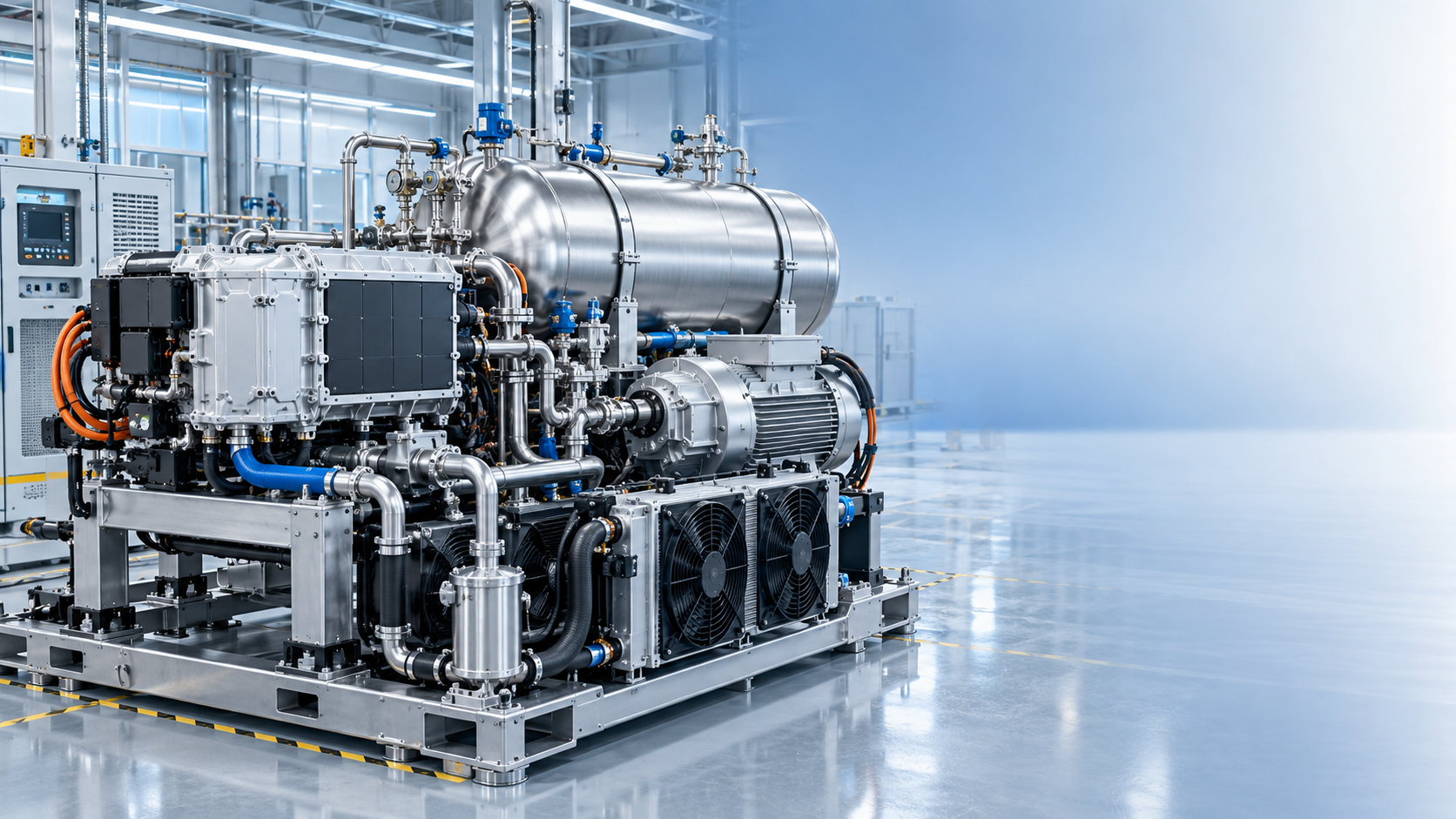
[Image 01: Refrigerated shipping containers operating at a high-performance logistics site]
- Start with power draw under actual load, not brochure figures. Ambient heat, door openings, and setpoint stability can shift energy cost far more than a small difference in purchase price.
- Check insulation quality and floor condition carefully. Better thermal retention lowers compressor runtime, reduces temperature swings, and usually cuts long-term running cost in demanding logistics environments.
- Review maintenance intervals before ordering. Refrigerated shipping containers with easier access to condensers, fans, and controllers usually cost less to keep in service.
- Match container size to cargo profile. Oversized units waste energy when partially loaded, while undersized units can stress airflow and push cooling systems beyond efficient operating ranges.
- Ask for service records on used units. A cheaper container with hidden compressor wear or poor door sealing often becomes the more expensive option within months.
- Confirm the intended duty cycle early. Continuous operation, standby storage, and frequent loading all create different running cost patterns for refrigerated shipping containers.
Energy Use Is Usually the Biggest Cost Lever
In most cases, electricity is the first number to model.
Refrigerated shipping containers running in hot coastal yards, airport support zones, or remote transport hubs will consume more power than identical units in mild climates.
That sounds obvious, but it is often underestimated during sourcing.
What to verify before comparing units
- Request power consumption data at realistic ambient temperatures. Testing at mild conditions may hide the true operating cost of refrigerated shipping containers used in exposed industrial sites.
- Check defrost cycle efficiency. Poorly optimized defrost control increases electricity use and can also create unstable internal temperatures for sensitive cargo.
- Evaluate door-opening frequency in real workflows. Repeated access during cross-docking or field support operations can raise energy use faster than many buyers expect.
A simple cost model helps. Estimate annual operating hours, average power draw, local electricity rate, and seasonal ambient variation.
That one exercise often changes the purchasing shortlist.
Insulation, Airflow, and Sealing Make a Bigger Difference Than Many Expect
If energy is the visible cost, insulation is the hidden multiplier.
Weak insulation, damaged door gaskets, or blocked airflow forces the cooling system to work harder every hour.
In specialized logistics, that also raises operational risk.
- Inspect door seals, hinges, and latch pressure. Even minor air leakage can undermine refrigerated shipping containers in hot, humid, or high-cycle loading conditions.
- Review internal airflow design for the expected cargo type. Dense or irregular loads can create warm pockets that increase compressor demand and product risk.
- Do not ignore floor wear. Damaged flooring may disrupt air circulation under cargo and gradually reduce thermal performance over time.
This matters in aviation support and advanced transportation programs where spare parts, composites, batteries, or temperature-sensitive subsystems may require stable storage windows.
A cheaper unit with poor thermal integrity can create both cost leakage and operational friction.
Maintenance Costs Depend on Design, Age, and Parts Access
Maintenance is not only about repair frequency.
It also includes technician access, spare part availability, diagnostic simplicity, and how quickly a unit returns to service.
Common cost drivers that get missed
- Prioritize common-component models where possible. Refrigerated shipping containers using widely available parts usually reduce repair delays and emergency sourcing premiums.
- Compare controller systems and alarm visibility. Better diagnostics shorten fault isolation time and lower maintenance labor over the asset lifecycle.
- Ask whether service support exists near the deployment area. Remote operations can turn a minor refrigeration fault into a major downtime expense.
Used refrigerated shipping containers deserve extra scrutiny here.
Service logs, compressor history, evaporator condition, and prior structural repairs can all change the true operating cost.
Operating Scenario Changes the Best Buying Decision
Not every refrigerated shipping container works economically in every setting.
The right choice for a static backup storage yard may be the wrong choice for high-turnover intermodal logistics.
Fixed-site industrial storage
For long-duration stationary use, focus on energy efficiency, insulation retention, and easy preventive maintenance.
Check power supply compatibility, condenser cleanliness planning, and weather exposure controls before finalizing the order.
High-frequency loading and unloading
Where access is frequent, door performance and temperature recovery speed matter more than headline capacity.
This is common in time-sensitive logistics linked to airport operations, high-speed transport corridors, or field deployment support.
Remote or harsh environments
In remote nodes, reliability often beats low upfront price.
Fewer failure points, simpler controls, and parts availability become more valuable than theoretical efficiency gains that are hard to support locally.
A Practical Shortlist for Comparing Refrigerated Shipping Containers
A side-by-side comparison works best when it goes beyond quote totals.
Use the same operating assumptions for every option, then compare likely lifecycle impact.
- Calculate annual electricity cost using the same duty cycle for every option. This gives a cleaner comparison of refrigerated shipping containers across different brands or ages.
- Score each unit on insulation condition, service access, and parts support. These often predict real operating cost better than purchase price alone.
- Include downtime risk in the evaluation. A lower-cost container is less attractive when failure could interrupt critical transport or storage operations.
- Review compliance and monitoring needs early. In advanced transportation environments, recording, alarm logging, and temperature consistency may affect acceptance and useability.
This approach aligns well with the G-AIT mindset.
Performance should always be measured against operating context, system integrity, and long-term resilience, not just a low entry price.
Small Oversights That Often Become Expensive
Some cost issues are easy to miss during sourcing because they seem minor at first.
They are usually not minor once the container enters regular service.
- Do not rely only on nominal temperature range. Ask how quickly the unit recovers after door openings or warm cargo placement.
- Check cable, plug, and voltage requirements early. Power mismatch can add avoidable installation cost and delay deployment.
- Inspect corrosion exposure history on used units. Coastal and chemically harsh environments can shorten component life significantly.
These details matter even more when refrigerated shipping containers support specialized cargo, remote infrastructure, or high-availability transport programs.
Making the Next Decision Easier
The most cost-efficient refrigerated shipping containers are rarely the cheapest units on the quote sheet.
They are the ones that match the workload, climate, maintenance model, and uptime requirement without wasting energy or creating service friction.
A practical next step is to compare options using five filters: real power use, insulation quality, maintenance burden, deployment environment, and downtime exposure.
Once those are clear, choosing refrigerated shipping containers becomes less about guesswork and much more about controlled, defendable cost.
Article Categories
SYSTEM_ALERT_URGENT
Q3 SYMPOSIUM ON ORBITAL DYNAMICS
Registration for the Orbital Aerospace technical committee is now open. Node access required.
Taglist:
Recent Articles
![]() Oct 27, 2026FAA Certifies Boeing 737 MAX 10 After Years of DelaysFAA Certifies Boeing 737 MAX 10 After Years of Delays
Oct 27, 2026FAA Certifies Boeing 737 MAX 10 After Years of DelaysFAA Certifies Boeing 737 MAX 10 After Years of Delays Oct 27, 2026Can an intermodal connectivity platform reduce rail handoff delays?Can an intermodal connectivity platform reduce rail handoff delays?
![]() Oct 26, 2026Chery Unveils Global Smart Mobility Strategy Targeting Robotaxis and eVTOLsChery Unveils Global Smart Mobility Strategy Targeting Robotaxis and eVTOLs
Oct 26, 2026Chery Unveils Global Smart Mobility Strategy Targeting Robotaxis and eVTOLsChery Unveils Global Smart Mobility Strategy Targeting Robotaxis and eVTOLs Oct 26, 2026How to evaluate avionics for helicopters used in IFR operationsHow to evaluate avionics for helicopters used in IFR operations
![]() Oct 25, 2026Ukraine’s Defence Minister Says SpaceX Satellite Services Restored After Speed RestrictionsUkraine’s Defence Minister Says SpaceX Satellite Services Restored After Speed Restrictions
Oct 25, 2026Ukraine’s Defence Minister Says SpaceX Satellite Services Restored After Speed RestrictionsUkraine’s Defence Minister Says SpaceX Satellite Services Restored After Speed Restrictions Oct 25, 2026How satellite infrastructure for IoT affects sensor reporting delaysHow satellite infrastructure for IoT affects sensor reporting delays
![]() Oct 24, 2026China Successfully Launches Yaogan 50-03 SatelliteChina Successfully Launches Yaogan 50-03 Satellite
Oct 24, 2026China Successfully Launches Yaogan 50-03 SatelliteChina Successfully Launches Yaogan 50-03 Satellite Oct 24, 2026How gradients affect traction power needs in high-speed rolling stockHow gradients affect traction power needs in high-speed rolling stock
![]() Oct 23, 2026FAA Proposes Checks on Nearly 2,000 Boeing 737NGs Over Loss-of-Control RiskFAA Proposes Checks on Nearly 2,000 Boeing 737NGs Over Loss-of-Control Risk
Oct 23, 2026FAA Proposes Checks on Nearly 2,000 Boeing 737NGs Over Loss-of-Control RiskFAA Proposes Checks on Nearly 2,000 Boeing 737NGs Over Loss-of-Control Risk Oct 23, 2026How fuel choice affects specific impulse in liquid oxygen propulsionHow fuel choice affects specific impulse in liquid oxygen propulsion
![]() Oct 22, 2026QuantumScape Plans 100 MWh Solid-State Battery Line Targeting Aerospace and Other MarketsQuantumScape Plans 100 MWh Solid-State Battery Line Targeting Aerospace and Other Markets
Oct 22, 2026QuantumScape Plans 100 MWh Solid-State Battery Line Targeting Aerospace and Other MarketsQuantumScape Plans 100 MWh Solid-State Battery Line Targeting Aerospace and Other Markets Oct 22, 2026How tank size limits hydrogen aircraft range on regional flightsHow tank size limits hydrogen aircraft range on regional flights
![]() Oct 21, 2026FAA Certifies Boeing 737-10, Clearing Regulatory Hurdle for DeliveriesFAA Certifies Boeing 737-10, Clearing Regulatory Hurdle for Deliveries
Oct 21, 2026FAA Certifies Boeing 737-10, Clearing Regulatory Hurdle for DeliveriesFAA Certifies Boeing 737-10, Clearing Regulatory Hurdle for Deliveries Oct 21, 2026How are electric vertical takeoff aircraft certified in the US?How are electric vertical takeoff aircraft certified in the US?
![]() Oct 20, 2026Ohio Department of Transportation Releases Three-Year Advanced Air Mobility Action PlanOhio Department of Transportation Releases Three-Year Advanced Air Mobility Action Plan
Oct 20, 2026Ohio Department of Transportation Releases Three-Year Advanced Air Mobility Action PlanOhio Department of Transportation Releases Three-Year Advanced Air Mobility Action Plan Oct 20, 2026How does magnetic flux density in tesla affect maglev lift force?How does magnetic flux density in tesla affect maglev lift force?
![]() Oct 19, 2026ZeroAvia Completes Key Ground Tests of ZA600 Hydrogen Fuel Cell PowertrainZeroAvia Completes Key Ground Tests of ZA600 Hydrogen Fuel Cell Powertrain
Oct 19, 2026ZeroAvia Completes Key Ground Tests of ZA600 Hydrogen Fuel Cell PowertrainZeroAvia Completes Key Ground Tests of ZA600 Hydrogen Fuel Cell Powertrain Oct 19, 2026How spacecraft integration affects advanced propulsion costsHow spacecraft integration affects advanced propulsion costs
 Oct 18, 2026How chilldown prevents cavitation in cryogenic engine systemsHow chilldown prevents cavitation in cryogenic engine systems
 Oct 17, 2026How explainability affects algorithmic trust in AI flight systemsHow explainability affects algorithmic trust in AI flight systems
 Oct 16, 2026How to evaluate transportation technology for Middle East heatHow to evaluate transportation technology for Middle East heat
 Oct 15, 2026How common-cause failures defeat redundancy logic in European avionicsHow common-cause failures defeat redundancy logic in European avionics
 Oct 14, 2026How DO-160 applies to aerospace technology testing for avionicsHow DO-160 applies to aerospace technology testing for avionics
 Oct 13, 2026How fuel price volatility shapes commercial aviation cost trendsHow fuel price volatility shapes commercial aviation cost trends
 Oct 12, 2026How to qualify aerospace manufacturing components for traceabilityHow to qualify aerospace manufacturing components for traceability
 Oct 11, 2026Which certification hurdles are slowing hydrogen aviation in Europe?Which certification hurdles are slowing hydrogen aviation in Europe?
 Oct 10, 2026What evidence should a magnetic gap stability supplier provide?What evidence should a magnetic gap stability supplier provide?
 Oct 09, 2026Which ISO standards matter when qualifying industrial technology suppliers?Which ISO standards matter when qualifying industrial technology suppliers?
 Oct 08, 2026When does reusability actually lower launch vehicle costs?When does reusability actually lower launch vehicle costs?
 Oct 07, 2026Where to find reliable product knowledge resources in the Middle EastWhere to find reliable product knowledge resources in the Middle East
 Oct 06, 2026What drives high-speed rail systems cost per kilometer?What drives high-speed rail systems cost per kilometer?
 Oct 05, 2026When does hydrogen propulsion for UAV extend mission range enough to justify it?When does hydrogen propulsion for UAV extend mission range enough to justify it?
 Oct 04, 2026How rail systems integration reduces commissioning delaysHow rail systems integration reduces commissioning delays
 Oct 03, 2026How to evaluate an advanced propulsion manufacturer for hydrogen systemsHow to evaluate an advanced propulsion manufacturer for hydrogen systems
 Oct 02, 2026How to qualify aircraft components for OEM production approvalHow to qualify aircraft components for OEM production approval