Renewable Power Integration Risks in Remote Industrial Projects
Lead Author
Published
Views:
For remote industrial programs, renewable power often looks like the obvious next move. It can cut fuel exposure, improve resilience, and support long-term decarbonization goals.
But in aerospace, advanced transportation, and extreme-environment infrastructure, integration is rarely simple. A power concept that works on paper can fail under unstable loads, harsh weather, weak logistics, or certification pressure.
That matters even more in G-AIT-relevant environments, where uptime, safety margins, and system traceability are non-negotiable. Whether the site supports satellite infrastructure, UAM testing, rail systems, or remote logistics, the real issue is not whether to use renewable power, but how to integrate it without creating hidden project risk.
Where renewable power integration usually goes wrong first
Before looking at hardware, it helps to look at failure patterns. In most remote industrial projects, risk appears early in assumptions, not in equipment datasheets.
The first gap is usually load realism. Teams often size renewable power around average demand, while actual operations depend on peaks, startup currents, thermal controls, and emergency redundancy.
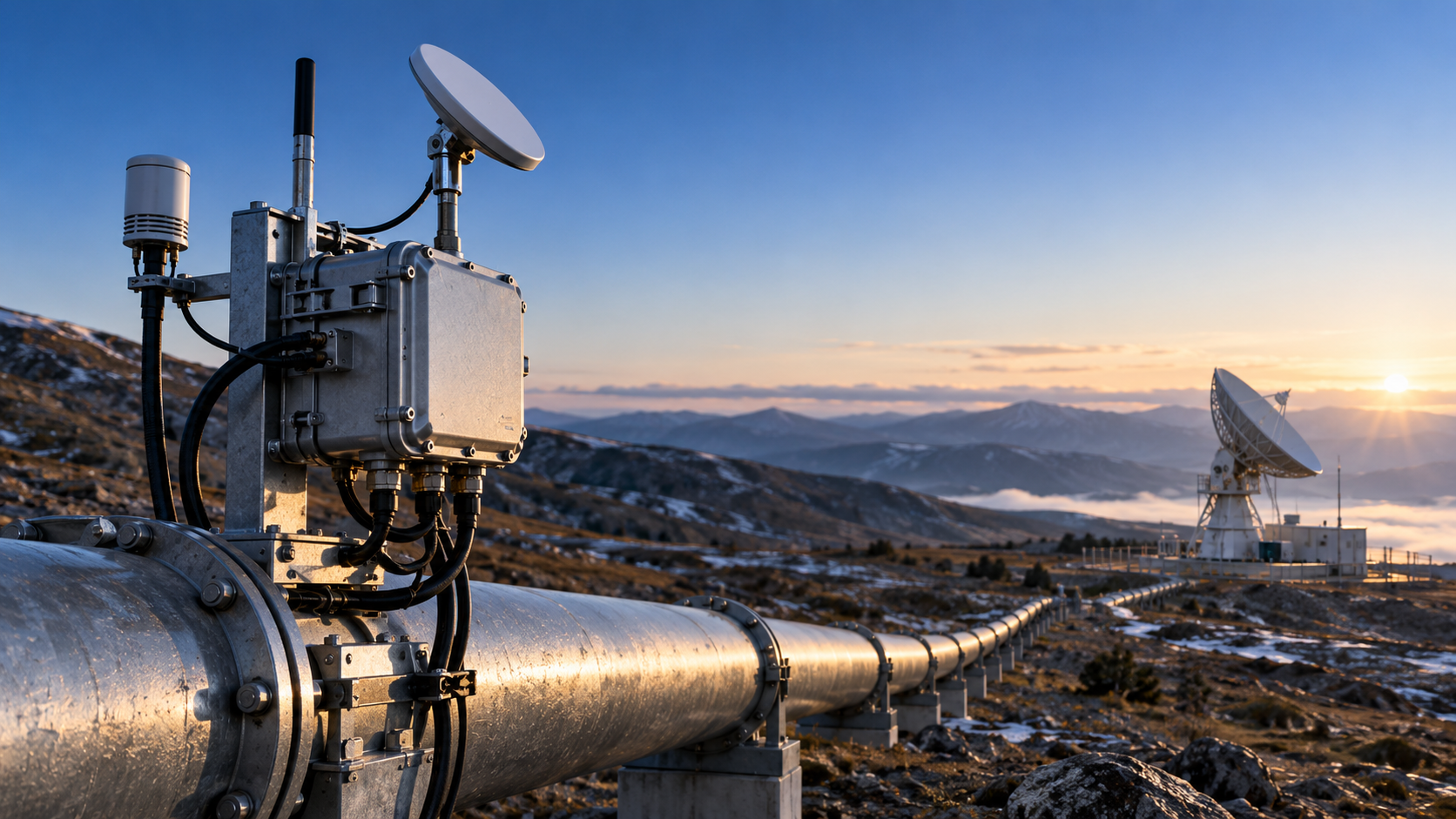
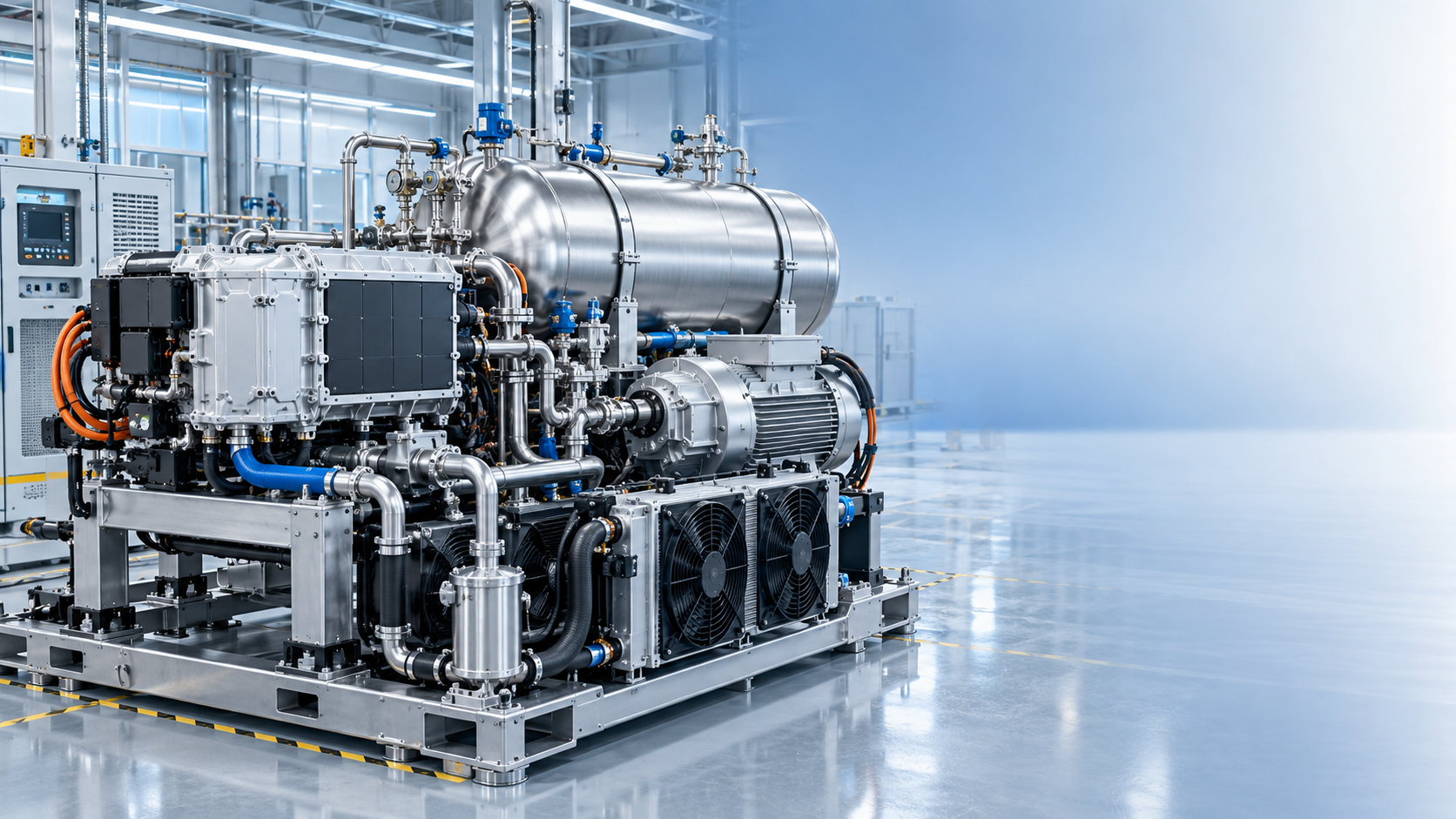
[Image 01: Remote industrial site with hybrid solar, storage, backup generation, and critical control systems in a harsh environment]
The second gap is environmental stress. Dust, icing, salt exposure, vibration, altitude, and temperature swings can degrade generation, storage, and power electronics much faster than expected.
The third gap is systems interaction. A remote facility may combine automation, communications, HVAC, charging loads, signaling, or propulsion test equipment. Those systems do not all tolerate power variability equally.
- Validate demand using real operating sequences, not daily averages. Startup surges, standby losses, and contingency loads often reshape the entire renewable power architecture.
- Model weather against performance degradation, not nameplate output. Seasonal mismatch can turn a technically feasible renewable power design into an operational liability.
- Map critical loads by tolerance band. Controls, safety systems, and communications usually need cleaner, more stable power than general auxiliary equipment.
- Review maintenance access early. If inverters, battery modules, or spare parts are hard to reach, a minor fault can create long downtime.
- Check interface logic between renewable power, storage, and backup generation. Poor switching design can trigger nuisance trips or unstable recovery after disturbances.
- Align performance assumptions with certification and audit needs. In regulated sectors, undocumented power decisions can delay approvals more than technical defects.
The risks that deserve the most attention
1. Load volatility is often underestimated
Remote projects rarely run on flat demand curves. Test cycles, charging events, heating systems, pumps, and communications bursts can create sharp load swings.
In a maglev subsystem, a satellite relay node, or an eVTOL support site, short-duration peaks can be more important than average hourly consumption. If sizing ignores those peaks, renewable power looks stable until live operations begin.
2. Storage may solve one problem and create another
Battery systems help smooth renewable power, but they bring thermal, safety, lifecycle, and replacement planning challenges. In remote locations, battery failure is never just a component issue.
It can affect fire protection, enclosure design, transport restrictions, insurance assumptions, and mission continuity. That is especially relevant in high-value infrastructure where shutdown windows are limited.
3. Harsh environments distort performance assumptions
Datasheet conditions are rarely site conditions. Solar output drops under dust buildup. Wind systems can face turbulence, icing, or maintenance access issues. Battery efficiency falls in cold or extreme heat.
In specialized extreme-environment logistics, these issues stack up quickly. The result is not only lower output, but less predictable output, which is more dangerous for critical operations.
4. Compliance can become a late-stage blocker
Projects linked to aerospace and advanced transportation are often shaped by FAA, EASA, ISO, UIC, grid, fire, and local electrical requirements. A technically strong renewable power design can still stall if traceability is weak.
This usually shows up in protection philosophy, grounding, battery safety, isolation, data logging, or change control. By the time the issue appears, redesign is expensive.
What to check before locking the power concept
A practical review should connect energy design to operations, logistics, and assurance. That is where many remote projects become either bankable and stable, or fragile and reactive.
- Set a minimum autonomy target for critical loads. Without a clear runtime threshold, renewable power storage sizing becomes inconsistent and hard to defend.
- Define what must stay online during transfer events. This avoids broad backup design and protects high-value systems that cannot tolerate interruption.
- Stress-test the control philosophy using abnormal cases. Cloud transients, communication loss, and sensor faults often expose weak integration logic.
- Evaluate replacement cycles as part of CAPEX planning. A low-cost renewable power concept can become expensive if battery or inverter renewal is ignored.
- Confirm spare parts strategy at site level. Remote projects lose time not only from failures, but from delayed recovery after predictable failures.
- Document assumptions in a reviewable format. Cross-functional clarity helps engineering, finance, operations, and compliance teams make the same decision.
How these risks show up in real project settings
Remote aerospace support infrastructure
A remote aerospace facility may rely on renewable power for communications, thermal control, perimeter systems, and mission support equipment. The challenge is not total energy demand alone.
It is the combination of uptime expectations, environmental exposure, and strict incident tolerance. A short-quality event that seems minor in a commercial facility can become unacceptable here.
High-speed rail or maglev corridor assets
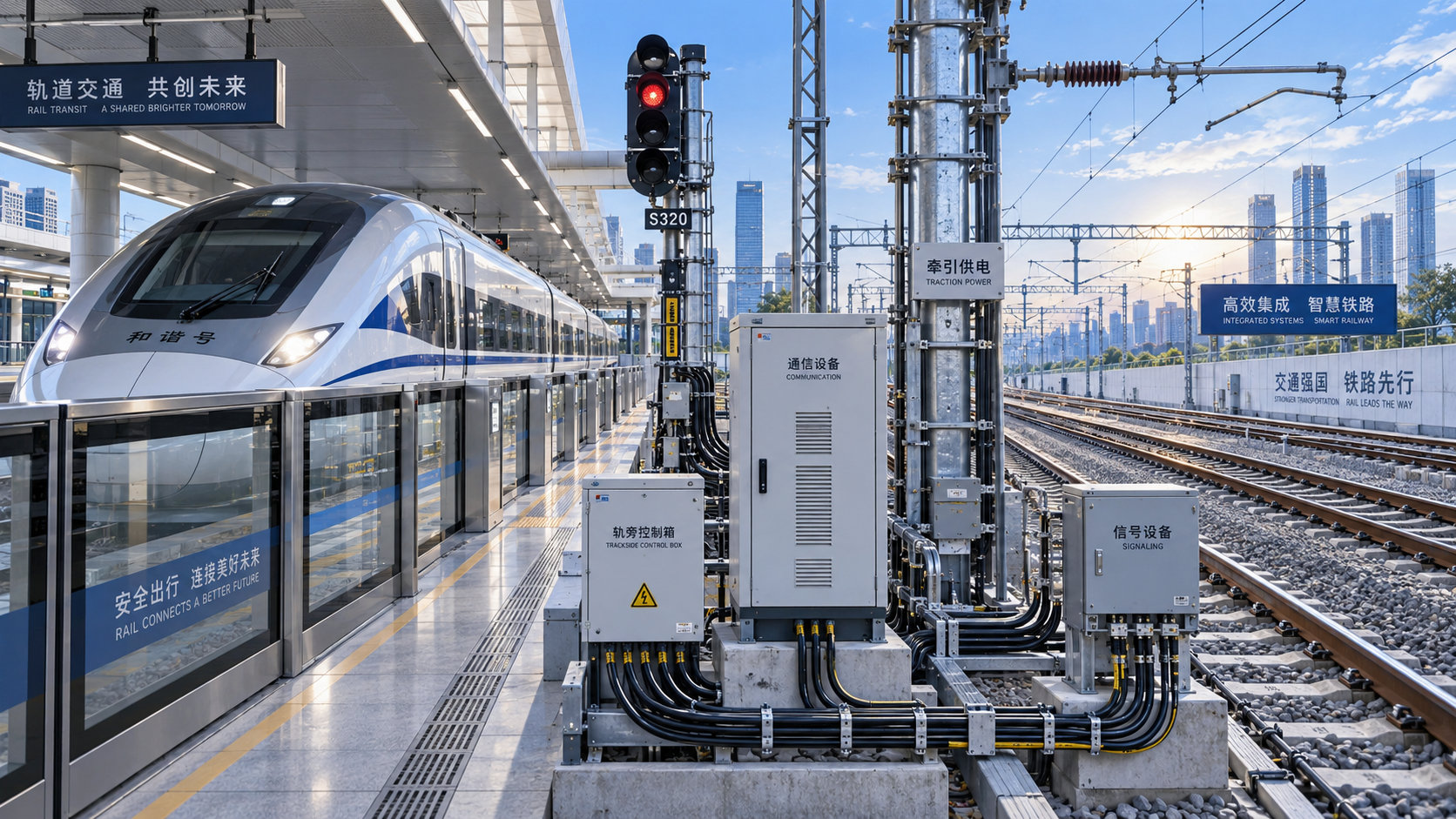
In rail-side assets, signaling, monitoring, and communication systems may sit far from strong grid support. Renewable power can help reduce fuel logistics, but power quality and redundancy become central.
The key checkpoint is whether the hybrid system supports safe fail states. If it cannot, energy savings will never outweigh the operational risk.
Extreme-environment logistics hubs
Polar, desert, offshore, or mountainous sites often pursue renewable power because fuel delivery is costly and uncertain. That logic is valid, but only when maintenance and weather losses are honestly modeled.
If access windows are short, reliability engineering matters more than theoretical annual generation. In practice, maintainability is part of energy performance.
A more reliable way to move forward
The strongest approach is usually hybrid, staged, and evidence-based. That means pairing renewable power with storage, backup generation, smart controls, and clearly ranked loads.
It also means validating the design against the real mission profile, not just energy models. In G-AIT-aligned sectors, benchmarking against international standards and proven operating envelopes is a practical advantage, not an administrative step.
If a remote project is still in planning, start with three questions: which loads are truly critical, what environmental conditions will distort renewable power performance, and what evidence will be needed for approval later.
Those answers usually reveal the right architecture faster than adding more equipment. And they reduce the chance that a well-intended renewable power strategy becomes a long-term operational burden.
Article Categories
SYSTEM_ALERT_URGENT
Q3 SYMPOSIUM ON ORBITAL DYNAMICS
Registration for the Orbital Aerospace technical committee is now open. Node access required.
Recent Articles
![]() Oct 27, 2026FAA Certifies Boeing 737 MAX 10 After Years of DelaysFAA Certifies Boeing 737 MAX 10 After Years of Delays
Oct 27, 2026FAA Certifies Boeing 737 MAX 10 After Years of DelaysFAA Certifies Boeing 737 MAX 10 After Years of Delays Oct 27, 2026Can an intermodal connectivity platform reduce rail handoff delays?Can an intermodal connectivity platform reduce rail handoff delays?
![]() Oct 26, 2026Chery Unveils Global Smart Mobility Strategy Targeting Robotaxis and eVTOLsChery Unveils Global Smart Mobility Strategy Targeting Robotaxis and eVTOLs
Oct 26, 2026Chery Unveils Global Smart Mobility Strategy Targeting Robotaxis and eVTOLsChery Unveils Global Smart Mobility Strategy Targeting Robotaxis and eVTOLs Oct 26, 2026How to evaluate avionics for helicopters used in IFR operationsHow to evaluate avionics for helicopters used in IFR operations
![]() Oct 25, 2026Ukraine’s Defence Minister Says SpaceX Satellite Services Restored After Speed RestrictionsUkraine’s Defence Minister Says SpaceX Satellite Services Restored After Speed Restrictions
Oct 25, 2026Ukraine’s Defence Minister Says SpaceX Satellite Services Restored After Speed RestrictionsUkraine’s Defence Minister Says SpaceX Satellite Services Restored After Speed Restrictions Oct 25, 2026How satellite infrastructure for IoT affects sensor reporting delaysHow satellite infrastructure for IoT affects sensor reporting delays
![]() Oct 24, 2026China Successfully Launches Yaogan 50-03 SatelliteChina Successfully Launches Yaogan 50-03 Satellite
Oct 24, 2026China Successfully Launches Yaogan 50-03 SatelliteChina Successfully Launches Yaogan 50-03 Satellite Oct 24, 2026How gradients affect traction power needs in high-speed rolling stockHow gradients affect traction power needs in high-speed rolling stock
![]() Oct 23, 2026FAA Proposes Checks on Nearly 2,000 Boeing 737NGs Over Loss-of-Control RiskFAA Proposes Checks on Nearly 2,000 Boeing 737NGs Over Loss-of-Control Risk
Oct 23, 2026FAA Proposes Checks on Nearly 2,000 Boeing 737NGs Over Loss-of-Control RiskFAA Proposes Checks on Nearly 2,000 Boeing 737NGs Over Loss-of-Control Risk Oct 23, 2026How fuel choice affects specific impulse in liquid oxygen propulsionHow fuel choice affects specific impulse in liquid oxygen propulsion
![]() Oct 22, 2026QuantumScape Plans 100 MWh Solid-State Battery Line Targeting Aerospace and Other MarketsQuantumScape Plans 100 MWh Solid-State Battery Line Targeting Aerospace and Other Markets
Oct 22, 2026QuantumScape Plans 100 MWh Solid-State Battery Line Targeting Aerospace and Other MarketsQuantumScape Plans 100 MWh Solid-State Battery Line Targeting Aerospace and Other Markets Oct 22, 2026How tank size limits hydrogen aircraft range on regional flightsHow tank size limits hydrogen aircraft range on regional flights
![]() Oct 21, 2026FAA Certifies Boeing 737-10, Clearing Regulatory Hurdle for DeliveriesFAA Certifies Boeing 737-10, Clearing Regulatory Hurdle for Deliveries
Oct 21, 2026FAA Certifies Boeing 737-10, Clearing Regulatory Hurdle for DeliveriesFAA Certifies Boeing 737-10, Clearing Regulatory Hurdle for Deliveries Oct 21, 2026How are electric vertical takeoff aircraft certified in the US?How are electric vertical takeoff aircraft certified in the US?
![]() Oct 20, 2026Ohio Department of Transportation Releases Three-Year Advanced Air Mobility Action PlanOhio Department of Transportation Releases Three-Year Advanced Air Mobility Action Plan
Oct 20, 2026Ohio Department of Transportation Releases Three-Year Advanced Air Mobility Action PlanOhio Department of Transportation Releases Three-Year Advanced Air Mobility Action Plan Oct 20, 2026How does magnetic flux density in tesla affect maglev lift force?How does magnetic flux density in tesla affect maglev lift force?
![]() Oct 19, 2026ZeroAvia Completes Key Ground Tests of ZA600 Hydrogen Fuel Cell PowertrainZeroAvia Completes Key Ground Tests of ZA600 Hydrogen Fuel Cell Powertrain
Oct 19, 2026ZeroAvia Completes Key Ground Tests of ZA600 Hydrogen Fuel Cell PowertrainZeroAvia Completes Key Ground Tests of ZA600 Hydrogen Fuel Cell Powertrain Oct 19, 2026How spacecraft integration affects advanced propulsion costsHow spacecraft integration affects advanced propulsion costs
 Oct 18, 2026How chilldown prevents cavitation in cryogenic engine systemsHow chilldown prevents cavitation in cryogenic engine systems
 Oct 17, 2026How explainability affects algorithmic trust in AI flight systemsHow explainability affects algorithmic trust in AI flight systems
 Oct 16, 2026How to evaluate transportation technology for Middle East heatHow to evaluate transportation technology for Middle East heat
 Oct 15, 2026How common-cause failures defeat redundancy logic in European avionicsHow common-cause failures defeat redundancy logic in European avionics
 Oct 14, 2026How DO-160 applies to aerospace technology testing for avionicsHow DO-160 applies to aerospace technology testing for avionics
 Oct 13, 2026How fuel price volatility shapes commercial aviation cost trendsHow fuel price volatility shapes commercial aviation cost trends
 Oct 12, 2026How to qualify aerospace manufacturing components for traceabilityHow to qualify aerospace manufacturing components for traceability
 Oct 11, 2026Which certification hurdles are slowing hydrogen aviation in Europe?Which certification hurdles are slowing hydrogen aviation in Europe?
 Oct 10, 2026What evidence should a magnetic gap stability supplier provide?What evidence should a magnetic gap stability supplier provide?
 Oct 09, 2026Which ISO standards matter when qualifying industrial technology suppliers?Which ISO standards matter when qualifying industrial technology suppliers?
 Oct 08, 2026When does reusability actually lower launch vehicle costs?When does reusability actually lower launch vehicle costs?
 Oct 07, 2026Where to find reliable product knowledge resources in the Middle EastWhere to find reliable product knowledge resources in the Middle East
 Oct 06, 2026What drives high-speed rail systems cost per kilometer?What drives high-speed rail systems cost per kilometer?
 Oct 05, 2026When does hydrogen propulsion for UAV extend mission range enough to justify it?When does hydrogen propulsion for UAV extend mission range enough to justify it?
 Oct 04, 2026How rail systems integration reduces commissioning delaysHow rail systems integration reduces commissioning delays
 Oct 03, 2026How to evaluate an advanced propulsion manufacturer for hydrogen systemsHow to evaluate an advanced propulsion manufacturer for hydrogen systems
 Oct 02, 2026How to qualify aircraft components for OEM production approvalHow to qualify aircraft components for OEM production approval