Global Trade Intelligence: 5 Signals That Reshape Sourcing Risk
Lead Author
Published
Views:
Why Global Trade Intelligence Now Shapes Sourcing Decisions
Global sourcing risk no longer comes from price swings alone.
It now emerges from export controls, certification exposure, technology dependencies, logistics instability, and sudden regional policy shifts.
That is why Global Trade Intelligence has moved from a supporting research function to a core decision framework.
For complex sectors tied to mobility, infrastructure, and advanced manufacturing, the cost of weak visibility is unusually high.
A delayed subsystem, noncompliant material source, or restricted electronic component can disrupt entire programs.
In aerospace and advanced transportation, sourcing choices also affect airworthiness, safety validation, lifecycle maintenance, and market access.
This is the operating context in which Global Trade Intelligence becomes strategically valuable.
It helps organizations interpret external signals before those signals become procurement failures or compliance incidents.

The picture is especially clear in future mobility industries, where innovation speed and regulatory scrutiny rise together.
A Practical View of Global Trade Intelligence
At its best, Global Trade Intelligence is not just trade data.
It is a structured way to read how policy, suppliers, technology, transport corridors, and standards interact across markets.
That includes customs patterns, sanctions exposure, supplier concentration, dual-use technology controls, and certification requirements.
It also includes subtler indicators, such as which countries are investing in strategic materials, testing capacity, or sovereign production programs.
For organizations working near the frontier of mobility systems, these signals rarely stay isolated.
A materials issue can become a regulatory issue.
A logistics disruption can become a launch delay, fleet grounding, or infrastructure bottleneck.
This is where the G-AIT perspective matters.
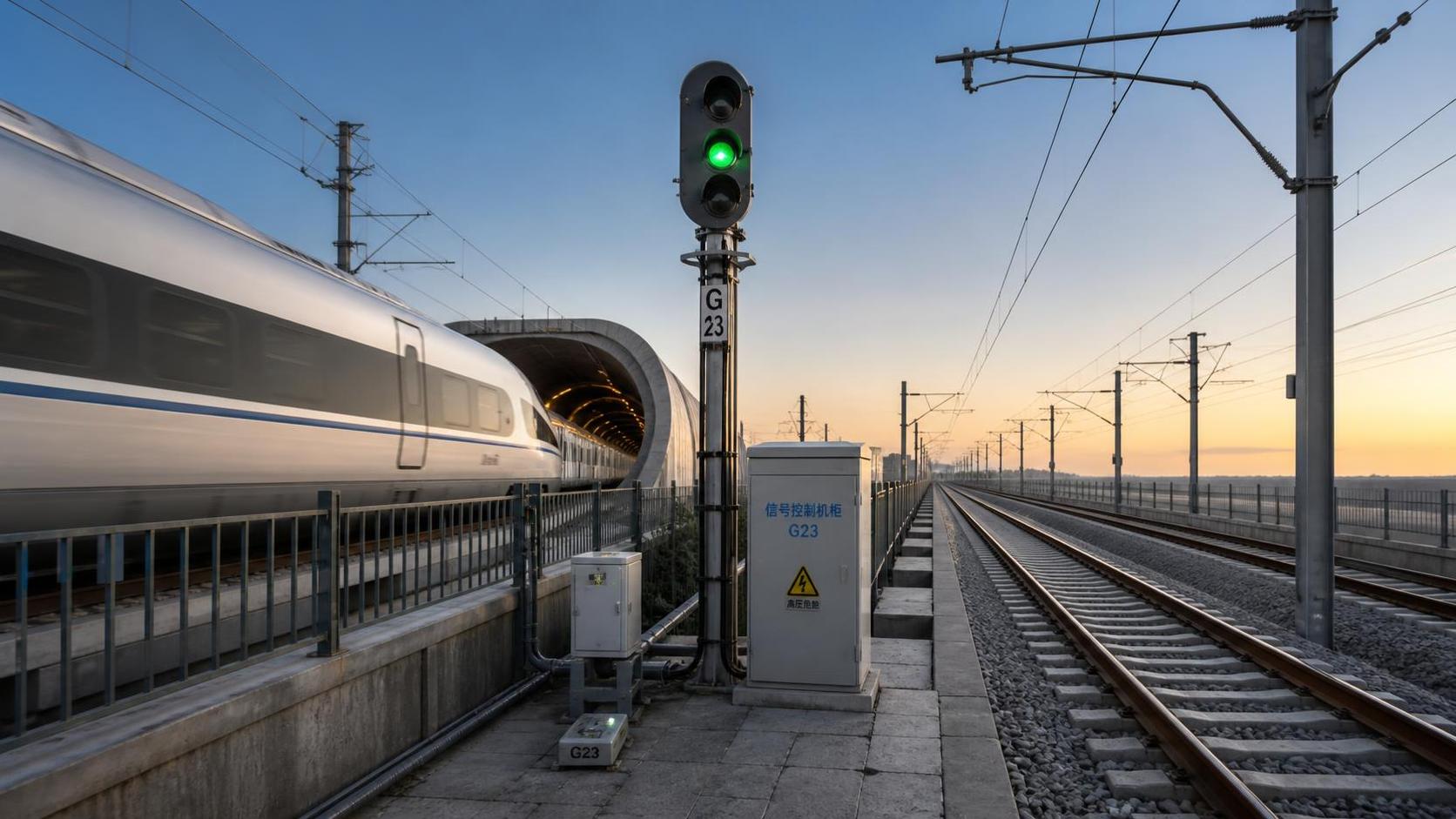
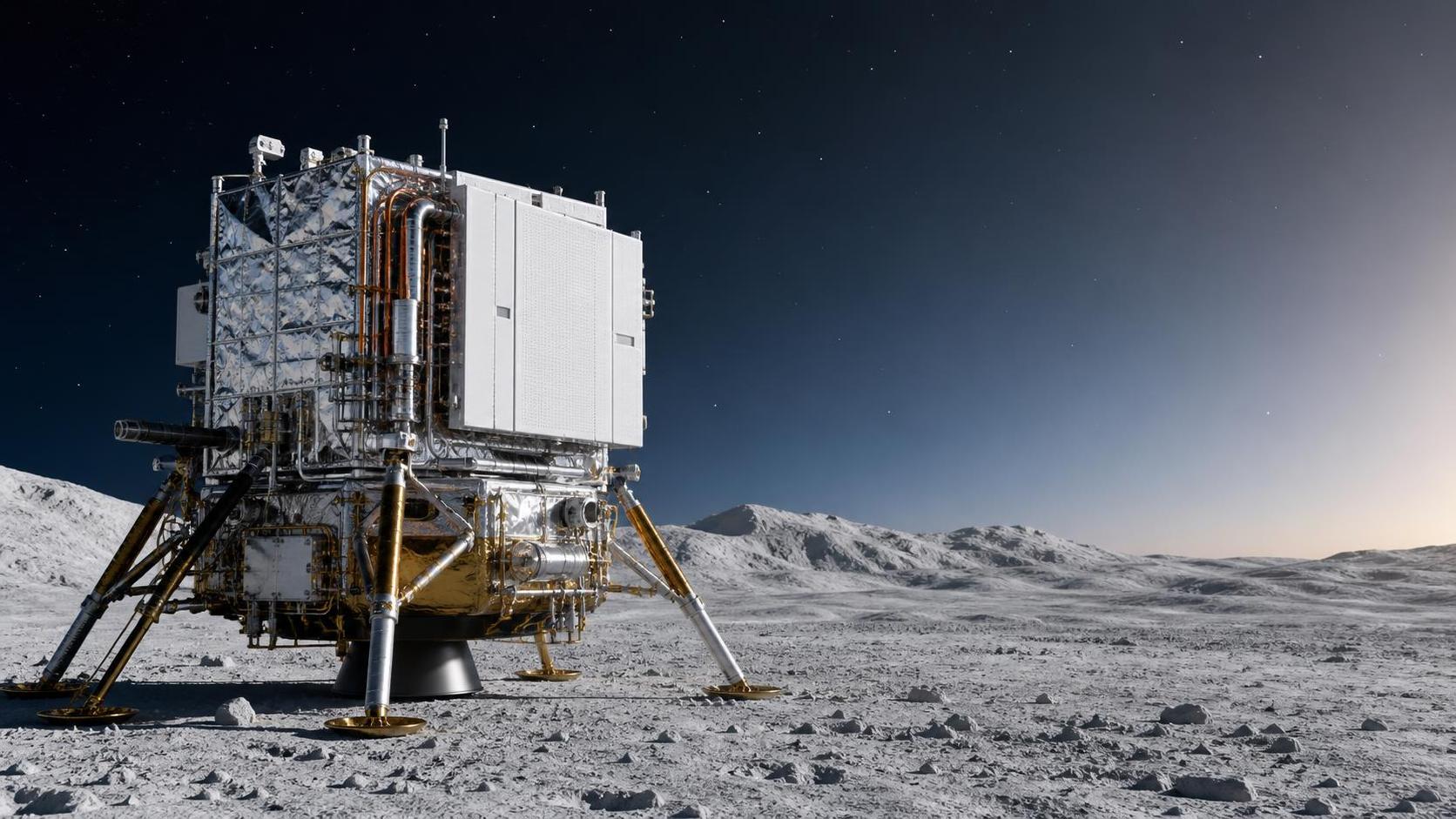
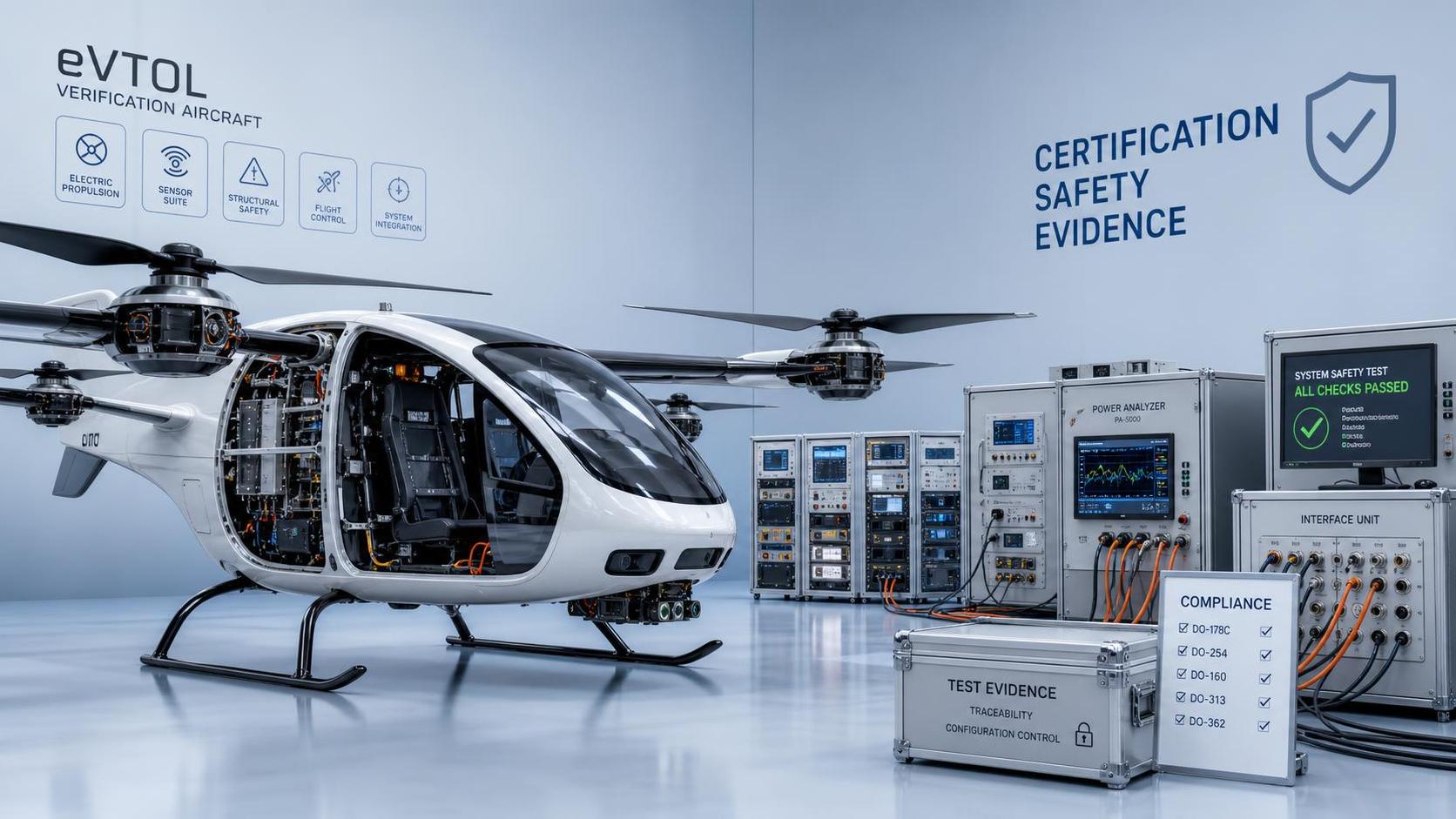
By connecting advanced commercial aviation, satellite infrastructure, maglev engineering, UAM, and extreme-environment logistics, G-AIT frames trade risk as a system issue.
That broader lens is essential when sourcing decisions affect performance, safety, and compliance at the same time.
The Five Signals Reshaping Sourcing Risk
1. Export controls are moving closer to core industrial inputs
Restrictions are no longer limited to finished defense systems or obvious high-risk technologies.
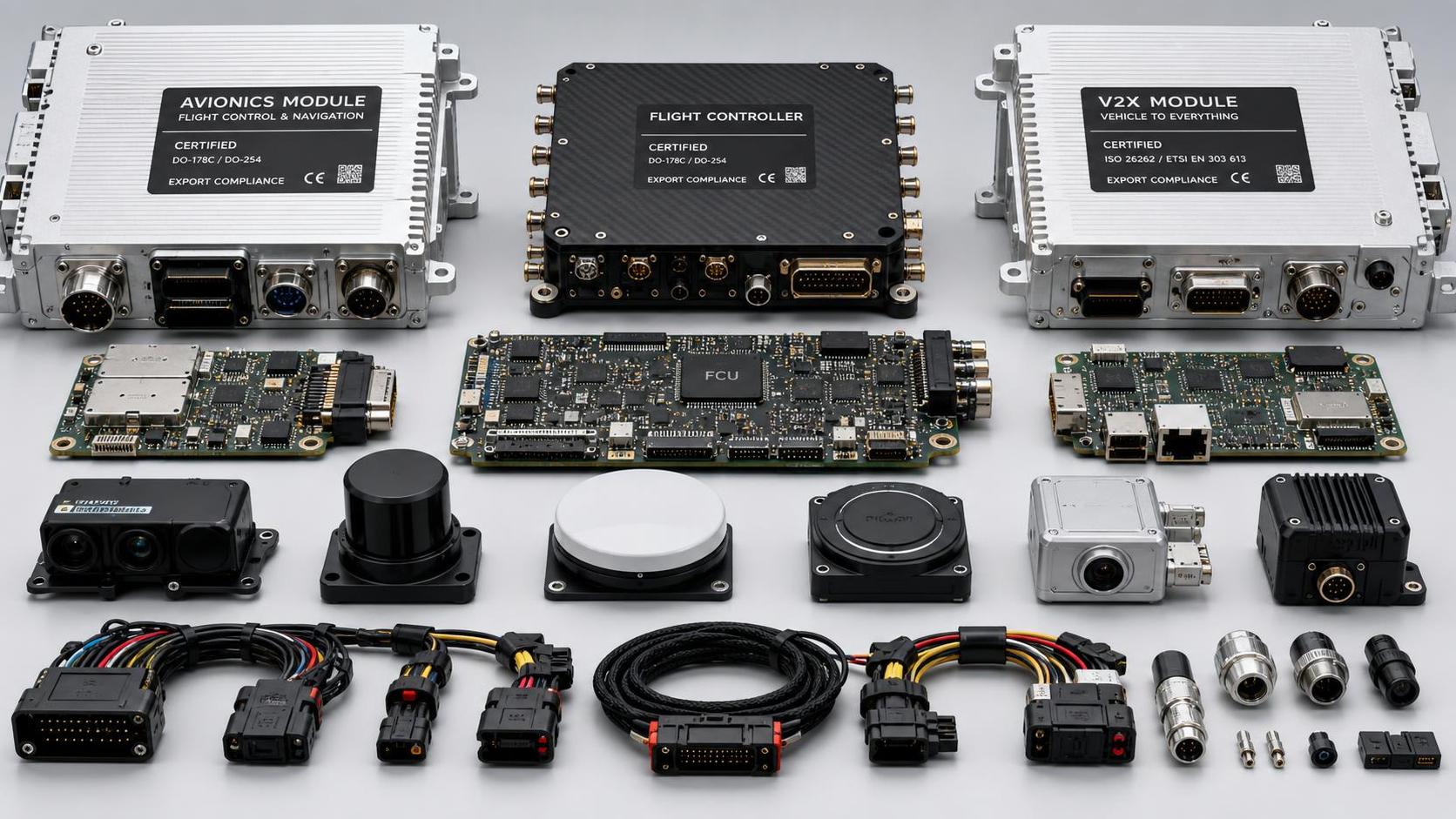
They increasingly touch semiconductors, avionics, sensors, propulsion components, advanced alloys, and software-enabled control architectures.
This changes sourcing risk because compliant procurement now depends on upstream visibility.
A supplier may appear qualified on cost and performance, yet still create exposure through licensing constraints or jurisdictional complexity.
2. Certification pathways are becoming a sourcing variable
In regulated sectors, a part is never just a part.
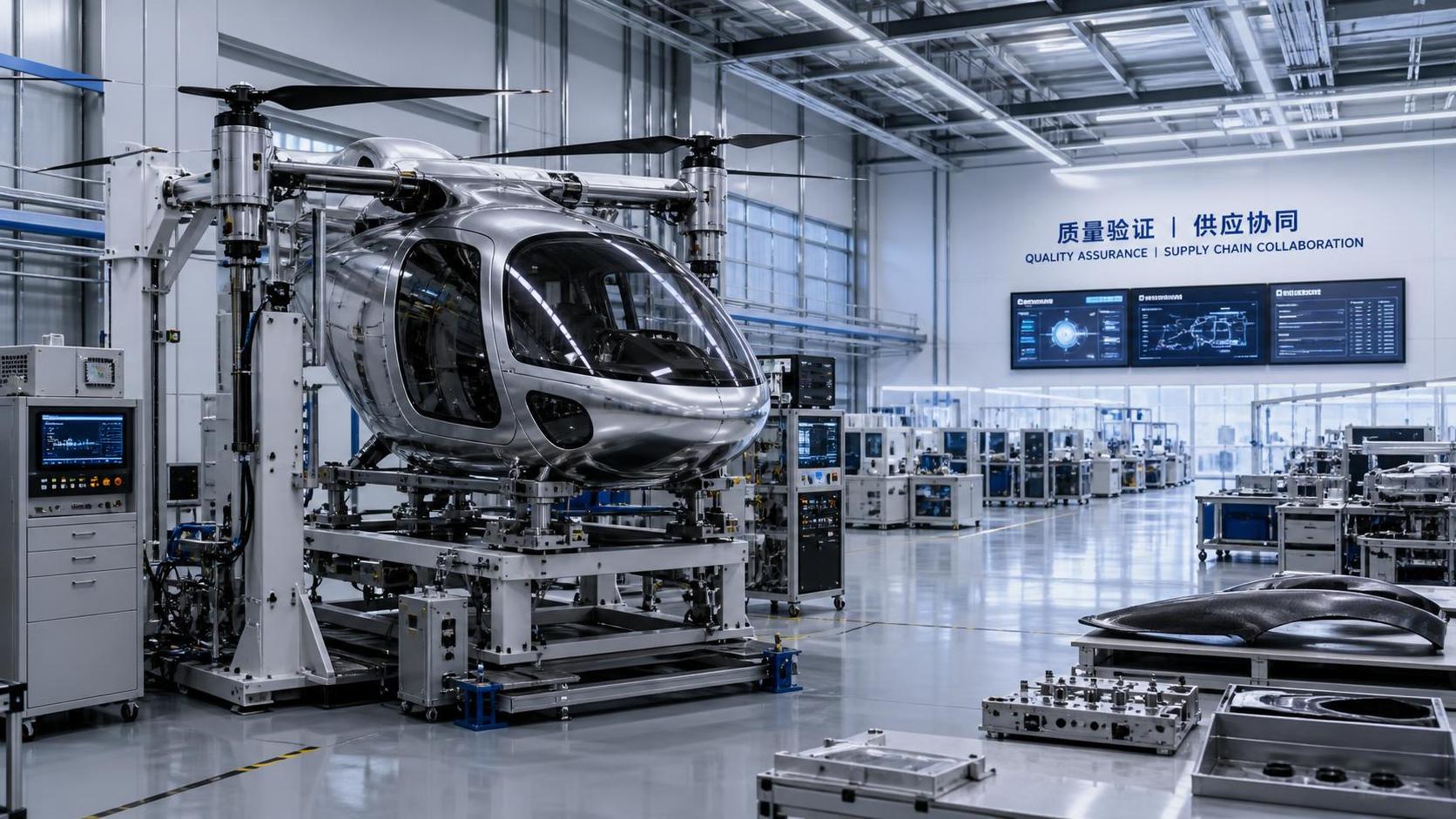
Its origin, traceability, testing history, and standards alignment can influence program approval timelines.
FAA, EASA, UIC, and ISO frameworks do not simply validate final systems.
They shape acceptable sourcing routes, documentation depth, and change-control discipline.
Global Trade Intelligence helps identify where certification friction may arise before supplier onboarding begins.
3. Strategic materials and components are concentrating geographically
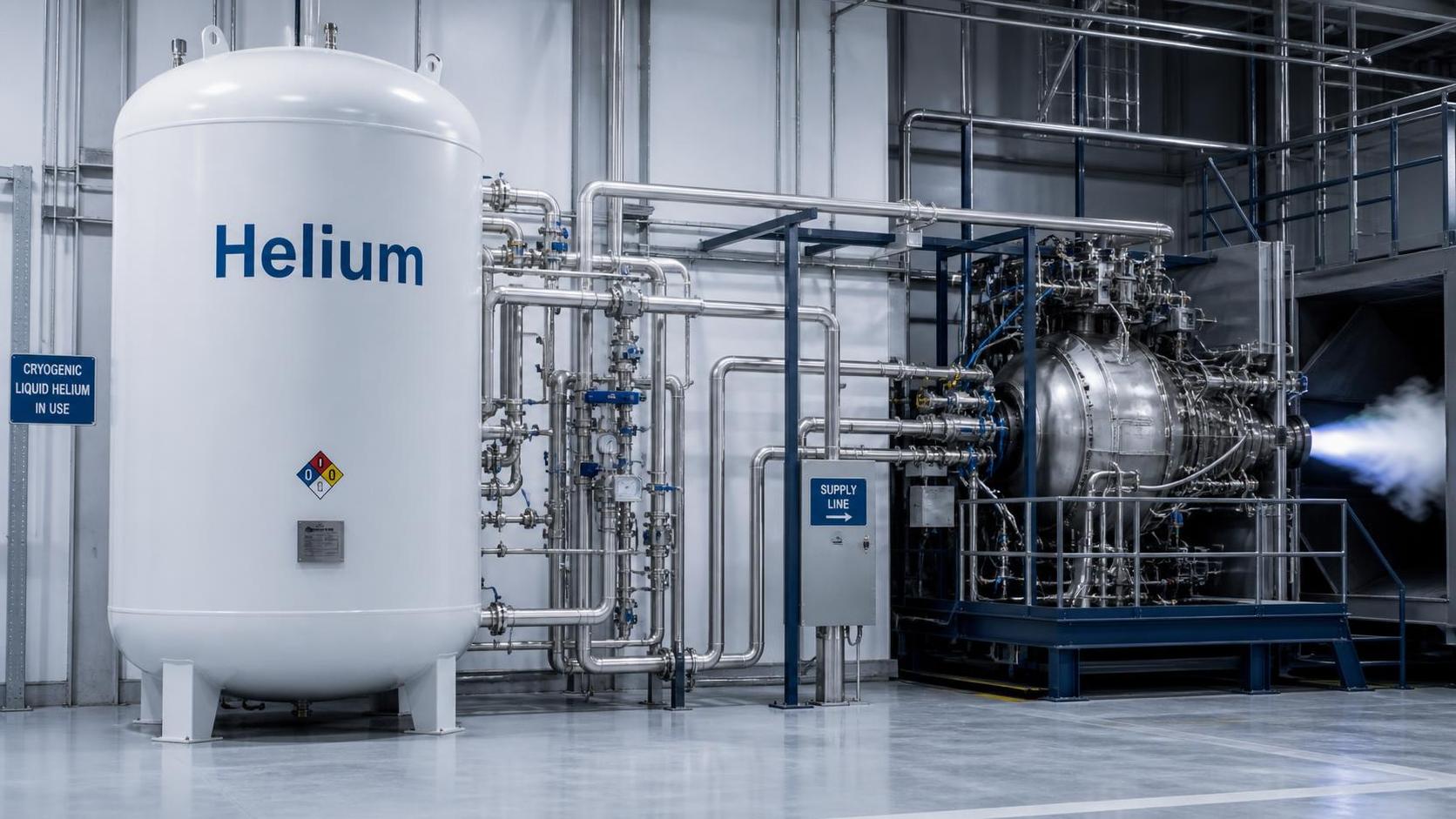
Battery minerals, rare earth processing, carbon composites, high-temperature materials, and specialized electronics remain unevenly distributed.
That concentration creates invisible dependency, even when tier-one suppliers appear diversified.
In practice, a single chokepoint several tiers down can destabilize an entire sourcing strategy.
This signal matters strongly in next-generation airframes, cryogenic propulsion, and zero-emission mobility platforms.
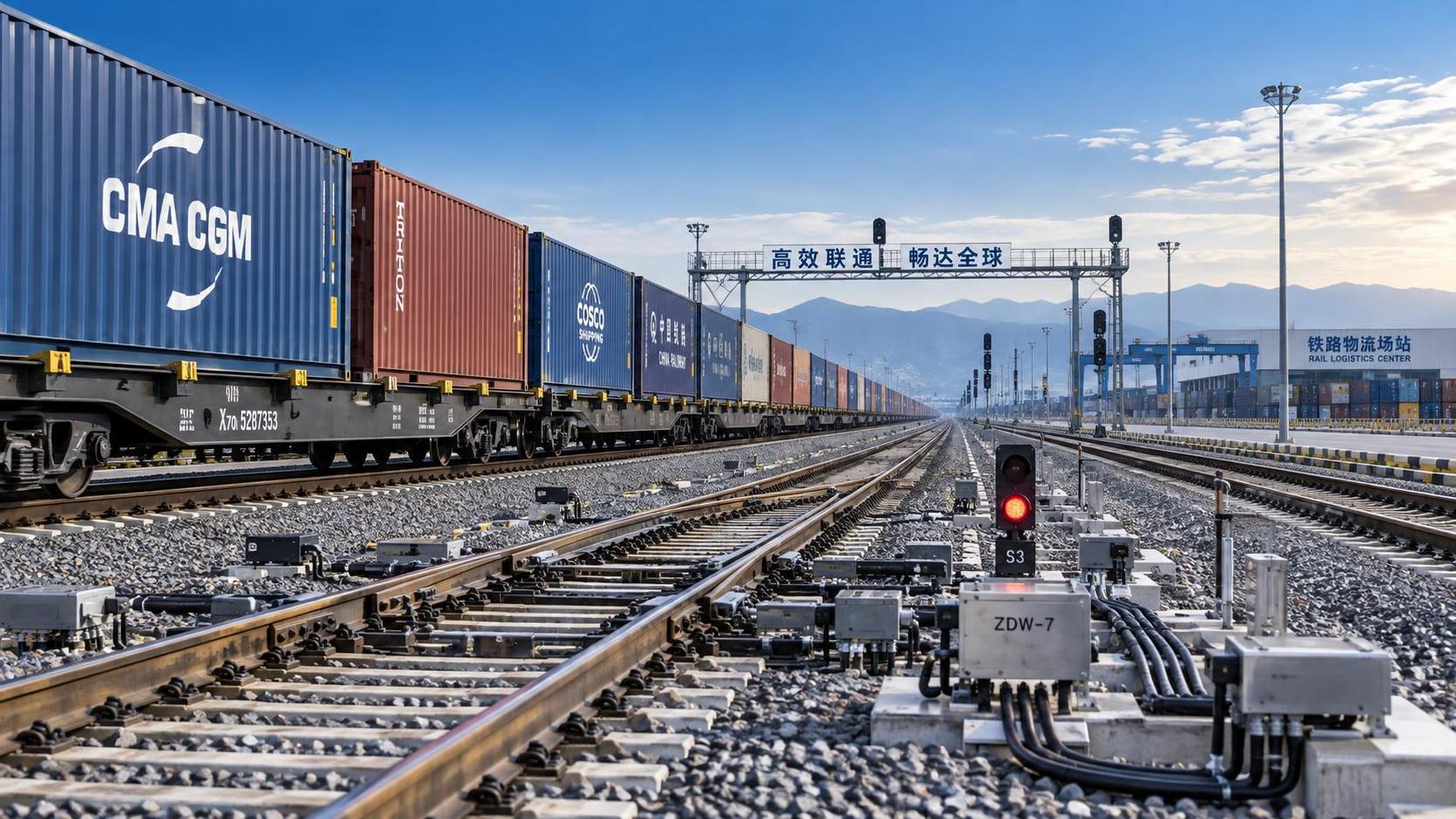
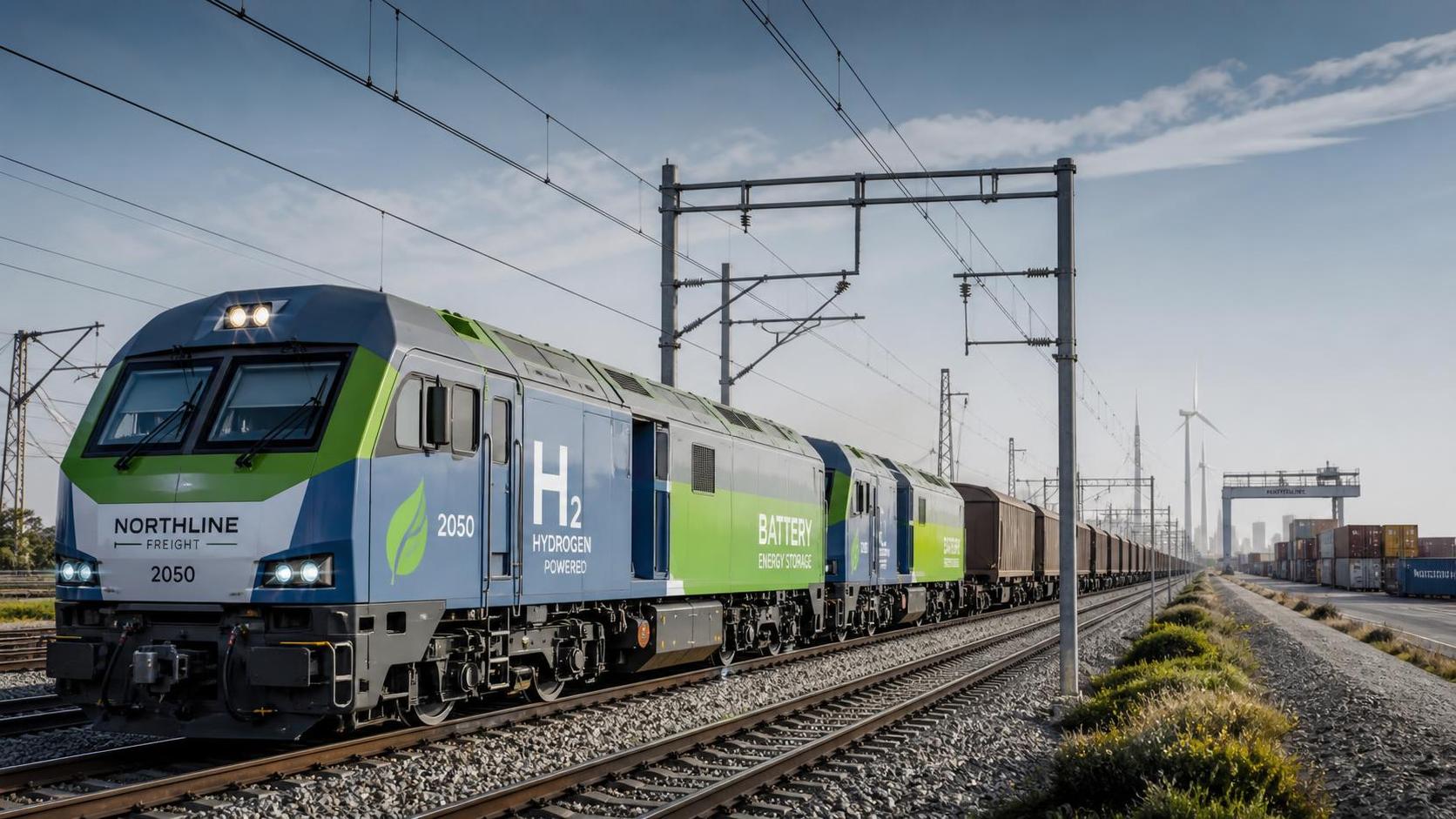
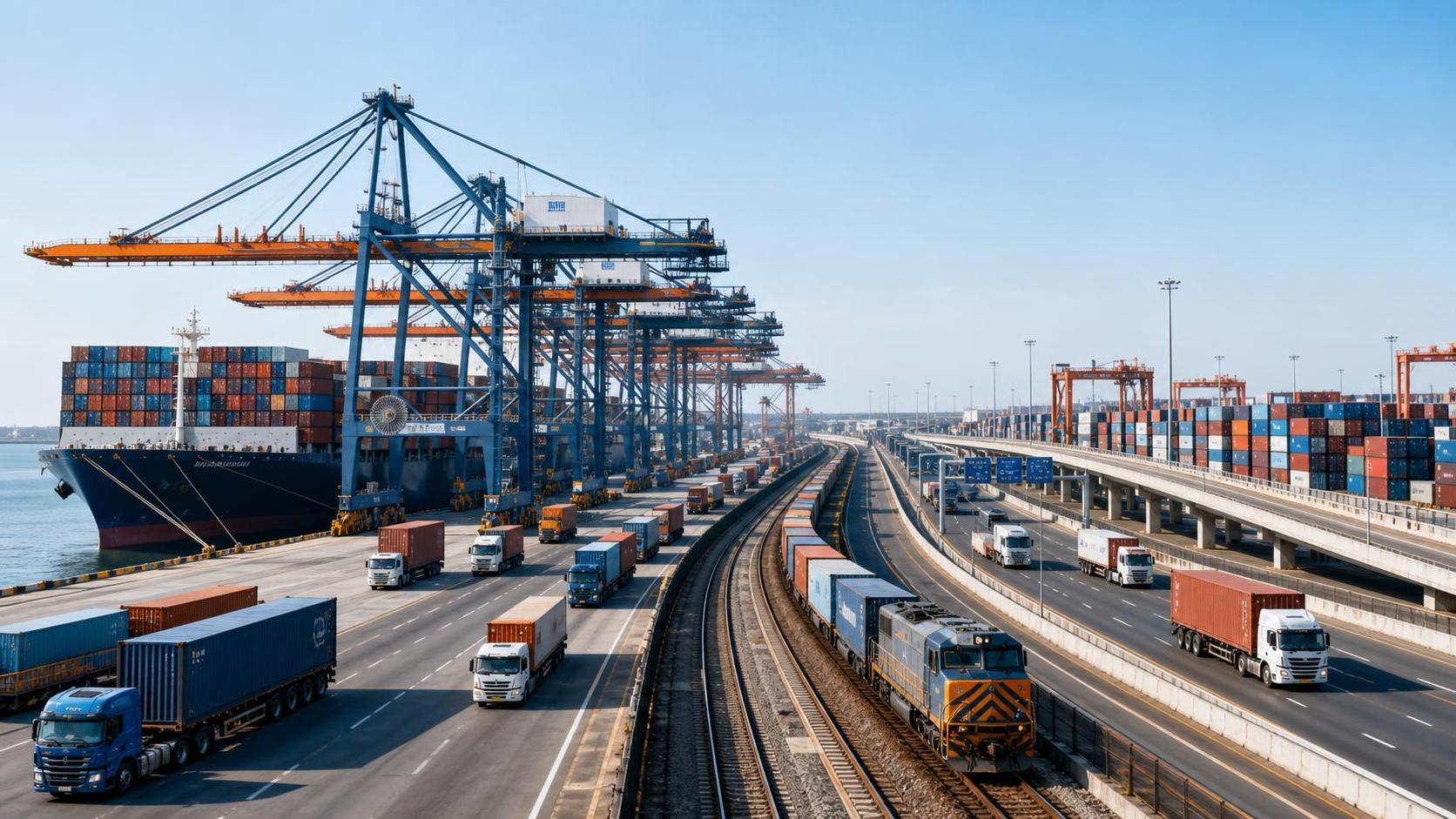
4. Logistics resilience now depends on corridor quality, not only carrier availability
Traditional procurement planning often assumes transport capacity can be substituted quickly.
That assumption breaks down for oversized components, hazardous materials, high-value electronics, and temperature-sensitive systems.
Port congestion, rerouted shipping lanes, air freight restrictions, and customs delays affect different product categories in different ways.
Global Trade Intelligence improves sourcing decisions by mapping material flow to corridor vulnerability.
5. Industrial policy is redrawing the economics of global supply
Subsidies, localization incentives, technology alliances, and national capability programs increasingly shape supplier competitiveness.
A source that looks efficient today may become expensive, restricted, or politically exposed within one investment cycle.
This is especially relevant where governments link mobility infrastructure to national resilience and industrial sovereignty.
Where These Signals Matter Most
The impact of these signals varies by system architecture, regulatory load, and operational environment.
Still, several patterns stand out across the broader industrial landscape.
Across these settings, Global Trade Intelligence supports a more realistic view of continuity.
It tests whether a source is merely available, or truly sustainable under technical and geopolitical pressure.
How to Apply the Signals in Real Decisions
The practical question is not whether risk exists.
The real question is how quickly those risks can be translated into sourcing judgments.
A useful approach is to evaluate supply choices across five decision layers.
- Map tier-two and tier-three exposure, not only direct suppliers.
- Test every critical source against export, sanctions, and licensing scenarios.
- Review certification dependencies before commercial terms are finalized.
- Assess transport corridors for route-specific disruption, not generic freight capacity.
- Track industrial policy changes that may alter cost, access, or localization rules.
This is where benchmarking institutions such as G-AIT offer practical value.
A technical sourcing decision is stronger when trade intelligence is read alongside performance standards and operating constraints.
That combination is particularly important for high-consequence systems, where replacing one supplier can trigger redesign, retesting, or recertification.
What to Watch Next
The next phase of sourcing risk will likely be less visible, but more structural.
More controls may be embedded in software, data transfer, intellectual property access, and system integration rules.
At the same time, advanced mobility programs will continue to depend on globally distributed expertise.
That tension will make Global Trade Intelligence even more central to planning, supplier qualification, and investment timing.
A sensible next step is to build an internal view of which sourced items carry the highest combined exposure.
Not only by spend, but by certification impact, replacement difficulty, geopolitical sensitivity, and corridor resilience.
Once those priorities are visible, Global Trade Intelligence becomes more than market awareness.
It becomes a decision discipline for protecting continuity while staying aligned with the future of global mobility.
Article Categories
SYSTEM_ALERT_URGENT
Q3 SYMPOSIUM ON ORBITAL DYNAMICS
Registration for the Orbital Aerospace technical committee is now open. Node access required.
Recent Articles
 Sep 13, 2026How rail signaling systems improve freight corridor capacityHow rail signaling systems improve freight corridor capacity
 Sep 12, 2026What GoA4 autonomous rail requires for safe unattended operationWhat GoA4 autonomous rail requires for safe unattended operation
 Sep 11, 2026What drives orbital data analytics pricing for satellite operators?What drives orbital data analytics pricing for satellite operators?
 Sep 10, 2026How cross-border standards shape high-speed rail infrastructure in EuropeHow cross-border standards shape high-speed rail infrastructure in Europe
 Sep 09, 2026How propulsion physics shapes an aircraft’s fuel efficiencyHow propulsion physics shapes an aircraft’s fuel efficiency
 Sep 08, 2026When does a railway digital twin platform justify its cost?When does a railway digital twin platform justify its cost?
 Sep 07, 2026How fail operational systems maintain aircraft control after a faultHow fail operational systems maintain aircraft control after a fault
 Sep 07, 2026How to evaluate a power electronics price quote for avionics systemsHow to evaluate a power electronics price quote for avionics systems
 Sep 05, 2026What evidence is needed to support aircraft certification?What evidence is needed to support aircraft certification?
 Sep 04, 2026Do cryogenic propulsion systems suit satellite infrastructure?Do cryogenic propulsion systems suit satellite infrastructure?
 Sep 03, 2026When should an Urban Air Mobility OEM pursue FAA type certification?When should an Urban Air Mobility OEM pursue FAA type certification?
 Sep 02, 2026How aerospace manufacturing in Europe is adapting to supply chain riskHow aerospace manufacturing in Europe is adapting to supply chain risk
 Sep 01, 2026When does a B2B product knowledge base reduce sales support delays?When does a B2B product knowledge base reduce sales support delays?
 Aug 31, 2026Can zero emission flight in the Middle East withstand extreme heat?Can zero emission flight in the Middle East withstand extreme heat?
 Aug 30, 2026When does an aerospace conglomerate strategy reduce program risk?When does an aerospace conglomerate strategy reduce program risk?
 Aug 29, 2026How to assess a high-speed rail supplier's signaling reliabilityHow to assess a high-speed rail supplier's signaling reliability
 Aug 28, 2026How to assess the safety case for an autonomous flight system for cargoHow to assess the safety case for an autonomous flight system for cargo
 Aug 27, 2026How thermal control prevents equipment overheating on the lunar surfaceHow thermal control prevents equipment overheating on the lunar surface
 Aug 26, 2026How to evaluate an aerospace R&D reference in Southeast AsiaHow to evaluate an aerospace R&D reference in Southeast Asia
 Aug 25, 2026When train control systems integration fails, where do delays usually start?When train control systems integration fails, where do delays usually start?
 Aug 24, 2026What sets an Urban Air Mobility OEM apart in certification readinessWhat sets an Urban Air Mobility OEM apart in certification readiness
 Aug 23, 2026What makes an aerospace intelligence provider reliable for fleet risk monitoringWhat makes an aerospace intelligence provider reliable for fleet risk monitoring
 Aug 22, 2026How to verify surgicalinstruments meet sterilization standardsHow to verify surgicalinstruments meet sterilization standards
 Aug 21, 2026What to compare when evaluating autonomous rail systems vendorsWhat to compare when evaluating autonomous rail systems vendors
 Aug 20, 2026Do GaN chargers run too hot when charging laptops at full power?Do GaN chargers run too hot when charging laptops at full power?
 Aug 19, 2026What is slowing the decarbonization of rail in North AmericaWhat is slowing the decarbonization of rail in North America
 Aug 18, 2026When does intermodal connectivity for ports become a bottleneckWhen does intermodal connectivity for ports become a bottleneck
 Aug 17, 2026When can clean hydrogen aircraft compete with SAF on operating cost?When can clean hydrogen aircraft compete with SAF on operating cost?
 Aug 16, 2026China Tightens Case-by-Case Review of Drone Exports to the U.S.China Tightens Case-by-Case Review of Drone Exports to the U.S.
 Aug 16, 2026What drives low vacuum tube transport energy consumption per kilometerWhat drives low vacuum tube transport energy consumption per kilometer
 Aug 15, 2026China Expands Cross-Border Cash Pooling Nationwide for MultinationalsChina Expands Cross-Border Cash Pooling Nationwide for Multinationals
 Aug 15, 2026Are solar panels wholesale Europe prices lower for large orders?Are solar panels wholesale Europe prices lower for large orders?
 Aug 14, 2026China Imposes Temporary Export Ban on Helium, Squeezing Cryogenic and Medical Supply ChainsChina Imposes Temporary Export Ban on Helium, Squeezing Cryogenic and Medical Supply Chains
 Aug 14, 2026UIC Safety Standards Guide: What to Check Before Certifying Rail SystemsUIC Safety Standards Guide: What to Check Before Certifying Rail Systems
 Aug 13, 2026The 12th launch of Jielong-3 drives remote sensing cooperation and re-evaluation of procurement optionsThe 12th launch of Jielong-3 drives remote sensing cooperation and re-evaluation of procurement options