Future Mobility Models: What to Evaluate Before Investing
Lead Author
Published
Views:
Future Mobility Investment Starts With Better Evaluation
Future Mobility is moving from concept slides to capital-intensive programs.

That shift changes how investment decisions should be made.
Many models look attractive in pilot settings.
Fewer prove durable under certification pressure, infrastructure constraints, and multi-year return expectations.
In aerospace, rail, and advanced transportation, timing matters as much as technology.
A promising Future Mobility platform can still become a weak investment if readiness is overstated.
That is why disciplined evaluation needs to go beyond innovation narratives.
It should test technical maturity, safety pathways, ecosystem dependence, and commercial resilience in parallel.
From recent market changes, a clearer signal is emerging.
The strongest Future Mobility opportunities are not always the most visible ones.
They are often the models with credible engineering benchmarks and realistic deployment economics.
1. Check Technical Maturity Before Market Story
The first filter for any Future Mobility investment is technical maturity.
This sounds obvious, yet it is often diluted by aggressive growth projections.
A model may show excellent lab performance while remaining far from operational reliability.
In practical terms, maturity means more than a prototype.
It includes repeatable performance, validated subsystems, maintainability, and failure response under real conditions.
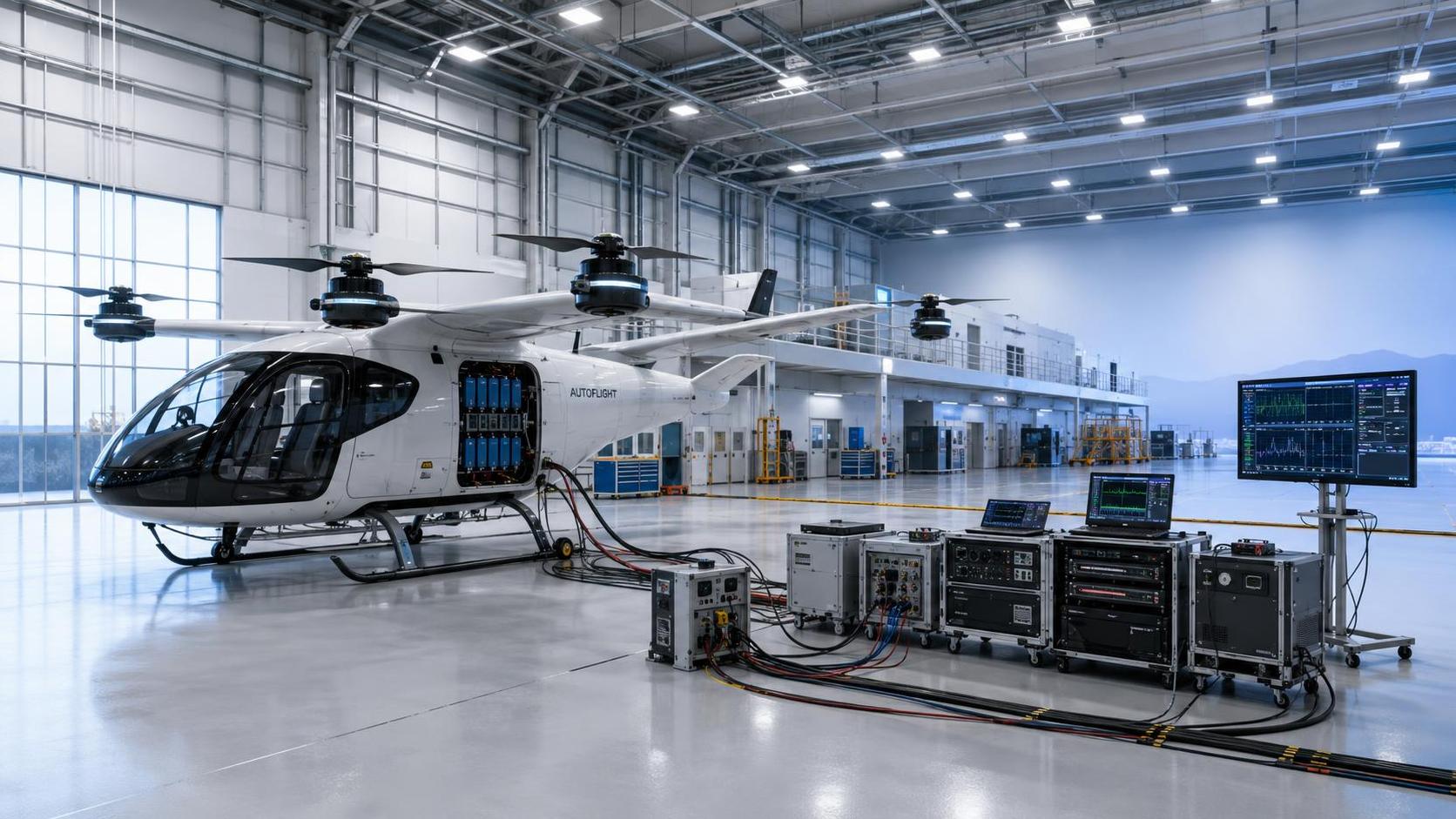
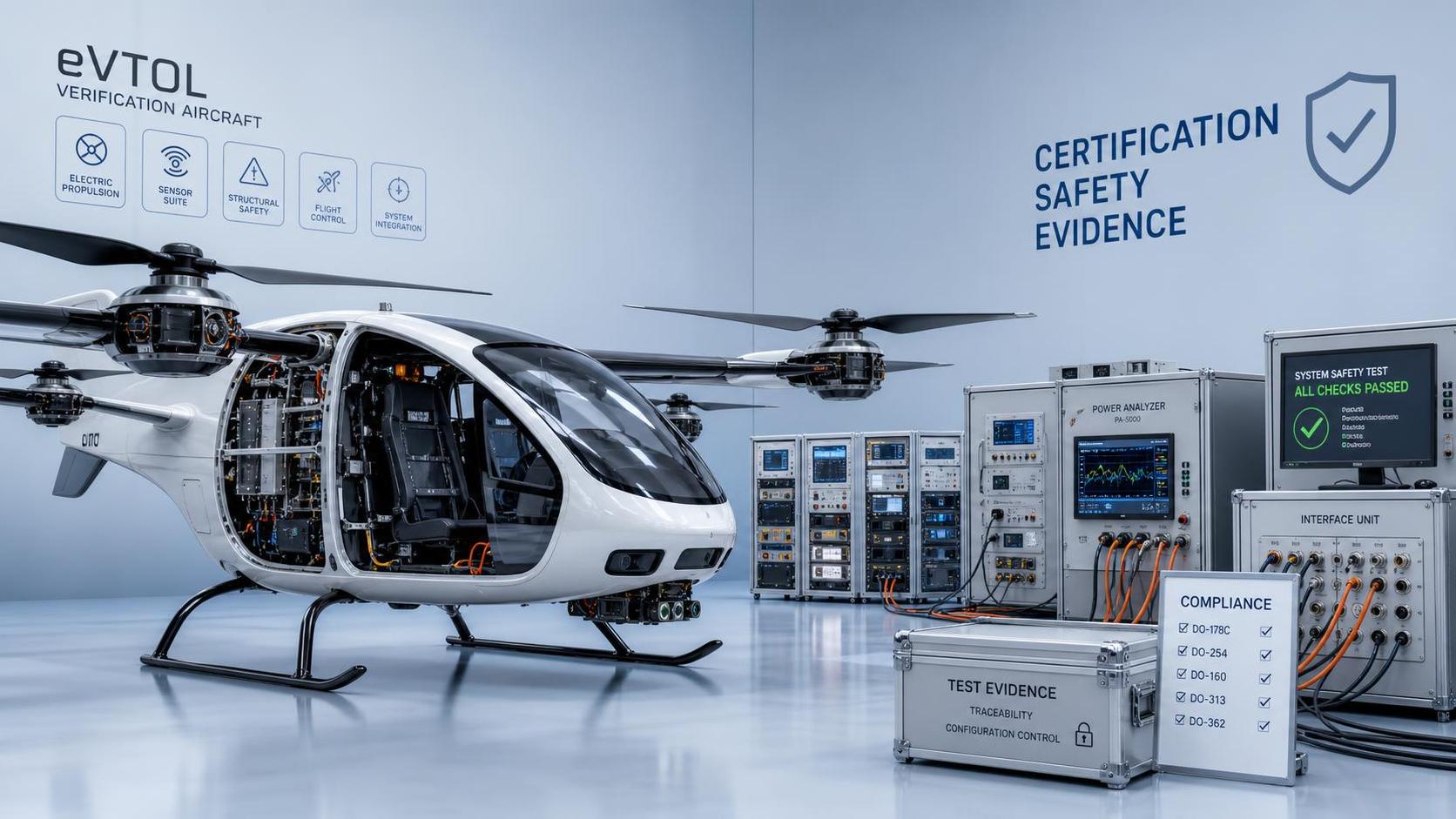
For example, eVTOL concepts may demonstrate flight capability.
But investors still need evidence on battery cycles, thermal management, control redundancy, and dispatch reliability.
The same principle applies to maglev, hydrogen aviation, and autonomous high-speed systems.
Useful evaluation questions include:
- Has the core propulsion or control architecture performed consistently outside demonstration settings?
- Are major subsystems independently validated, or still dependent on vendor assumptions?
- What technical bottlenecks could delay scale by two to five years?
- How much capital is still required before the model reaches stable operational readiness?
A credible Future Mobility case usually shows fewer surprises between prototype success and fleet deployment.
2. Evaluate Certification and Regulatory Pathways Early
Regulatory alignment is often the hidden driver of investment quality.
In Future Mobility, market access depends on approval logic as much as engineering logic.
This is especially true for aviation, space-linked logistics, and autonomous passenger transport.
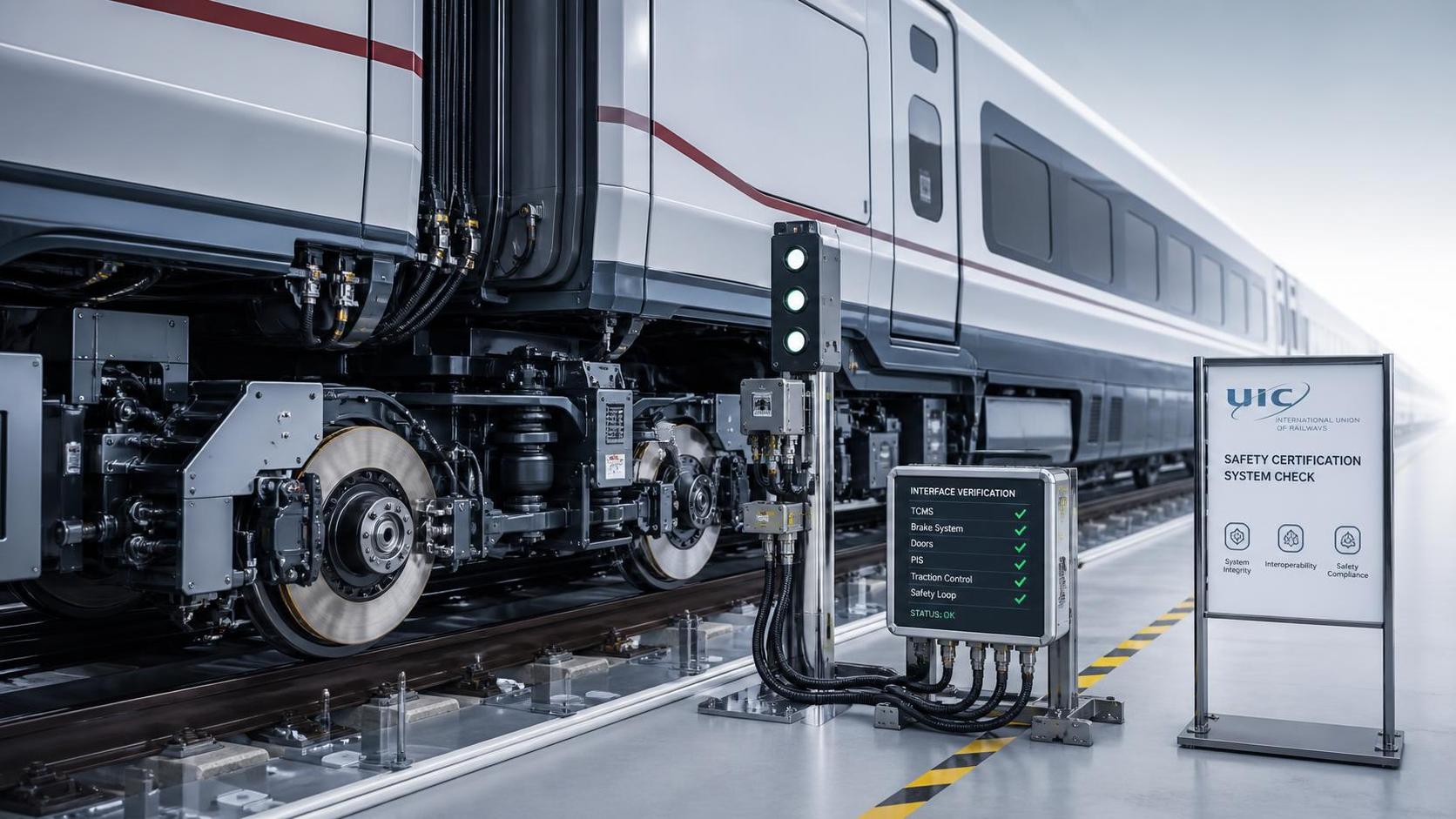
If a platform cannot move through FAA, EASA, UIC, ISO, or local transport frameworks efficiently, returns may slip badly.
More importantly, delays are rarely linear.
One unresolved safety question can affect insurance, public procurement, route licensing, and customer confidence at once.
This also means early regulatory mapping is not a compliance detail.
It is part of core investment diligence.
Look for operators or manufacturers that can explain:
- Which certification basis applies to the vehicle or system.
- What safety cases remain open.
- How software, autonomy, and human oversight will be audited.
- Which jurisdictions are most realistic for first commercial deployment.
The best Future Mobility programs do not treat regulation as a later-phase obstacle. They build around it from day one.
3. Measure Infrastructure Readiness, Not Just Vehicle Performance
A strong Future Mobility concept can still fail when the surrounding system is weak.
That is why infrastructure readiness deserves equal attention.
This issue shows up in different ways across sectors.
Urban air mobility depends on vertiports, charging systems, traffic management, and local approval.
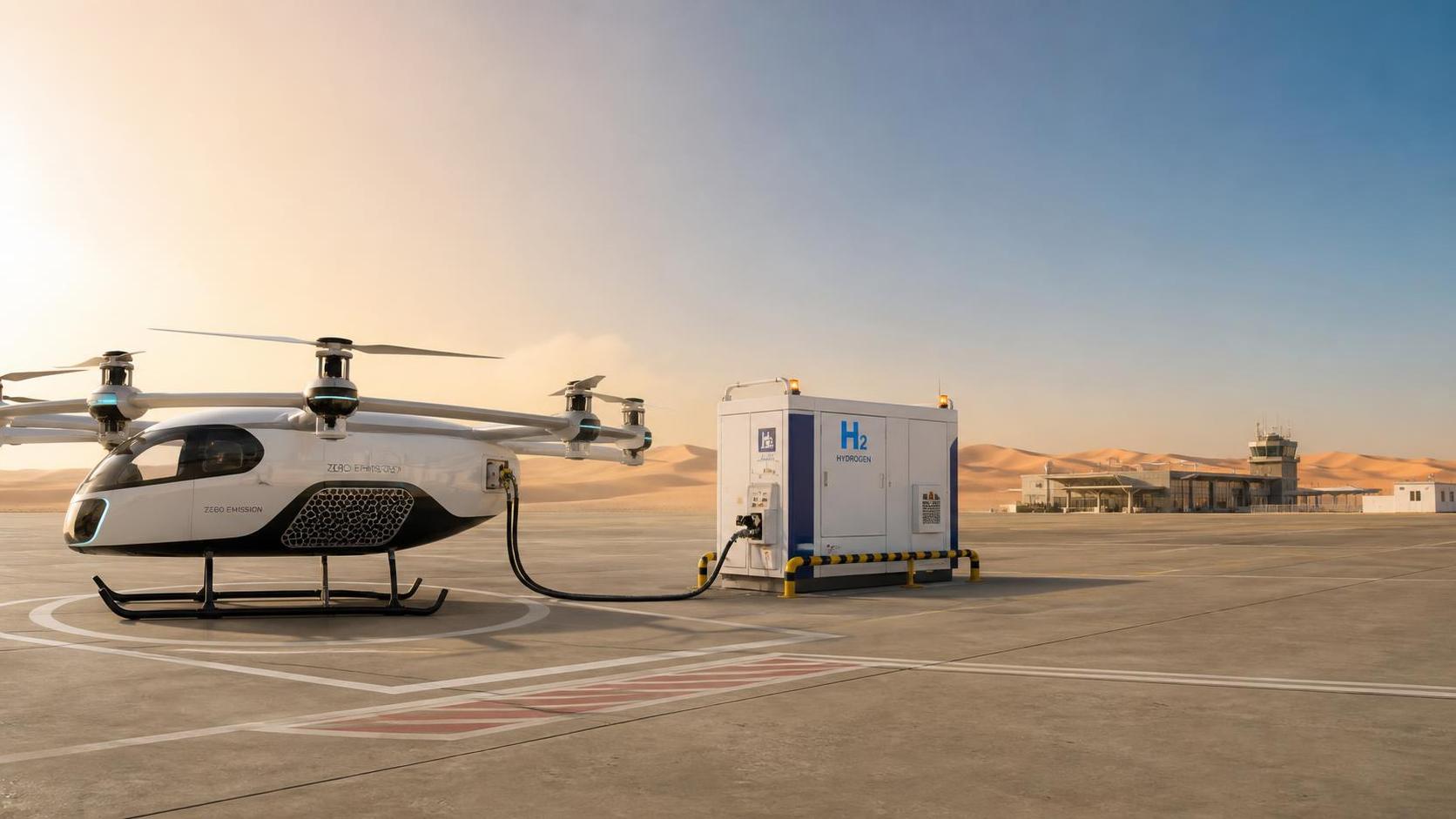
Hydrogen aviation depends on storage, handling, supply contracts, and airport retrofits.
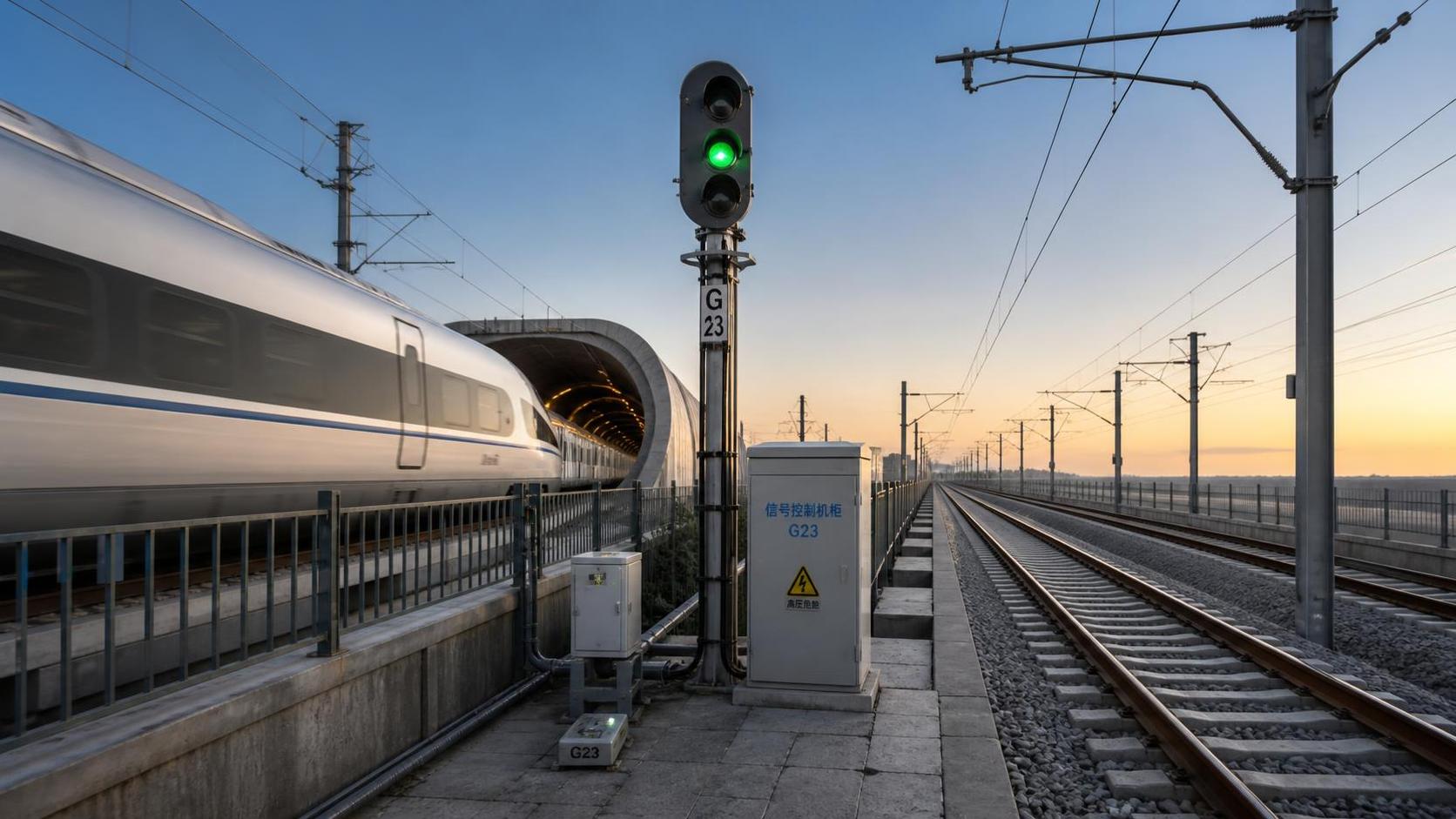
High-speed rail and maglev rely on corridor economics, signaling integration, and civil works timelines.
In other words, the vehicle is only one part of the investment model.
The wider operating environment determines utilization and payback speed.
A practical way to assess Future Mobility readiness is to separate direct and dependent assets.
This framework makes Future Mobility decisions less vulnerable to over-optimistic deployment assumptions.
4. Test Economic Resilience Under Real Operating Conditions
Future Mobility investments should not be judged by headline market size alone.
They need to survive realistic operating conditions.
That includes maintenance burden, energy cost volatility, supply chain exposure, training demands, and utilization swings.
A useful model is not simply scalable.
It is financially resilient when assumptions tighten.
This is where scenario testing becomes valuable.
For instance, what happens if certification takes 18 months longer?
What if energy pricing shifts, or spare parts localization is delayed?
What if route density stays below forecast during the first three years?
These are not pessimistic questions.
They are standard filters for capital discipline.
In actual business settings, the most bankable Future Mobility programs usually share three traits:
- Clear unit economics at low and medium deployment levels.
- Visible paths to service reliability improvement.
- Commercial models that do not collapse after one delayed milestone.
If those traits are absent, Future Mobility may remain strategically exciting but financially fragile.
5. Review Strategic Fit Across the Full Portfolio
Even a strong asset can be the wrong investment if it does not fit the portfolio.
Future Mobility should be measured against strategic fit, not just standalone promise.
This means asking whether the model complements existing industrial capabilities, geographic priorities, and risk tolerance.
For some organizations, advanced commercial aviation may align with long-cycle engineering strengths.
For others, specialized logistics or rail modernization may offer better timing and lower execution friction.
This is where comparative benchmarking matters.
A Future Mobility investment should be compared across several decision dimensions at once.
These include technical advantage, policy tailwinds, capex intensity, implementation complexity, and time to revenue.
When viewed this way, the best option is often the one with balanced performance.
It may not be the most disruptive model on paper.
But it can be the most investable Future Mobility pathway in practice.
A Practical Decision Framework for Future Mobility
When options multiply, a simple framework helps keep decisions grounded.
A solid Future Mobility review can follow this sequence:
- Confirm technical maturity with independent evidence.
- Map certification risk and regulatory timing.
- Assess infrastructure dependence and rollout bottlenecks.
- Stress-test operating economics under adverse scenarios.
- Compare portfolio fit against alternative opportunities.
This approach brings useful discipline to a fast-moving market.
It also helps separate true capability from future-looking branding.
As Future Mobility expands across aerospace, rail, and urban transport, the winning decisions will likely be the most informed ones.
Not the fastest ones.
The next step is straightforward.
Review each Future Mobility model through evidence, readiness, and resilience rather than excitement alone.
That is usually where better capital decisions begin.
Article Categories
SYSTEM_ALERT_URGENT
Q3 SYMPOSIUM ON ORBITAL DYNAMICS
Registration for the Orbital Aerospace technical committee is now open. Node access required.
Recent Articles
 Sep 13, 2026How rail signaling systems improve freight corridor capacityHow rail signaling systems improve freight corridor capacity
 Sep 12, 2026What GoA4 autonomous rail requires for safe unattended operationWhat GoA4 autonomous rail requires for safe unattended operation
 Sep 11, 2026What drives orbital data analytics pricing for satellite operators?What drives orbital data analytics pricing for satellite operators?
 Sep 10, 2026How cross-border standards shape high-speed rail infrastructure in EuropeHow cross-border standards shape high-speed rail infrastructure in Europe
 Sep 09, 2026How propulsion physics shapes an aircraft’s fuel efficiencyHow propulsion physics shapes an aircraft’s fuel efficiency
 Sep 08, 2026When does a railway digital twin platform justify its cost?When does a railway digital twin platform justify its cost?
 Sep 07, 2026How fail operational systems maintain aircraft control after a faultHow fail operational systems maintain aircraft control after a fault
 Sep 07, 2026How to evaluate a power electronics price quote for avionics systemsHow to evaluate a power electronics price quote for avionics systems
 Sep 05, 2026What evidence is needed to support aircraft certification?What evidence is needed to support aircraft certification?
 Sep 04, 2026Do cryogenic propulsion systems suit satellite infrastructure?Do cryogenic propulsion systems suit satellite infrastructure?
 Sep 03, 2026When should an Urban Air Mobility OEM pursue FAA type certification?When should an Urban Air Mobility OEM pursue FAA type certification?
 Sep 02, 2026How aerospace manufacturing in Europe is adapting to supply chain riskHow aerospace manufacturing in Europe is adapting to supply chain risk
 Sep 01, 2026When does a B2B product knowledge base reduce sales support delays?When does a B2B product knowledge base reduce sales support delays?
 Aug 31, 2026Can zero emission flight in the Middle East withstand extreme heat?Can zero emission flight in the Middle East withstand extreme heat?
 Aug 30, 2026When does an aerospace conglomerate strategy reduce program risk?When does an aerospace conglomerate strategy reduce program risk?
 Aug 29, 2026How to assess a high-speed rail supplier's signaling reliabilityHow to assess a high-speed rail supplier's signaling reliability
 Aug 28, 2026How to assess the safety case for an autonomous flight system for cargoHow to assess the safety case for an autonomous flight system for cargo
 Aug 27, 2026How thermal control prevents equipment overheating on the lunar surfaceHow thermal control prevents equipment overheating on the lunar surface
 Aug 26, 2026How to evaluate an aerospace R&D reference in Southeast AsiaHow to evaluate an aerospace R&D reference in Southeast Asia
 Aug 25, 2026When train control systems integration fails, where do delays usually start?When train control systems integration fails, where do delays usually start?
 Aug 24, 2026What sets an Urban Air Mobility OEM apart in certification readinessWhat sets an Urban Air Mobility OEM apart in certification readiness
 Aug 23, 2026What makes an aerospace intelligence provider reliable for fleet risk monitoringWhat makes an aerospace intelligence provider reliable for fleet risk monitoring
 Aug 22, 2026How to verify surgicalinstruments meet sterilization standardsHow to verify surgicalinstruments meet sterilization standards
 Aug 21, 2026What to compare when evaluating autonomous rail systems vendorsWhat to compare when evaluating autonomous rail systems vendors
 Aug 20, 2026Do GaN chargers run too hot when charging laptops at full power?Do GaN chargers run too hot when charging laptops at full power?
 Aug 19, 2026What is slowing the decarbonization of rail in North AmericaWhat is slowing the decarbonization of rail in North America
 Aug 18, 2026When does intermodal connectivity for ports become a bottleneckWhen does intermodal connectivity for ports become a bottleneck
 Aug 17, 2026When can clean hydrogen aircraft compete with SAF on operating cost?When can clean hydrogen aircraft compete with SAF on operating cost?
 Aug 16, 2026China Tightens Case-by-Case Review of Drone Exports to the U.S.China Tightens Case-by-Case Review of Drone Exports to the U.S.
 Aug 16, 2026What drives low vacuum tube transport energy consumption per kilometerWhat drives low vacuum tube transport energy consumption per kilometer
 Aug 15, 2026China Expands Cross-Border Cash Pooling Nationwide for MultinationalsChina Expands Cross-Border Cash Pooling Nationwide for Multinationals
 Aug 15, 2026Are solar panels wholesale Europe prices lower for large orders?Are solar panels wholesale Europe prices lower for large orders?
 Aug 14, 2026China Imposes Temporary Export Ban on Helium, Squeezing Cryogenic and Medical Supply ChainsChina Imposes Temporary Export Ban on Helium, Squeezing Cryogenic and Medical Supply Chains
 Aug 14, 2026UIC Safety Standards Guide: What to Check Before Certifying Rail SystemsUIC Safety Standards Guide: What to Check Before Certifying Rail Systems
 Aug 13, 2026The 12th launch of Jielong-3 drives remote sensing cooperation and re-evaluation of procurement optionsThe 12th launch of Jielong-3 drives remote sensing cooperation and re-evaluation of procurement options