Aerospace R&D Cost Drivers That Shape Budget Planning
Lead Author
Published
Views:
Aerospace R&D budget planning is shaped by more than engineering ambition—it is driven by certification risk, materials complexity, test cycles, and long development horizons. For financial decision-makers, understanding these cost drivers is essential to balance innovation with capital discipline. This article outlines the key factors that influence spending across advanced aerospace programs and helps clarify where strategic investment delivers measurable value.
Why scenario-based budget planning matters in Aerospace R&D
For financial approvers, the biggest mistake in Aerospace R&D planning is treating all programs as if they consume capital in the same way. They do not. A next-generation commercial aircraft, a reusable launch platform, an eVTOL system, and an extreme-environment logistics vehicle may all sit under the same innovation portfolio, yet their cash profiles, compliance exposure, and technical uncertainty differ sharply. Budget discipline improves when leaders assess costs by operating scenario rather than by engineering category alone.
This matters especially for institutions such as G-AIT, where benchmarking spans advanced commercial aviation, space infrastructure, high-speed transportation, and urban air mobility. In these environments, the same line item—prototype tooling, digital simulation, propulsion testing, or certification support—can carry very different financial implications depending on the mission profile, regulatory pathway, and system maturity. A CFO or investment committee therefore needs a scenario lens: what is being built, where it will operate, how it will be certified, and when value can realistically be realized.
Aerospace R&D budgets are also vulnerable to false efficiency assumptions. A lower early-stage spend does not always mean a cheaper program if delayed validation causes redesign, supplier churn, or extended compliance testing later. Conversely, higher up-front investment in simulation, materials qualification, or safety architecture can reduce lifecycle risk. The goal is not to minimize spend in every category, but to align spending with the right technical and commercial scenario.
Where Aerospace R&D cost pressure shows up across common program scenarios
Most budget pressure in Aerospace R&D emerges from a small number of recurring drivers. What changes by scenario is which driver dominates and when it hits the budget. Finance teams that understand this timing can set better approval gates, contingency levels, and milestone-based release structures.
Scenario 1: Advanced commercial aviation programs
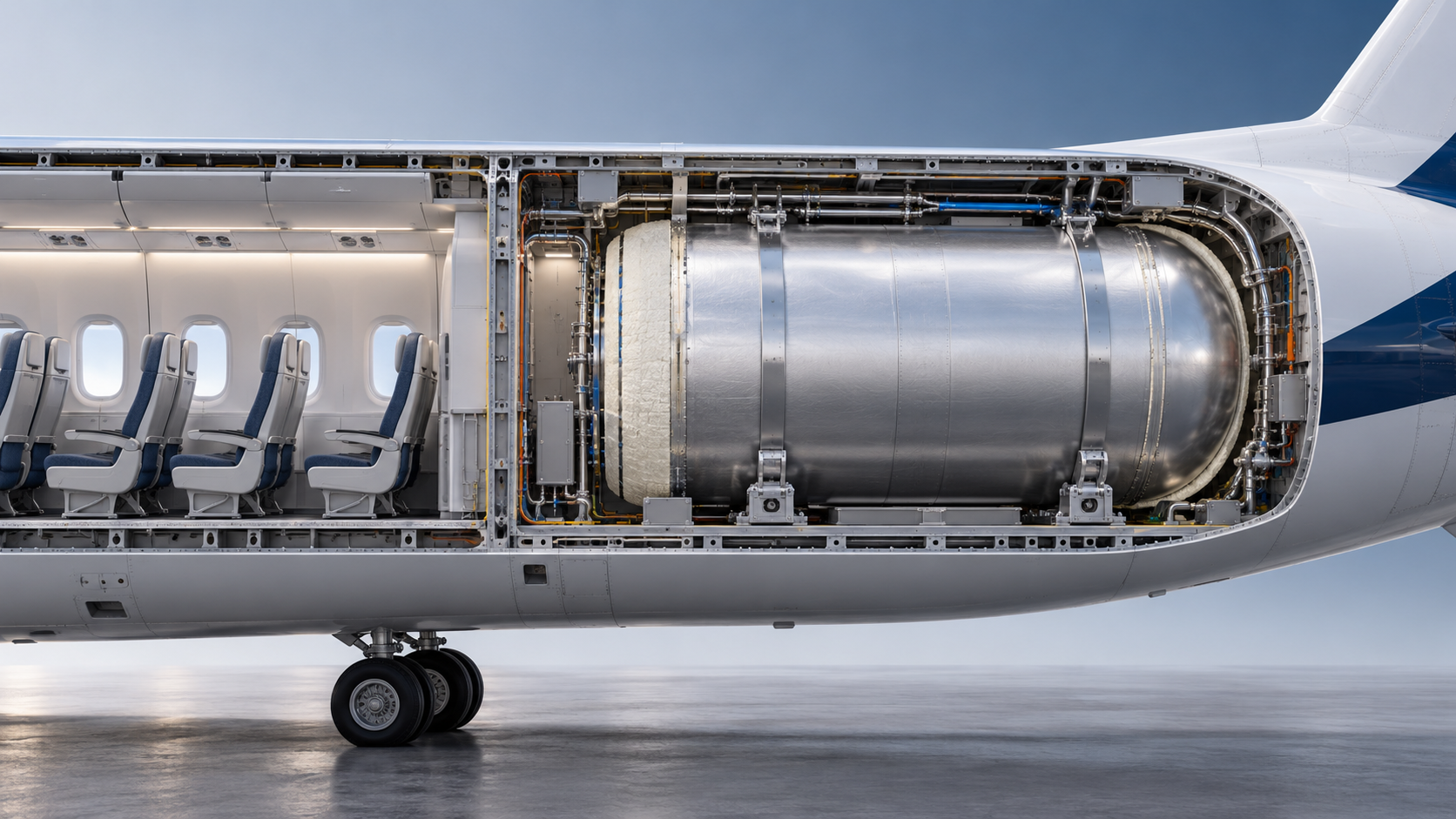
In next-generation airframes, costs often cluster around composite structures, fuel-efficiency targets, supply-chain qualification, and formal certification evidence. These programs usually require large-scale testing campaigns, extensive documentation, and repeat validation under FAA and EASA expectations. The budget challenge is not only engineering complexity but also the cost of proving reliability at scale. For finance approvers, a key question is whether the program has budgeted enough for late-stage test repetition, conformity inspections, and design freeze discipline.
Scenario 2: Space exploration and satellite infrastructure
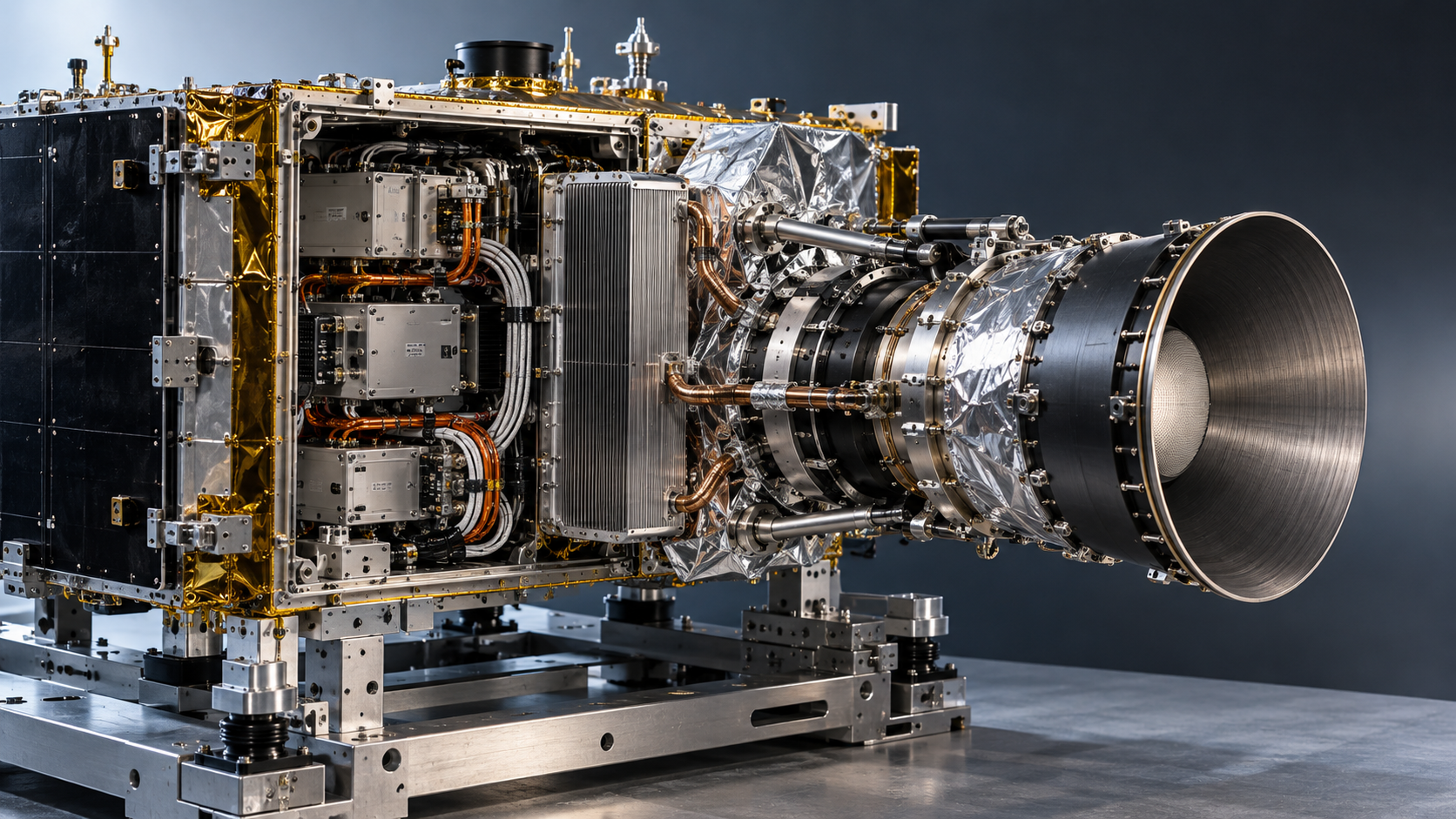
Space-focused Aerospace R&D often carries high propulsion, thermal management, mission assurance, and launch-environment testing costs. Unlike more iterative consumer technologies, a single component failure can eliminate mission value entirely. That drives spending into redundancy, radiation tolerance, vacuum testing, cryogenic performance, and systems integration. For financial planning, the major issue is concentration of risk: fewer hardware units, higher unit cost, and very expensive failure consequences.
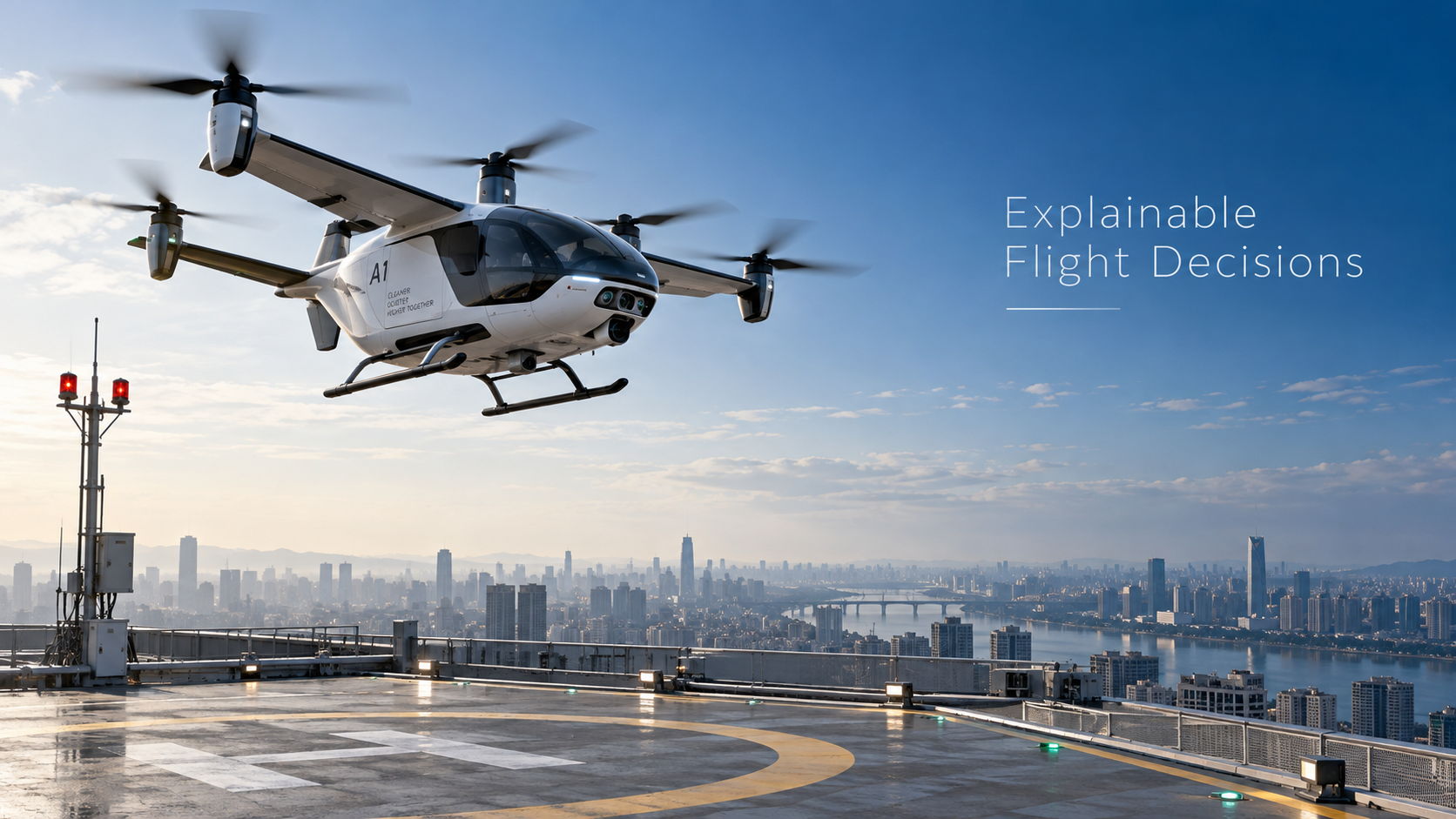
Scenario 3: Urban air mobility and eVTOL development
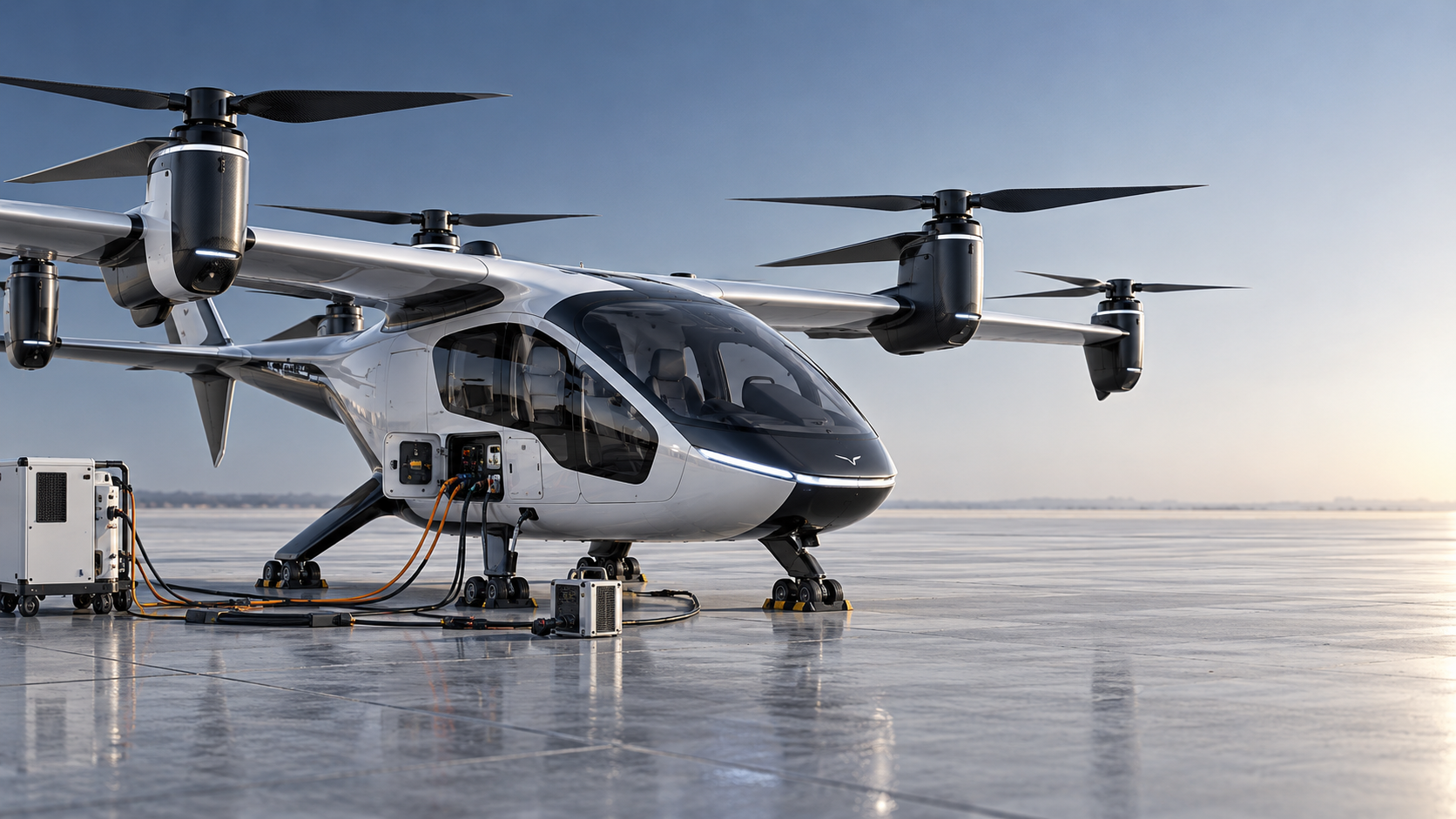
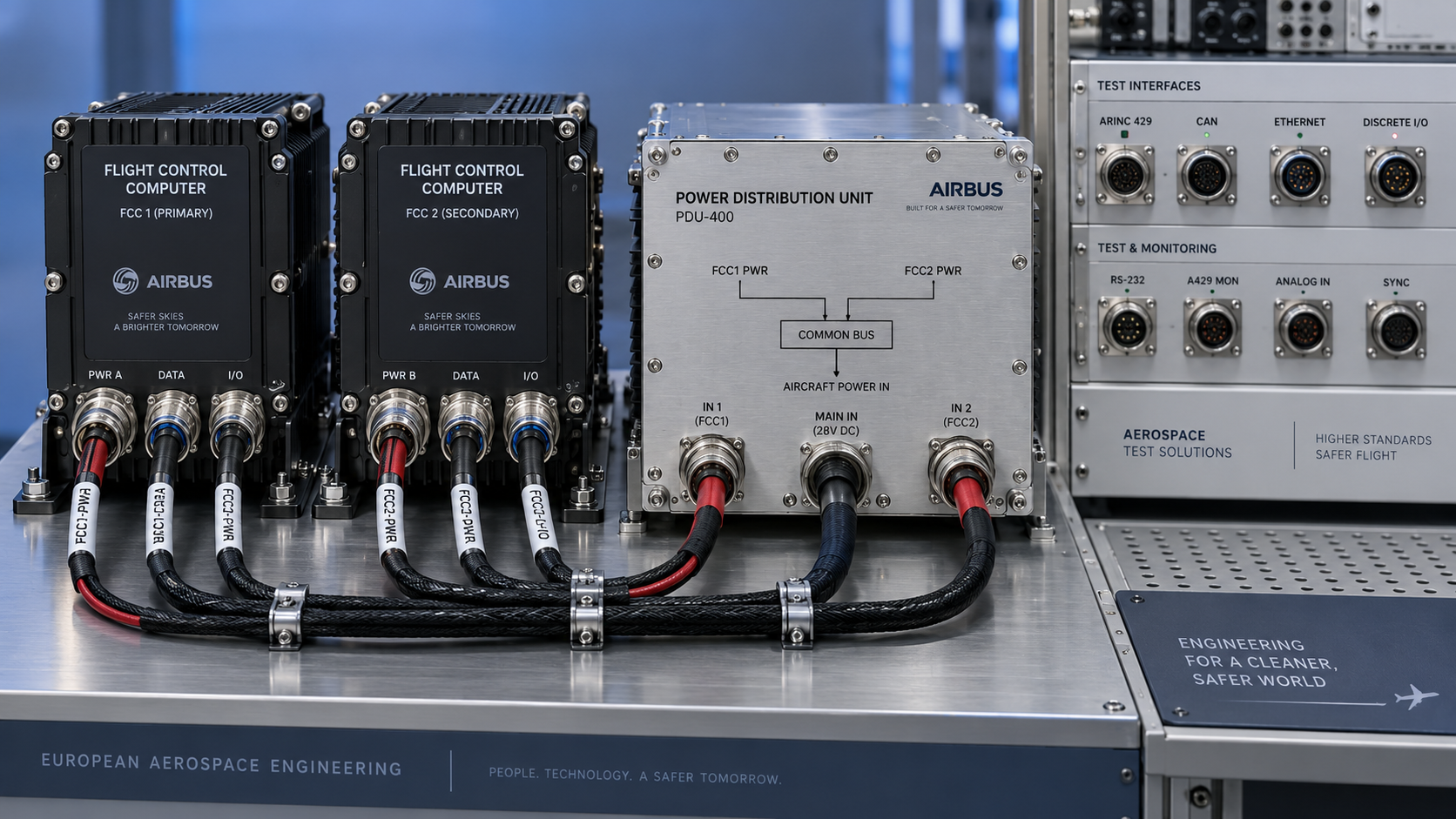
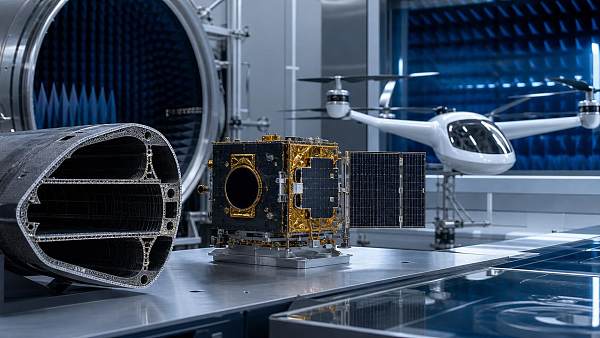
UAM programs typically face a different cost structure. They may move faster than traditional aerospace platforms, but they absorb large spending in battery systems, flight-control software, autonomy features, noise reduction, and evolving certification standards. Budget volatility is often driven by regulatory ambiguity and architecture changes rather than by sheer size. Financial decision-makers should watch for scope expansion in avionics, software assurance, and operational ecosystem planning, including vertiport integration and fleet support requirements.
Scenario 4: Specialized extreme-environment logistics
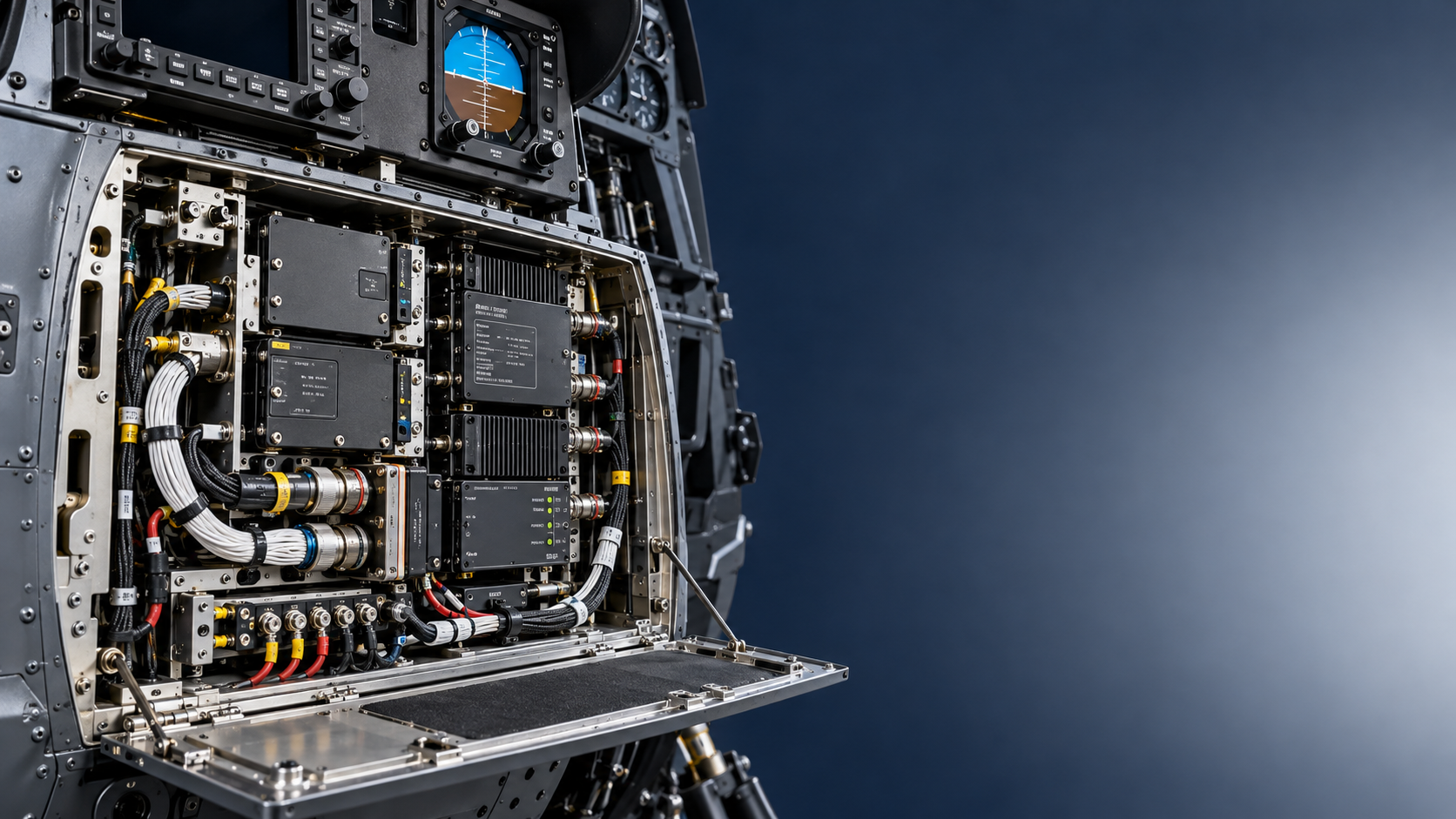
Programs designed for polar, desert, offshore, defense-adjacent, or other extreme environments usually spend more on ruggedization, reliability under stress, and mission-specific adaptation. Materials, thermal resilience, maintenance accessibility, and sensor performance become budget drivers. These projects can appear smaller on paper, yet their specialized validation cycles often raise costs quickly. The financial risk comes from underestimating custom engineering and limited supplier availability.
A practical comparison of Aerospace R&D cost drivers by scenario
The table below helps financial approvers compare how Aerospace R&D spending behaves across major application scenarios. This is useful when deciding whether to fund one large platform, several staged demonstrators, or a mixed portfolio of lower-risk and higher-risk programs.
What financial approvers should examine before releasing Aerospace R&D budgets
In practice, budget approval should not begin with total spend. It should begin with the assumptions behind that spend. Aerospace R&D programs often look credible at the headline level while carrying weak detail underneath. Financial leaders can improve outcomes by checking a few scenario-specific fundamentals.
Technology readiness versus compliance readiness
A system may be technically promising but still far from certifiable. This gap drives hidden cost. In advanced aviation and UAM scenarios, compliance readiness can become more expensive than the core technology itself because every subsystem needs traceability, validation, and documented safety logic. Budget plans should distinguish between proving performance and proving airworthiness.
Prototype economics versus production economics
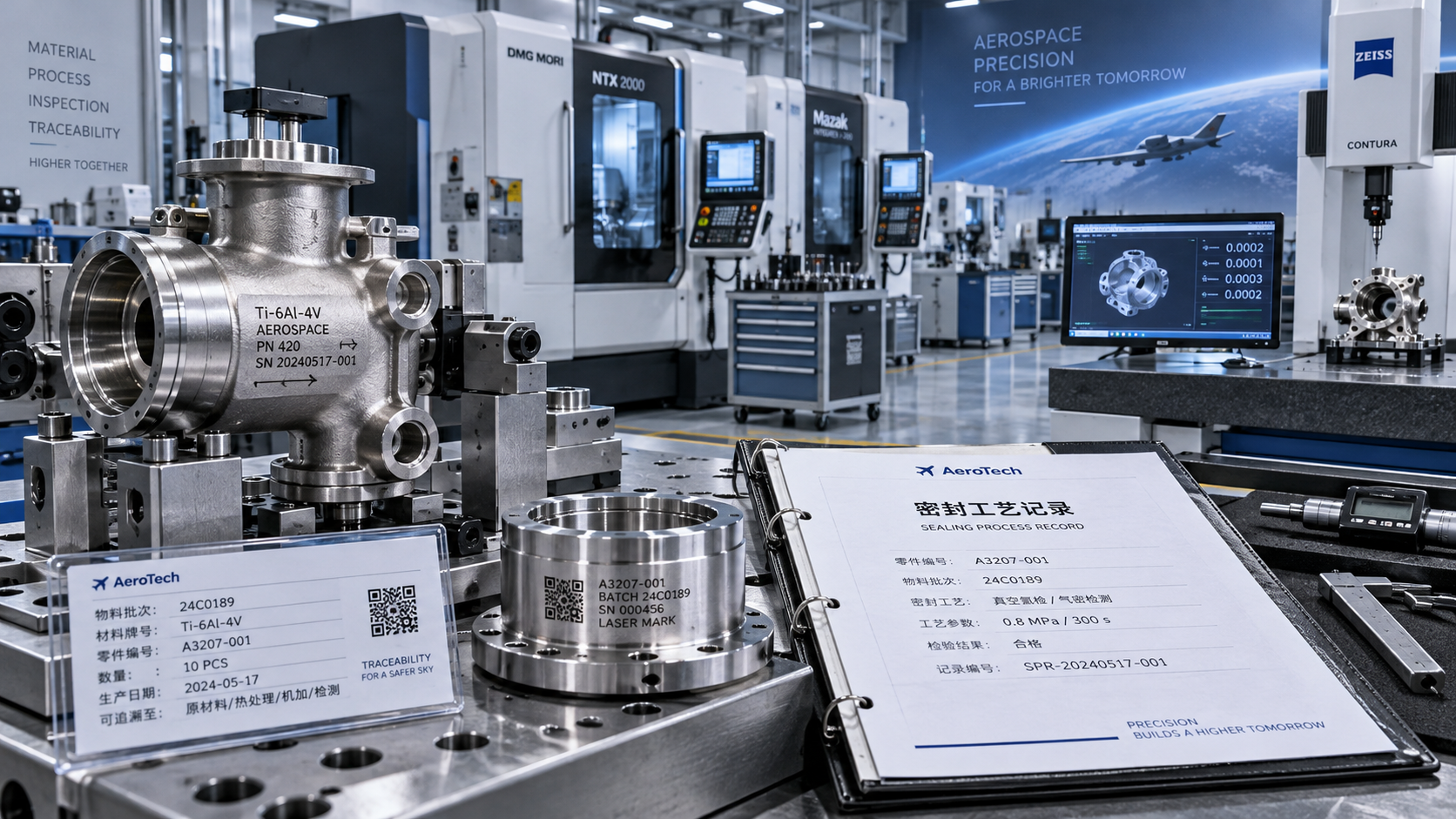
Many Aerospace R&D teams underestimate the cost transition from prototype to repeatable production. A hand-built demonstrator can validate concept value, yet scaling to production introduces tooling, process controls, supplier audits, and quality systems. This is especially relevant in composite airframes, propulsion assemblies, and safety-critical electronics. Approvers should ask whether the budget covers only technical demonstration or also industrialization preparation.
Supply-chain concentration and strategic dependency
Some Aerospace R&D programs rely on a narrow set of specialist suppliers for actuators, semiconductors, thermal materials, cryogenic components, or control software. In these cases, cost inflation may not result from engineering changes alone but from single-source dependency, qualification delays, or geopolitical constraints. For financial planning, this means supplier strategy should be treated as a budget driver, not merely a procurement issue.
How cost drivers change by business objective
Not every organization funds Aerospace R&D for the same reason. A strategic benchmark hub, a multinational OEM, a defense-adjacent mobility operator, and a growth-stage eVTOL company may all pursue innovation, but their investment logic differs. Budget planning should reflect that objective.
If the objective is market leadership, spending may prioritize breakthrough propulsion, lightweight structures, or advanced autonomy, accepting a higher risk profile. If the objective is certification progress, funds should concentrate on testing campaigns, quality systems, and documentation maturity. If the objective is platform partnership or licensing value, then interface standards, interoperability, and demonstrable subsystem reliability may deserve more capital than full platform development. Aerospace R&D becomes financially more efficient when the organization funds the capability that matches its commercial path instead of chasing technical prestige alone.
Common budgeting mistakes in Aerospace R&D scenario planning
Several recurring errors appear across aerospace and advanced transportation portfolios. The first is assuming that digital engineering will materially replace physical validation in every case. Simulation can reduce waste, but in regulated aerospace contexts, physical evidence remains expensive and unavoidable. The second is treating software as a flexible add-on rather than a certification-relevant cost center. In autonomous or semi-autonomous systems, software assurance, cybersecurity, data integrity, and update management can consume major budget share.
A third mistake is underfunding systems integration. Individual components may meet targets, but integration often reveals thermal, vibration, power-management, and control conflicts that generate redesign loops. Finally, many teams underestimate schedule-driven cost growth. In Aerospace R&D, timeline extension is not just overhead; it can trigger labor carry costs, supplier repricing, facility rebooking, and delayed revenue logic. Financial approvers should therefore test schedule credibility with the same rigor applied to engineering assumptions.
A scenario-fit checklist for disciplined investment decisions
Before approving Aerospace R&D funding, finance teams can use a short scenario-fit checklist to improve clarity:
- Is the program primarily a technology demonstrator, a certification pathway, or a near-production initiative?
- Which cost driver is dominant in this scenario: materials, testing, software, propulsion, or compliance evidence?
- What portion of the budget is exposed to supplier dependency or specialized infrastructure?
- Has the team priced in redesign loops, retest requirements, and schedule slip risk?
- Are milestone releases tied to measurable technical and regulatory outputs rather than broad progress claims?
This approach is particularly useful in multidisciplinary portfolios such as those tracked by G-AIT, where benchmarking data across aviation, space, rail-adjacent mobility, and UAM can support sharper capital allocation. When leaders compare programs on comparable evidence standards rather than broad innovation narratives, Aerospace R&D investment becomes easier to defend internally and more likely to produce strategic returns.
FAQ: scenario-focused questions from financial decision-makers
Which Aerospace R&D scenario usually has the most unpredictable budget?
UAM and emerging autonomy programs often show the highest volatility because standards are still evolving and software scope can expand quickly. However, space programs can produce the largest single-event budget shocks due to high failure consequence and expensive retesting.
When should a finance team increase contingency in Aerospace R&D?
Contingency should rise when the program depends on novel materials, unproven propulsion architectures, limited-source suppliers, or first-time certification pathways. Those conditions indicate that stated budgets may not fully reflect execution reality.
Is early investment in testing infrastructure worth it?
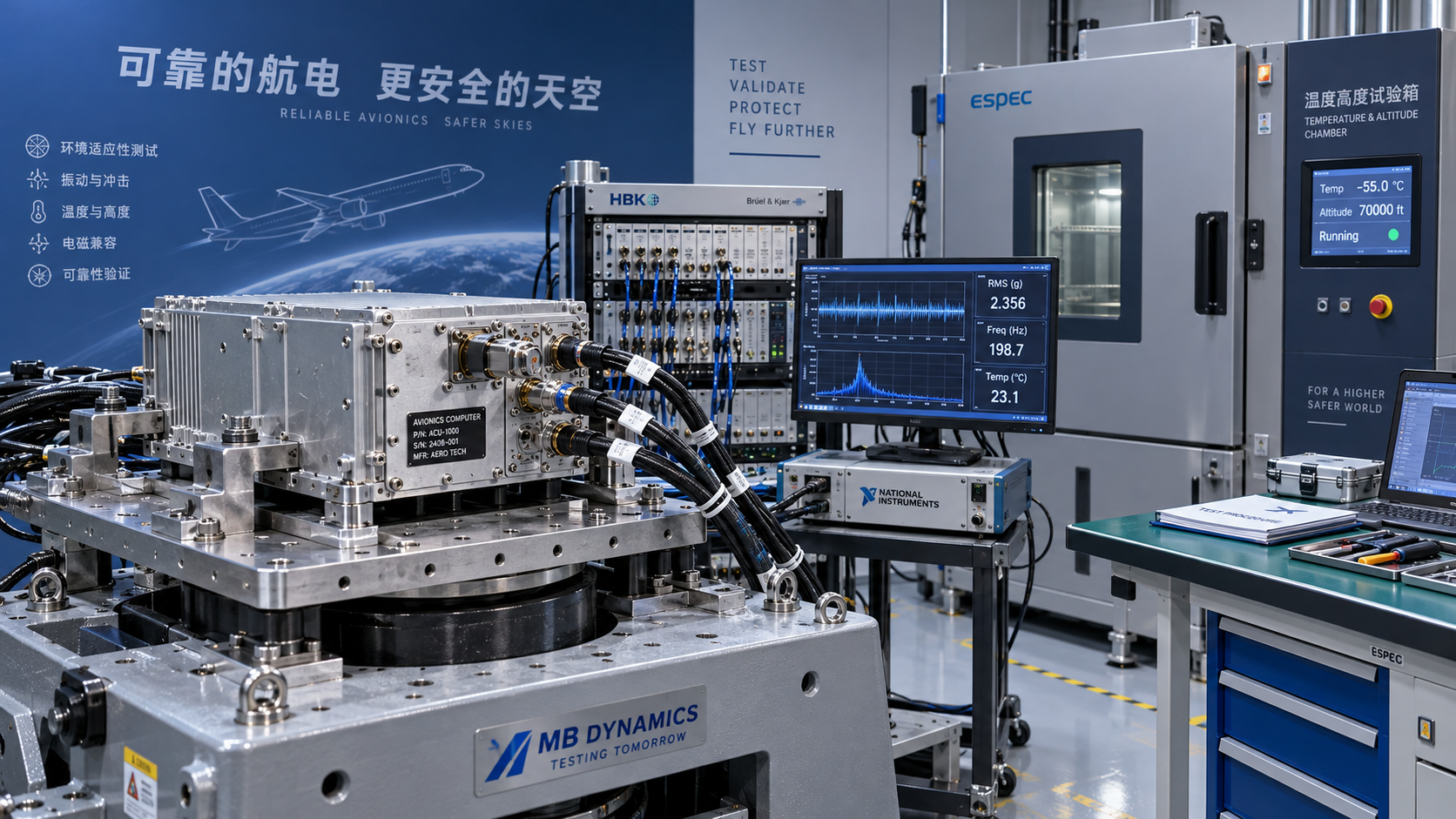
In many Aerospace R&D scenarios, yes. Up-front investment in test rigs, digital twins, environmental chambers, or validation workflows can reduce redesign cycles and accelerate compliance maturity. The return depends on program reuse, platform family strategy, and expected certification depth.
Turning Aerospace R&D cost insight into better budget action
For financial approvers, the best Aerospace R&D decisions come from matching capital structure to program scenario. Commercial aviation needs endurance for long certification cycles. Space programs need protection against concentrated mission risk. UAM needs flexibility around changing technical and regulatory assumptions. Extreme-environment systems need realism about customization and low-volume engineering cost. Each scenario calls for a different approval posture, a different reserve logic, and a different expectation of when value will emerge.
If your organization is reviewing advanced mobility, aerospace platform, or cross-domain transportation innovation programs, the next step is to benchmark spending assumptions against actual scenario requirements. That means examining cost drivers at subsystem level, validating regulatory pathways early, and aligning investment gates with measurable engineering evidence. In Aerospace R&D, disciplined capital is not the enemy of innovation—it is what makes innovation scalable, certifiable, and strategically defensible.
Article Categories
SYSTEM_ALERT_URGENT
Q3 SYMPOSIUM ON ORBITAL DYNAMICS
Registration for the Orbital Aerospace technical committee is now open. Node access required.
Recent Articles
![]() Oct 27, 2026FAA Certifies Boeing 737 MAX 10 After Years of DelaysFAA Certifies Boeing 737 MAX 10 After Years of Delays
Oct 27, 2026FAA Certifies Boeing 737 MAX 10 After Years of DelaysFAA Certifies Boeing 737 MAX 10 After Years of Delays Oct 27, 2026Can an intermodal connectivity platform reduce rail handoff delays?Can an intermodal connectivity platform reduce rail handoff delays?
![]() Oct 26, 2026Chery Unveils Global Smart Mobility Strategy Targeting Robotaxis and eVTOLsChery Unveils Global Smart Mobility Strategy Targeting Robotaxis and eVTOLs
Oct 26, 2026Chery Unveils Global Smart Mobility Strategy Targeting Robotaxis and eVTOLsChery Unveils Global Smart Mobility Strategy Targeting Robotaxis and eVTOLs Oct 26, 2026How to evaluate avionics for helicopters used in IFR operationsHow to evaluate avionics for helicopters used in IFR operations
![]() Oct 25, 2026Ukraine’s Defence Minister Says SpaceX Satellite Services Restored After Speed RestrictionsUkraine’s Defence Minister Says SpaceX Satellite Services Restored After Speed Restrictions
Oct 25, 2026Ukraine’s Defence Minister Says SpaceX Satellite Services Restored After Speed RestrictionsUkraine’s Defence Minister Says SpaceX Satellite Services Restored After Speed Restrictions Oct 25, 2026How satellite infrastructure for IoT affects sensor reporting delaysHow satellite infrastructure for IoT affects sensor reporting delays
![]() Oct 24, 2026China Successfully Launches Yaogan 50-03 SatelliteChina Successfully Launches Yaogan 50-03 Satellite
Oct 24, 2026China Successfully Launches Yaogan 50-03 SatelliteChina Successfully Launches Yaogan 50-03 Satellite Oct 24, 2026How gradients affect traction power needs in high-speed rolling stockHow gradients affect traction power needs in high-speed rolling stock
![]() Oct 23, 2026FAA Proposes Checks on Nearly 2,000 Boeing 737NGs Over Loss-of-Control RiskFAA Proposes Checks on Nearly 2,000 Boeing 737NGs Over Loss-of-Control Risk
Oct 23, 2026FAA Proposes Checks on Nearly 2,000 Boeing 737NGs Over Loss-of-Control RiskFAA Proposes Checks on Nearly 2,000 Boeing 737NGs Over Loss-of-Control Risk Oct 23, 2026How fuel choice affects specific impulse in liquid oxygen propulsionHow fuel choice affects specific impulse in liquid oxygen propulsion
![]() Oct 22, 2026QuantumScape Plans 100 MWh Solid-State Battery Line Targeting Aerospace and Other MarketsQuantumScape Plans 100 MWh Solid-State Battery Line Targeting Aerospace and Other Markets
Oct 22, 2026QuantumScape Plans 100 MWh Solid-State Battery Line Targeting Aerospace and Other MarketsQuantumScape Plans 100 MWh Solid-State Battery Line Targeting Aerospace and Other Markets Oct 22, 2026How tank size limits hydrogen aircraft range on regional flightsHow tank size limits hydrogen aircraft range on regional flights
![]() Oct 21, 2026FAA Certifies Boeing 737-10, Clearing Regulatory Hurdle for DeliveriesFAA Certifies Boeing 737-10, Clearing Regulatory Hurdle for Deliveries
Oct 21, 2026FAA Certifies Boeing 737-10, Clearing Regulatory Hurdle for DeliveriesFAA Certifies Boeing 737-10, Clearing Regulatory Hurdle for Deliveries Oct 21, 2026How are electric vertical takeoff aircraft certified in the US?How are electric vertical takeoff aircraft certified in the US?
![]() Oct 20, 2026Ohio Department of Transportation Releases Three-Year Advanced Air Mobility Action PlanOhio Department of Transportation Releases Three-Year Advanced Air Mobility Action Plan
Oct 20, 2026Ohio Department of Transportation Releases Three-Year Advanced Air Mobility Action PlanOhio Department of Transportation Releases Three-Year Advanced Air Mobility Action Plan Oct 20, 2026How does magnetic flux density in tesla affect maglev lift force?How does magnetic flux density in tesla affect maglev lift force?
![]() Oct 19, 2026ZeroAvia Completes Key Ground Tests of ZA600 Hydrogen Fuel Cell PowertrainZeroAvia Completes Key Ground Tests of ZA600 Hydrogen Fuel Cell Powertrain
Oct 19, 2026ZeroAvia Completes Key Ground Tests of ZA600 Hydrogen Fuel Cell PowertrainZeroAvia Completes Key Ground Tests of ZA600 Hydrogen Fuel Cell Powertrain Oct 19, 2026How spacecraft integration affects advanced propulsion costsHow spacecraft integration affects advanced propulsion costs
 Oct 18, 2026How chilldown prevents cavitation in cryogenic engine systemsHow chilldown prevents cavitation in cryogenic engine systems
 Oct 17, 2026How explainability affects algorithmic trust in AI flight systemsHow explainability affects algorithmic trust in AI flight systems
 Oct 16, 2026How to evaluate transportation technology for Middle East heatHow to evaluate transportation technology for Middle East heat
 Oct 15, 2026How common-cause failures defeat redundancy logic in European avionicsHow common-cause failures defeat redundancy logic in European avionics
 Oct 14, 2026How DO-160 applies to aerospace technology testing for avionicsHow DO-160 applies to aerospace technology testing for avionics
 Oct 13, 2026How fuel price volatility shapes commercial aviation cost trendsHow fuel price volatility shapes commercial aviation cost trends
 Oct 12, 2026How to qualify aerospace manufacturing components for traceabilityHow to qualify aerospace manufacturing components for traceability
 Oct 11, 2026Which certification hurdles are slowing hydrogen aviation in Europe?Which certification hurdles are slowing hydrogen aviation in Europe?
 Oct 10, 2026What evidence should a magnetic gap stability supplier provide?What evidence should a magnetic gap stability supplier provide?
 Oct 09, 2026Which ISO standards matter when qualifying industrial technology suppliers?Which ISO standards matter when qualifying industrial technology suppliers?
 Oct 08, 2026When does reusability actually lower launch vehicle costs?When does reusability actually lower launch vehicle costs?
 Oct 07, 2026Where to find reliable product knowledge resources in the Middle EastWhere to find reliable product knowledge resources in the Middle East
 Oct 06, 2026What drives high-speed rail systems cost per kilometer?What drives high-speed rail systems cost per kilometer?
 Oct 05, 2026When does hydrogen propulsion for UAV extend mission range enough to justify it?When does hydrogen propulsion for UAV extend mission range enough to justify it?
 Oct 04, 2026How rail systems integration reduces commissioning delaysHow rail systems integration reduces commissioning delays
 Oct 03, 2026How to evaluate an advanced propulsion manufacturer for hydrogen systemsHow to evaluate an advanced propulsion manufacturer for hydrogen systems
 Oct 02, 2026How to qualify aircraft components for OEM production approvalHow to qualify aircraft components for OEM production approval