Transportation Technology Applications Reducing Last-Mile Delays
Lead Author
Published
Views:
Transportation Technology Applications Reducing Last-Mile Delays
Transportation Technology applications are reshaping last-mile performance by turning fragmented delivery networks into data-driven, coordinated systems.
For operational leaders, the real question is execution. Which tools reduce delays fast, without creating new complexity across vehicles, hubs, and control teams?
That question matters more as delivery windows tighten. Customers expect precision, while regulators and internal stakeholders expect reliability, traceability, and measurable risk control.
In practice, Transportation Technology applications work best when they combine sensing, analytics, routing logic, and operational governance in one connected workflow.
This is especially relevant in advanced mobility sectors. Aerospace, high-speed rail, urban air mobility, and specialized logistics all depend on exact timing at the network edge.
A delay in the last mile is rarely local. It often starts upstream with poor asset visibility, weak dispatch logic, or disconnected data between planning and field execution.
From a project delivery view, the strongest gains come from targeted applications, not broad digital promises. The useful technologies are the ones that shorten decision time.
Why Last-Mile Delays Persist Across Modern Networks
Last-mile delays are usually caused by variation, not a single failure. Traffic, handoff timing, route constraints, weather, and maintenance status interact in real time.
In many networks, dispatch teams still rely on static plans. Those plans look efficient on paper, but break down once field conditions start changing by the hour.
Another issue is siloed telemetry. Vehicle data, depot data, cargo status, and crew availability often sit in separate systems with different update cycles.
That creates lag between detection and action. Teams may know a delay exists, but they cannot adjust schedules, routing, or customer communication quickly enough.
For advanced transportation programs, the impact is larger. A late component, missed transfer window, or unplanned turnaround can affect safety margins and downstream utilization.
This is where Transportation Technology applications create value. They connect field signals to operational decisions before delays become network-wide performance losses.
Core Transportation Technology Applications That Cut Delays
The most effective Transportation Technology applications are not isolated tools. They work as an operating layer that links planning, execution, and exception management.
1. Real-Time Fleet and Asset Visibility
GPS, IoT sensors, and condition monitoring provide current position, health status, dwell time, and estimated arrival data.
This matters because delayed awareness is expensive. If teams see congestion, battery constraints, or loading delays early, they can reroute or resequence work.
2. Dynamic Routing and Dispatch Optimization
AI-supported route engines update dispatch plans using traffic, weather, infrastructure conditions, and service priority.
In real operations, this reduces deadhead movement and avoids rigid routes that fail once road, rail, or air-side conditions shift.
3. Predictive Maintenance for Last-Mile Reliability
Transportation Technology applications also reduce breakdown-related delays by predicting component wear before service disruption happens.
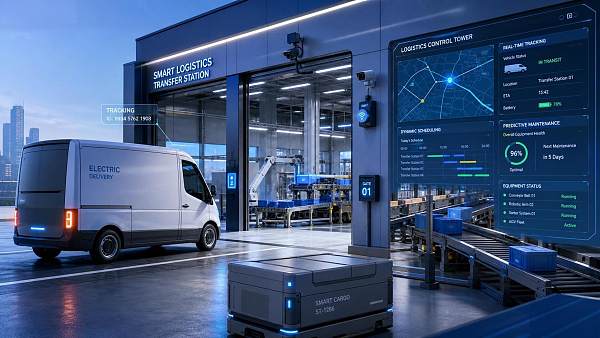
That is useful for electric delivery fleets, autonomous shuttles, ground support vehicles, and specialized transfer equipment.
4. Digital Twins and Simulation
Simulation tools test route density, charging cycles, transfer timing, and terminal bottlenecks before deployment.
That gives project teams a way to validate process changes before committing capital, labor, or service guarantees.
5. Control Towers and Exception Management Platforms
A transportation control tower consolidates alerts, ETA shifts, asset utilization, and handoff issues in one operational view.
This is often the difference between seeing data and actually using it. Coordinated exception handling shortens recovery time during disruptions.
Where These Applications Deliver the Strongest Results
The value of Transportation Technology applications becomes clearer when tied to specific operating environments.
- Urban distribution: Dynamic dispatch reduces stop clustering, parking delays, and missed delivery windows.
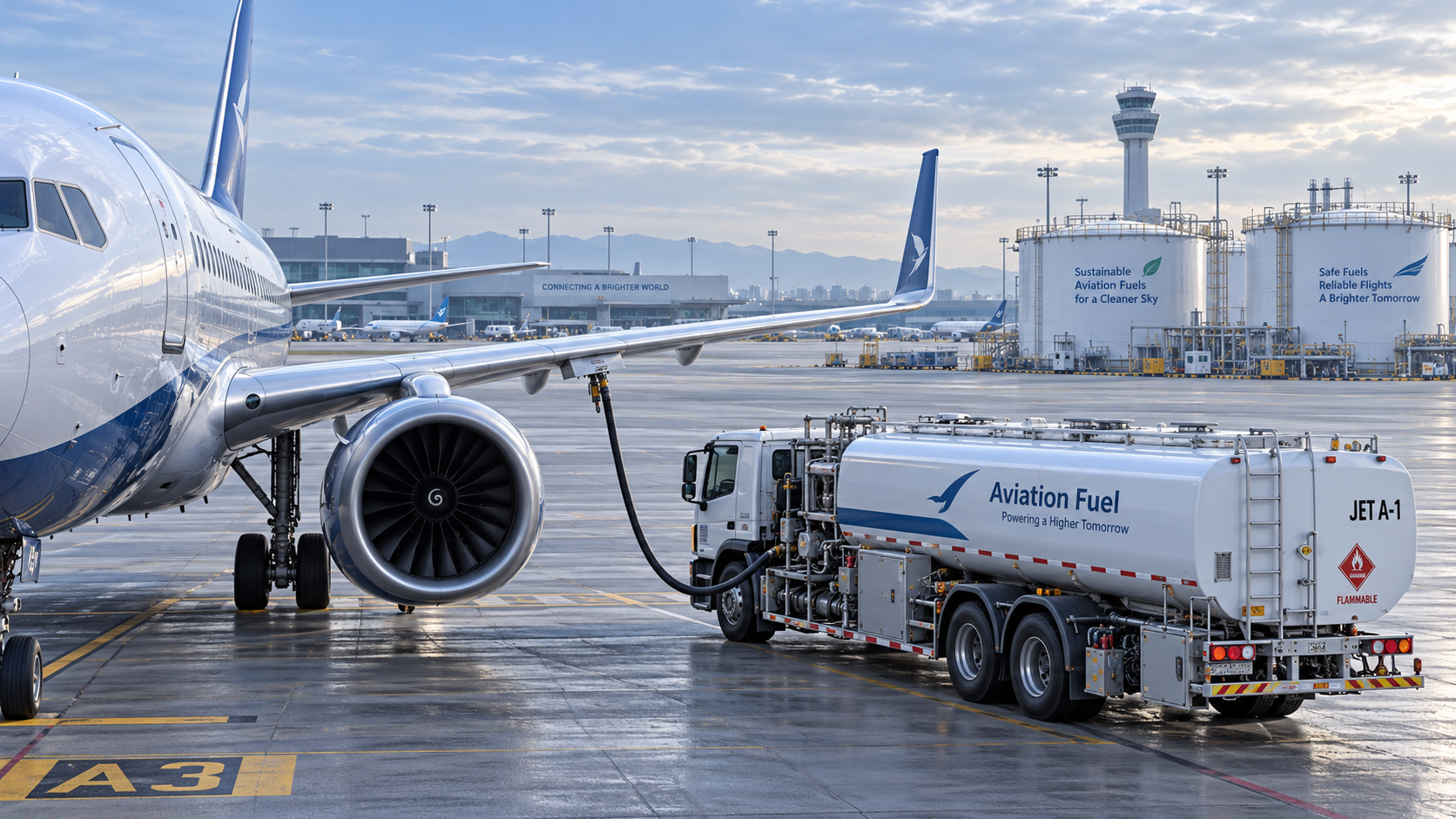
- Airport logistics: Real-time tracking improves ground support coordination and shortens transfer delays between terminals and cargo zones.
- Rail-linked freight: Visibility tools reduce handoff losses between line-haul movement and local delivery assets.
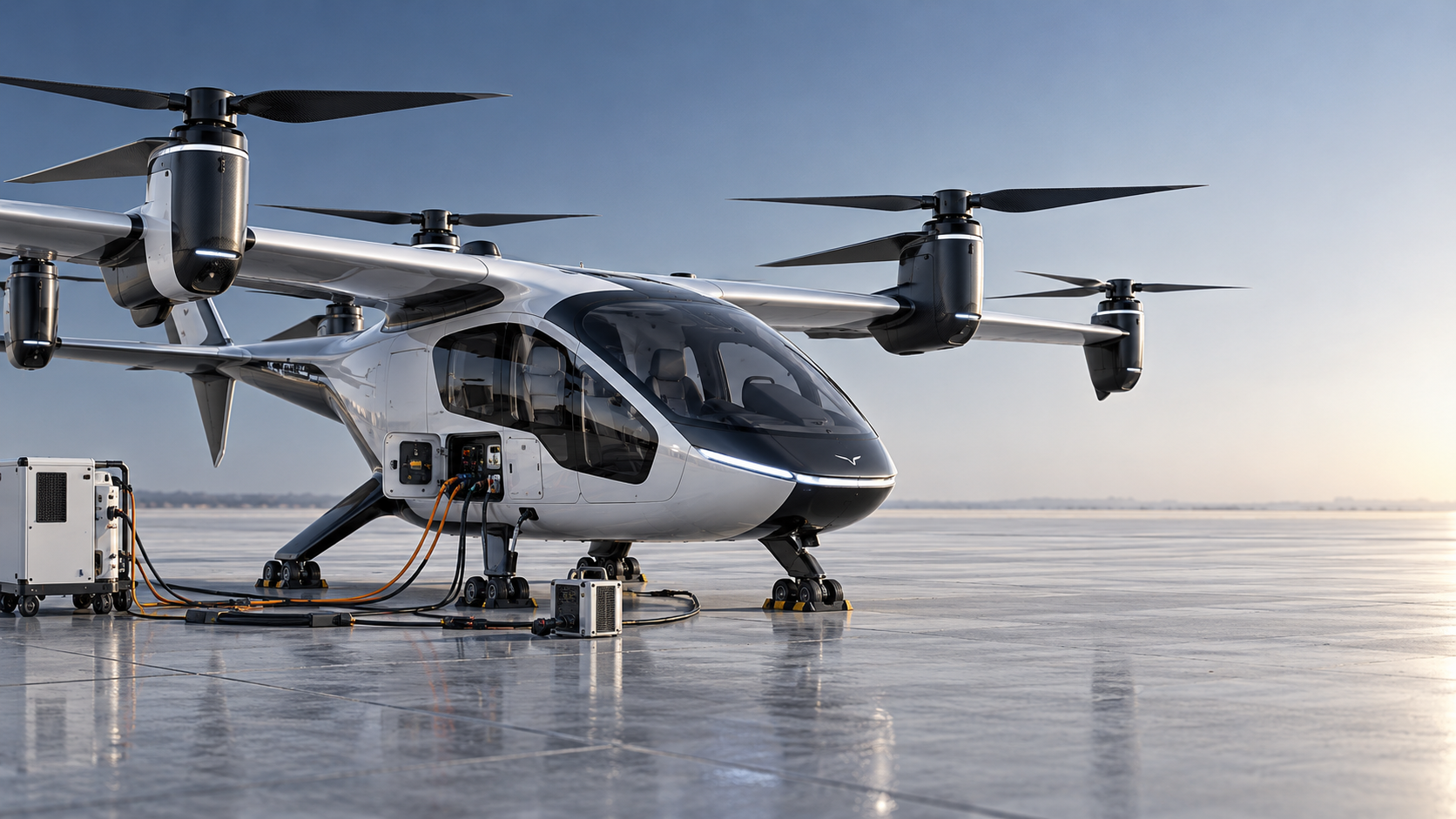
- UAM and eVTOL support: Scheduling software helps manage vertiport slots, turnaround timing, and battery readiness.
- Extreme-environment logistics: Sensor-driven routing improves resilience in remote, weather-sensitive, or safety-critical deliveries.
Across these scenarios, the common theme is coordination. Faster movement only helps when assets, infrastructure, and decision logic stay synchronized.
How to Implement Transportation Technology Applications Without Creating New Delays
Implementation often fails when organizations digitize too broadly. A better approach is to target the highest-cost delay point first.
That may be dispatch response time, asset readiness, transfer visibility, or exception escalation. Start where delay has a clear financial and operational footprint.
A Practical Rollout Sequence
- Map the last-mile process from planning to proof of delivery or final handoff.
- Identify delay drivers using real operational data, not assumptions.
- Choose Transportation Technology applications that solve one measurable bottleneck first.
- Integrate with existing ERP, TMS, maintenance, and telemetry systems early.
- Run a pilot in one corridor, service zone, or asset class.
- Track response time, on-time rate, dwell time, and recovery speed.
- Expand only after process ownership and operating rules are stable.
This kind of staged deployment is especially important in regulated environments. Safety, certification boundaries, and auditability must stay visible through every change.
Key Risks That Project Teams Should Address Early
Even strong Transportation Technology applications can underperform if operating conditions are ignored. Most problems come from integration gaps and weak governance.
More clearly now, technology alone does not remove delay. It reduces delay when governance, process design, and system logic support each other.
What to Measure After Deployment
The strongest business case for Transportation Technology applications comes from measurable operational change. That means defining metrics before rollout.
- On-time final delivery percentage
- Average delay minutes per route or mission
- Dispatch response time to exceptions
- Asset downtime affecting last-mile execution
- Dwell time at transfer points, depots, or terminals
- Cost per completed stop or handoff
- Recovery speed after disruption events
These metrics help teams separate visible activity from real improvement. More dashboards do not matter if the network still reacts too slowly.
A Smarter Path to Faster Last-Mile Performance
Transportation Technology applications are becoming central to resilient mobility operations. They shorten delay cycles by improving awareness, coordination, and decision quality.
The most successful programs do not begin with a full transformation story. They begin with one persistent last-mile problem and solve it with disciplined integration.
In advanced transportation environments, that discipline matters. Reliability must rise alongside speed, and visibility must improve without weakening compliance or control.
A practical next step is to audit one delivery corridor or service zone, quantify its top delay sources, and match them to specific Transportation Technology applications.
That approach keeps investment focused, builds internal trust, and turns last-mile performance into a measurable engineering advantage.
Article Categories
SYSTEM_ALERT_URGENT
Q3 SYMPOSIUM ON ORBITAL DYNAMICS
Registration for the Orbital Aerospace technical committee is now open. Node access required.
Recent Articles
![]() Oct 27, 2026FAA Certifies Boeing 737 MAX 10 After Years of DelaysFAA Certifies Boeing 737 MAX 10 After Years of Delays
Oct 27, 2026FAA Certifies Boeing 737 MAX 10 After Years of DelaysFAA Certifies Boeing 737 MAX 10 After Years of Delays Oct 27, 2026Can an intermodal connectivity platform reduce rail handoff delays?Can an intermodal connectivity platform reduce rail handoff delays?
![]() Oct 26, 2026Chery Unveils Global Smart Mobility Strategy Targeting Robotaxis and eVTOLsChery Unveils Global Smart Mobility Strategy Targeting Robotaxis and eVTOLs
Oct 26, 2026Chery Unveils Global Smart Mobility Strategy Targeting Robotaxis and eVTOLsChery Unveils Global Smart Mobility Strategy Targeting Robotaxis and eVTOLs Oct 26, 2026How to evaluate avionics for helicopters used in IFR operationsHow to evaluate avionics for helicopters used in IFR operations
![]() Oct 25, 2026Ukraine’s Defence Minister Says SpaceX Satellite Services Restored After Speed RestrictionsUkraine’s Defence Minister Says SpaceX Satellite Services Restored After Speed Restrictions
Oct 25, 2026Ukraine’s Defence Minister Says SpaceX Satellite Services Restored After Speed RestrictionsUkraine’s Defence Minister Says SpaceX Satellite Services Restored After Speed Restrictions Oct 25, 2026How satellite infrastructure for IoT affects sensor reporting delaysHow satellite infrastructure for IoT affects sensor reporting delays
![]() Oct 24, 2026China Successfully Launches Yaogan 50-03 SatelliteChina Successfully Launches Yaogan 50-03 Satellite
Oct 24, 2026China Successfully Launches Yaogan 50-03 SatelliteChina Successfully Launches Yaogan 50-03 Satellite Oct 24, 2026How gradients affect traction power needs in high-speed rolling stockHow gradients affect traction power needs in high-speed rolling stock
![]() Oct 23, 2026FAA Proposes Checks on Nearly 2,000 Boeing 737NGs Over Loss-of-Control RiskFAA Proposes Checks on Nearly 2,000 Boeing 737NGs Over Loss-of-Control Risk
Oct 23, 2026FAA Proposes Checks on Nearly 2,000 Boeing 737NGs Over Loss-of-Control RiskFAA Proposes Checks on Nearly 2,000 Boeing 737NGs Over Loss-of-Control Risk Oct 23, 2026How fuel choice affects specific impulse in liquid oxygen propulsionHow fuel choice affects specific impulse in liquid oxygen propulsion
![]() Oct 22, 2026QuantumScape Plans 100 MWh Solid-State Battery Line Targeting Aerospace and Other MarketsQuantumScape Plans 100 MWh Solid-State Battery Line Targeting Aerospace and Other Markets
Oct 22, 2026QuantumScape Plans 100 MWh Solid-State Battery Line Targeting Aerospace and Other MarketsQuantumScape Plans 100 MWh Solid-State Battery Line Targeting Aerospace and Other Markets Oct 22, 2026How tank size limits hydrogen aircraft range on regional flightsHow tank size limits hydrogen aircraft range on regional flights
![]() Oct 21, 2026FAA Certifies Boeing 737-10, Clearing Regulatory Hurdle for DeliveriesFAA Certifies Boeing 737-10, Clearing Regulatory Hurdle for Deliveries
Oct 21, 2026FAA Certifies Boeing 737-10, Clearing Regulatory Hurdle for DeliveriesFAA Certifies Boeing 737-10, Clearing Regulatory Hurdle for Deliveries Oct 21, 2026How are electric vertical takeoff aircraft certified in the US?How are electric vertical takeoff aircraft certified in the US?
![]() Oct 20, 2026Ohio Department of Transportation Releases Three-Year Advanced Air Mobility Action PlanOhio Department of Transportation Releases Three-Year Advanced Air Mobility Action Plan
Oct 20, 2026Ohio Department of Transportation Releases Three-Year Advanced Air Mobility Action PlanOhio Department of Transportation Releases Three-Year Advanced Air Mobility Action Plan Oct 20, 2026How does magnetic flux density in tesla affect maglev lift force?How does magnetic flux density in tesla affect maglev lift force?
![]() Oct 19, 2026ZeroAvia Completes Key Ground Tests of ZA600 Hydrogen Fuel Cell PowertrainZeroAvia Completes Key Ground Tests of ZA600 Hydrogen Fuel Cell Powertrain
Oct 19, 2026ZeroAvia Completes Key Ground Tests of ZA600 Hydrogen Fuel Cell PowertrainZeroAvia Completes Key Ground Tests of ZA600 Hydrogen Fuel Cell Powertrain Oct 19, 2026How spacecraft integration affects advanced propulsion costsHow spacecraft integration affects advanced propulsion costs
 Oct 18, 2026How chilldown prevents cavitation in cryogenic engine systemsHow chilldown prevents cavitation in cryogenic engine systems
 Oct 17, 2026How explainability affects algorithmic trust in AI flight systemsHow explainability affects algorithmic trust in AI flight systems
 Oct 16, 2026How to evaluate transportation technology for Middle East heatHow to evaluate transportation technology for Middle East heat
 Oct 15, 2026How common-cause failures defeat redundancy logic in European avionicsHow common-cause failures defeat redundancy logic in European avionics
 Oct 14, 2026How DO-160 applies to aerospace technology testing for avionicsHow DO-160 applies to aerospace technology testing for avionics
 Oct 13, 2026How fuel price volatility shapes commercial aviation cost trendsHow fuel price volatility shapes commercial aviation cost trends
 Oct 12, 2026How to qualify aerospace manufacturing components for traceabilityHow to qualify aerospace manufacturing components for traceability
 Oct 11, 2026Which certification hurdles are slowing hydrogen aviation in Europe?Which certification hurdles are slowing hydrogen aviation in Europe?
 Oct 10, 2026What evidence should a magnetic gap stability supplier provide?What evidence should a magnetic gap stability supplier provide?
 Oct 09, 2026Which ISO standards matter when qualifying industrial technology suppliers?Which ISO standards matter when qualifying industrial technology suppliers?
 Oct 08, 2026When does reusability actually lower launch vehicle costs?When does reusability actually lower launch vehicle costs?
 Oct 07, 2026Where to find reliable product knowledge resources in the Middle EastWhere to find reliable product knowledge resources in the Middle East
 Oct 06, 2026What drives high-speed rail systems cost per kilometer?What drives high-speed rail systems cost per kilometer?
 Oct 05, 2026When does hydrogen propulsion for UAV extend mission range enough to justify it?When does hydrogen propulsion for UAV extend mission range enough to justify it?
 Oct 04, 2026How rail systems integration reduces commissioning delaysHow rail systems integration reduces commissioning delays
 Oct 03, 2026How to evaluate an advanced propulsion manufacturer for hydrogen systemsHow to evaluate an advanced propulsion manufacturer for hydrogen systems
 Oct 02, 2026How to qualify aircraft components for OEM production approvalHow to qualify aircraft components for OEM production approval