Aviation Electronics Systems: Upgrade Paths, Certification, and Cost
Lead Author
Published
Views:
Aviation electronics systems rarely fail as a buying topic because of missing features. More often, decisions stall when upgrade scope, certification effort, and long-term support are unclear.
That is why aviation programs now evaluate avionics, power management, sensors, communications, and control interfaces as one investment framework, not isolated line items.
For fleets, retrofit projects, and next-generation mobility platforms, the central question is practical: which aviation electronics systems improve capability without creating hidden compliance and maintenance exposure?
This matters even more in environments tracked by G-AIT, where advanced commercial aviation, UAM, and high-speed transport are judged against strict global safety and interoperability standards.
What counts as aviation electronics systems in a real upgrade program?
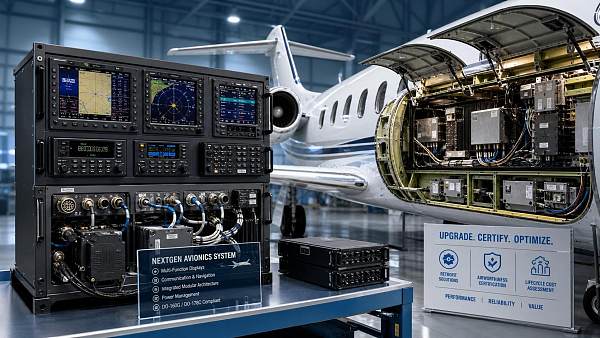
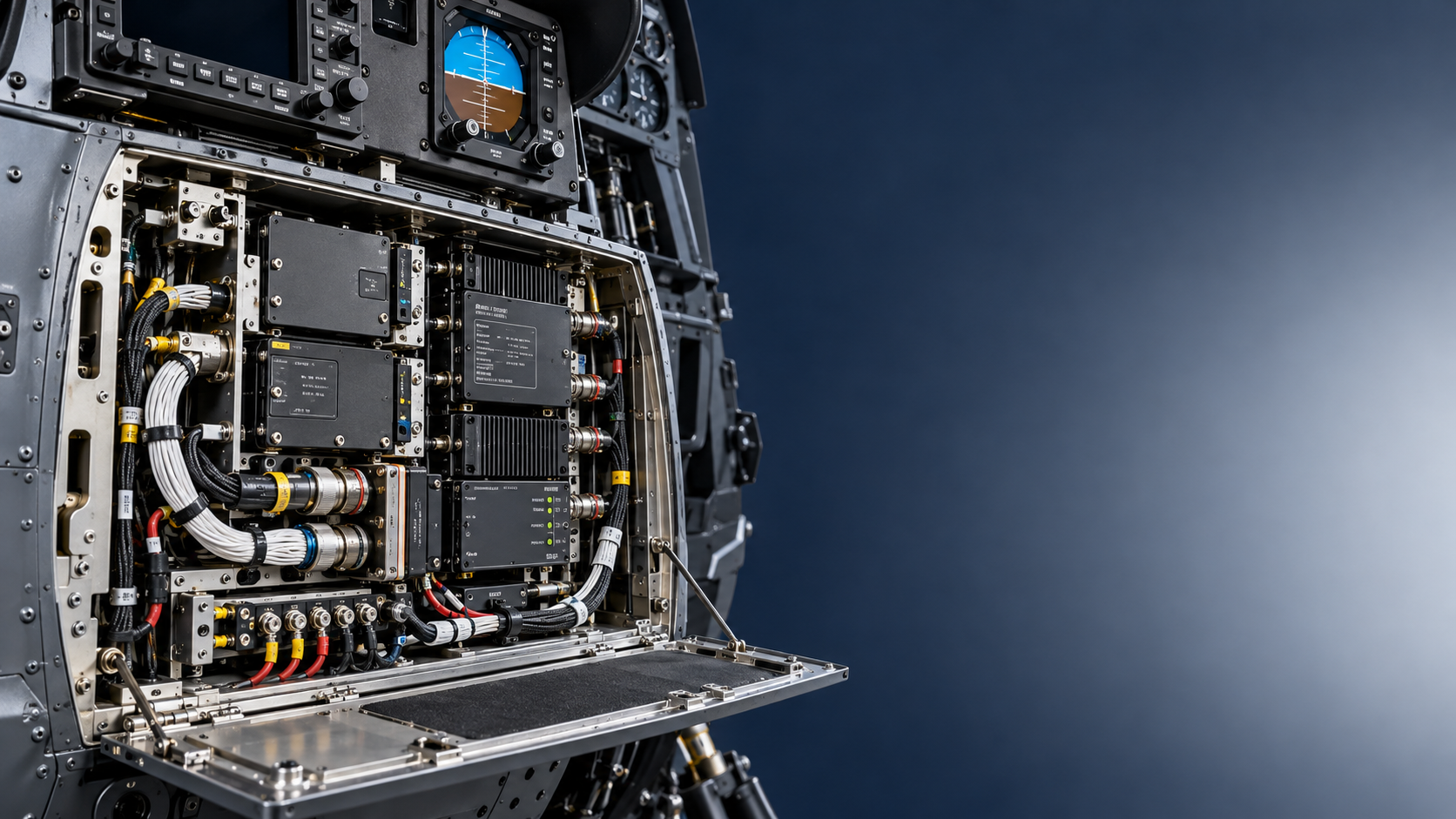
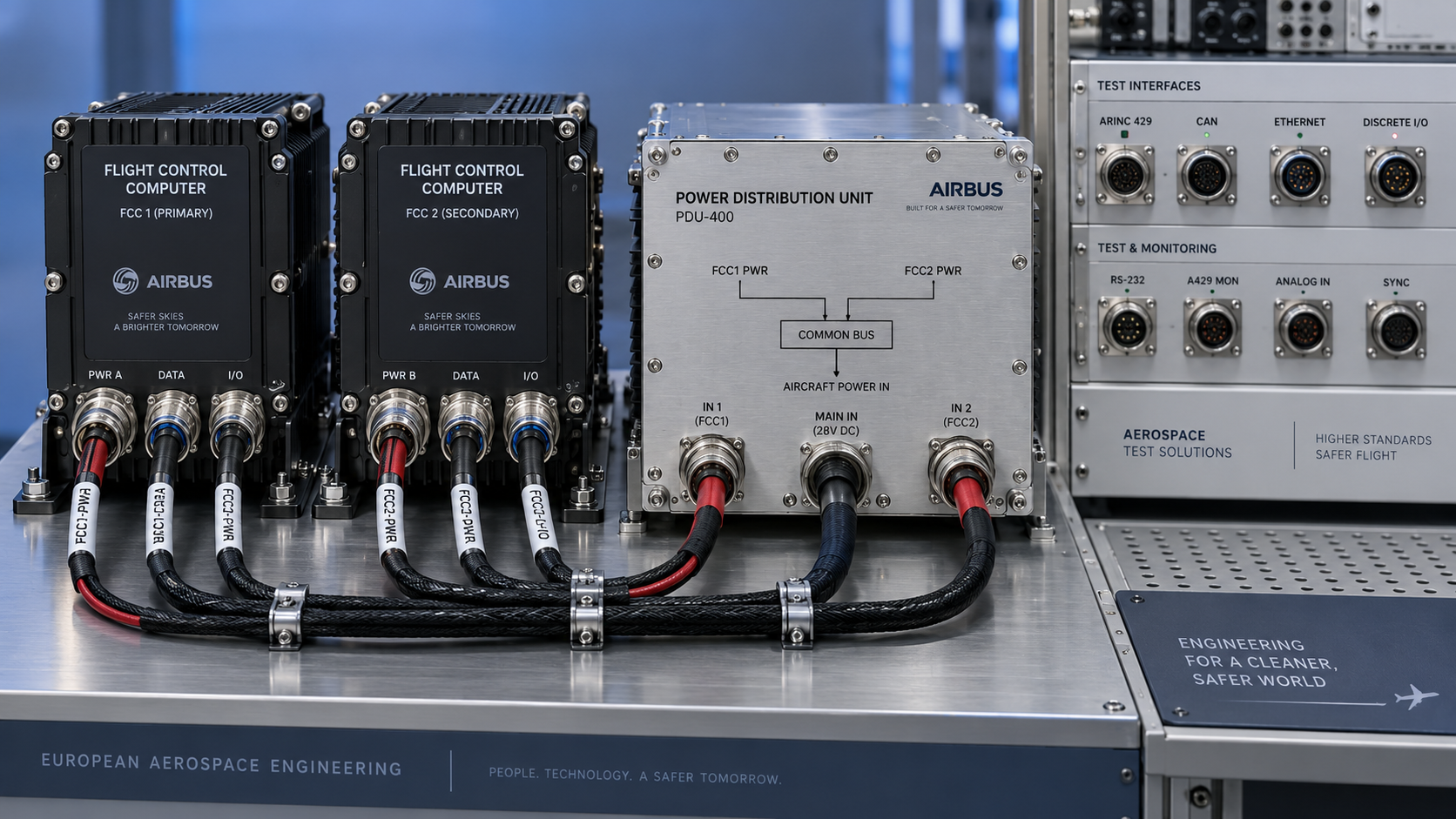
In procurement terms, aviation electronics systems go far beyond a cockpit display refresh. They usually include integrated avionics, communication units, navigation modules, data buses, power conversion, monitoring logic, and software-controlled interfaces.
The useful way to define scope is by operational impact. If a component changes flight information flow, maintenance visibility, system redundancy, or regulatory evidence, it belongs in the evaluation set.
In actual programs, buyers often separate the package into three layers.
- Mission-critical control and navigation electronics.
- Connectivity, monitoring, and health management electronics.
- Support architecture such as wiring, interfaces, cooling, and software updates.
This layered view helps prevent a common mistake. A low-cost unit may appear attractive, yet require expensive integration work across adjacent aviation electronics systems already installed.
When is an upgrade path better than full replacement?
The answer depends on technical debt, not age alone. Some legacy aviation electronics systems remain structurally sound, but lose value because interfaces, software support, or certification documentation no longer fit current operational needs.
An upgrade path usually makes more sense when the existing architecture can accept modular improvements. Examples include display modernization, communication stack updates, or sensor integration without redesigning the entire aircraft electrical backbone.
Full replacement becomes more rational when several issues arrive together. That pattern is easier to spot than many teams expect.
A practical buying rule is simple. If two or three subsystems must be requalified together, compare full replacement seriously rather than treating it as a premium option by default.
How much do FAA and EASA certification requirements change the buying decision?
They change it more than the hardware brochure does. Aviation electronics systems are purchased with evidence, not just performance claims.
Certification affects schedule, engineering hours, test planning, software assurance, environmental qualification, and acceptance risk. A component with a lower unit price can become the expensive option if the approval route is unclear.
In practice, three questions should be answered early.
- Is the system already aligned with FAA, EASA, or equivalent approval pathways?
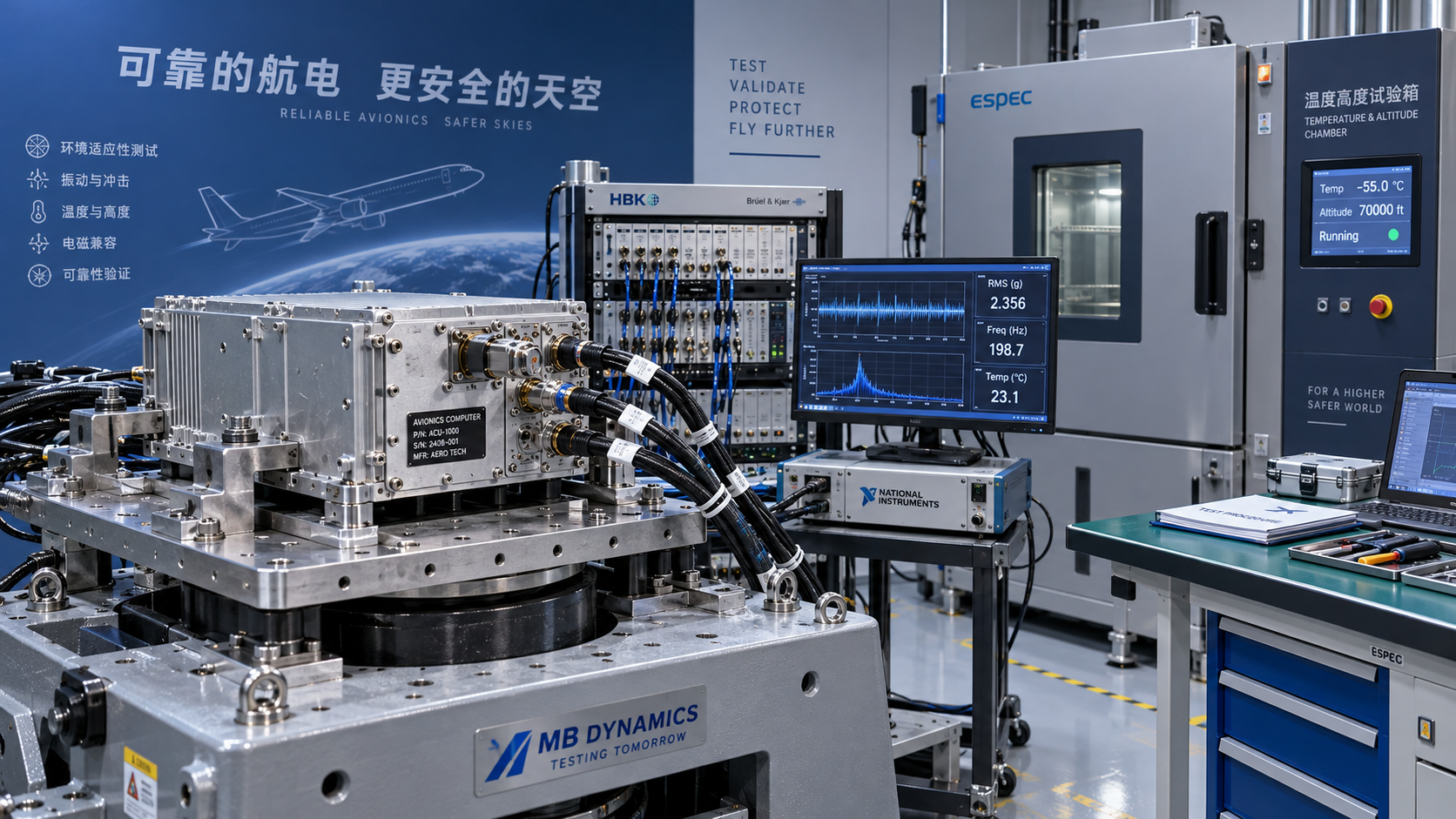
- Will integration trigger additional testing for software, EMI, thermal loads, or human factors?
- Who owns the certification package, and how complete is the technical file?
This is where G-AIT’s benchmarking logic becomes useful. In advanced mobility sectors, the strongest aviation electronics systems are those designed for compliance traceability from the start, not adapted late in the program.
That same principle now applies across commercial aircraft modernization, eVTOL platforms, and specialized logistics vehicles operating in harsh environments.
Which cost elements are usually underestimated?
Unit price is rarely the main surprise. The bigger cost drivers around aviation electronics systems tend to sit in integration, validation, downtime, and future support.
A realistic cost view should include direct and indirect categories. Without that, one supplier quote may look lean while shifting cost to engineering teams and operators later.
Look beyond acquisition cost
- Installation kits, harness changes, brackets, and panel modifications.
- Software integration, cybersecurity hardening, and data mapping.
- Ground testing, flight testing, and documentation updates.
- Training for maintenance personnel and technical publications revision.
- Spare strategy, repair turnaround, and long-term obsolescence coverage.
More mature aviation electronics systems often cost more upfront because they carry proven support networks, cleaner configuration control, and better records for airworthiness review.
That premium can be justified quickly when fleet availability matters. For time-sensitive operations, one delayed certification milestone may erase the apparent savings from a cheaper platform.
What separates a low-risk supplier from a risky one?
A strong supplier does not just promise performance. It shows process discipline around configuration control, change notices, qualification records, repair support, and software lifecycle management.
For aviation electronics systems, supplier maturity is often visible in the questions they answer clearly and the ones they avoid.
Useful screening points include the following.
- Documented certification history in comparable aircraft or mobility platforms.
- Clear roadmap for parts obsolescence and software maintenance.
- Defined repair channels, lead times, and failure reporting methods.
- Stable interoperability with current avionics and data architectures.
- Ability to support regional regulatory differences without major redesign.
This is especially relevant for cross-border programs. Aviation electronics systems that work technically in one jurisdiction may still create delay if documentation, testing basis, or support obligations differ elsewhere.
How should buyers compare options when timelines are tight?
When schedule pressure is real, the best comparison method is not a feature checklist. It is a decision matrix that weights certification readiness, integration effort, lifecycle support, and operational benefit together.
Aviation electronics systems with modest feature sets may still rank higher if they reduce approval risk and installation complexity.
A compact comparison model
In fast-moving sectors such as UAM and zero-emission aviation, future expansion matters more than many legacy procurement models assume. Electronics selected today may need to support autonomy layers, health analytics, and new communication standards tomorrow.
What is the smartest next step before committing budget?
Start with an evidence-based baseline. Map the current aviation electronics systems by function, certification status, failure history, supportability, and interface dependency.
Then rank upgrade candidates by business impact, not by visibility. A display unit may attract attention, while a power management or data interface bottleneck creates the larger operational constraint.
A disciplined next-step sequence usually works well.
- Define the operational gap to be closed.
- Confirm which aviation electronics systems are affected directly and indirectly.
- Request certification evidence before final commercial comparison.
- Model installation downtime and support cost across the full service life.
- Check whether the chosen path still fits future platform evolution.
The best decisions usually come from balancing engineering reality with financial discipline. For aviation electronics systems, value is created when upgrade timing, certification readiness, and lifecycle support stay aligned from the beginning.
That is the standard increasingly used across the G-AIT view of global mobility. Compare options with the same rigor applied to safety, interoperability, and long-term operational resilience.
Article Categories
SYSTEM_ALERT_URGENT
Q3 SYMPOSIUM ON ORBITAL DYNAMICS
Registration for the Orbital Aerospace technical committee is now open. Node access required.
Recent Articles
![]() Oct 27, 2026FAA Certifies Boeing 737 MAX 10 After Years of DelaysFAA Certifies Boeing 737 MAX 10 After Years of Delays
Oct 27, 2026FAA Certifies Boeing 737 MAX 10 After Years of DelaysFAA Certifies Boeing 737 MAX 10 After Years of Delays Oct 27, 2026Can an intermodal connectivity platform reduce rail handoff delays?Can an intermodal connectivity platform reduce rail handoff delays?
![]() Oct 26, 2026Chery Unveils Global Smart Mobility Strategy Targeting Robotaxis and eVTOLsChery Unveils Global Smart Mobility Strategy Targeting Robotaxis and eVTOLs
Oct 26, 2026Chery Unveils Global Smart Mobility Strategy Targeting Robotaxis and eVTOLsChery Unveils Global Smart Mobility Strategy Targeting Robotaxis and eVTOLs Oct 26, 2026How to evaluate avionics for helicopters used in IFR operationsHow to evaluate avionics for helicopters used in IFR operations
![]() Oct 25, 2026Ukraine’s Defence Minister Says SpaceX Satellite Services Restored After Speed RestrictionsUkraine’s Defence Minister Says SpaceX Satellite Services Restored After Speed Restrictions
Oct 25, 2026Ukraine’s Defence Minister Says SpaceX Satellite Services Restored After Speed RestrictionsUkraine’s Defence Minister Says SpaceX Satellite Services Restored After Speed Restrictions Oct 25, 2026How satellite infrastructure for IoT affects sensor reporting delaysHow satellite infrastructure for IoT affects sensor reporting delays
![]() Oct 24, 2026China Successfully Launches Yaogan 50-03 SatelliteChina Successfully Launches Yaogan 50-03 Satellite
Oct 24, 2026China Successfully Launches Yaogan 50-03 SatelliteChina Successfully Launches Yaogan 50-03 Satellite Oct 24, 2026How gradients affect traction power needs in high-speed rolling stockHow gradients affect traction power needs in high-speed rolling stock
![]() Oct 23, 2026FAA Proposes Checks on Nearly 2,000 Boeing 737NGs Over Loss-of-Control RiskFAA Proposes Checks on Nearly 2,000 Boeing 737NGs Over Loss-of-Control Risk
Oct 23, 2026FAA Proposes Checks on Nearly 2,000 Boeing 737NGs Over Loss-of-Control RiskFAA Proposes Checks on Nearly 2,000 Boeing 737NGs Over Loss-of-Control Risk Oct 23, 2026How fuel choice affects specific impulse in liquid oxygen propulsionHow fuel choice affects specific impulse in liquid oxygen propulsion
![]() Oct 22, 2026QuantumScape Plans 100 MWh Solid-State Battery Line Targeting Aerospace and Other MarketsQuantumScape Plans 100 MWh Solid-State Battery Line Targeting Aerospace and Other Markets
Oct 22, 2026QuantumScape Plans 100 MWh Solid-State Battery Line Targeting Aerospace and Other MarketsQuantumScape Plans 100 MWh Solid-State Battery Line Targeting Aerospace and Other Markets Oct 22, 2026How tank size limits hydrogen aircraft range on regional flightsHow tank size limits hydrogen aircraft range on regional flights
![]() Oct 21, 2026FAA Certifies Boeing 737-10, Clearing Regulatory Hurdle for DeliveriesFAA Certifies Boeing 737-10, Clearing Regulatory Hurdle for Deliveries
Oct 21, 2026FAA Certifies Boeing 737-10, Clearing Regulatory Hurdle for DeliveriesFAA Certifies Boeing 737-10, Clearing Regulatory Hurdle for Deliveries Oct 21, 2026How are electric vertical takeoff aircraft certified in the US?How are electric vertical takeoff aircraft certified in the US?
![]() Oct 20, 2026Ohio Department of Transportation Releases Three-Year Advanced Air Mobility Action PlanOhio Department of Transportation Releases Three-Year Advanced Air Mobility Action Plan
Oct 20, 2026Ohio Department of Transportation Releases Three-Year Advanced Air Mobility Action PlanOhio Department of Transportation Releases Three-Year Advanced Air Mobility Action Plan Oct 20, 2026How does magnetic flux density in tesla affect maglev lift force?How does magnetic flux density in tesla affect maglev lift force?
![]() Oct 19, 2026ZeroAvia Completes Key Ground Tests of ZA600 Hydrogen Fuel Cell PowertrainZeroAvia Completes Key Ground Tests of ZA600 Hydrogen Fuel Cell Powertrain
Oct 19, 2026ZeroAvia Completes Key Ground Tests of ZA600 Hydrogen Fuel Cell PowertrainZeroAvia Completes Key Ground Tests of ZA600 Hydrogen Fuel Cell Powertrain Oct 19, 2026How spacecraft integration affects advanced propulsion costsHow spacecraft integration affects advanced propulsion costs
 Oct 18, 2026How chilldown prevents cavitation in cryogenic engine systemsHow chilldown prevents cavitation in cryogenic engine systems
 Oct 17, 2026How explainability affects algorithmic trust in AI flight systemsHow explainability affects algorithmic trust in AI flight systems
 Oct 16, 2026How to evaluate transportation technology for Middle East heatHow to evaluate transportation technology for Middle East heat
 Oct 15, 2026How common-cause failures defeat redundancy logic in European avionicsHow common-cause failures defeat redundancy logic in European avionics
 Oct 14, 2026How DO-160 applies to aerospace technology testing for avionicsHow DO-160 applies to aerospace technology testing for avionics
 Oct 13, 2026How fuel price volatility shapes commercial aviation cost trendsHow fuel price volatility shapes commercial aviation cost trends
 Oct 12, 2026How to qualify aerospace manufacturing components for traceabilityHow to qualify aerospace manufacturing components for traceability
 Oct 11, 2026Which certification hurdles are slowing hydrogen aviation in Europe?Which certification hurdles are slowing hydrogen aviation in Europe?
 Oct 10, 2026What evidence should a magnetic gap stability supplier provide?What evidence should a magnetic gap stability supplier provide?
 Oct 09, 2026Which ISO standards matter when qualifying industrial technology suppliers?Which ISO standards matter when qualifying industrial technology suppliers?
 Oct 08, 2026When does reusability actually lower launch vehicle costs?When does reusability actually lower launch vehicle costs?
 Oct 07, 2026Where to find reliable product knowledge resources in the Middle EastWhere to find reliable product knowledge resources in the Middle East
 Oct 06, 2026What drives high-speed rail systems cost per kilometer?What drives high-speed rail systems cost per kilometer?
 Oct 05, 2026When does hydrogen propulsion for UAV extend mission range enough to justify it?When does hydrogen propulsion for UAV extend mission range enough to justify it?
 Oct 04, 2026How rail systems integration reduces commissioning delaysHow rail systems integration reduces commissioning delays
 Oct 03, 2026How to evaluate an advanced propulsion manufacturer for hydrogen systemsHow to evaluate an advanced propulsion manufacturer for hydrogen systems
 Oct 02, 2026How to qualify aircraft components for OEM production approvalHow to qualify aircraft components for OEM production approval