Autonomous Transportation Systems: Key Safety Risks to Watch
Lead Author
Published
Views:
Autonomous transportation systems become risk-critical once infrastructure depends on them
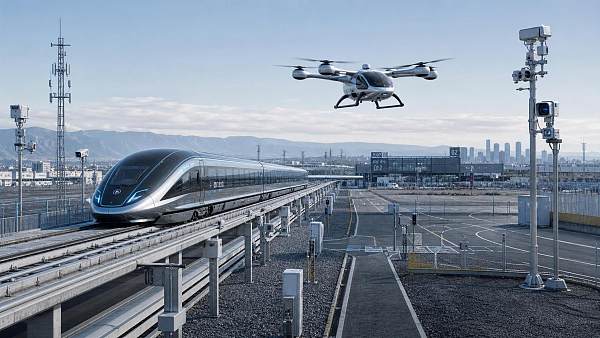
Autonomous transportation systems are no longer confined to pilots, demos, or controlled research corridors.
They now sit closer to live rail networks, urban air mobility routes, cargo operations, and safety-certified aviation environments.
That shift changes the safety conversation.
A late software patch, a degraded sensor, or a misunderstood operator alert can move from inconvenience to system-level exposure.
For organizations working across advanced aviation, maglev engineering, eVTOL operations, and extreme-environment logistics, the key question is not whether autonomous transportation systems are viable.
The real issue is where safety risks change shape across operating conditions.
This is where the G-AIT perspective matters.
Benchmarking future mobility against FAA, EASA, UIC, and ISO expectations shows that identical autonomy claims can carry very different certification burdens.
In practice, autonomous transportation systems must be judged by context, failure visibility, fallback behavior, and recovery speed.
The same autonomy stack behaves differently across real operating environments
Different scenarios create different safety priorities because exposure pathways are not the same.
A high-speed rail corridor values deterministic signaling continuity.
An autonomous air-taxi network cares more about dynamic separation, weather variation, and pilot-automation handoff quality.
Specialized logistics in remote or hostile environments may tolerate reduced efficiency, but not loss of command assurance.
That is why autonomous transportation systems should be assessed through three filters.
- How quickly hazards emerge after a component or data fault.
- Whether the system can detect and isolate degraded states before control quality drops.
- What safe fallback mode exists when autonomy confidence falls below threshold.
Many risk reviews fail because they evaluate peak capability instead of degraded behavior.
For autonomous transportation systems, the dangerous moments usually appear during transition, not during ideal autonomous cruise.
In rail and guided corridors, hidden dependency chains deserve closer attention
Autonomous transportation systems used in high-speed rail and maglev settings often look stable because the route is controlled.
That assumption can hide complex dependency chains.
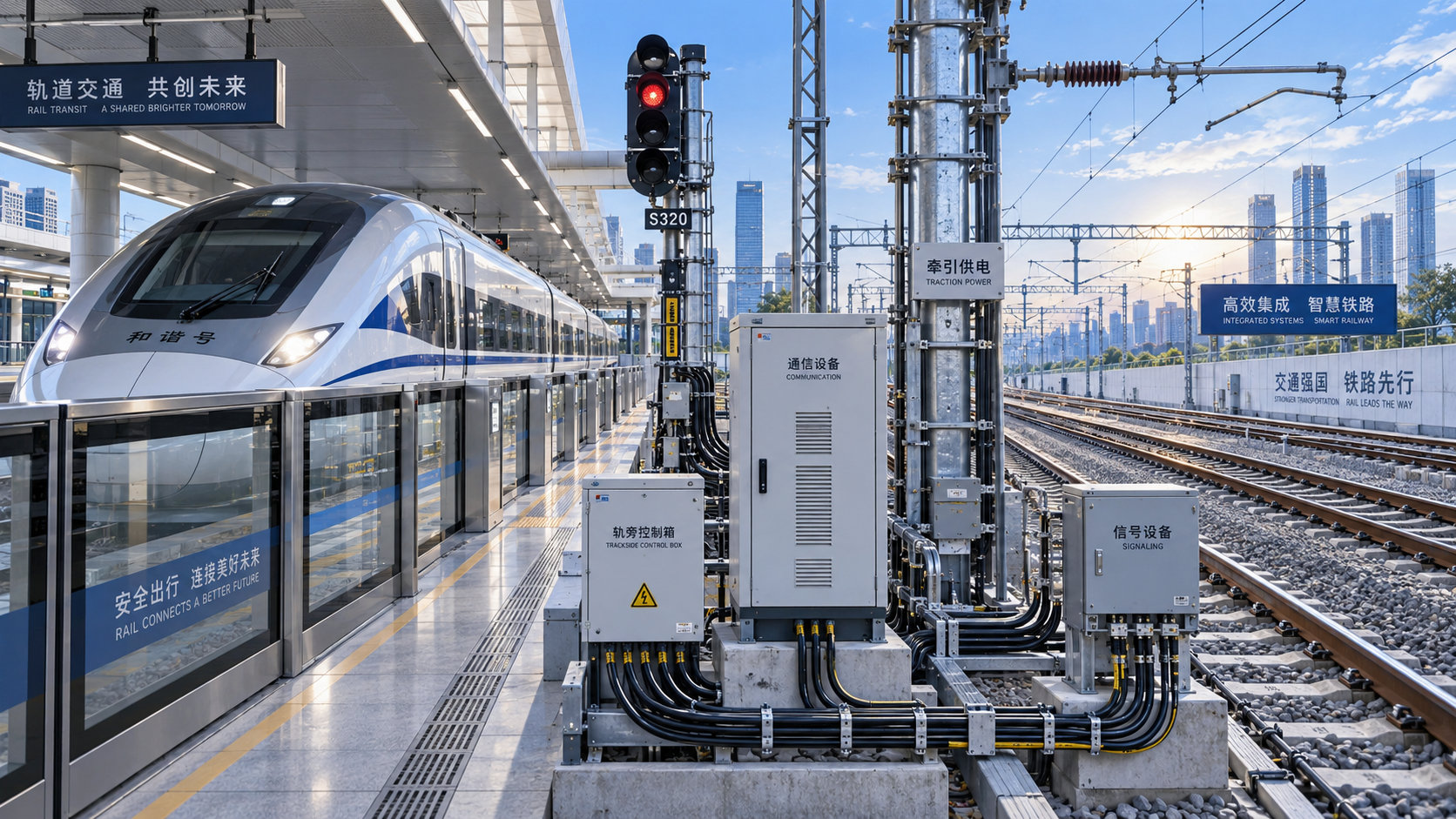
Positioning, signaling, onboard control, wayside communications, and central dispatch logic must remain synchronized under tight timing margins.
A sensor issue alone may not be catastrophic.
The bigger risk is inconsistent state awareness across subsystems.
When braking curves, route authority, and track occupancy are interpreted differently, autonomy may continue acting with false confidence.
In this scenario, safety reviews should verify latency tolerance, clock integrity, and fail-silent versus fail-operational design choices.
A common misjudgment is to treat a closed corridor as a simplified environment.
Operationally, it is often the opposite.
Highly optimized corridors create very little room for ambiguity.
Urban air mobility raises a different problem: uncertainty arrives faster than operators can interpret it
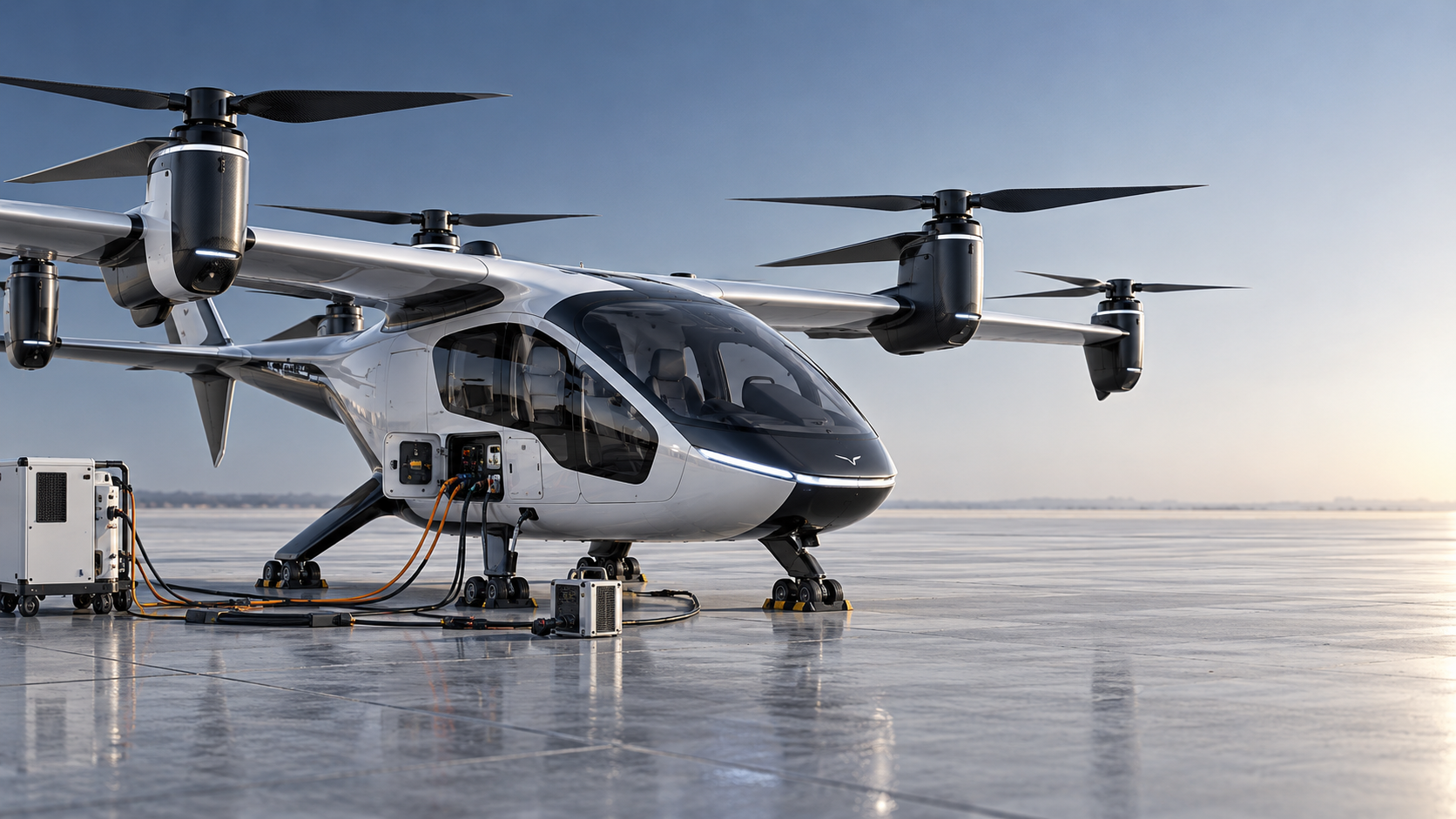
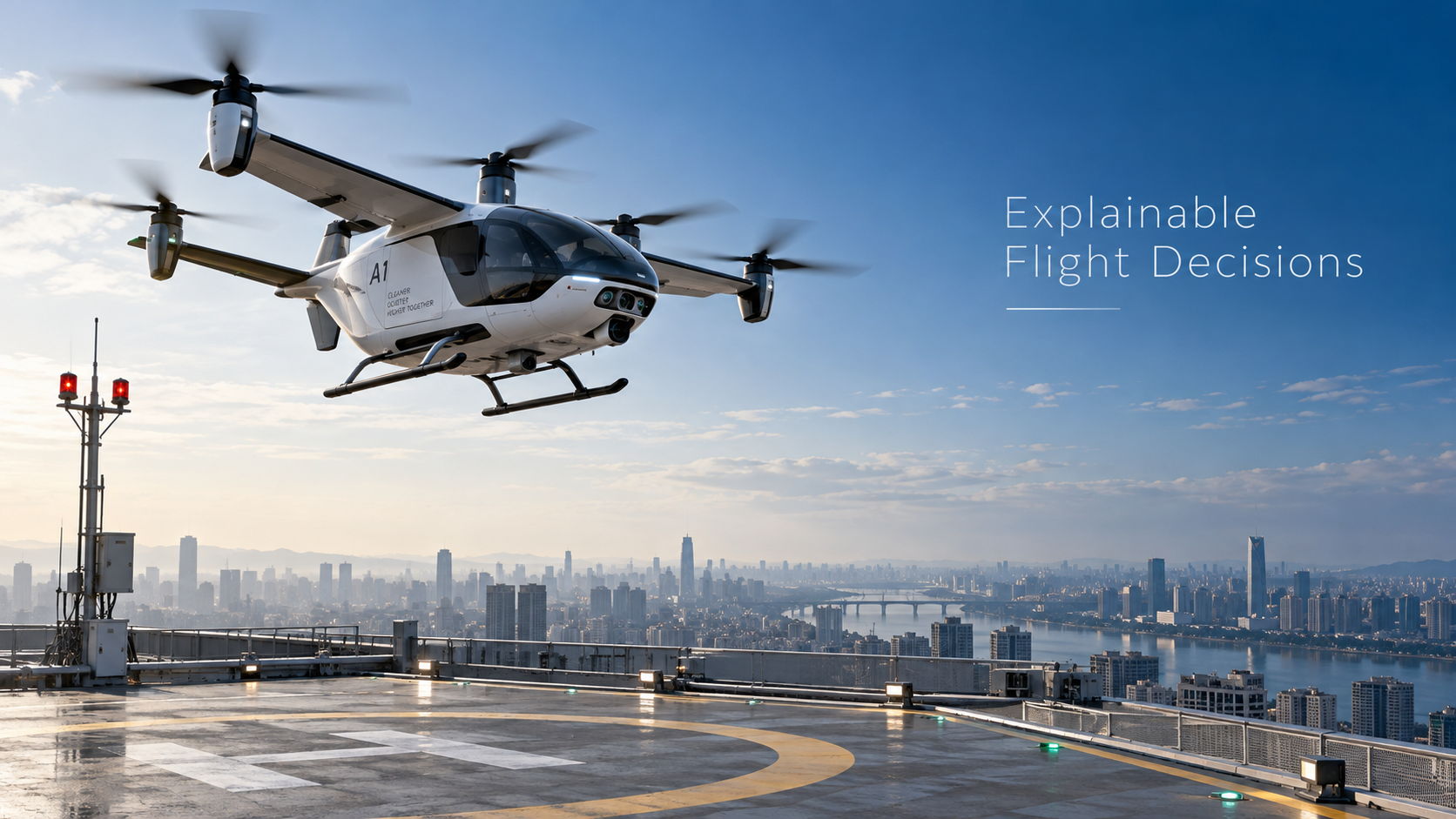
For eVTOL and urban air mobility, autonomous transportation systems operate in more variable airspace and denser edge conditions.
Weather shifts, GPS multipath, rooftop turbulence, obstacle detection errors, and communication interruptions can combine quickly.
Here, the main hazard is not only failure.
It is delayed recognition of uncertainty.
If the autonomy stack cannot clearly communicate confidence loss, the human supervisor may intervene too late or in the wrong control mode.
Human-machine interface design therefore becomes a core safety item, not a cosmetic one.
In actual deployment, the better judgment method is to test abnormal transitions repeatedly.
Examples include unstable landing zone data, conflicting traffic inputs, and sensor disagreement during approach.
Autonomous transportation systems in this setting need explicit prioritization rules and concise alerting logic, not just more screens and more data.
Aviation and extreme-environment logistics demand stronger proof, not broader claims
In advanced commercial aviation and specialized remote logistics, autonomous transportation systems face a higher bar for software assurance and survivability.
The operating environment may include icing, electromagnetic interference, low-visibility routing, cryogenic support zones, or contested communications.
Under these conditions, redundancy alone is not enough.
Redundant channels can fail from the same hidden assumption.
This is why validation should separate hardware diversity, data diversity, and decision-path diversity.
A system with three similar sensors may still be weak against the same contamination pattern.
Likewise, independently coded modules may still depend on the same flawed map layer or timing source.
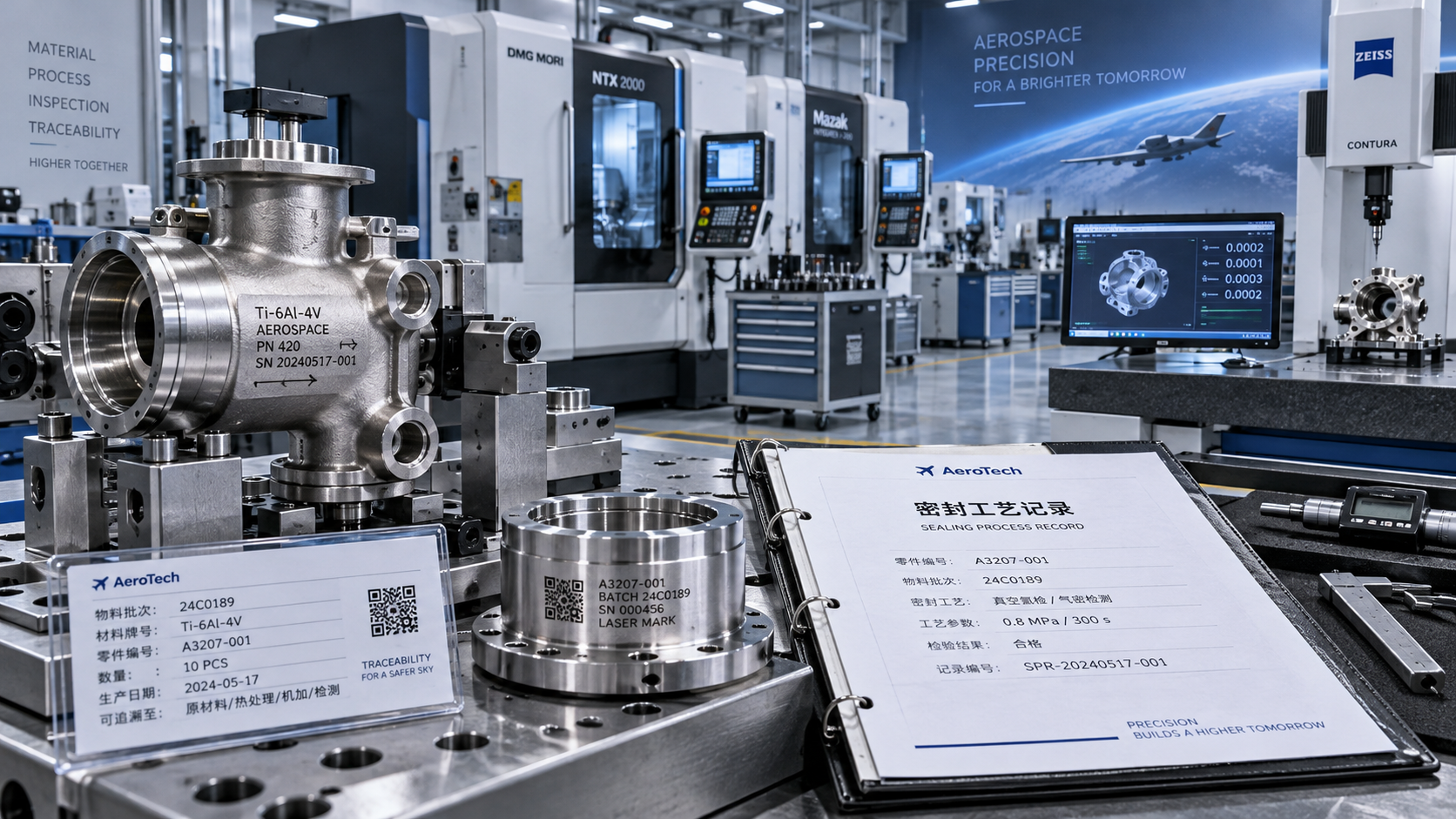
For autonomous transportation systems in aerospace-linked operations, certification readiness often depends on traceability.
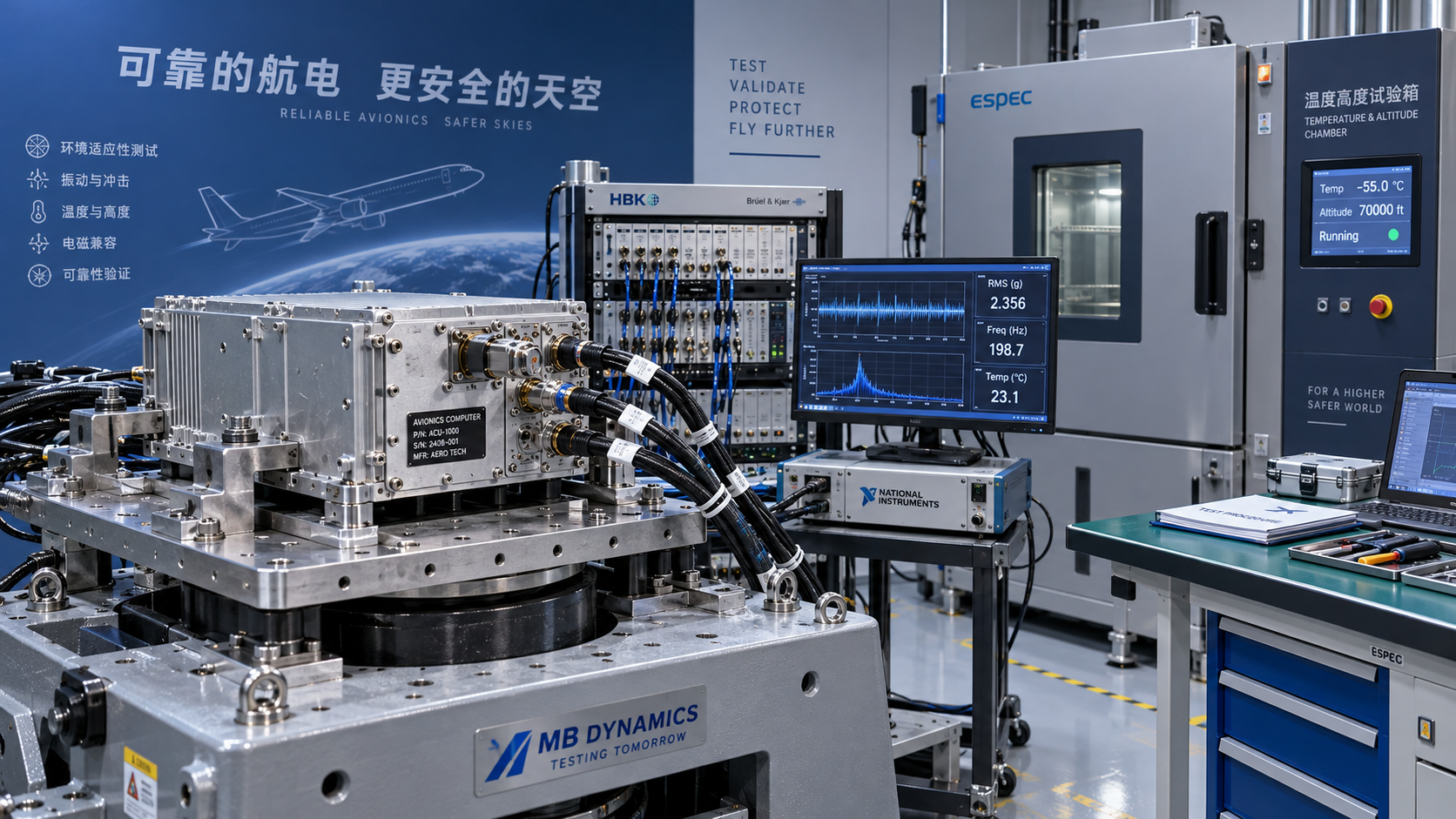
Every safety claim should connect to test evidence, failure injection results, and controlled operational limits.
Different scenarios do not ask the same questions
The table below helps separate where autonomous transportation systems need different safety attention.
The most common mistakes happen before commissioning
Several recurring mistakes appear when autonomous transportation systems move toward operational deployment.
- Treating laboratory accuracy as operational reliability.
- Reviewing component performance without checking cross-system failure propagation.
- Assuming cybersecurity is separate from functional safety.
- Overlooking maintenance drift in calibration, firmware, and network configuration.
- Assuming similar routes or vehicles create similar risk envelopes.
Cybersecurity deserves special mention.
In autonomous transportation systems, a cyber event does not need to seize full control to become dangerous.
Small manipulations of timing, map data, sensor trust weighting, or maintenance logs can erode safety margins gradually.
That is harder to detect than a dramatic intrusion.
What stronger scenario fit looks like in practice
A practical safety approach for autonomous transportation systems starts with scenario mapping, not feature listing.
The useful sequence is usually straightforward.
- Define operating boundaries, including weather, speed, traffic density, and communication quality.
- List degraded modes that are credible, not merely extreme.
- Match each degraded mode to a detection method, fallback action, and verification record.
- Check the same logic against applicable FAA, EASA, UIC, or ISO expectations.
- Review lifecycle exposure, including software updates, maintenance intervals, and retraining needs.
This process is especially relevant when autonomous transportation systems span multiple mobility domains.
A framework that works in guided rail may fail in urban air mobility if uncertainty reporting is weak.
A resilient aerospace workflow may still underperform in remote logistics if communications recovery is under-tested.
Before expanding deployment, it is worth building a scenario-based benchmark that compares conditions, limits, maintenance burden, and residual risk.
That produces a more reliable view of autonomous transportation systems than broad autonomy claims ever can.
The next useful step is to document the exact operating scenarios, align them with safety evidence, and test where confidence drops first.
That is usually where the most serious risk is waiting.
Article Categories
SYSTEM_ALERT_URGENT
Q3 SYMPOSIUM ON ORBITAL DYNAMICS
Registration for the Orbital Aerospace technical committee is now open. Node access required.
Recent Articles
![]() Oct 27, 2026FAA Certifies Boeing 737 MAX 10 After Years of DelaysFAA Certifies Boeing 737 MAX 10 After Years of Delays
Oct 27, 2026FAA Certifies Boeing 737 MAX 10 After Years of DelaysFAA Certifies Boeing 737 MAX 10 After Years of Delays Oct 27, 2026Can an intermodal connectivity platform reduce rail handoff delays?Can an intermodal connectivity platform reduce rail handoff delays?
![]() Oct 26, 2026Chery Unveils Global Smart Mobility Strategy Targeting Robotaxis and eVTOLsChery Unveils Global Smart Mobility Strategy Targeting Robotaxis and eVTOLs
Oct 26, 2026Chery Unveils Global Smart Mobility Strategy Targeting Robotaxis and eVTOLsChery Unveils Global Smart Mobility Strategy Targeting Robotaxis and eVTOLs Oct 26, 2026How to evaluate avionics for helicopters used in IFR operationsHow to evaluate avionics for helicopters used in IFR operations
![]() Oct 25, 2026Ukraine’s Defence Minister Says SpaceX Satellite Services Restored After Speed RestrictionsUkraine’s Defence Minister Says SpaceX Satellite Services Restored After Speed Restrictions
Oct 25, 2026Ukraine’s Defence Minister Says SpaceX Satellite Services Restored After Speed RestrictionsUkraine’s Defence Minister Says SpaceX Satellite Services Restored After Speed Restrictions Oct 25, 2026How satellite infrastructure for IoT affects sensor reporting delaysHow satellite infrastructure for IoT affects sensor reporting delays
![]() Oct 24, 2026China Successfully Launches Yaogan 50-03 SatelliteChina Successfully Launches Yaogan 50-03 Satellite
Oct 24, 2026China Successfully Launches Yaogan 50-03 SatelliteChina Successfully Launches Yaogan 50-03 Satellite Oct 24, 2026How gradients affect traction power needs in high-speed rolling stockHow gradients affect traction power needs in high-speed rolling stock
![]() Oct 23, 2026FAA Proposes Checks on Nearly 2,000 Boeing 737NGs Over Loss-of-Control RiskFAA Proposes Checks on Nearly 2,000 Boeing 737NGs Over Loss-of-Control Risk
Oct 23, 2026FAA Proposes Checks on Nearly 2,000 Boeing 737NGs Over Loss-of-Control RiskFAA Proposes Checks on Nearly 2,000 Boeing 737NGs Over Loss-of-Control Risk Oct 23, 2026How fuel choice affects specific impulse in liquid oxygen propulsionHow fuel choice affects specific impulse in liquid oxygen propulsion
![]() Oct 22, 2026QuantumScape Plans 100 MWh Solid-State Battery Line Targeting Aerospace and Other MarketsQuantumScape Plans 100 MWh Solid-State Battery Line Targeting Aerospace and Other Markets
Oct 22, 2026QuantumScape Plans 100 MWh Solid-State Battery Line Targeting Aerospace and Other MarketsQuantumScape Plans 100 MWh Solid-State Battery Line Targeting Aerospace and Other Markets Oct 22, 2026How tank size limits hydrogen aircraft range on regional flightsHow tank size limits hydrogen aircraft range on regional flights
![]() Oct 21, 2026FAA Certifies Boeing 737-10, Clearing Regulatory Hurdle for DeliveriesFAA Certifies Boeing 737-10, Clearing Regulatory Hurdle for Deliveries
Oct 21, 2026FAA Certifies Boeing 737-10, Clearing Regulatory Hurdle for DeliveriesFAA Certifies Boeing 737-10, Clearing Regulatory Hurdle for Deliveries Oct 21, 2026How are electric vertical takeoff aircraft certified in the US?How are electric vertical takeoff aircraft certified in the US?
![]() Oct 20, 2026Ohio Department of Transportation Releases Three-Year Advanced Air Mobility Action PlanOhio Department of Transportation Releases Three-Year Advanced Air Mobility Action Plan
Oct 20, 2026Ohio Department of Transportation Releases Three-Year Advanced Air Mobility Action PlanOhio Department of Transportation Releases Three-Year Advanced Air Mobility Action Plan Oct 20, 2026How does magnetic flux density in tesla affect maglev lift force?How does magnetic flux density in tesla affect maglev lift force?
![]() Oct 19, 2026ZeroAvia Completes Key Ground Tests of ZA600 Hydrogen Fuel Cell PowertrainZeroAvia Completes Key Ground Tests of ZA600 Hydrogen Fuel Cell Powertrain
Oct 19, 2026ZeroAvia Completes Key Ground Tests of ZA600 Hydrogen Fuel Cell PowertrainZeroAvia Completes Key Ground Tests of ZA600 Hydrogen Fuel Cell Powertrain Oct 19, 2026How spacecraft integration affects advanced propulsion costsHow spacecraft integration affects advanced propulsion costs
 Oct 18, 2026How chilldown prevents cavitation in cryogenic engine systemsHow chilldown prevents cavitation in cryogenic engine systems
 Oct 17, 2026How explainability affects algorithmic trust in AI flight systemsHow explainability affects algorithmic trust in AI flight systems
 Oct 16, 2026How to evaluate transportation technology for Middle East heatHow to evaluate transportation technology for Middle East heat
 Oct 15, 2026How common-cause failures defeat redundancy logic in European avionicsHow common-cause failures defeat redundancy logic in European avionics
 Oct 14, 2026How DO-160 applies to aerospace technology testing for avionicsHow DO-160 applies to aerospace technology testing for avionics
 Oct 13, 2026How fuel price volatility shapes commercial aviation cost trendsHow fuel price volatility shapes commercial aviation cost trends
 Oct 12, 2026How to qualify aerospace manufacturing components for traceabilityHow to qualify aerospace manufacturing components for traceability
 Oct 11, 2026Which certification hurdles are slowing hydrogen aviation in Europe?Which certification hurdles are slowing hydrogen aviation in Europe?
 Oct 10, 2026What evidence should a magnetic gap stability supplier provide?What evidence should a magnetic gap stability supplier provide?
 Oct 09, 2026Which ISO standards matter when qualifying industrial technology suppliers?Which ISO standards matter when qualifying industrial technology suppliers?
 Oct 08, 2026When does reusability actually lower launch vehicle costs?When does reusability actually lower launch vehicle costs?
 Oct 07, 2026Where to find reliable product knowledge resources in the Middle EastWhere to find reliable product knowledge resources in the Middle East
 Oct 06, 2026What drives high-speed rail systems cost per kilometer?What drives high-speed rail systems cost per kilometer?
 Oct 05, 2026When does hydrogen propulsion for UAV extend mission range enough to justify it?When does hydrogen propulsion for UAV extend mission range enough to justify it?
 Oct 04, 2026How rail systems integration reduces commissioning delaysHow rail systems integration reduces commissioning delays
 Oct 03, 2026How to evaluate an advanced propulsion manufacturer for hydrogen systemsHow to evaluate an advanced propulsion manufacturer for hydrogen systems
 Oct 02, 2026How to qualify aircraft components for OEM production approvalHow to qualify aircraft components for OEM production approval