Future Mobility Autonomous Systems: Integration Risks to Watch Early
Lead Author
Published
Views:
As Future Mobility autonomous systems move from prototype to deployment, integration risk is becoming the real program gate.
Performance alone no longer determines readiness. Interoperability, certification alignment, software integrity, and safety architecture now shape schedule, cost, and operational trust.
Across aerospace, rail, urban air mobility, and extreme-environment logistics, early design assumptions often fail when subsystems meet real constraints.
That is why Future Mobility autonomous systems require disciplined integration planning long before validation, production, or market entry begins.
Integration scope in Future Mobility autonomous systems

Future Mobility autonomous systems combine sensing, decision logic, propulsion control, communication networks, and human oversight into one operating framework.
In advanced mobility programs, integration is not a final assembly step. It is a continuous systems engineering activity across the lifecycle.
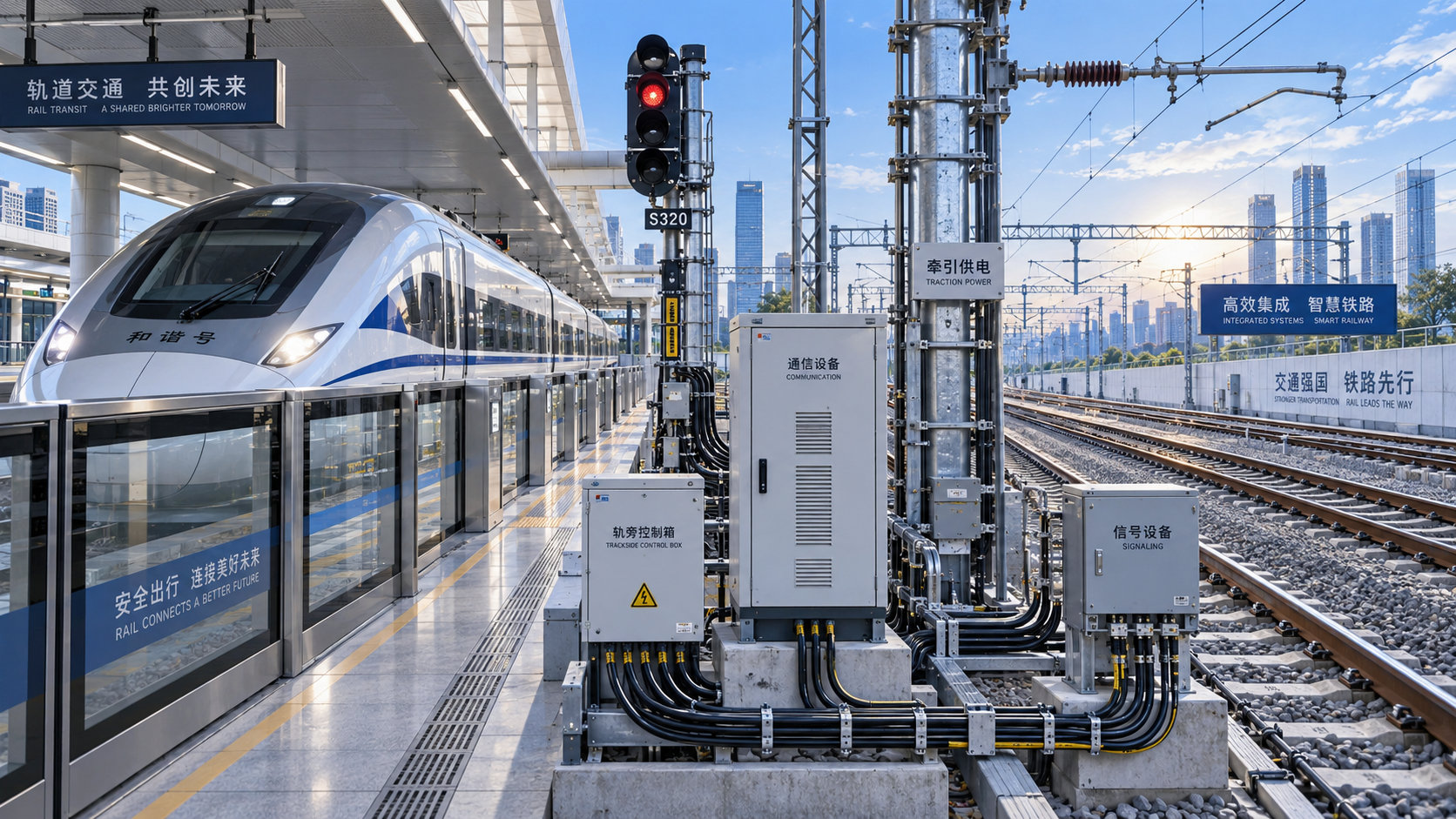
For example, autonomous high-speed rail depends on signaling integrity, braking logic, obstacle detection, and cybersecurity working without timing conflict.
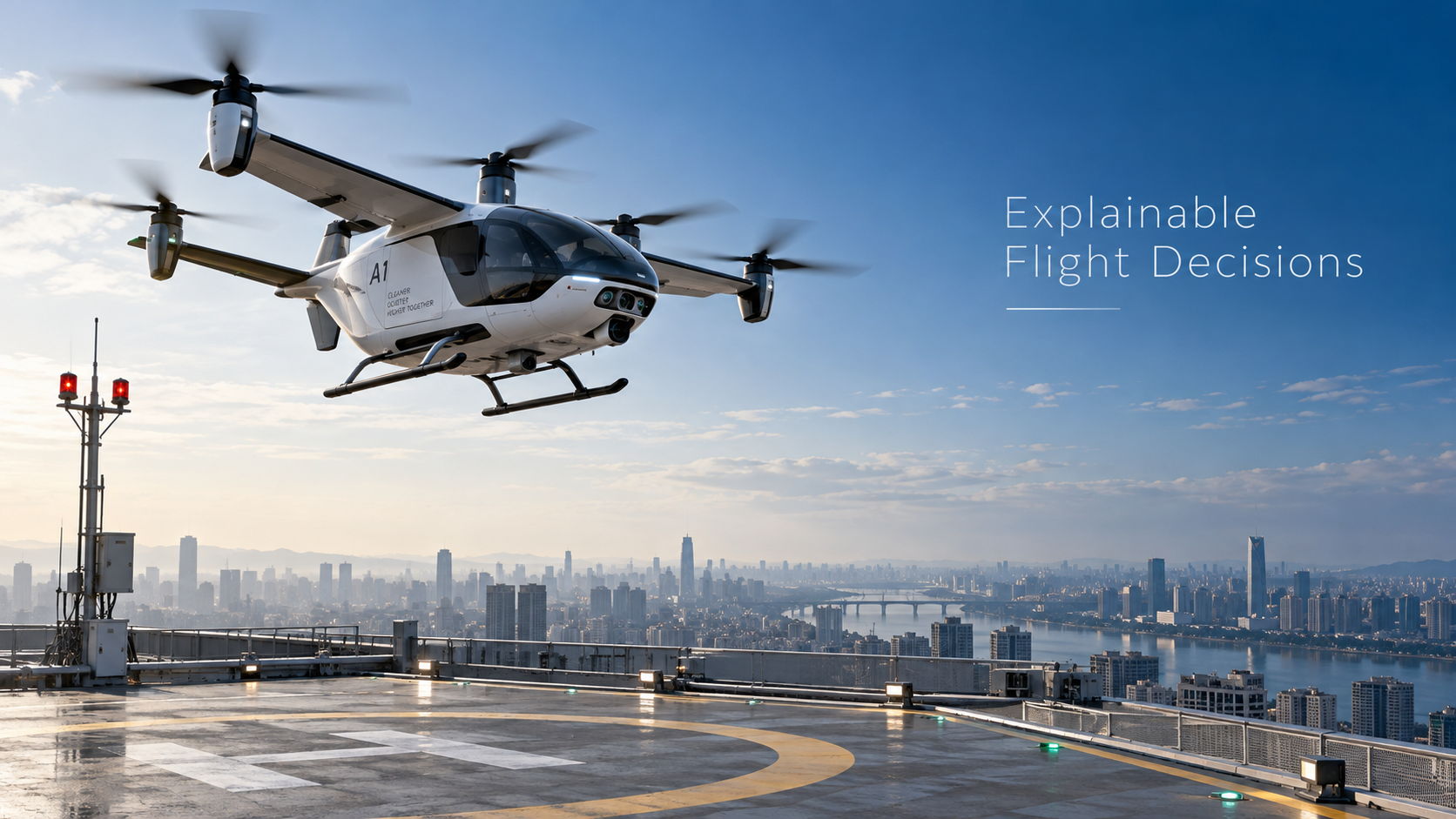
In zero-emission aviation or eVTOL platforms, energy management, flight control software, navigation resilience, and certification evidence must evolve together.
A narrow component view creates hidden risk. A mission-level view exposes where interfaces, assumptions, and failure pathways can accumulate.
Core elements typically integrated
- Autonomy software, edge computing, and fail-operational logic
- Propulsion, energy storage, thermal control, and power distribution
- Sensors, positioning systems, fusion models, and data latency controls
- Vehicle-to-infrastructure links, cloud interfaces, and cyber defense layers
- Human-machine interfaces, override pathways, and maintenance diagnostics
Current industry signals and early warning points
The strongest warning signs appear before field deployment. They usually emerge during architecture reviews, simulation scaling, or certification planning.
Future Mobility autonomous systems often face pressure from aggressive milestones, cross-border regulation, and vendor-driven technology stacks.
These pressures can obscure integration gaps until redesign becomes expensive. Early visibility is therefore a strategic advantage.
High-priority integration risks to watch early
Several risks repeatedly affect Future Mobility autonomous systems, regardless of platform category or mission profile.
1. Software and control architecture misalignment
Autonomous logic may be technically sound while still failing operationally because timing, redundancy, or fallback architecture is inconsistent.
A control system designed for nominal conditions can become unstable when sensor confidence drops or actuator loads change.
2. Sensor fusion under non-ideal conditions
Dust, icing, vibration, electromagnetic interference, tunnel transitions, and dense urban reflections can degrade perception reliability.
If sensor fusion confidence is not tied to degraded-mode behavior, false certainty becomes a hidden safety issue.
3. Propulsion and energy interface instability
Electric propulsion, hybrid systems, cryogenic support, or high-speed traction all depend on precise control coordination.
Thermal limits, transient loads, and power quality can disrupt autonomy decisions if energy behavior is modeled too simply.
4. Certification pathway mismatch
Future Mobility autonomous systems often combine technologies governed by different standards, authorities, and evidence expectations.
When compliance strategy starts late, engineering teams may discover that test data lacks the structure regulators require.
5. Cybersecurity and safety coupling
Connected autonomy cannot separate cyber risk from safety risk. Secure updates, network segmentation, and authentication influence mission continuity.
A system that is safe in isolation may become unsafe when communication integrity is compromised or delayed.
Business value of early risk recognition
Early identification of integration risk improves more than technical quality. It protects capital efficiency and program credibility.
For Future Mobility autonomous systems, every unresolved interface can propagate into procurement changes, test campaign extensions, and delayed approvals.
Early risk tracking supports realistic scheduling, stronger supplier coordination, and better evidence packages for external review.
- Lower redesign cost through interface maturity
- Faster safety case development and audit readiness
- Higher operational resilience in real environments
- Improved comparability across global standards and sites
Representative mobility scenarios and risk profiles
Different applications share common architecture issues, but their dominant risks are not identical.
Practical measures for managing Future Mobility autonomous systems
A practical response starts with governance, not only technology. Integration discipline must be visible in decisions, documentation, and test logic.
Build interface control early
Define functional, electrical, data, timing, and safety interfaces before subsystem optimization locks assumptions in place.
Link safety and certification from day one
Map design decisions to FAA, EASA, UIC, ISO, or related evidence requirements as architecture matures.
Use progressive validation layers
Combine model-based engineering, hardware-in-the-loop, digital twins, and operational trials to expose hidden interactions step by step.
Design for degraded operation
Future Mobility autonomous systems should not only succeed in ideal conditions. They must remain predictable when confidence, power, or connectivity falls.
Protect traceability across suppliers
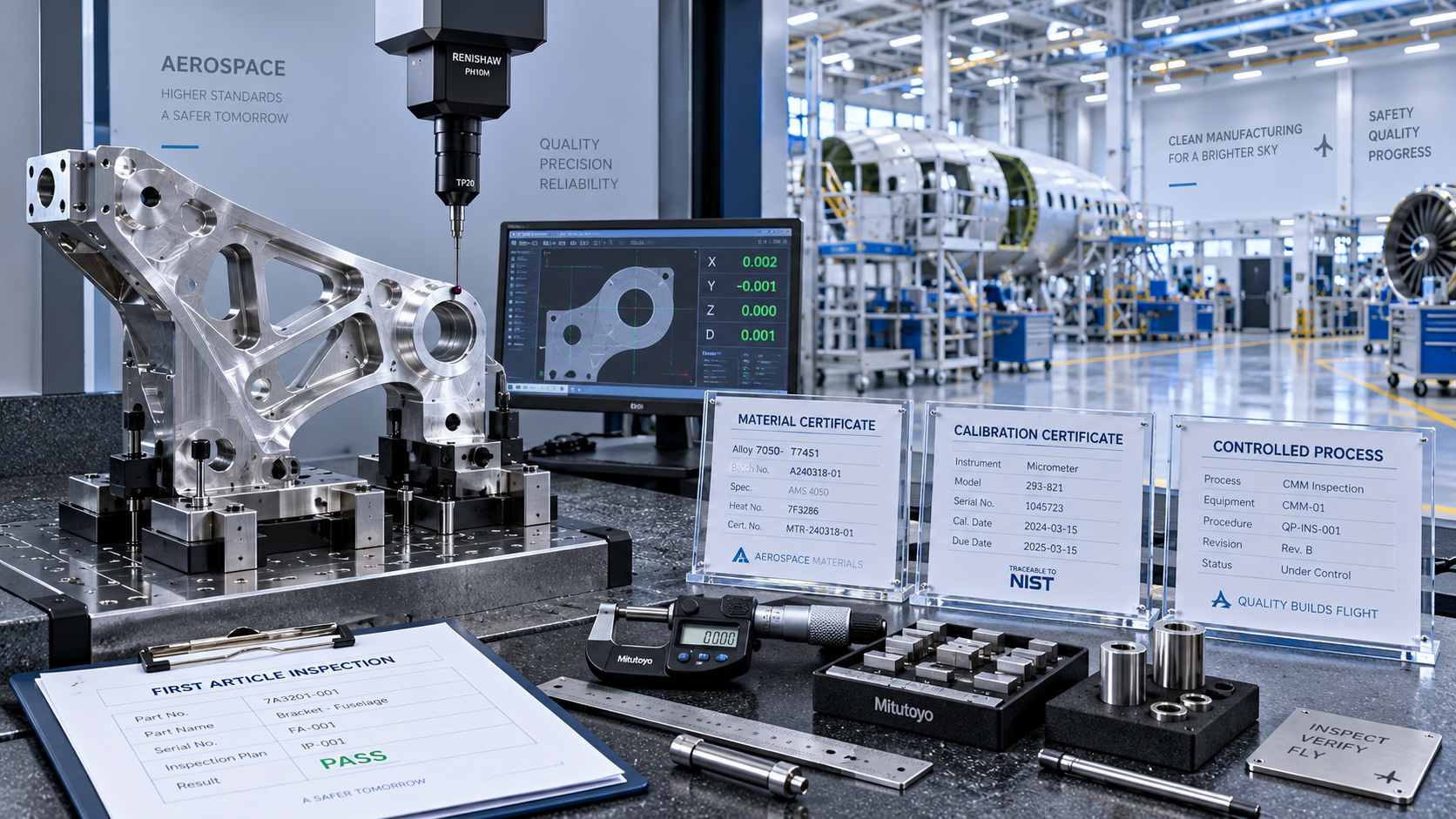
Version control, test evidence mapping, and change impact analysis are essential when multiple vendors shape one autonomous platform.
- Create a risk register dedicated to integration dependencies.
- Rank issues by safety, certification, and schedule impact.
- Review off-nominal scenarios at every architecture milestone.
- Align supplier deliverables with interface verification criteria.
Next-step focus for resilient deployment
Future Mobility autonomous systems will expand across aviation, rail, logistics, and hybrid transport networks.
The organizations that move fastest will not be those with the boldest concept alone. They will be those that resolve integration risk earliest.
A useful next step is to review one active platform against three questions: where interfaces are weak, where certification evidence is thin, and where degraded behavior remains unclear.
That focused assessment can turn Future Mobility autonomous systems from promising prototypes into dependable, certifiable, and scalable operations.
Article Categories
SYSTEM_ALERT_URGENT
Q3 SYMPOSIUM ON ORBITAL DYNAMICS
Registration for the Orbital Aerospace technical committee is now open. Node access required.
Recent Articles
![]() Oct 27, 2026FAA Certifies Boeing 737 MAX 10 After Years of DelaysFAA Certifies Boeing 737 MAX 10 After Years of Delays
Oct 27, 2026FAA Certifies Boeing 737 MAX 10 After Years of DelaysFAA Certifies Boeing 737 MAX 10 After Years of Delays Oct 27, 2026Can an intermodal connectivity platform reduce rail handoff delays?Can an intermodal connectivity platform reduce rail handoff delays?
![]() Oct 26, 2026Chery Unveils Global Smart Mobility Strategy Targeting Robotaxis and eVTOLsChery Unveils Global Smart Mobility Strategy Targeting Robotaxis and eVTOLs
Oct 26, 2026Chery Unveils Global Smart Mobility Strategy Targeting Robotaxis and eVTOLsChery Unveils Global Smart Mobility Strategy Targeting Robotaxis and eVTOLs Oct 26, 2026How to evaluate avionics for helicopters used in IFR operationsHow to evaluate avionics for helicopters used in IFR operations
![]() Oct 25, 2026Ukraine’s Defence Minister Says SpaceX Satellite Services Restored After Speed RestrictionsUkraine’s Defence Minister Says SpaceX Satellite Services Restored After Speed Restrictions
Oct 25, 2026Ukraine’s Defence Minister Says SpaceX Satellite Services Restored After Speed RestrictionsUkraine’s Defence Minister Says SpaceX Satellite Services Restored After Speed Restrictions Oct 25, 2026How satellite infrastructure for IoT affects sensor reporting delaysHow satellite infrastructure for IoT affects sensor reporting delays
![]() Oct 24, 2026China Successfully Launches Yaogan 50-03 SatelliteChina Successfully Launches Yaogan 50-03 Satellite
Oct 24, 2026China Successfully Launches Yaogan 50-03 SatelliteChina Successfully Launches Yaogan 50-03 Satellite Oct 24, 2026How gradients affect traction power needs in high-speed rolling stockHow gradients affect traction power needs in high-speed rolling stock
![]() Oct 23, 2026FAA Proposes Checks on Nearly 2,000 Boeing 737NGs Over Loss-of-Control RiskFAA Proposes Checks on Nearly 2,000 Boeing 737NGs Over Loss-of-Control Risk
Oct 23, 2026FAA Proposes Checks on Nearly 2,000 Boeing 737NGs Over Loss-of-Control RiskFAA Proposes Checks on Nearly 2,000 Boeing 737NGs Over Loss-of-Control Risk Oct 23, 2026How fuel choice affects specific impulse in liquid oxygen propulsionHow fuel choice affects specific impulse in liquid oxygen propulsion
![]() Oct 22, 2026QuantumScape Plans 100 MWh Solid-State Battery Line Targeting Aerospace and Other MarketsQuantumScape Plans 100 MWh Solid-State Battery Line Targeting Aerospace and Other Markets
Oct 22, 2026QuantumScape Plans 100 MWh Solid-State Battery Line Targeting Aerospace and Other MarketsQuantumScape Plans 100 MWh Solid-State Battery Line Targeting Aerospace and Other Markets Oct 22, 2026How tank size limits hydrogen aircraft range on regional flightsHow tank size limits hydrogen aircraft range on regional flights
![]() Oct 21, 2026FAA Certifies Boeing 737-10, Clearing Regulatory Hurdle for DeliveriesFAA Certifies Boeing 737-10, Clearing Regulatory Hurdle for Deliveries
Oct 21, 2026FAA Certifies Boeing 737-10, Clearing Regulatory Hurdle for DeliveriesFAA Certifies Boeing 737-10, Clearing Regulatory Hurdle for Deliveries Oct 21, 2026How are electric vertical takeoff aircraft certified in the US?How are electric vertical takeoff aircraft certified in the US?
![]() Oct 20, 2026Ohio Department of Transportation Releases Three-Year Advanced Air Mobility Action PlanOhio Department of Transportation Releases Three-Year Advanced Air Mobility Action Plan
Oct 20, 2026Ohio Department of Transportation Releases Three-Year Advanced Air Mobility Action PlanOhio Department of Transportation Releases Three-Year Advanced Air Mobility Action Plan Oct 20, 2026How does magnetic flux density in tesla affect maglev lift force?How does magnetic flux density in tesla affect maglev lift force?
![]() Oct 19, 2026ZeroAvia Completes Key Ground Tests of ZA600 Hydrogen Fuel Cell PowertrainZeroAvia Completes Key Ground Tests of ZA600 Hydrogen Fuel Cell Powertrain
Oct 19, 2026ZeroAvia Completes Key Ground Tests of ZA600 Hydrogen Fuel Cell PowertrainZeroAvia Completes Key Ground Tests of ZA600 Hydrogen Fuel Cell Powertrain Oct 19, 2026How spacecraft integration affects advanced propulsion costsHow spacecraft integration affects advanced propulsion costs
 Oct 18, 2026How chilldown prevents cavitation in cryogenic engine systemsHow chilldown prevents cavitation in cryogenic engine systems
 Oct 17, 2026How explainability affects algorithmic trust in AI flight systemsHow explainability affects algorithmic trust in AI flight systems
 Oct 16, 2026How to evaluate transportation technology for Middle East heatHow to evaluate transportation technology for Middle East heat
 Oct 15, 2026How common-cause failures defeat redundancy logic in European avionicsHow common-cause failures defeat redundancy logic in European avionics
 Oct 14, 2026How DO-160 applies to aerospace technology testing for avionicsHow DO-160 applies to aerospace technology testing for avionics
 Oct 13, 2026How fuel price volatility shapes commercial aviation cost trendsHow fuel price volatility shapes commercial aviation cost trends
 Oct 12, 2026How to qualify aerospace manufacturing components for traceabilityHow to qualify aerospace manufacturing components for traceability
 Oct 11, 2026Which certification hurdles are slowing hydrogen aviation in Europe?Which certification hurdles are slowing hydrogen aviation in Europe?
 Oct 10, 2026What evidence should a magnetic gap stability supplier provide?What evidence should a magnetic gap stability supplier provide?
 Oct 09, 2026Which ISO standards matter when qualifying industrial technology suppliers?Which ISO standards matter when qualifying industrial technology suppliers?
 Oct 08, 2026When does reusability actually lower launch vehicle costs?When does reusability actually lower launch vehicle costs?
 Oct 07, 2026Where to find reliable product knowledge resources in the Middle EastWhere to find reliable product knowledge resources in the Middle East
 Oct 06, 2026What drives high-speed rail systems cost per kilometer?What drives high-speed rail systems cost per kilometer?
 Oct 05, 2026When does hydrogen propulsion for UAV extend mission range enough to justify it?When does hydrogen propulsion for UAV extend mission range enough to justify it?
 Oct 04, 2026How rail systems integration reduces commissioning delaysHow rail systems integration reduces commissioning delays
 Oct 03, 2026How to evaluate an advanced propulsion manufacturer for hydrogen systemsHow to evaluate an advanced propulsion manufacturer for hydrogen systems
 Oct 02, 2026How to qualify aircraft components for OEM production approvalHow to qualify aircraft components for OEM production approval