Zero-Emission Aviation Technology Suppliers: How to Compare Readiness
Lead Author
Published
Views:
Selecting among Zero-Emission Aviation technology suppliers requires more than bold sustainability claims. Real readiness depends on engineering maturity, certification logic, manufacturability, and long-term support capacity. For complex mobility programs, the best comparison method is structured, evidence-based, and tied to operational goals.
What does readiness mean for Zero-Emission Aviation technology suppliers?
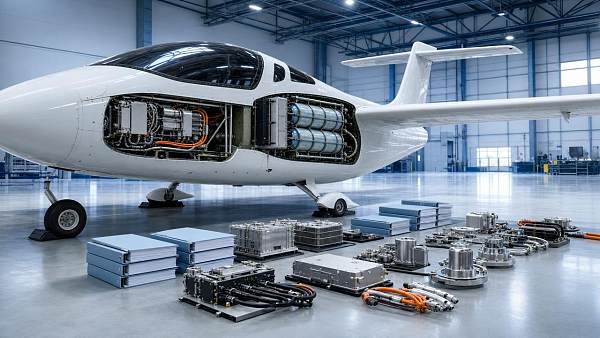
Readiness is the ability to move from prototype promise to safe, certifiable, repeatable deployment. In aviation, this threshold is much higher than in many transport sectors.
When reviewing Zero-Emission Aviation technology suppliers, readiness should include technical, regulatory, industrial, and integration dimensions. A supplier may excel in one area and still remain program-risk heavy.
The most useful baseline includes five readiness lenses:
- Technology maturity, including test hours, failure data, and design stability
- Certification pathway clarity under FAA, EASA, or equivalent frameworks
- Supply-chain resilience for critical materials, power systems, and specialty components
- Integration readiness with airframes, energy infrastructure, and digital control systems
- Lifecycle support, including maintenance, upgrades, training, and data transparency
This matters across advanced commercial aviation, UAM, hydrogen propulsion, electric regional aircraft, and mixed-mode transport ecosystems. In each case, supplier readiness affects timelines, certification confidence, and capital efficiency.
How can technical maturity be compared without relying on marketing claims?
A credible review starts with evidence, not vision decks. Ask for verifiable engineering outputs tied to actual operating conditions.
For Zero-Emission Aviation technology suppliers, technical maturity should be measured through demonstrated performance under mission-relevant loads, temperatures, altitudes, and redundancy scenarios.
Key technical proof points
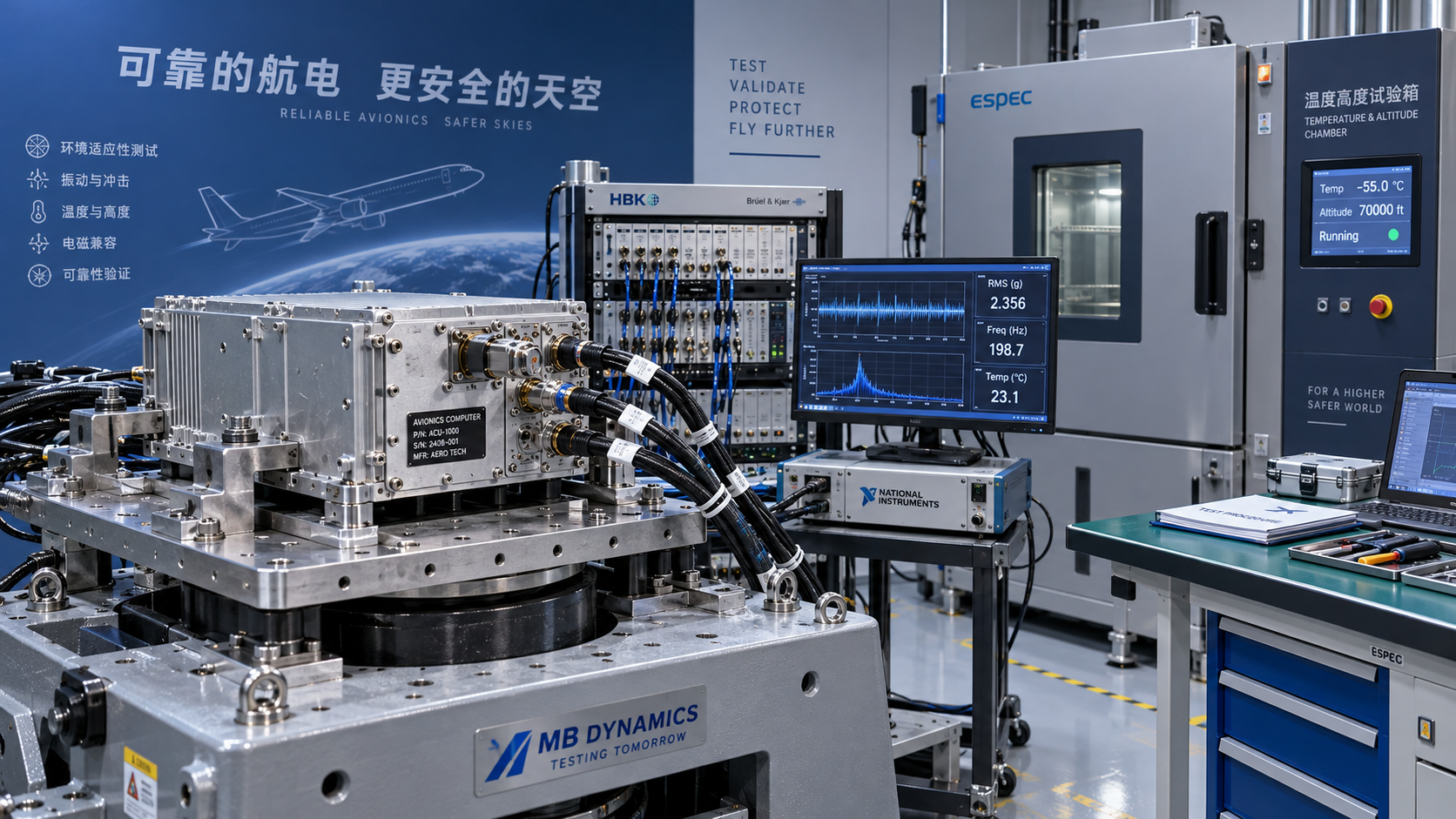
- Test environment realism, including ground, flight, thermal, vibration, and endurance tests
- Energy density or propulsion efficiency under usable, not idealized, conditions
- System-level reliability, not just component-level peak output
- Failure mode documentation and mitigation architecture
- Version control discipline and engineering change traceability
For example, a hydrogen storage supplier may present exceptional lab figures. Yet readiness remains limited if vibration survivability, refueling cycle wear, or leak detection integration stay unproven.
The same applies to battery systems, fuel cells, thermal management modules, electric motors, and power electronics. Aviation-grade maturity requires operational consistency, not isolated milestones.
Useful comparison questions
- Which subsystem has completed the highest level of integrated testing?
- What assumptions are required to reach published performance claims?
- How much of the architecture has remained stable through recent design cycles?
- What operational data already exists from pilots, demonstrators, or partner programs?
Which certification signals show that a supplier is truly prepared?
Certification is often where early enthusiasm slows. In aerospace, readiness is inseparable from approval strategy and documentation discipline.
The strongest Zero-Emission Aviation technology suppliers can explain their certification assumptions clearly. They know what is novel, what is derivative, and where regulatory uncertainty remains.
Look for evidence in these areas:
- Early engagement with FAA, EASA, or national aviation authorities
- Defined compliance methods for safety-critical systems
- Traceable requirements management and test evidence structure
- Awareness of material qualification, software assurance, and human factors obligations
- A realistic schedule for conformity inspection and production approval
A warning sign appears when a supplier treats certification as a future paperwork exercise. In practice, compliance expectations shape architecture, interfaces, documentation, and supplier quality from the beginning.
For integrated future mobility systems, cross-domain alignment also matters. Aviation propulsion may interact with airport energy systems, digital maintenance tools, and ground safety procedures.
How should supply-chain resilience and production scalability be judged?
A technically strong prototype can still fail commercially if the supply chain is brittle. This is especially relevant in zero-emission aviation, where critical inputs can be scarce or geopolitically sensitive.
When assessing Zero-Emission Aviation technology suppliers, compare whether they can build consistently at the needed volume, quality, and timeline.
Areas that deserve close review
- Dependency on rare materials, custom chips, cryogenic hardware, or single-source parts
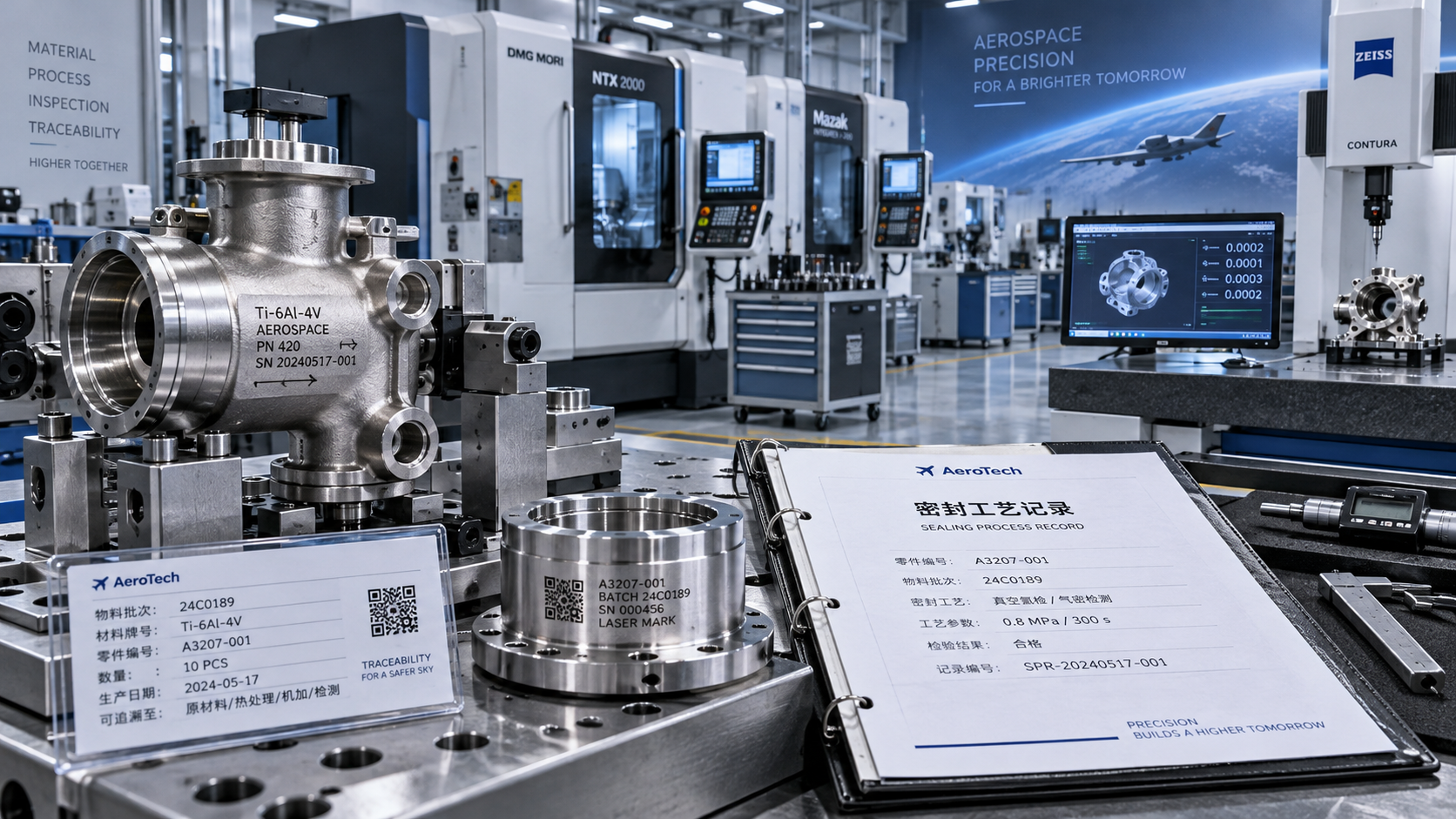
- Manufacturing process repeatability and quality escape controls
- Second-source strategy for critical assemblies
- Lead-time visibility for tooling, certification hardware, and spare parts
- Aftermarket support and field-service infrastructure
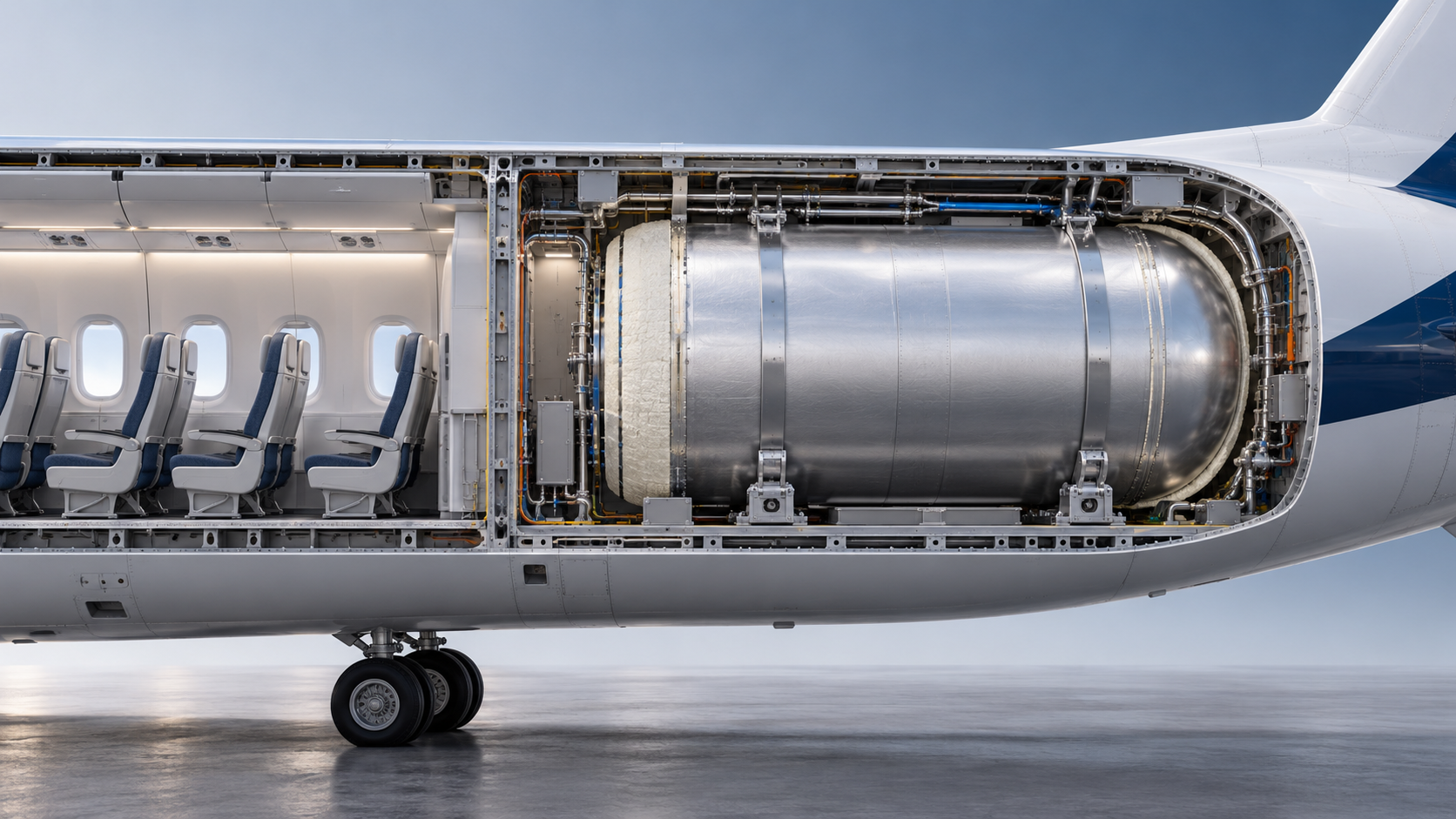
In hydrogen aviation, for instance, readiness depends on more than onboard systems. Storage vessels, valves, sensors, fueling connectors, insulation materials, and ground handling compatibility must scale together.
The same supply logic applies to electric propulsion ecosystems. Battery cells, cooling loops, charging interfaces, software updates, and maintenance procedures form one operational chain.
What integration risks are most often underestimated?
Many evaluations focus too heavily on the core propulsion unit. Yet integration risk often determines whether deployment succeeds on time.
The best Zero-Emission Aviation technology suppliers understand interfaces across aircraft structures, thermal loads, control logic, maintenance workflows, and airport infrastructure.
Commonly underestimated issues include:
- Weight and balance impacts across mission profiles
- Thermal rejection requirements during climb, turnaround, and hot-weather operations
- EMI, software compatibility, and sensor fusion conflicts
- Maintenance access constraints and turnaround time penalties
- Ground infrastructure mismatch, including charging or hydrogen handling capability
Integration reviews should examine the full mission environment. A supplier that performs well in bench tests may create operational bottlenecks once connected to the wider mobility ecosystem.
How can buyers compare suppliers side by side in a practical way?
A weighted scorecard helps convert complex claims into a usable decision framework. It also prevents overvaluing a single impressive feature.
This table works well for comparing Zero-Emission Aviation technology suppliers across electric propulsion, hydrogen systems, thermal management platforms, and supporting avionics.
Three practical decision tips
- Score suppliers on demonstrated evidence, not roadmap ambition.
- Separate subsystem excellence from whole-aircraft integration readiness.
- Model schedule risk and infrastructure dependency before final ranking.
In summary, comparing Zero-Emission Aviation technology suppliers requires a disciplined view of maturity, compliance, scalability, and interoperability. The strongest candidates prove readiness through test data, certification logic, robust supply planning, and clear integration pathways.
For high-consequence mobility programs, the next step is to build a supplier assessment matrix tied to mission profile, regulatory target, and deployment timeline. That approach turns sustainability intent into executable aviation strategy.
Article Categories
SYSTEM_ALERT_URGENT
Q3 SYMPOSIUM ON ORBITAL DYNAMICS
Registration for the Orbital Aerospace technical committee is now open. Node access required.
Recent Articles
![]() Oct 27, 2026FAA Certifies Boeing 737 MAX 10 After Years of DelaysFAA Certifies Boeing 737 MAX 10 After Years of Delays
Oct 27, 2026FAA Certifies Boeing 737 MAX 10 After Years of DelaysFAA Certifies Boeing 737 MAX 10 After Years of Delays Oct 27, 2026Can an intermodal connectivity platform reduce rail handoff delays?Can an intermodal connectivity platform reduce rail handoff delays?
![]() Oct 26, 2026Chery Unveils Global Smart Mobility Strategy Targeting Robotaxis and eVTOLsChery Unveils Global Smart Mobility Strategy Targeting Robotaxis and eVTOLs
Oct 26, 2026Chery Unveils Global Smart Mobility Strategy Targeting Robotaxis and eVTOLsChery Unveils Global Smart Mobility Strategy Targeting Robotaxis and eVTOLs Oct 26, 2026How to evaluate avionics for helicopters used in IFR operationsHow to evaluate avionics for helicopters used in IFR operations
![]() Oct 25, 2026Ukraine’s Defence Minister Says SpaceX Satellite Services Restored After Speed RestrictionsUkraine’s Defence Minister Says SpaceX Satellite Services Restored After Speed Restrictions
Oct 25, 2026Ukraine’s Defence Minister Says SpaceX Satellite Services Restored After Speed RestrictionsUkraine’s Defence Minister Says SpaceX Satellite Services Restored After Speed Restrictions Oct 25, 2026How satellite infrastructure for IoT affects sensor reporting delaysHow satellite infrastructure for IoT affects sensor reporting delays
![]() Oct 24, 2026China Successfully Launches Yaogan 50-03 SatelliteChina Successfully Launches Yaogan 50-03 Satellite
Oct 24, 2026China Successfully Launches Yaogan 50-03 SatelliteChina Successfully Launches Yaogan 50-03 Satellite Oct 24, 2026How gradients affect traction power needs in high-speed rolling stockHow gradients affect traction power needs in high-speed rolling stock
![]() Oct 23, 2026FAA Proposes Checks on Nearly 2,000 Boeing 737NGs Over Loss-of-Control RiskFAA Proposes Checks on Nearly 2,000 Boeing 737NGs Over Loss-of-Control Risk
Oct 23, 2026FAA Proposes Checks on Nearly 2,000 Boeing 737NGs Over Loss-of-Control RiskFAA Proposes Checks on Nearly 2,000 Boeing 737NGs Over Loss-of-Control Risk Oct 23, 2026How fuel choice affects specific impulse in liquid oxygen propulsionHow fuel choice affects specific impulse in liquid oxygen propulsion
![]() Oct 22, 2026QuantumScape Plans 100 MWh Solid-State Battery Line Targeting Aerospace and Other MarketsQuantumScape Plans 100 MWh Solid-State Battery Line Targeting Aerospace and Other Markets
Oct 22, 2026QuantumScape Plans 100 MWh Solid-State Battery Line Targeting Aerospace and Other MarketsQuantumScape Plans 100 MWh Solid-State Battery Line Targeting Aerospace and Other Markets Oct 22, 2026How tank size limits hydrogen aircraft range on regional flightsHow tank size limits hydrogen aircraft range on regional flights
![]() Oct 21, 2026FAA Certifies Boeing 737-10, Clearing Regulatory Hurdle for DeliveriesFAA Certifies Boeing 737-10, Clearing Regulatory Hurdle for Deliveries
Oct 21, 2026FAA Certifies Boeing 737-10, Clearing Regulatory Hurdle for DeliveriesFAA Certifies Boeing 737-10, Clearing Regulatory Hurdle for Deliveries Oct 21, 2026How are electric vertical takeoff aircraft certified in the US?How are electric vertical takeoff aircraft certified in the US?
![]() Oct 20, 2026Ohio Department of Transportation Releases Three-Year Advanced Air Mobility Action PlanOhio Department of Transportation Releases Three-Year Advanced Air Mobility Action Plan
Oct 20, 2026Ohio Department of Transportation Releases Three-Year Advanced Air Mobility Action PlanOhio Department of Transportation Releases Three-Year Advanced Air Mobility Action Plan Oct 20, 2026How does magnetic flux density in tesla affect maglev lift force?How does magnetic flux density in tesla affect maglev lift force?
![]() Oct 19, 2026ZeroAvia Completes Key Ground Tests of ZA600 Hydrogen Fuel Cell PowertrainZeroAvia Completes Key Ground Tests of ZA600 Hydrogen Fuel Cell Powertrain
Oct 19, 2026ZeroAvia Completes Key Ground Tests of ZA600 Hydrogen Fuel Cell PowertrainZeroAvia Completes Key Ground Tests of ZA600 Hydrogen Fuel Cell Powertrain Oct 19, 2026How spacecraft integration affects advanced propulsion costsHow spacecraft integration affects advanced propulsion costs
 Oct 18, 2026How chilldown prevents cavitation in cryogenic engine systemsHow chilldown prevents cavitation in cryogenic engine systems
 Oct 17, 2026How explainability affects algorithmic trust in AI flight systemsHow explainability affects algorithmic trust in AI flight systems
 Oct 16, 2026How to evaluate transportation technology for Middle East heatHow to evaluate transportation technology for Middle East heat
 Oct 15, 2026How common-cause failures defeat redundancy logic in European avionicsHow common-cause failures defeat redundancy logic in European avionics
 Oct 14, 2026How DO-160 applies to aerospace technology testing for avionicsHow DO-160 applies to aerospace technology testing for avionics
 Oct 13, 2026How fuel price volatility shapes commercial aviation cost trendsHow fuel price volatility shapes commercial aviation cost trends
 Oct 12, 2026How to qualify aerospace manufacturing components for traceabilityHow to qualify aerospace manufacturing components for traceability
 Oct 11, 2026Which certification hurdles are slowing hydrogen aviation in Europe?Which certification hurdles are slowing hydrogen aviation in Europe?
 Oct 10, 2026What evidence should a magnetic gap stability supplier provide?What evidence should a magnetic gap stability supplier provide?
 Oct 09, 2026Which ISO standards matter when qualifying industrial technology suppliers?Which ISO standards matter when qualifying industrial technology suppliers?
 Oct 08, 2026When does reusability actually lower launch vehicle costs?When does reusability actually lower launch vehicle costs?
 Oct 07, 2026Where to find reliable product knowledge resources in the Middle EastWhere to find reliable product knowledge resources in the Middle East
 Oct 06, 2026What drives high-speed rail systems cost per kilometer?What drives high-speed rail systems cost per kilometer?
 Oct 05, 2026When does hydrogen propulsion for UAV extend mission range enough to justify it?When does hydrogen propulsion for UAV extend mission range enough to justify it?
 Oct 04, 2026How rail systems integration reduces commissioning delaysHow rail systems integration reduces commissioning delays
 Oct 03, 2026How to evaluate an advanced propulsion manufacturer for hydrogen systemsHow to evaluate an advanced propulsion manufacturer for hydrogen systems
 Oct 02, 2026How to qualify aircraft components for OEM production approvalHow to qualify aircraft components for OEM production approval