Zero-Emission Aviation Propulsion: Cost vs Performance
Lead Author
Published
Views:
For financial decision-makers, zero-emission aviation is no longer a distant ambition but a capital-intensive strategic choice.
As Advanced Propulsion technology for zero-emission aviation moves toward certification, the real challenge is balancing cost, performance, safety, and long-term return.
This article answers the most important questions shaping investment logic, platform design, and program timing across the broader mobility industry.
What does Advanced Propulsion technology for zero-emission aviation actually include?
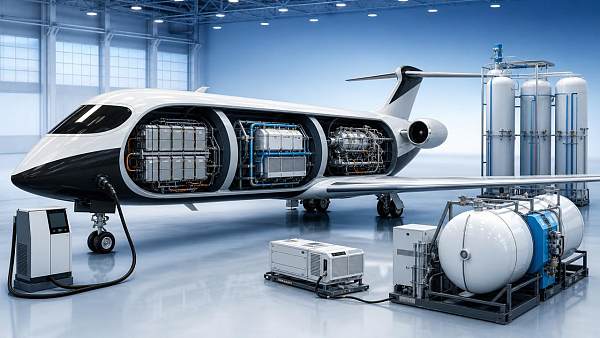
Advanced Propulsion technology for zero-emission aviation covers power systems that eliminate direct carbon emissions during flight.
The main categories are battery-electric propulsion, hydrogen fuel cell propulsion, and hydrogen combustion propulsion.
Each option has different implications for aircraft architecture, infrastructure, certification, maintenance, and lifecycle economics.
Battery-electric systems offer high drivetrain efficiency and simpler mechanical layouts.
However, energy density limits range, payload, and operational flexibility for larger platforms.
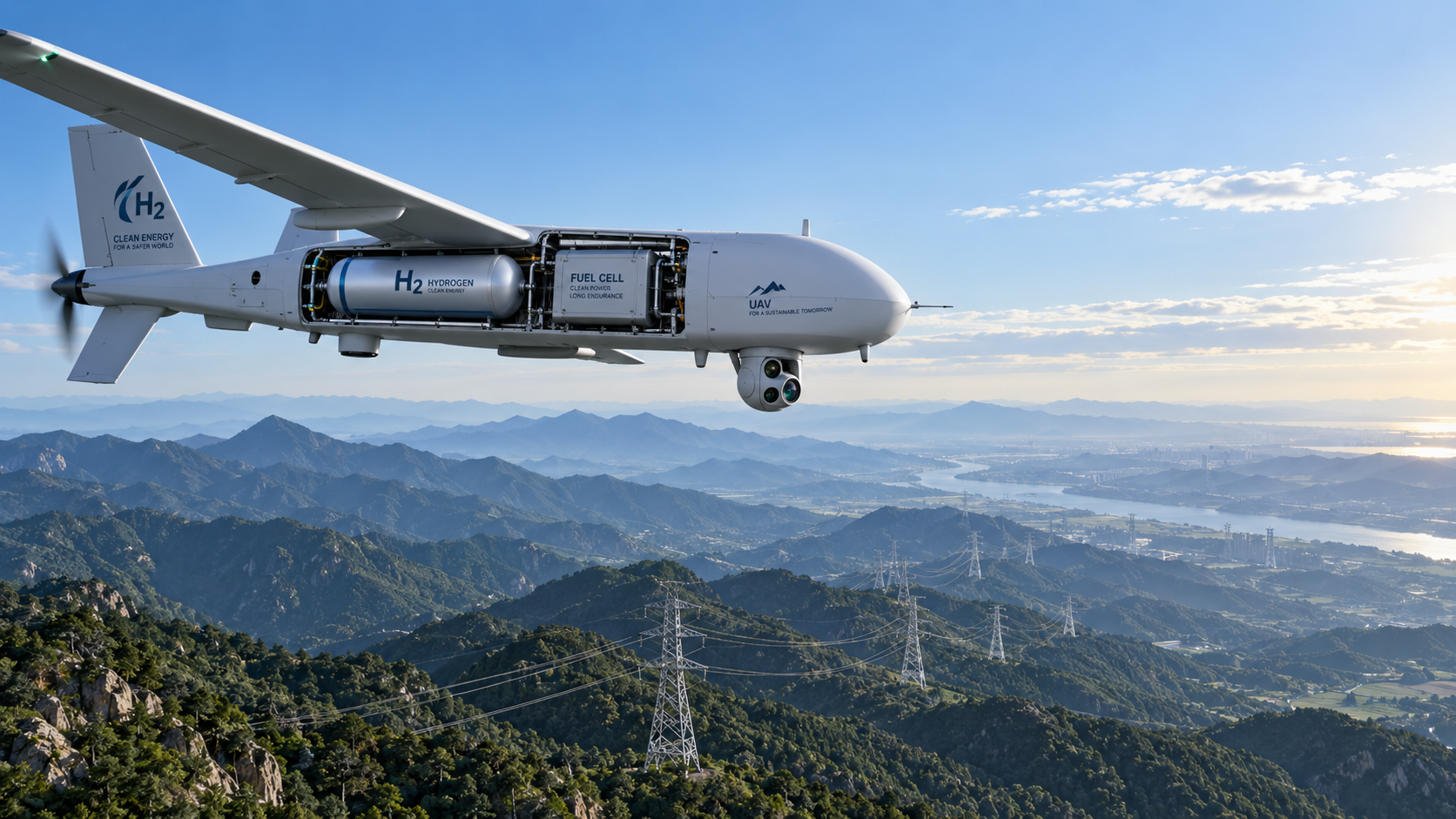
Hydrogen fuel cells convert hydrogen into electricity for electric motors.
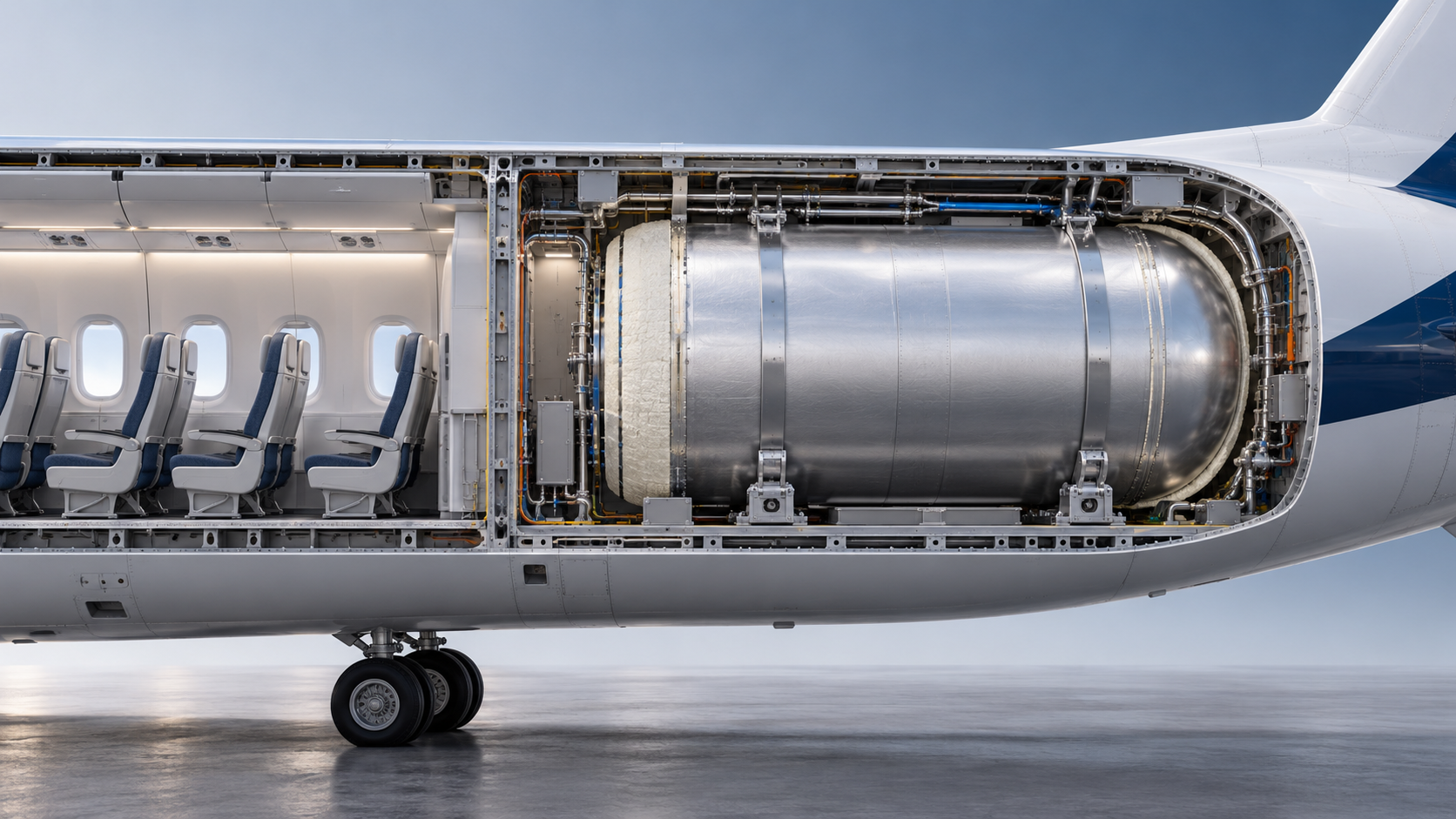
They can support longer missions than batteries, but require cryogenic or compressed storage and more complex thermal management.
Hydrogen combustion adapts turbine-based concepts using hydrogen as fuel.
This can preserve familiar propulsion architectures, yet storage integration and NOx control remain major engineering issues.
For the wider transportation sector, these technologies also influence airports, energy supply chains, and multimodal logistics networks.
Why is cost versus performance the central decision point?
In aerospace, technical success alone does not create a viable program.
Advanced Propulsion technology for zero-emission aviation must deliver mission capability at a cost structure acceptable to long-cycle investors.
Performance includes range, payload, turnaround time, dispatch reliability, and energy efficiency.
Cost includes development expense, certification burden, supply chain maturity, infrastructure buildout, and maintenance complexity.
A high-efficiency system may still fail commercially if refueling infrastructure is unavailable or fleet utilization drops.
Likewise, a lower-cost architecture may struggle if aircraft weight reduces revenue-generating payload.
The right answer depends on route profile, certification pathway, and time horizon for market adoption.
Key cost drivers
- Energy storage system cost per usable kilowatt-hour
- Hydrogen storage, liquefaction, and ground handling systems
- Thermal management and redundancy design
- Airframe redesign for tanks, wiring, and safety separation
- Certification testing under FAA and EASA expectations
Key performance drivers
- Specific energy and system mass fraction
- Power density during takeoff and climb
- Turnaround time between missions
- Cold-weather and high-cycle operational stability
- Scalability from regional to larger aircraft classes
Which propulsion pathway looks most practical for near-term deployment?
The most practical answer is not universal.
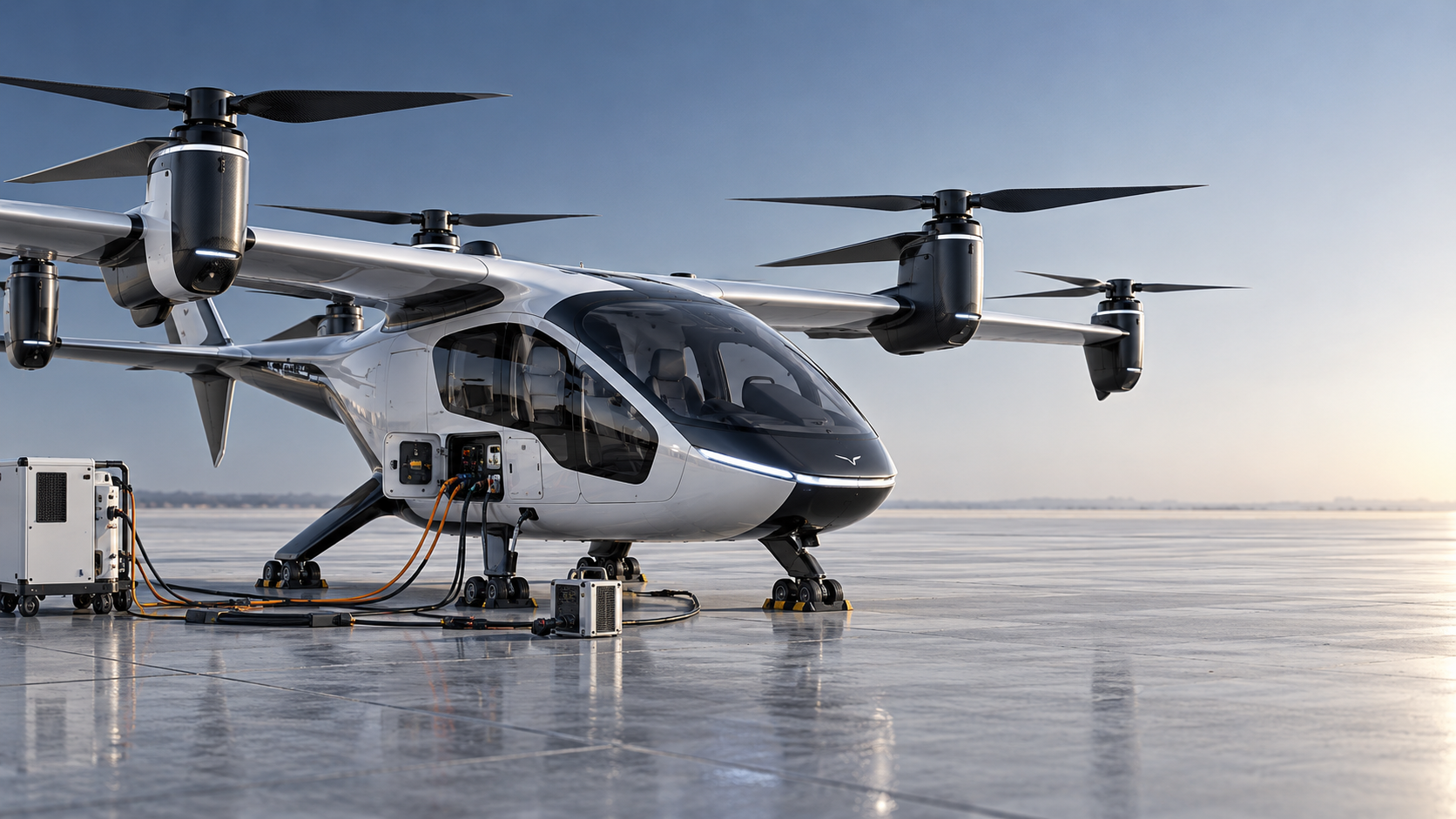
Battery-electric systems appear strongest for short-range aircraft, pilot training, and some urban air mobility applications.
Their advantage comes from mechanical simplicity, lower direct maintenance expectations, and cleaner integration with electric drivetrains.
Hydrogen fuel cells are promising for regional aviation where range requirements exceed battery capability.
They may offer a better compromise between zero-emission goals and usable mission economics.
Hydrogen combustion may become attractive for larger aircraft segments because it aligns better with turbine-era scaling logic.
Still, practical adoption depends on infrastructure, storage safety, and emissions compliance beyond carbon alone.
In many cases, hybrid transition strategies will dominate before full zero-emission maturity arrives.
How should cost be evaluated beyond acquisition and development budgets?
A narrow capital view can distort decision quality.
Advanced Propulsion technology for zero-emission aviation should be assessed through total lifecycle value.
That includes energy sourcing, infrastructure depreciation, maintenance intervals, reliability, insurance implications, and residual asset value.
Battery systems may look attractive initially, yet replacement cycles can materially affect long-term economics.
Hydrogen systems may carry higher upfront cost, but could improve mission productivity if range and payload remain competitive.
Certification delays also create hidden cost through postponed revenue and duplicated engineering effort.
A robust investment model should test several scenarios.
- Base case with expected energy price and utilization
- Stress case with delayed certification and lower dispatch rates
- Infrastructure case with phased airport or hub deployment
- Technology refresh case for batteries, stacks, or tanks
What risks and misconceptions often distort zero-emission aviation decisions?
One common mistake is assuming zero-emission propulsion is only a propulsion problem.
In reality, Advanced Propulsion technology for zero-emission aviation reshapes the full vehicle and operating ecosystem.
Storage geometry affects fuselage layout, center of gravity, emergency procedures, and maintenance access.
Another misconception is treating laboratory efficiency as equivalent to operational performance.
Real-world aviation requires thermal stability, redundancy, fault tolerance, and compliance with strict safety standards.
There is also a tendency to underestimate supply chain immaturity.
Critical components, cryogenic systems, and high-voltage architectures may face scaling bottlenecks.
Finally, some analyses ignore cross-industry competition for clean hydrogen, advanced materials, and power electronics.
Risk checklist
- Overstated range assumptions under reserve requirements
- Underestimated certification testing duration
- Insufficient airport energy or hydrogen readiness
- Unclear end-of-life strategy for batteries or tanks
- Weak integration between airframe and propulsion teams
How can organizations compare options with a more disciplined framework?
A disciplined framework should compare technical readiness, economic resilience, regulatory exposure, and infrastructure dependency.
This is especially important when Advanced Propulsion technology for zero-emission aviation is evaluated alongside other advanced transportation investments.
The same capital may also compete with high-speed rail electrification, UAM networks, or space-adjacent logistics systems.
A useful comparison model should rank options against measurable criteria, not market excitement.
The strongest programs usually phase investment by milestone.
They validate mission economics first, then scale infrastructure after regulatory and technical thresholds are cleared.
What is the most practical next step for evaluating zero-emission aviation strategy?
Start with route-level and aircraft-class analysis rather than broad technology preference.
Advanced Propulsion technology for zero-emission aviation creates value only when matched to realistic mission profiles and infrastructure timing.
Map target range, payload, turnaround, reserve margins, airport energy readiness, and regulatory exposure.
Then compare battery-electric, hydrogen fuel cell, and hydrogen combustion pathways using identical financial assumptions.
This method reduces optimism bias and highlights where certification or infrastructure risk may outweigh performance benefits.
In the broader mobility landscape, the best strategy is rarely the most futuristic one.
It is the option that reaches safe deployment, acceptable economics, and scalable operations with the least strategic friction.
Use a phased benchmark, stress-test assumptions, and align propulsion choices with certification reality before committing major capital.
Article Categories
SYSTEM_ALERT_URGENT
Q3 SYMPOSIUM ON ORBITAL DYNAMICS
Registration for the Orbital Aerospace technical committee is now open. Node access required.
Recent Articles
![]() Oct 27, 2026FAA Certifies Boeing 737 MAX 10 After Years of DelaysFAA Certifies Boeing 737 MAX 10 After Years of Delays
Oct 27, 2026FAA Certifies Boeing 737 MAX 10 After Years of DelaysFAA Certifies Boeing 737 MAX 10 After Years of Delays Oct 27, 2026Can an intermodal connectivity platform reduce rail handoff delays?Can an intermodal connectivity platform reduce rail handoff delays?
![]() Oct 26, 2026Chery Unveils Global Smart Mobility Strategy Targeting Robotaxis and eVTOLsChery Unveils Global Smart Mobility Strategy Targeting Robotaxis and eVTOLs
Oct 26, 2026Chery Unveils Global Smart Mobility Strategy Targeting Robotaxis and eVTOLsChery Unveils Global Smart Mobility Strategy Targeting Robotaxis and eVTOLs Oct 26, 2026How to evaluate avionics for helicopters used in IFR operationsHow to evaluate avionics for helicopters used in IFR operations
![]() Oct 25, 2026Ukraine’s Defence Minister Says SpaceX Satellite Services Restored After Speed RestrictionsUkraine’s Defence Minister Says SpaceX Satellite Services Restored After Speed Restrictions
Oct 25, 2026Ukraine’s Defence Minister Says SpaceX Satellite Services Restored After Speed RestrictionsUkraine’s Defence Minister Says SpaceX Satellite Services Restored After Speed Restrictions Oct 25, 2026How satellite infrastructure for IoT affects sensor reporting delaysHow satellite infrastructure for IoT affects sensor reporting delays
![]() Oct 24, 2026China Successfully Launches Yaogan 50-03 SatelliteChina Successfully Launches Yaogan 50-03 Satellite
Oct 24, 2026China Successfully Launches Yaogan 50-03 SatelliteChina Successfully Launches Yaogan 50-03 Satellite Oct 24, 2026How gradients affect traction power needs in high-speed rolling stockHow gradients affect traction power needs in high-speed rolling stock
![]() Oct 23, 2026FAA Proposes Checks on Nearly 2,000 Boeing 737NGs Over Loss-of-Control RiskFAA Proposes Checks on Nearly 2,000 Boeing 737NGs Over Loss-of-Control Risk
Oct 23, 2026FAA Proposes Checks on Nearly 2,000 Boeing 737NGs Over Loss-of-Control RiskFAA Proposes Checks on Nearly 2,000 Boeing 737NGs Over Loss-of-Control Risk Oct 23, 2026How fuel choice affects specific impulse in liquid oxygen propulsionHow fuel choice affects specific impulse in liquid oxygen propulsion
![]() Oct 22, 2026QuantumScape Plans 100 MWh Solid-State Battery Line Targeting Aerospace and Other MarketsQuantumScape Plans 100 MWh Solid-State Battery Line Targeting Aerospace and Other Markets
Oct 22, 2026QuantumScape Plans 100 MWh Solid-State Battery Line Targeting Aerospace and Other MarketsQuantumScape Plans 100 MWh Solid-State Battery Line Targeting Aerospace and Other Markets Oct 22, 2026How tank size limits hydrogen aircraft range on regional flightsHow tank size limits hydrogen aircraft range on regional flights
![]() Oct 21, 2026FAA Certifies Boeing 737-10, Clearing Regulatory Hurdle for DeliveriesFAA Certifies Boeing 737-10, Clearing Regulatory Hurdle for Deliveries
Oct 21, 2026FAA Certifies Boeing 737-10, Clearing Regulatory Hurdle for DeliveriesFAA Certifies Boeing 737-10, Clearing Regulatory Hurdle for Deliveries Oct 21, 2026How are electric vertical takeoff aircraft certified in the US?How are electric vertical takeoff aircraft certified in the US?
![]() Oct 20, 2026Ohio Department of Transportation Releases Three-Year Advanced Air Mobility Action PlanOhio Department of Transportation Releases Three-Year Advanced Air Mobility Action Plan
Oct 20, 2026Ohio Department of Transportation Releases Three-Year Advanced Air Mobility Action PlanOhio Department of Transportation Releases Three-Year Advanced Air Mobility Action Plan Oct 20, 2026How does magnetic flux density in tesla affect maglev lift force?How does magnetic flux density in tesla affect maglev lift force?
![]() Oct 19, 2026ZeroAvia Completes Key Ground Tests of ZA600 Hydrogen Fuel Cell PowertrainZeroAvia Completes Key Ground Tests of ZA600 Hydrogen Fuel Cell Powertrain
Oct 19, 2026ZeroAvia Completes Key Ground Tests of ZA600 Hydrogen Fuel Cell PowertrainZeroAvia Completes Key Ground Tests of ZA600 Hydrogen Fuel Cell Powertrain Oct 19, 2026How spacecraft integration affects advanced propulsion costsHow spacecraft integration affects advanced propulsion costs
 Oct 18, 2026How chilldown prevents cavitation in cryogenic engine systemsHow chilldown prevents cavitation in cryogenic engine systems
 Oct 17, 2026How explainability affects algorithmic trust in AI flight systemsHow explainability affects algorithmic trust in AI flight systems
 Oct 16, 2026How to evaluate transportation technology for Middle East heatHow to evaluate transportation technology for Middle East heat
 Oct 15, 2026How common-cause failures defeat redundancy logic in European avionicsHow common-cause failures defeat redundancy logic in European avionics
 Oct 14, 2026How DO-160 applies to aerospace technology testing for avionicsHow DO-160 applies to aerospace technology testing for avionics
 Oct 13, 2026How fuel price volatility shapes commercial aviation cost trendsHow fuel price volatility shapes commercial aviation cost trends
 Oct 12, 2026How to qualify aerospace manufacturing components for traceabilityHow to qualify aerospace manufacturing components for traceability
 Oct 11, 2026Which certification hurdles are slowing hydrogen aviation in Europe?Which certification hurdles are slowing hydrogen aviation in Europe?
 Oct 10, 2026What evidence should a magnetic gap stability supplier provide?What evidence should a magnetic gap stability supplier provide?
 Oct 09, 2026Which ISO standards matter when qualifying industrial technology suppliers?Which ISO standards matter when qualifying industrial technology suppliers?
 Oct 08, 2026When does reusability actually lower launch vehicle costs?When does reusability actually lower launch vehicle costs?
 Oct 07, 2026Where to find reliable product knowledge resources in the Middle EastWhere to find reliable product knowledge resources in the Middle East
 Oct 06, 2026What drives high-speed rail systems cost per kilometer?What drives high-speed rail systems cost per kilometer?
 Oct 05, 2026When does hydrogen propulsion for UAV extend mission range enough to justify it?When does hydrogen propulsion for UAV extend mission range enough to justify it?
 Oct 04, 2026How rail systems integration reduces commissioning delaysHow rail systems integration reduces commissioning delays
 Oct 03, 2026How to evaluate an advanced propulsion manufacturer for hydrogen systemsHow to evaluate an advanced propulsion manufacturer for hydrogen systems
 Oct 02, 2026How to qualify aircraft components for OEM production approvalHow to qualify aircraft components for OEM production approval