SpaceX Catches Orbital-Class Starship on Flight 15
Lead Author
Published
Views:
On November 14, 2026, SpaceX’s 15th integrated Starship flight test achieved the first tower catch of an orbital-class spacecraft after its return from flight, according to the information supplied for this article. The event could prompt launch customers, suppliers and service providers to reconsider how reusable spacecraft are specified, inspected and delivered. No new policy, regulation or certification rule is identified in the supplied information, so its immediate significance is best understood as a technical development with potential implications for future commercial and regulatory practice.
A spacecraft returns to the tower after orbital flight
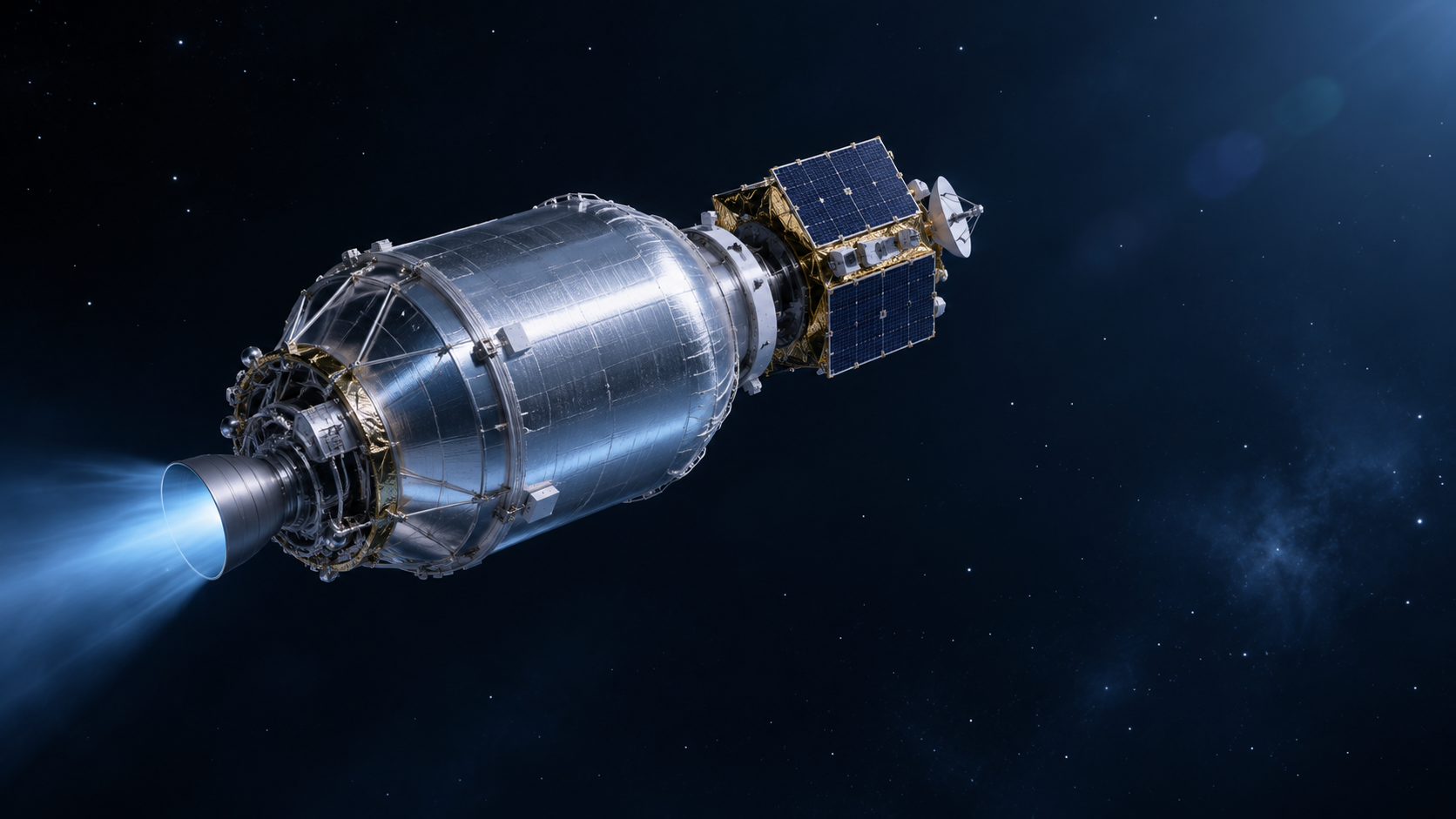
In the 15th integrated flight test, the Starship upper stage spent approximately 22 hours in orbital flight before reentering the atmosphere. It was then caught by the launch tower’s mechanical arms at Starbase in Texas. The supplied account describes this as the first return and tower recovery of an orbital-class spacecraft.
The mission also deployed Starlink satellites. The planned recovery of the Super Heavy booster was canceled, while the spacecraft recovery succeeded. The supplied information describes the result as a step toward full reuse of the Starship system and anticipates a substantial reduction in commercial launch costs.
Where a tower catch could change commercial expectations
Launch buyers and mission planners
Analysis suggests that the most immediate commercial questions concern how a recovered spacecraft might be offered for later missions. A successful catch gives prospective customers a reason to examine reuse assumptions, but the supplied account does not establish that the recovered vehicle has flown again, how much preparation another flight would require, or what price a customer would pay.
For procurement teams, those distinctions matter. A launch proposal could eventually distinguish between a demonstrated recovery, eligibility for another flight and a confirmed delivery schedule. Buyers assessing such proposals may wish to ask how the provider defines vehicle readiness, what evidence supports that definition and how changes to the recovery plan affect the mission. Those questions are commercial precautions, not newly announced regulatory requirements.
The Starlink deployment also makes payload delivery relevant to the discussion. From a customer’s perspective, recovery and delivery are related parts of a mission, but success in one does not by itself establish the terms, schedule or performance of a future payload service. Buyers would still need mission-specific information before drawing conclusions about their own deliveries.
Manufacturers and component suppliers
From an industry perspective, spacecraft reuse could change the information suppliers are asked to provide about components exposed to flight and return. Depending on the design and future procurement terms, manufacturers might be asked to support inspection, replacement or reuse decisions with records that link a component to its operating history. The supplied information does not identify any changed component standard or specific inspection method.
Suppliers considering opportunities connected with such missions could therefore review whether their existing product documentation makes assumptions about single use, replacement intervals or acceptance after return. Any change to those assumptions would need to be agreed and substantiated for the relevant product. A tower catch alone does not demonstrate that every part of the spacecraft is suitable for reuse.
Inspection, integration and support services
Analysis suggests that a reusable upper stage could create questions for businesses involved in integration, inspection and postflight support. Their work may depend on how the launch provider defines the condition in which a vehicle is recovered and the evidence needed before it is prepared for another mission. The supplied account does not describe the vehicle’s postflight condition or any subsequent servicing.
Service providers may find it useful to clarify which records, inspection results and handover documents a customer expects. They should also distinguish work associated with the spacecraft from work associated with the booster: the latter’s planned recovery was canceled on this flight. Treating the mission as proof of a complete recovery process for both stages would go beyond the supplied facts.
Trade and delivery teams
For companies purchasing, moving or supplying equipment for launch services, the possible effect on trade and delivery is indirect at this stage. Analysis suggests that a future reusable-vehicle service could alter what is ordered, when supporting equipment is needed or how responsibility for returned hardware is allocated. The input identifies no change to customs treatment, trade rules or delivery obligations.
Commercial teams can nevertheless check that quotations and contracts describe the hardware and services covered, the intended delivery point and the treatment of changes to a mission plan. Where a transaction involves cross-border movement, the applicable documentation and trade requirements would need to be checked against the actual transaction. No particular jurisdictional requirement can be inferred from this flight account.
Questions to resolve before changing procurement plans
Separate a recovered vehicle from a reusable service
A practical first step is to ask for evidence that matches the decision being made. The reported tower catch addresses recovery on this mission; it does not supply a servicing plan, a return-to-flight decision or a demonstrated turnaround period. A customer evaluating a future launch could request the provider’s current description of those matters and identify which elements remain provisional.
Procurement teams may also compare proposed service terms with their own mission needs. For example, a lower quoted price would need to be assessed alongside the agreed launch window, payload requirements and provisions for schedule changes. The input offers no price or schedule data, so the anticipated cost benefit should remain an assumption to be tested rather than a basis for a fixed budget.
Check the evidence behind inspection and acceptance
Businesses supplying spacecraft components or support services could review what technical records they can provide if a customer asks about reuse. Relevant questions may include how a component is identified, which inspections are documented and who decides whether it is acceptable for a subsequent application. These are suggested points for discussion, not a statement that a particular record or test has become mandatory.
Where a bid or purchase specification refers to reusable hardware, parties may also want to define whether acceptance relates to a new item, a recovered item or an item assessed after servicing. Clear definitions could reduce uncertainty at handover. The supplied information does not establish the inspection findings for this spacecraft or the criteria that would apply to another mission.
Follow the rules that apply to the proposed mission
The supplied event description announces no regulatory decision. Companies should therefore avoid treating the tower catch as an approval, certification or change in operating permission. For an actual procurement or launch, the relevant parties would need to verify applicable requirements and any mission-specific approvals through appropriate official material.
Analysis suggests that future official statements or technical documentation may clarify how recovery and reuse are addressed in practice. Until such information is available, teams can record open questions about evidence, responsibilities and acceptance criteria, then revisit them when evaluating a specific transaction. This is preparation for uncertainty, not a claim that new rules are imminent.
Account for the canceled booster recovery
The different outcomes for the two stages are material to planning. The spacecraft was caught, but the planned booster recovery was canceled. A buyer or supplier assessing claims about the full system could ask which stage a proposed cost, servicing or delivery assumption covers and whether it depends on recovery of both.
For suppliers, that distinction may affect how they assess potential demand for returned hardware, replacement items or support work. The supplied account does not explain why booster recovery was canceled or establish whether the same outcome will occur on another flight. Any planning scenario should preserve that uncertainty.
One successful catch is an execution signal, not a rule change
In editorial analysis, this event is best treated as a technical execution signal with implications that remain open to verification. It shows, on the supplied account, that an orbital-class spacecraft completed a return and tower catch during this test. It does not identify a policy change or establish the commercial conditions under which the process could be repeated.
What deserves closer attention is the evidence that may follow: the condition of recovered hardware, any subsequent reuse, the preparation required between missions and the treatment of recovery in customer-facing documentation. Official regulatory statements, if issued, could also help businesses understand whether existing permissions or compliance practices require any mission-specific clarification. None of those outcomes is confirmed by the input.
Industry feedback may be equally relevant. If buyers begin to evaluate recovered vehicles differently, that could appear in procurement questions, service terms or requests for technical evidence. Such changes would need to be observed in actual documents and transactions; they cannot be assumed from a single test result.
Keeping the commercial assessment proportionate
The reported flight brings a concrete recovery achievement into discussions about fully reusable launch systems. Its potential to reduce costs is commercially relevant, but the supplied information does not quantify savings or demonstrate a repeatable service. For now, businesses can use the event to refine questions about specifications, evidence and delivery responsibilities while keeping budgets and commitments tied to verified terms.
That approach also preserves the distinction between the successful spacecraft catch and the canceled booster recovery. The appropriate response is continued assessment of technical performance, market execution and any applicable official requirements as further information becomes available.
Basis for this account and what remains to be checked
This article is based on the user-provided headline, event date and event summary. The supplied information includes no specific official source link, and the reported details require continued independent verification. Relevant source types for follow-up include official announcements, regulatory publications, standards documents and authoritative reporting.
Further checks should focus on any official account of the flight, evidence of subsequent reuse, relevant certification or regulatory interpretations, changes in procurement documents and feedback from companies using or supplying launch services. No specific policy detail, certification outcome or trade execution change is established by the material provided.
Article Categories
SYSTEM_ALERT_URGENT
Q3 SYMPOSIUM ON ORBITAL DYNAMICS
Registration for the Orbital Aerospace technical committee is now open. Node access required.
Taglist:
Recent Articles
 Nov 22, 2026How does redundancy handle component failures in rail signaling?How does redundancy handle component failures in rail signaling?
![]() Nov 21, 2026Middle Eastern Countries Oppose EU Aviation Emissions Proposal at ICAOMiddle Eastern Countries Oppose EU Aviation Emissions Proposal at ICAO
 Nov 21, 2026How are reference aircraft used in unmanned aircraft R&D?How are reference aircraft used in unmanned aircraft R&D?
![]() Nov 20, 2026Helios Horizon Completes Solid-State Battery Test Flight, Sets Three World RecordsHelios Horizon Completes Solid-State Battery Test Flight, Sets Three World Records
 Nov 20, 2026How does battery weight affect electric aircraft range?How does battery weight affect electric aircraft range?
![]() Nov 19, 2026ICEYE's €2 Billion Avio Bid Meets Italian Government ResistanceICEYE's €2 Billion Avio Bid Meets Italian Government Resistance
 Nov 19, 2026Is EN 9100 certification mandatory for aerospace suppliers in Europe?Is EN 9100 certification mandatory for aerospace suppliers in Europe?
![]() Nov 18, 2026ULA Says Vulcan Failure Began at Liftoff; 40 Amazon Satellites LostULA Says Vulcan Failure Began at Liftoff; 40 Amazon Satellites Lost
 Nov 18, 2026How to verify load ratings from an industrial rigging equipment factoryHow to verify load ratings from an industrial rigging equipment factory
![]() Nov 17, 2026Collins Aerospace Breaks Ground on Propeller MRO Facility in IndiaCollins Aerospace Breaks Ground on Propeller MRO Facility in India
 Nov 17, 2026How to use a transportation benchmarking database to compare freight costsHow to use a transportation benchmarking database to compare freight costs
![]() Nov 16, 2026Beijing Drone Rules Ban Flight, Possession and Storage Across the CityBeijing Drone Rules Ban Flight, Possession and Storage Across the City
 Nov 16, 2026How does redundancy support safe autonomous aviation?How does redundancy support safe autonomous aviation?
![]() Nov 15, 2026SpaceX Catches Orbital-Class Starship on Flight 15SpaceX Catches Orbital-Class Starship on Flight 15
 Nov 15, 2026How does system integration affect smart railway station costs?How does system integration affect smart railway station costs?
![]() Nov 14, 2026SpaceX Starship Flight 15 Reaches Orbit as Booster Diverts to SplashdownSpaceX Starship Flight 15 Reaches Orbit as Booster Diverts to Splashdown
 Nov 14, 2026How to verify a technical compliance reference for avionicsHow to verify a technical compliance reference for avionics
![]() Nov 13, 2026Hydrogen Aviation Startups Seek Near-Term Revenue in Defense and Data CentersHydrogen Aviation Startups Seek Near-Term Revenue in Defense and Data Centers
 Nov 13, 2026How to use procurement planning resources to set lead timesHow to use procurement planning resources to set lead times
![]() Nov 12, 2026Hydrogen Aviation Startups Turn to Defense and Data Centers for RevenueHydrogen Aviation Startups Turn to Defense and Data Centers for Revenue
 Nov 12, 2026How does a multimodal logistics hub warehouse connect rail and road freight?How does a multimodal logistics hub warehouse connect rail and road freight?
![]() Nov 11, 2026FAA Rolls Out SMART AI Traffic Management System Across 22 CentersFAA Rolls Out SMART AI Traffic Management System Across 22 Centers
 Nov 11, 2026How does runway traffic management prevent runway incursions?How does runway traffic management prevent runway incursions?
![]() Nov 10, 2026FAA Starts Air Traffic Control Upgrade, Phasing Out 8-Inch Floppy DisksFAA Starts Air Traffic Control Upgrade, Phasing Out 8-Inch Floppy Disks
 Nov 10, 2026How to assess data comparability in industrial technology benchmarking softwareHow to assess data comparability in industrial technology benchmarking software
![]() Nov 09, 2026Marble Imaging Raises €6 Million for German VHR Satellite ConstellationMarble Imaging Raises €6 Million for German VHR Satellite Constellation
 Nov 09, 2026How does cryogenic propulsion for upper stages affect payload capacity?How does cryogenic propulsion for upper stages affect payload capacity?
![]() Nov 08, 2026SpaceX Plans Starship Flight 15 on November 13 With Two-Stage Catch AttemptSpaceX Plans Starship Flight 15 on November 13 With Two-Stage Catch Attempt
 Nov 08, 2026How to verify an aerospace technical reference is currentHow to verify an aerospace technical reference is current
![]() Nov 07, 2026NTSB: Southwest 737 MAX Flew 44 Times After Missed Storm Check, Leading to Dutch RollNTSB: Southwest 737 MAX Flew 44 Times After Missed Storm Check, Leading to Dutch Roll
 Nov 07, 2026How to reduce springback when bending automotive sheet metalHow to reduce springback when bending automotive sheet metal
![]() Nov 06, 2026AutoFlight Completes First Autonomous Formation Flight With Five Mixed-Weight eVTOLsAutoFlight Completes First Autonomous Formation Flight With Five Mixed-Weight eVTOLs
 Nov 06, 2026How to find current avionics standards in global aerospace technical referencesHow to find current avionics standards in global aerospace technical references
 Nov 05, 2026How does aircraft certification differ across the Middle East?How does aircraft certification differ across the Middle East?
![]() Nov 04, 2026Spain’s Transport Minister Resigns After Fatal High-Speed Rail CollisionSpain’s Transport Minister Resigns After Fatal High-Speed Rail Collision