How spacecraft integration affects advanced propulsion costs
Lead Author
Published
Views:
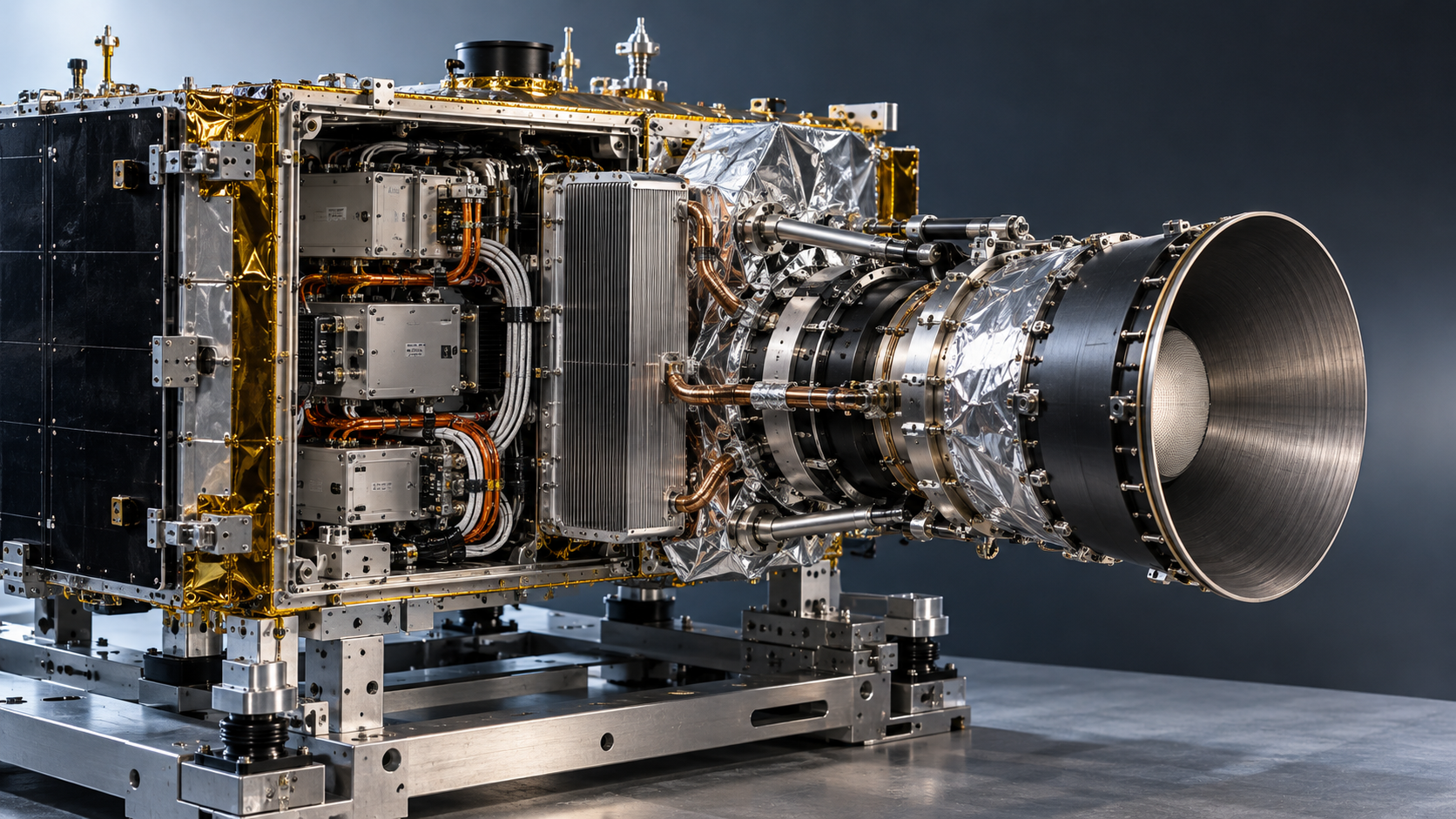
A propulsion package can meet its thrust, efficiency, and lifetime targets yet still push a spacecraft over budget. During supplier selection, the quoted hardware price may look competitive; during integration, additional power conditioning, radiator area, structural reinforcement, or software verification can change the comparison. Spacecraft integration affects advanced propulsion cost by changing both the hardware the vehicle needs and the engineering work required to make that hardware flight-ready.
The practical purchasing decision is therefore not “Which thruster costs less?” but “Which propulsion architecture meets the mission at the lowest credible integrated cost?” Compare candidates against the same mission requirements, include spacecraft modifications and verification activities, and identify unresolved interfaces before committing to a supplier. Otherwise, an apparent equipment saving can become a redesign expense or a missed launch opportunity.
Set the cost boundary before comparing quotations
Supplier quotations rarely cover identical scopes. One may include a propulsion control unit, feed system, and acceptance testing; another may price only the thruster assembly. Neither figure represents installed cost until the spacecraft-side responsibilities are defined.
A useful procurement model is:
Integrated propulsion expenditure = supplied equipment + spacecraft adaptations + integration engineering + verification and qualification + ground and mission support + risk allowance.
Keep recurring flight-unit expenses separate from nonrecurring development. A custom mounting arrangement or new control interface may be expensive on the first spacecraft but reusable on later units. That reuse is credible only when subsequent spacecraft retain the relevant configuration and operating environment.
Also separate direct propulsion expenditure from mission-level consequences. Reduced propellant mass may create payload capacity or launch flexibility, but it is not automatically a cash saving. It becomes one only when the launch arrangement, spacecraft configuration, or mission economics can capture that benefit.
The interfaces that move the budget
Integration costs usually arise where a propulsion requirement meets an existing spacecraft limit. The important question is not simply whether an interface exists, but how much margin it consumes and what must change when that margin disappears.
Power availability is not the same as power compatibility
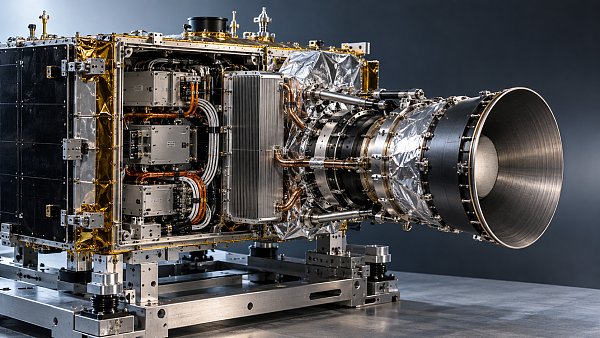
An electric propulsion system may fit the spacecraft’s nominal power budget while exceeding available power during eclipse recovery, payload operation, or battery charging. Startup transients and conversion losses also matter. A system that requires a different bus voltage or tighter input stability can introduce equipment beyond the quoted propulsion package.
Request a time-based operating profile rather than a single rated-power value. Then check it against mission modes, degraded power conditions, and simultaneous loads. If propulsion must be scheduled around other consumers, include the effect on transfer duration and operations planning instead of treating scheduling as a free workaround.
Thermal and mechanical changes can spread beyond the mounting panel
Electrical input does not all become useful thrust. Waste heat must leave power electronics and other components through defined paths. When existing thermal capacity is insufficient, the resulting radiator allocation or panel redesign can affect spacecraft layout. Chemical systems introduce different concerns, including tank conditioning, valve temperatures, and localized heating during firing.
Mechanical integration also extends beyond bracket design. Tank placement changes center of mass; thrust-vector offsets affect attitude control; plumbing and harness routes need support and access. A lighter propulsion unit does not necessarily produce a lighter installed subsystem once adapters, shielding, thermal hardware, and routing are included.
Compare propulsion options at the mission level
Different propulsion technologies place costs in different parts of the spacecraft. High-specific-impulse electric propulsion can reduce propellant demand, but generally delivers lower thrust than chemical alternatives. The purchasing comparison must account for transfer time, available electrical power, and any associated mission exposure. A rapid maneuver requirement can outweigh a propellant-efficiency advantage.
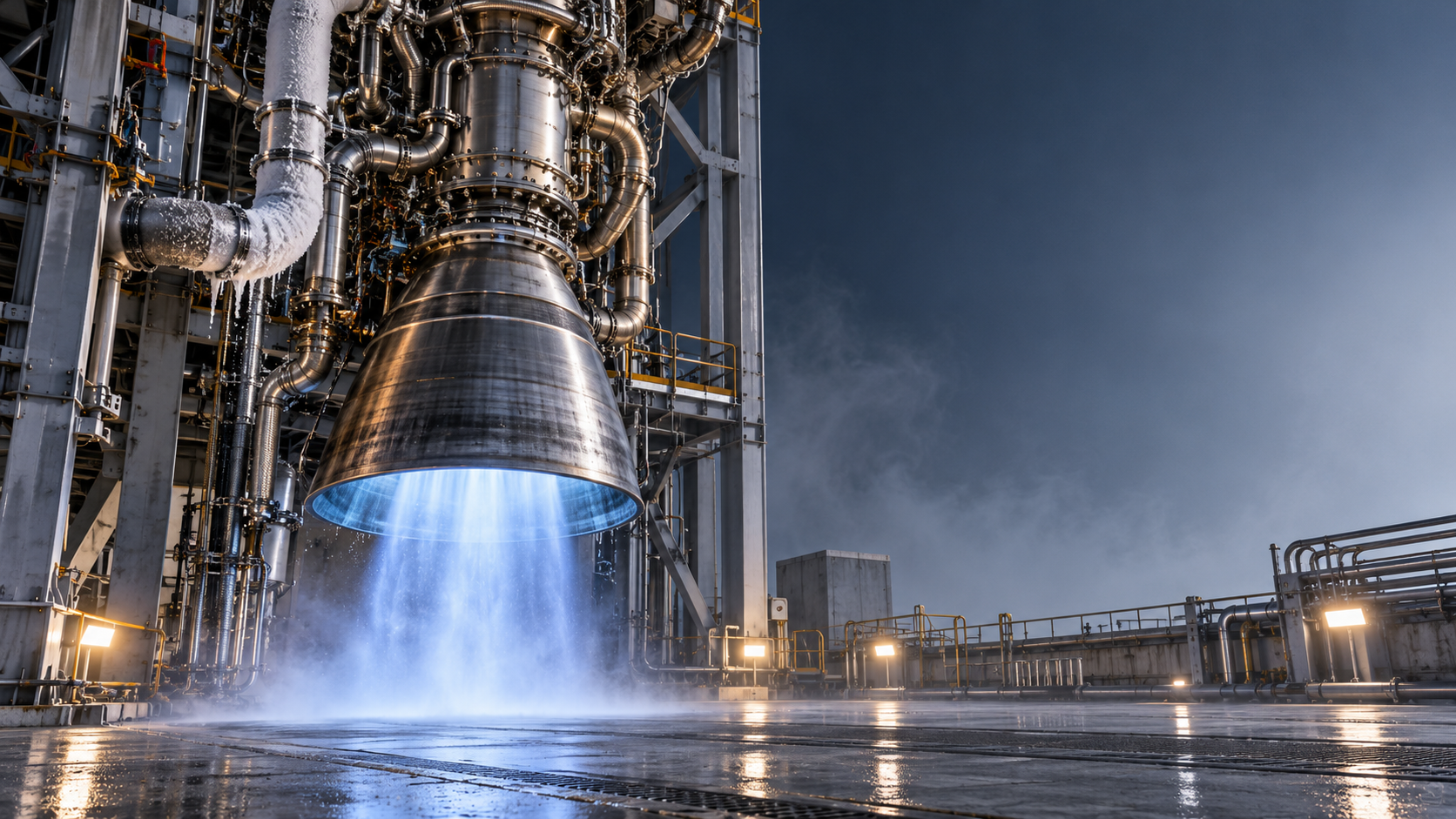
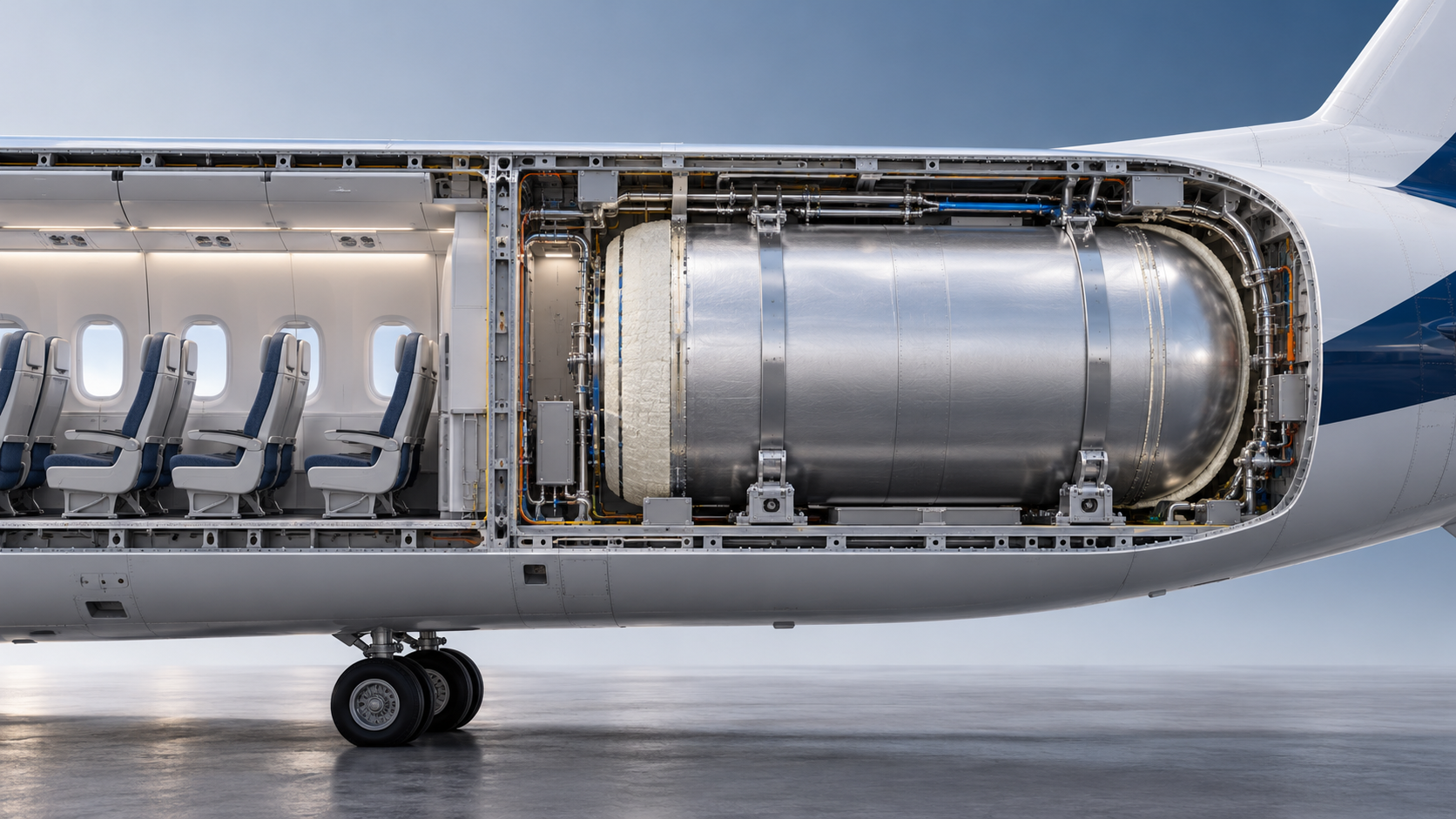
Chemical propulsion may support short-duration, high-thrust maneuvers without the same continuous electrical demand, yet pressure systems, propellant compatibility, storage conditions, and handling requirements can dominate integration effort. Cryogenic architectures introduce additional storage and thermal-management questions that cannot be assessed from engine price alone.
For either approach, evaluate the following on a common mission basis:
- Delivered capability: required maneuvers, usable propellant, thrust duration, and end-of-life performance.
- Installed resources: total mass, volume, power, thermal allocation, and attitude-control demand.
- Operational constraints: allowable firing windows, pointing restrictions, communications availability, and transfer duration.
- Integration maturity: demonstrated configuration, applicable test evidence, and remaining spacecraft-specific work.
A technically efficient option can still be the more expensive mission solution when the spacecraft must be extensively modified to accommodate it. Conversely, a higher-priced package may reduce total expenditure if its interfaces match the existing bus and its verification evidence is usable.
Qualification heritage only saves money when it applies
“Flight-proven” is not a complete qualification argument. Heritage belongs to a particular configuration operated within particular conditions. Changes to mounting stiffness, thermal boundaries, propellant supply, electrical environment, or duty cycle can create additional analysis or testing even when the thruster itself is unchanged.
Before crediting heritage in the budget, request a configuration-controlled evidence package and map it against the intended application. Identify which requirements are already supported, which need supplementary analysis, and which require testing. Distinguish qualification evidence demonstrating design suitability from acceptance testing used to screen an individual flight unit.
The most expensive gaps often cross organizational boundaries. For example, a supplier may verify its controller against a laboratory power source while the spacecraft team assumes compatibility with the flight distribution system. Neither test alone closes the integrated interface risk.
Resolve those boundaries in a verification matrix that names the requirement, verification method, responsible party, test configuration, and acceptance criterion. Where combined testing is necessary, budget for suitable facilities and representative interfaces. Electric propulsion testing may require attention to vacuum conditions and facility effects; propulsion tests involving hazardous fluids require appropriate handling provisions.
Late interface changes multiply engineering effort
A revised valve command or mounting dimension can look minor on a drawing. After design release, that change may require updated analyses, harness documentation, software modifications, repeated tests, and new configuration records. Cost follows the number of affected dependencies, not just the size of the changed component.
Interface definition should therefore begin before final supplier selection. Preliminary documentation can expose incompatibilities while alternatives are still affordable. Waiting for a finished propulsion design may leave the spacecraft team with fewer options and less schedule margin.
- Establish the spacecraft baseline. Record available resources, environmental limits, maneuver needs, and assumptions that are not yet validated.
- Obtain candidate-specific interface data. Replace generic brochure values with operating envelopes, tolerances, and configuration identifiers.
- Close high-impact uncertainties first. Prioritize questions that could change the power architecture, spacecraft layout, qualification approach, or launch processing.
- Control subsequent changes. Assign approval authority and require cost, schedule, and verification impact assessments before accepting revisions.
Freezing an interface does not mean suppressing necessary engineering changes. It means making their consequences visible and ensuring that the party requesting a change understands the work it creates elsewhere.
Turn technical uncertainty into a defensible budget
A single contingency percentage can conceal very different risks. An unresolved connector selection is not equivalent to an unverified thermal design or an uncertain thruster lifetime requirement. Build allowances around identifiable events, their consequences, and the evidence needed to retire them.
For each major uncertainty, record the current assumption, the potential additional work, the decision deadline, and the owner. Estimate consequences using supplier input, internal work estimates, facility quotations, or relevant program records. Where evidence is weak, show a range rather than presenting an unsupported point estimate.
Schedule needs its own treatment. A propulsion delivery delay can leave integration personnel and facilities waiting, compress system-level testing, or interfere with launch processing. Capture these consequences explicitly, while avoiding double counting the same delay in both activity estimates and contingency.
Three budget views are especially useful: the baseline using supported assumptions, a credible adverse case for unresolved interfaces, and the residual allowance after planned risk-reduction work. The purpose is not to label every uncertainty as equally likely, but to show which decisions could materially change the funding requirement.
Specify what the supplier must deliver—not just what the thruster must do
A purchase specification should cover integration support as well as performance. Ambiguous deliverables often become paid engineering changes when the spacecraft team requests information it assumed was included.
Ask suppliers to price and identify:
- Flight hardware, associated electronics, feed components, and any excluded accessories.
- Interface documentation, engineering models, software support, and model limitations.
- Qualification and acceptance evidence tied to the supplied configuration.
- Support for integrated testing, anomaly investigation, and launch-site activities.
- Ground support equipment, maintenance needs, spares, and special handling requirements.
- Change-control arrangements, document delivery dates, and responsibility for resolving interface nonconformances.
Technical data access deserves particular attention. A low initial quote can leave the purchaser dependent on supplier analysis for every integration change. Establish what models and parameters will be available, under what usage restrictions, and whether the information is sufficient for spacecraft-level verification. Proprietary detail need not be unrestricted, but the verification approach must remain executable.
Before authorization, reconcile each proposal against the same cost boundary and document every exclusion. A candidate should not appear cheaper merely because spacecraft-side work is absent from its quotation. Where an unresolved issue could force an architectural change, use a defined study or interface-demonstration milestone before committing to flight procurement. Its completion criteria should provide evidence for the purchasing decision, not simply produce another document.
Article Categories
SYSTEM_ALERT_URGENT
Q3 SYMPOSIUM ON ORBITAL DYNAMICS
Registration for the Orbital Aerospace technical committee is now open. Node access required.
Recent Articles
![]() Oct 27, 2026FAA Certifies Boeing 737 MAX 10 After Years of DelaysFAA Certifies Boeing 737 MAX 10 After Years of Delays
 Oct 27, 2026Can an intermodal connectivity platform reduce rail handoff delays?Can an intermodal connectivity platform reduce rail handoff delays?
![]() Oct 26, 2026Chery Unveils Global Smart Mobility Strategy Targeting Robotaxis and eVTOLsChery Unveils Global Smart Mobility Strategy Targeting Robotaxis and eVTOLs
 Oct 26, 2026How to evaluate avionics for helicopters used in IFR operationsHow to evaluate avionics for helicopters used in IFR operations
![]() Oct 25, 2026Ukraine’s Defence Minister Says SpaceX Satellite Services Restored After Speed RestrictionsUkraine’s Defence Minister Says SpaceX Satellite Services Restored After Speed Restrictions
 Oct 25, 2026How satellite infrastructure for IoT affects sensor reporting delaysHow satellite infrastructure for IoT affects sensor reporting delays
![]() Oct 24, 2026China Successfully Launches Yaogan 50-03 SatelliteChina Successfully Launches Yaogan 50-03 Satellite
 Oct 24, 2026How gradients affect traction power needs in high-speed rolling stockHow gradients affect traction power needs in high-speed rolling stock
![]() Oct 23, 2026FAA Proposes Checks on Nearly 2,000 Boeing 737NGs Over Loss-of-Control RiskFAA Proposes Checks on Nearly 2,000 Boeing 737NGs Over Loss-of-Control Risk
 Oct 23, 2026How fuel choice affects specific impulse in liquid oxygen propulsionHow fuel choice affects specific impulse in liquid oxygen propulsion
![]() Oct 22, 2026QuantumScape Plans 100 MWh Solid-State Battery Line Targeting Aerospace and Other MarketsQuantumScape Plans 100 MWh Solid-State Battery Line Targeting Aerospace and Other Markets
 Oct 22, 2026How tank size limits hydrogen aircraft range on regional flightsHow tank size limits hydrogen aircraft range on regional flights
![]() Oct 21, 2026FAA Certifies Boeing 737-10, Clearing Regulatory Hurdle for DeliveriesFAA Certifies Boeing 737-10, Clearing Regulatory Hurdle for Deliveries
 Oct 21, 2026How are electric vertical takeoff aircraft certified in the US?How are electric vertical takeoff aircraft certified in the US?
![]() Oct 20, 2026Ohio Department of Transportation Releases Three-Year Advanced Air Mobility Action PlanOhio Department of Transportation Releases Three-Year Advanced Air Mobility Action Plan
 Oct 20, 2026How does magnetic flux density in tesla affect maglev lift force?How does magnetic flux density in tesla affect maglev lift force?
![]() Oct 19, 2026ZeroAvia Completes Key Ground Tests of ZA600 Hydrogen Fuel Cell PowertrainZeroAvia Completes Key Ground Tests of ZA600 Hydrogen Fuel Cell Powertrain
 Oct 19, 2026How spacecraft integration affects advanced propulsion costsHow spacecraft integration affects advanced propulsion costs
 Oct 18, 2026How chilldown prevents cavitation in cryogenic engine systemsHow chilldown prevents cavitation in cryogenic engine systems
 Oct 17, 2026How explainability affects algorithmic trust in AI flight systemsHow explainability affects algorithmic trust in AI flight systems
 Oct 16, 2026How to evaluate transportation technology for Middle East heatHow to evaluate transportation technology for Middle East heat
 Oct 15, 2026How common-cause failures defeat redundancy logic in European avionicsHow common-cause failures defeat redundancy logic in European avionics
 Oct 14, 2026How DO-160 applies to aerospace technology testing for avionicsHow DO-160 applies to aerospace technology testing for avionics
 Oct 13, 2026How fuel price volatility shapes commercial aviation cost trendsHow fuel price volatility shapes commercial aviation cost trends
 Oct 12, 2026How to qualify aerospace manufacturing components for traceabilityHow to qualify aerospace manufacturing components for traceability
 Oct 11, 2026Which certification hurdles are slowing hydrogen aviation in Europe?Which certification hurdles are slowing hydrogen aviation in Europe?
 Oct 10, 2026What evidence should a magnetic gap stability supplier provide?What evidence should a magnetic gap stability supplier provide?
 Oct 09, 2026Which ISO standards matter when qualifying industrial technology suppliers?Which ISO standards matter when qualifying industrial technology suppliers?
 Oct 08, 2026When does reusability actually lower launch vehicle costs?When does reusability actually lower launch vehicle costs?
 Oct 07, 2026Where to find reliable product knowledge resources in the Middle EastWhere to find reliable product knowledge resources in the Middle East
 Oct 06, 2026What drives high-speed rail systems cost per kilometer?What drives high-speed rail systems cost per kilometer?
 Oct 05, 2026When does hydrogen propulsion for UAV extend mission range enough to justify it?When does hydrogen propulsion for UAV extend mission range enough to justify it?
 Oct 04, 2026How rail systems integration reduces commissioning delaysHow rail systems integration reduces commissioning delays
 Oct 03, 2026How to evaluate an advanced propulsion manufacturer for hydrogen systemsHow to evaluate an advanced propulsion manufacturer for hydrogen systems
 Oct 02, 2026How to qualify aircraft components for OEM production approvalHow to qualify aircraft components for OEM production approval