Aerospace R&D Trends to Watch in 2026
Lead Author
Published
Views:
Aerospace R&D Trends to Watch in 2026

Aerospace R&D is entering a defining phase in 2026, driven by propulsion shifts, software-intensive control, and tighter global certification pressures.
Progress now depends on balancing breakthrough performance with airworthiness, cybersecurity, manufacturability, and lifecycle economics across aviation, space, rail-linked mobility, and urban flight systems.
For organizations tracking Aerospace R&D, a structured review process helps separate durable innovation from short-term hype.
Why a structured review matters in 2026
In 2026, Aerospace R&D programs face simultaneous pressure from decarbonization targets, supply chain fragility, digital safety rules, and geopolitical technology controls.
A checklist-based approach improves prioritization because it connects technical maturity with certification readiness, infrastructure fit, and long-term program resilience.
This is especially relevant across advanced commercial aviation, satellite infrastructure, high-speed transport integration, UAM, and extreme-environment logistics.
Core points to examine in Aerospace R&D
Use the following points to evaluate whether Aerospace R&D activity is likely to scale, certify, and create strategic advantage in 2026.
- Check whether zero-emission propulsion claims include realistic energy density, thermal management, airport or ground infrastructure needs, and a credible certification pathway.
- Review autonomous flight development through software assurance, sensor redundancy, edge-case testing, pilot interaction logic, and cybersecurity validation under regulated conditions.
- Assess advanced materials by fatigue behavior, repairability, fire performance, supply availability, and compatibility with high-rate manufacturing and inspection systems.
- Verify that digital engineering workflows connect simulation, hardware testing, and traceable compliance evidence rather than isolated model-based demonstrations.
- Examine propulsion diversification across hydrogen, hybrid-electric, sustainable aviation fuel compatibility, and high-efficiency turbine upgrades instead of single-path dependency.
- Measure how space and satellite Aerospace R&D addresses launch cost, orbital debris mitigation, radiation tolerance, and secure communication architecture.
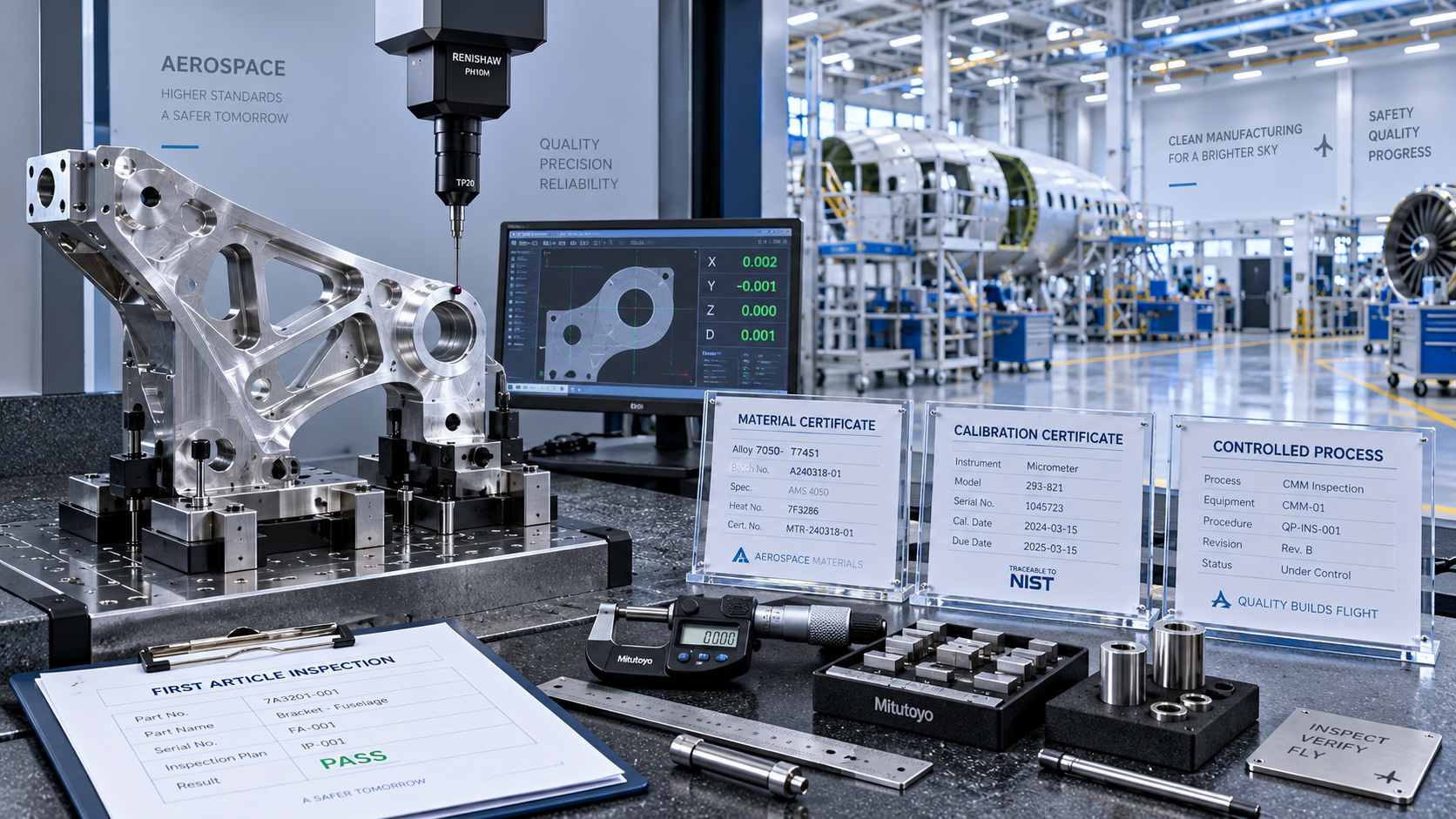
- Look at manufacturing readiness, including digital twins, additive production limits, critical minerals exposure, and supplier qualification depth across regions.
- Confirm that safety cases align with FAA, EASA, ISO, and other applicable frameworks early enough to avoid expensive redesign late in development.
- Check resilience planning for export controls, dual-use technology restrictions, and data governance requirements affecting international Aerospace R&D collaboration.
- Prioritize programs with measurable operational benefits such as lower maintenance burden, reduced emissions, faster turnaround, or improved mission availability.
Trend areas shaping Aerospace R&D decisions
1. Zero-emission propulsion moves from concept to systems integration
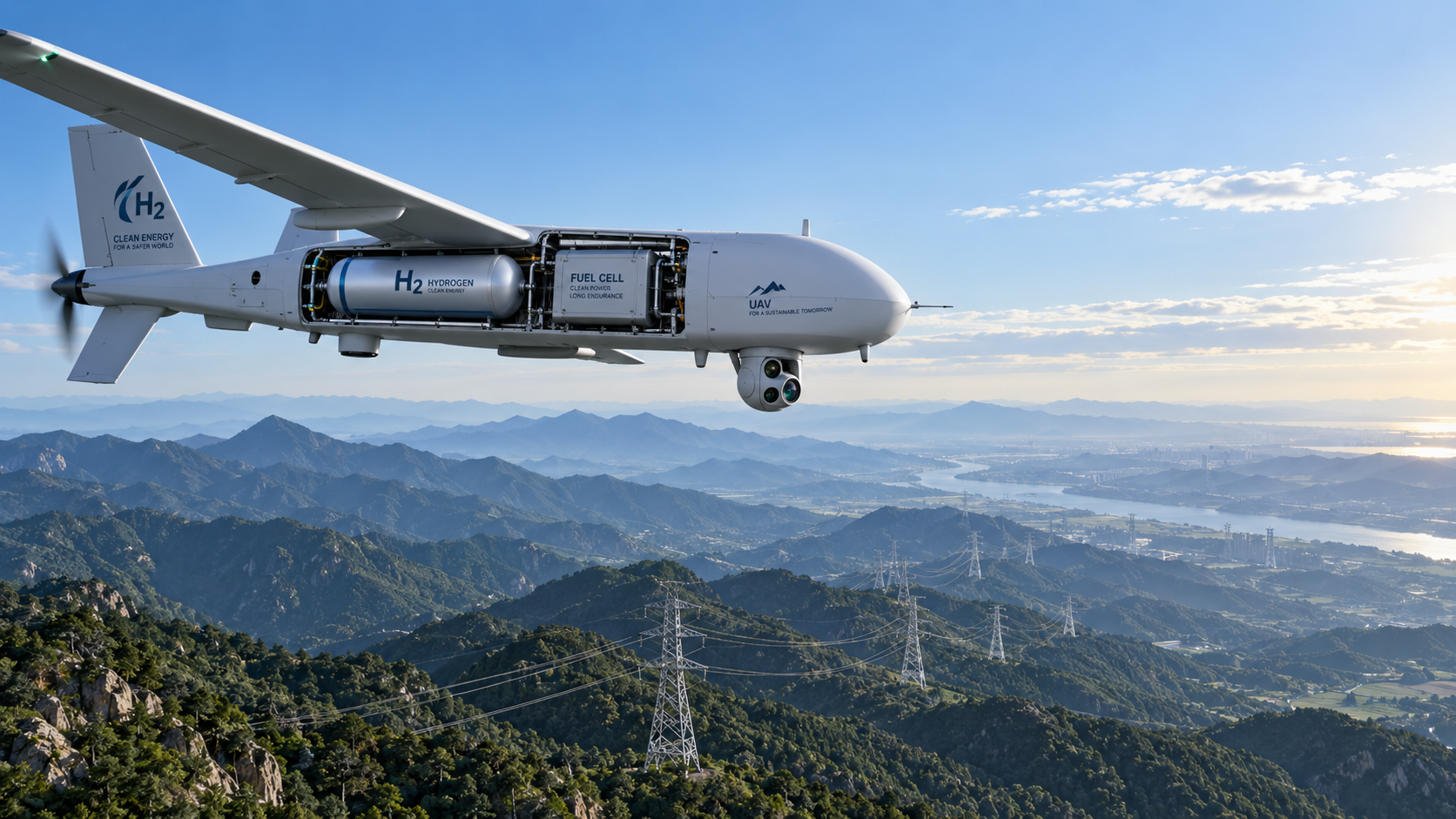
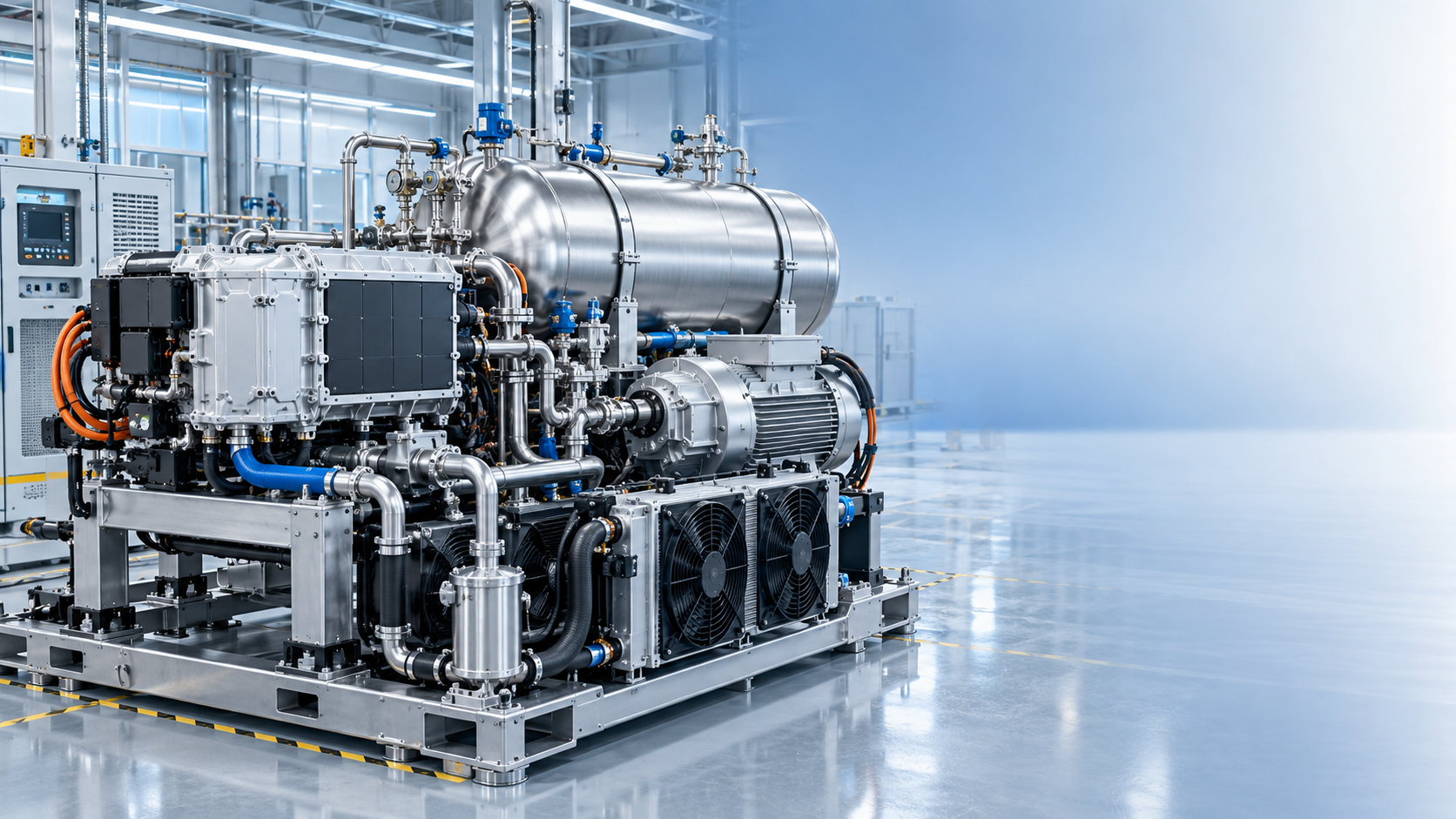
Hydrogen combustion, fuel cells, hybrid-electric architectures, and battery-supported subsystems remain central to Aerospace R&D planning in 2026.
The real differentiator is no longer concept novelty. It is integrated performance across weight, cryogenic storage, maintenance, airport handling, and safety certification.
2. Autonomy becomes a certification problem, not only an algorithm problem
Autonomous flight systems, advanced driver-assist logic for high-speed transport, and remote mission operations increasingly depend on assurance evidence.
Aerospace R&D leaders are focusing on explainability, fail-operational behavior, secure data pipelines, and human-machine decision boundaries.
3. Materials innovation shifts toward lifecycle value
Composites, high-temperature alloys, lightweight structures, and multifunctional materials still matter, but repair time and inspection cost now influence investment decisions.
This changes how Aerospace R&D evaluates material breakthroughs for airframes, space vehicles, maglev-adjacent structures, and UAM platforms.
4. Digital thread maturity becomes a competitive benchmark
Digital twins, model-based systems engineering, and AI-assisted design can accelerate Aerospace R&D only when data remains consistent across design, test, manufacturing, and service.
Fragmented tools create blind spots. Integrated engineering data creates faster compliance and smarter redesign decisions.
Application-specific considerations
Advanced commercial aviation
In this segment, Aerospace R&D should be judged by fuel burn improvement, structural efficiency, maintainability, and compatibility with airport operations.
Next-generation airframes also require stronger evidence on composite repair cycles, digital inspection, and regulatory acceptance of software-heavy subsystems.
Space exploration and satellite infrastructure
For orbital systems, Aerospace R&D priorities include reusable launch economics, in-space servicing, resilient satellite constellations, and debris-aware mission planning.
Programs should also be screened for secure communications, radiation hardening, and scalable ground-segment integration.
Urban air mobility and eVTOL
Here, Aerospace R&D must address community noise, battery safety, dispatch reliability, vertiport compatibility, and autonomous operational envelopes.
The strongest programs link vehicle design with traffic management, pilot transition strategy, and maintenance network planning.
Extreme-environment logistics and high-speed mobility links
Cross-domain Aerospace R&D increasingly touches Arctic logistics, defense-adjacent transport, and interfaces with high-speed rail or maglev corridors.
Critical checks include environmental durability, signaling interoperability, remote diagnostics, and mission continuity under severe conditions.
Common gaps and risk signals
Underestimating certification timelines
A frequent Aerospace R&D mistake is assuming technical success will naturally convert into regulatory approval. It rarely does without early compliance architecture.
Ignoring infrastructure dependency
Hydrogen, charging, satellite ground assets, and autonomous traffic systems all depend on ecosystem readiness beyond the vehicle or platform itself.
Treating AI as a shortcut
AI can improve Aerospace R&D modeling and inspection, but unverifiable outputs can weaken assurance, traceability, and safety arguments.
Weak supply chain qualification
Novel materials and electronics often fail at scale because suppliers cannot maintain quality, throughput, or geopolitical stability.
Practical execution steps for 2026
- Map each Aerospace R&D project against technical readiness, certification readiness, manufacturing readiness, and infrastructure readiness.
- Build a review cadence that links engineering milestones with regulatory evidence and supply chain qualification checkpoints.
- Prioritize cross-functional data integrity, especially between simulation, test benches, flight trials, and service feedback.
- Stress-test program assumptions using failure scenarios involving cyber incidents, thermal limits, supplier disruption, and changing standards.
- Use benchmark comparisons across aviation, space, UAM, and high-speed mobility to spot transferable technologies and hidden integration risks.
Key benchmarks to track
FAQ on Aerospace R&D in 2026
What is the biggest Aerospace R&D priority in 2026?
The biggest priority is integrating innovation with certifiable safety, scalable manufacturing, and viable infrastructure instead of pursuing isolated technology breakthroughs.
Which Aerospace R&D trend has the fastest near-term impact?
Digital engineering and software assurance are likely to deliver the fastest impact because they improve development speed, traceability, and program decision quality.
How should organizations compare Aerospace R&D opportunities?
Compare them across readiness, compliance burden, supply chain exposure, lifecycle economics, and operational value rather than headline performance alone.
Conclusion and next steps
Aerospace R&D in 2026 will be shaped by decarbonization, autonomy, advanced materials, and stronger certification discipline.
The most credible programs will connect frontier engineering with standards-based execution, resilient supply networks, and measurable operational outcomes.
Start by auditing current Aerospace R&D initiatives against the checklist above, then rank gaps by risk, readiness, and strategic impact.
That approach creates a clearer path toward sustainable innovation across global mobility, aviation, space systems, and advanced transportation platforms.
Article Categories
SYSTEM_ALERT_URGENT
Q3 SYMPOSIUM ON ORBITAL DYNAMICS
Registration for the Orbital Aerospace technical committee is now open. Node access required.
Recent Articles
![]() Oct 27, 2026FAA Certifies Boeing 737 MAX 10 After Years of DelaysFAA Certifies Boeing 737 MAX 10 After Years of Delays
Oct 27, 2026FAA Certifies Boeing 737 MAX 10 After Years of DelaysFAA Certifies Boeing 737 MAX 10 After Years of Delays Oct 27, 2026Can an intermodal connectivity platform reduce rail handoff delays?Can an intermodal connectivity platform reduce rail handoff delays?
![]() Oct 26, 2026Chery Unveils Global Smart Mobility Strategy Targeting Robotaxis and eVTOLsChery Unveils Global Smart Mobility Strategy Targeting Robotaxis and eVTOLs
Oct 26, 2026Chery Unveils Global Smart Mobility Strategy Targeting Robotaxis and eVTOLsChery Unveils Global Smart Mobility Strategy Targeting Robotaxis and eVTOLs Oct 26, 2026How to evaluate avionics for helicopters used in IFR operationsHow to evaluate avionics for helicopters used in IFR operations
![]() Oct 25, 2026Ukraine’s Defence Minister Says SpaceX Satellite Services Restored After Speed RestrictionsUkraine’s Defence Minister Says SpaceX Satellite Services Restored After Speed Restrictions
Oct 25, 2026Ukraine’s Defence Minister Says SpaceX Satellite Services Restored After Speed RestrictionsUkraine’s Defence Minister Says SpaceX Satellite Services Restored After Speed Restrictions Oct 25, 2026How satellite infrastructure for IoT affects sensor reporting delaysHow satellite infrastructure for IoT affects sensor reporting delays
![]() Oct 24, 2026China Successfully Launches Yaogan 50-03 SatelliteChina Successfully Launches Yaogan 50-03 Satellite
Oct 24, 2026China Successfully Launches Yaogan 50-03 SatelliteChina Successfully Launches Yaogan 50-03 Satellite Oct 24, 2026How gradients affect traction power needs in high-speed rolling stockHow gradients affect traction power needs in high-speed rolling stock
![]() Oct 23, 2026FAA Proposes Checks on Nearly 2,000 Boeing 737NGs Over Loss-of-Control RiskFAA Proposes Checks on Nearly 2,000 Boeing 737NGs Over Loss-of-Control Risk
Oct 23, 2026FAA Proposes Checks on Nearly 2,000 Boeing 737NGs Over Loss-of-Control RiskFAA Proposes Checks on Nearly 2,000 Boeing 737NGs Over Loss-of-Control Risk Oct 23, 2026How fuel choice affects specific impulse in liquid oxygen propulsionHow fuel choice affects specific impulse in liquid oxygen propulsion
![]() Oct 22, 2026QuantumScape Plans 100 MWh Solid-State Battery Line Targeting Aerospace and Other MarketsQuantumScape Plans 100 MWh Solid-State Battery Line Targeting Aerospace and Other Markets
Oct 22, 2026QuantumScape Plans 100 MWh Solid-State Battery Line Targeting Aerospace and Other MarketsQuantumScape Plans 100 MWh Solid-State Battery Line Targeting Aerospace and Other Markets Oct 22, 2026How tank size limits hydrogen aircraft range on regional flightsHow tank size limits hydrogen aircraft range on regional flights
![]() Oct 21, 2026FAA Certifies Boeing 737-10, Clearing Regulatory Hurdle for DeliveriesFAA Certifies Boeing 737-10, Clearing Regulatory Hurdle for Deliveries
Oct 21, 2026FAA Certifies Boeing 737-10, Clearing Regulatory Hurdle for DeliveriesFAA Certifies Boeing 737-10, Clearing Regulatory Hurdle for Deliveries Oct 21, 2026How are electric vertical takeoff aircraft certified in the US?How are electric vertical takeoff aircraft certified in the US?
![]() Oct 20, 2026Ohio Department of Transportation Releases Three-Year Advanced Air Mobility Action PlanOhio Department of Transportation Releases Three-Year Advanced Air Mobility Action Plan
Oct 20, 2026Ohio Department of Transportation Releases Three-Year Advanced Air Mobility Action PlanOhio Department of Transportation Releases Three-Year Advanced Air Mobility Action Plan Oct 20, 2026How does magnetic flux density in tesla affect maglev lift force?How does magnetic flux density in tesla affect maglev lift force?
![]() Oct 19, 2026ZeroAvia Completes Key Ground Tests of ZA600 Hydrogen Fuel Cell PowertrainZeroAvia Completes Key Ground Tests of ZA600 Hydrogen Fuel Cell Powertrain
Oct 19, 2026ZeroAvia Completes Key Ground Tests of ZA600 Hydrogen Fuel Cell PowertrainZeroAvia Completes Key Ground Tests of ZA600 Hydrogen Fuel Cell Powertrain Oct 19, 2026How spacecraft integration affects advanced propulsion costsHow spacecraft integration affects advanced propulsion costs
 Oct 18, 2026How chilldown prevents cavitation in cryogenic engine systemsHow chilldown prevents cavitation in cryogenic engine systems
 Oct 17, 2026How explainability affects algorithmic trust in AI flight systemsHow explainability affects algorithmic trust in AI flight systems
 Oct 16, 2026How to evaluate transportation technology for Middle East heatHow to evaluate transportation technology for Middle East heat
 Oct 15, 2026How common-cause failures defeat redundancy logic in European avionicsHow common-cause failures defeat redundancy logic in European avionics
 Oct 14, 2026How DO-160 applies to aerospace technology testing for avionicsHow DO-160 applies to aerospace technology testing for avionics
 Oct 13, 2026How fuel price volatility shapes commercial aviation cost trendsHow fuel price volatility shapes commercial aviation cost trends
 Oct 12, 2026How to qualify aerospace manufacturing components for traceabilityHow to qualify aerospace manufacturing components for traceability
 Oct 11, 2026Which certification hurdles are slowing hydrogen aviation in Europe?Which certification hurdles are slowing hydrogen aviation in Europe?
 Oct 10, 2026What evidence should a magnetic gap stability supplier provide?What evidence should a magnetic gap stability supplier provide?
 Oct 09, 2026Which ISO standards matter when qualifying industrial technology suppliers?Which ISO standards matter when qualifying industrial technology suppliers?
 Oct 08, 2026When does reusability actually lower launch vehicle costs?When does reusability actually lower launch vehicle costs?
 Oct 07, 2026Where to find reliable product knowledge resources in the Middle EastWhere to find reliable product knowledge resources in the Middle East
 Oct 06, 2026What drives high-speed rail systems cost per kilometer?What drives high-speed rail systems cost per kilometer?
 Oct 05, 2026When does hydrogen propulsion for UAV extend mission range enough to justify it?When does hydrogen propulsion for UAV extend mission range enough to justify it?
 Oct 04, 2026How rail systems integration reduces commissioning delaysHow rail systems integration reduces commissioning delays
 Oct 03, 2026How to evaluate an advanced propulsion manufacturer for hydrogen systemsHow to evaluate an advanced propulsion manufacturer for hydrogen systems
 Oct 02, 2026How to qualify aircraft components for OEM production approvalHow to qualify aircraft components for OEM production approval