Which cryogenic propulsion system specifications drive mission design?
Lead Author
Published
Views:
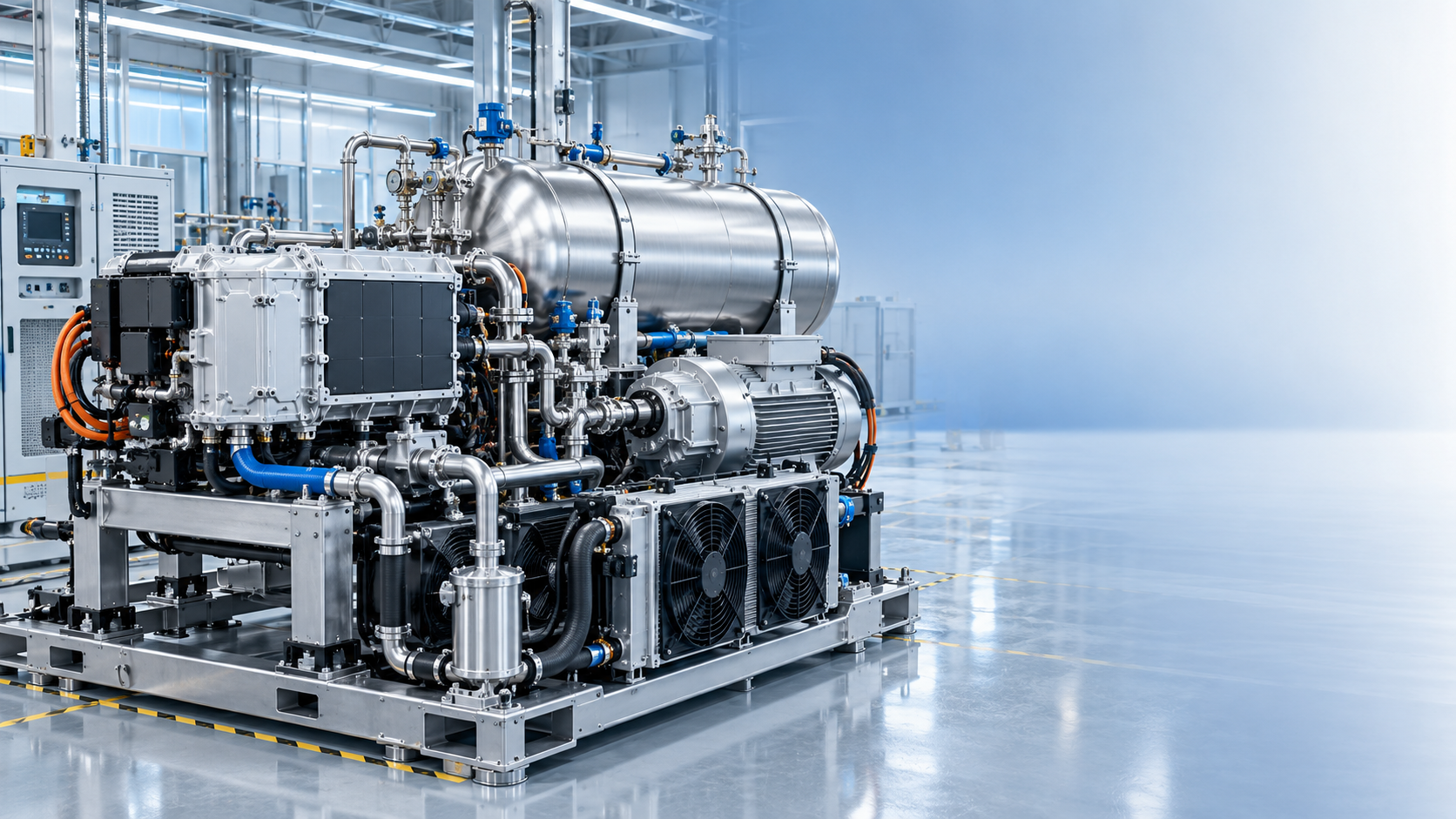
Cryogenic propulsion specifications drive mission design because they determine the vehicle’s usable energy, controllability, operating window, and ground infrastructure burden at the same time. A high specific impulse figure may improve payload performance on paper, yet the concept can still fail its mission if propellant boil-off, restart requirements, engine chilldown, tank mass, or launch-site turnaround are incompatible with the operating profile.
For technical evaluators, the useful question is therefore not which engine or propellant combination has the best headline performance. It is which set of Cryogenic Propulsion system specifications closes the mission with credible margins across ascent, coast, orbital operations, landing, or long-duration storage. The answer changes materially between an expendable upper stage, a reusable launch vehicle, an in-space transfer vehicle, and a logistics platform operating from a remote or constrained site.
Start with the mission energy requirement, then test the margins
Specific impulse is usually the first specification reviewed, and for good reason. It expresses how efficiently a propulsion system converts propellant into thrust. In cryogenic systems, liquid hydrogen and liquid oxygen combinations can offer very high specific impulse, while liquid methane and liquid oxygen generally trade some theoretical efficiency for denser propellant, simpler handling characteristics, and potentially more practical vehicle packaging.
That comparison is only meaningful after the mission delta-v budget has been defined. Evaluators should separate the idealized velocity requirement from the operational allowances that absorb trajectory dispersions, gravity and drag losses, reserve propellant, attitude-control consumption, engine shutdown transients, and recovery or disposal maneuvers. A propulsion concept that closes an ideal mission by a narrow margin is not a mature design option. It is a sensitivity problem waiting to emerge during detailed analysis.
Thrust-to-weight ratio belongs in the same early assessment. An engine can have attractive specific impulse but insufficient thrust for the intended lift-off mass, ascent profile, or terminal maneuver. Low thrust can extend burn duration, increase gravity losses, constrain trajectory shaping, and force a larger installed engine count. Higher thrust may reduce these penalties, but can raise chamber pressure, thermal loads, structural loads, turbomachinery complexity, and acoustic or vibration exposure.
The practical evaluation is a paired calculation: first, determine whether total impulse and specific impulse support the required delta-v; then determine whether thrust, throttle range, and burn timing allow the vehicle to deliver that impulse where the mission needs it. These are connected but not interchangeable requirements.
Propellant choice changes the vehicle, not just the engine
Cryogenic propulsion design is often discussed in terms of engine cycles, but propellant physical properties can reshape the entire mission architecture. Liquid hydrogen offers exceptional performance and supports demanding upper-stage or deep-space energy budgets. Its low density, however, requires large tank volume. That affects fairing diameter, insulation area, structural mass, aerodynamic drag during atmospheric flight, center-of-gravity management, and transport constraints.
Liquid methane has a more compact storage footprint and can simplify tank sizing relative to hydrogen, though it introduces its own thermal-control and material-compatibility requirements. The resulting vehicle may accept a lower specific impulse if the denser propellant reduces dry-mass penalties or makes a reusable configuration easier to package. Liquid oxygen remains common in both combinations, but its storage temperature, loading sequence, and interaction with fuel-side operations must be considered as a system.
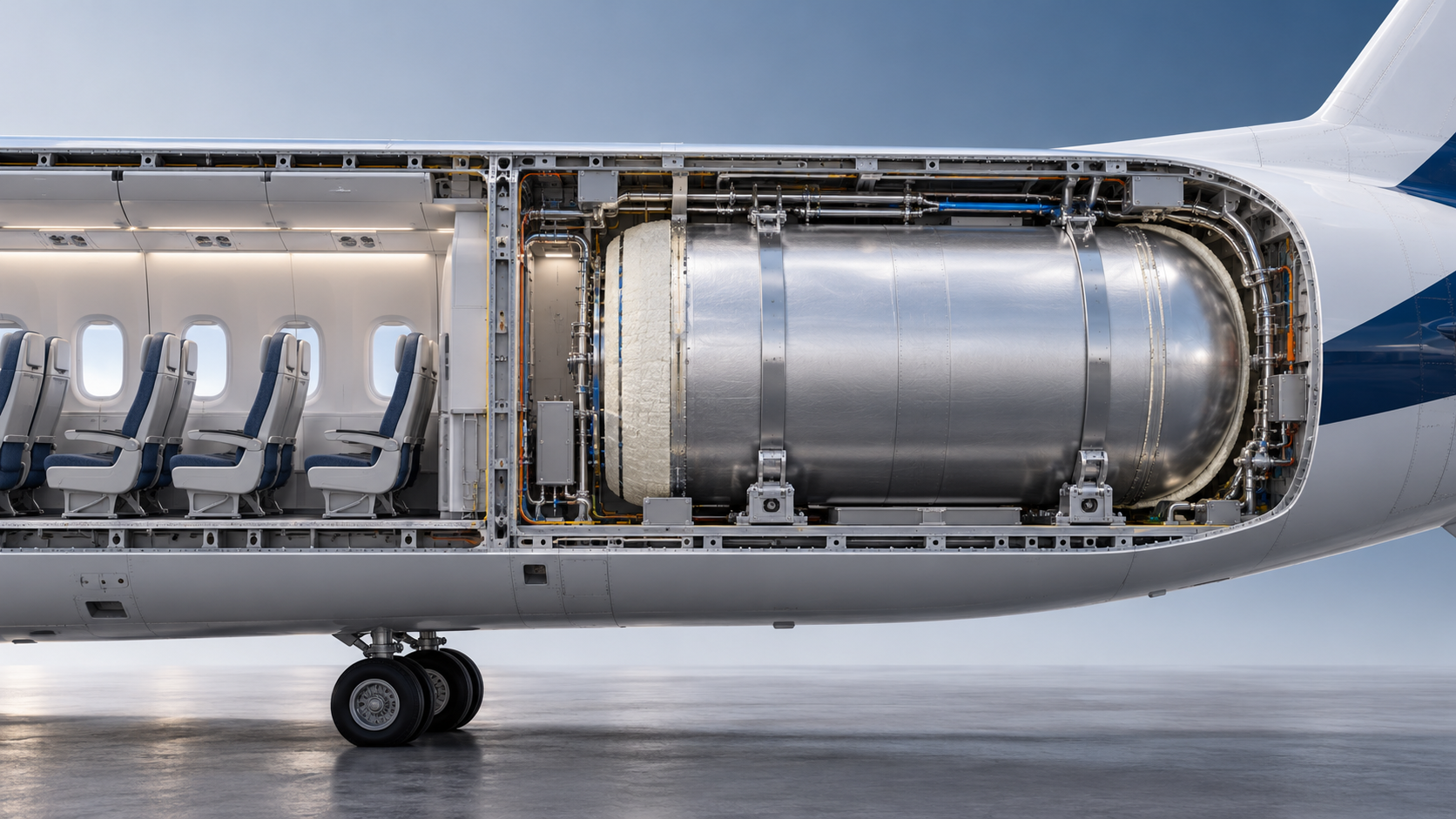
A specification sheet that lists propellant mass alone is incomplete. The evaluator needs tank volume, tank pressure, insulation method, allowable heat leak, fill fraction, residual management approach, pressurization architecture, and the expected hold time between loading and ignition. For missions with a prolonged ground count or orbital coast phase, those items may influence feasibility more than a small difference in nominal engine efficiency.

Density and boil-off should be reviewed together
Density influences vehicle geometry; boil-off influences schedule and mission duration. Hydrogen’s storage challenge is particularly consequential when the system must remain fueled for extended periods. Heat entering the tank produces vapor, pressure rise, and propellant loss unless the architecture accommodates venting, active cooling, recondensation, or another form of thermal management. Each option affects power demand, mass, operational complexity, safety analysis, and launch or departure constraints.
Short-duration ascent stages can sometimes manage this problem through tightly controlled loading and countdown procedures. In-space stages, depot concepts, lunar-transfer vehicles, or systems with uncertain departure timing face a different design condition. They must show how performance is preserved after the nominal timeline changes. A mission that only works when every transfer, launch window, and ignition event occurs on schedule has limited operational resilience.
Throttle range, restart capability, and transient behavior define controllability
Peak thrust is less informative than the usable thrust envelope when the mission includes landing, orbital insertion targeting, propellant settling, collision avoidance, or multiple burns. Deep throttling can support controlled descent and improve trajectory flexibility, but it can also create combustion stability, injector, cooling, turbopump, and control-system challenges. The minimum stable throttle setting should be assessed alongside thrust response time and the duration for which low-throttle operation is permitted.
Restart capability is equally mission-specific. A single-burn booster may need reliable ignition under predictable ground conditions. An upper stage may require one or more restarts after coast periods, potentially in microgravity and after propellant temperatures, pressures, and ullage conditions have changed. In-space transport systems may need starts after much longer dormant periods. Calling an engine “restartable” without defining the allowable coast duration, thermal state, orientation constraints, settling requirements, and restart count leaves too much uncertainty for mission design.
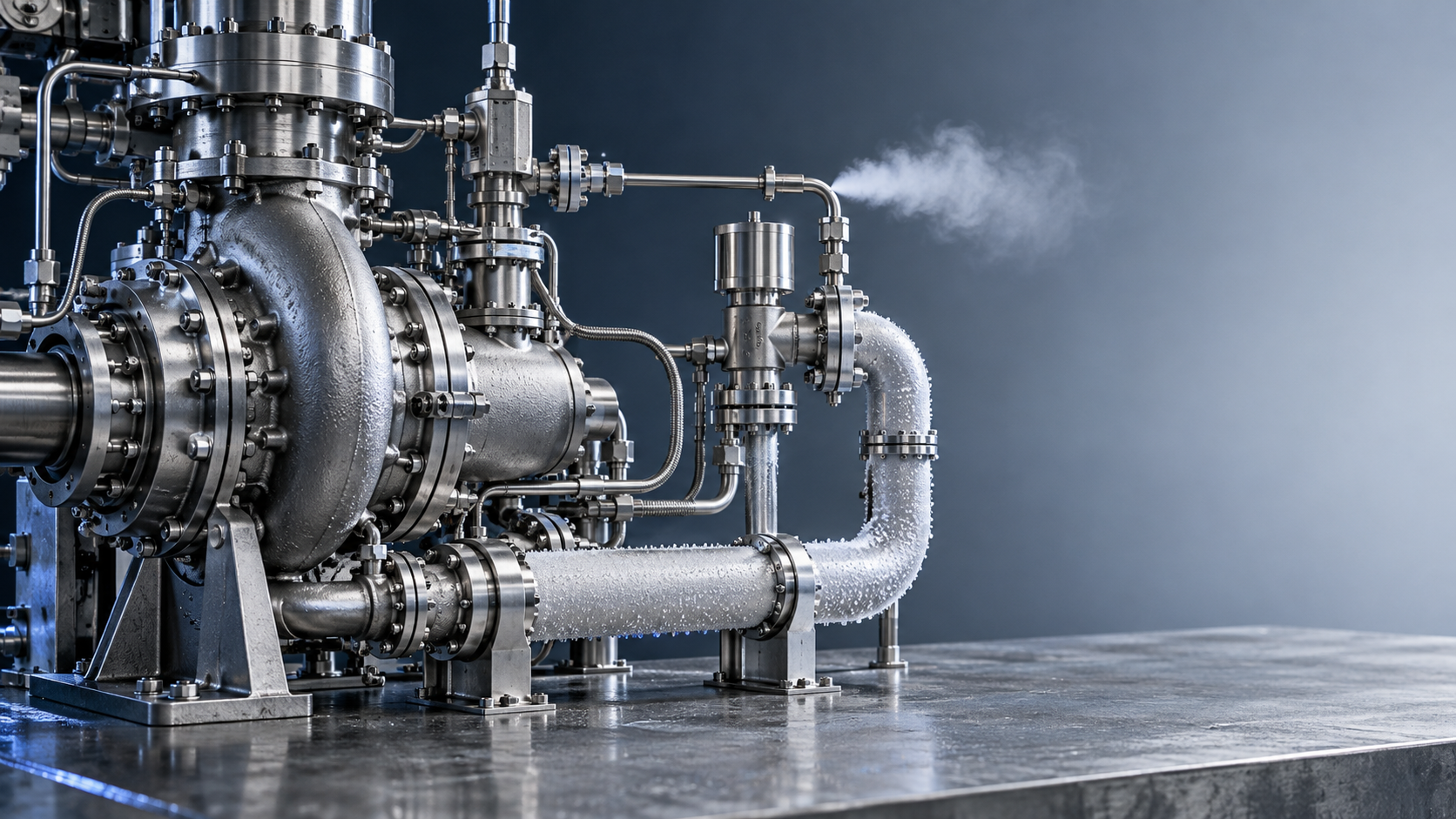
Transient specifications deserve comparable attention. Startup and shutdown affect mixture ratio, chamber pressure, vehicle loads, plume behavior, residual propellant, and guidance margins. Chilldown time and propellant consumed during conditioning are not administrative details: they can determine whether a short-burn maneuver remains practical. For tightly constrained orbital missions, ignition delay and thrust buildup may also matter to targeting accuracy.
Engine cycle selection is a reliability and operability decision
Cycle architecture influences performance, development complexity, inspection requirements, and failure containment. Expander, gas-generator, staged-combustion, and other cycle approaches impose different demands on turbomachinery, preburner operation, thermal management, valves, and controls. No cycle should be selected solely because it represents a favorable theoretical performance point.
For a one-time high-energy mission, the evaluation may emphasize achievable chamber pressure, mass efficiency, and mission-specific performance. A reusable transport system places more weight on life limits, thermal cycling, start-stop fatigue, fault detection, maintainability, and the evidence required to release hardware for another flight. The component that limits turnaround may not be the chamber or nozzle; it may be a valve seal, ignition subsystem, sensor chain, turbine component, or a process needed to inspect hidden thermal damage.
Technical teams should request specifications in a form that exposes their boundary conditions. Rated thrust should identify ambient condition, throttle setting, mixture ratio, and allowable operating duration. Reuse claims should identify whether they refer to engine firings, complete missions, or certified service intervals. A life number without duty cycle, thermal exposure, acceptance criteria, and inspection assumptions is difficult to translate into fleet availability.
Thermal management is part of propulsion performance
Cryogenic engines rely heavily on thermal design. Regenerative cooling can protect the chamber and nozzle while conditioning fuel before combustion, but the cooling path creates pressure-drop, material, contamination, and control considerations. High heat-flux areas, nozzle extension behavior, thermal expansion mismatch, and repeated transitions between ambient and cryogenic temperatures all affect durability.
The evaluation should look beyond steady-state temperature limits. Missions impose thermal transients during loading, engine start, throttling, shutdown, coast, reentry, and refurbishment. A component may survive a single expected operating point yet accumulate damage when exposed to repeated gradients or off-nominal conditions. That concern is amplified in reusable architectures, where the goal is not merely to avoid immediate failure but to retain predictable performance after multiple cycles.
Material compatibility also needs a system-level view. Cryogenic exposure can alter seal behavior, induce contraction stresses, and reveal weaknesses at joints, welds, interfaces, and instrumentation feedthroughs. Oxygen service adds cleanliness and ignition-control requirements. Hydrogen service raises additional concerns around leakage, permeability, and material behavior. These constraints influence manufacturing controls and test procedures as much as they influence the engine drawing.
Mission readiness depends on ground and interface specifications
A propulsion system cannot be assessed independently from the facilities that load, condition, monitor, and secure it. The relevant questions include allowable loading rate, propellant conditioning requirements, connection standards, venting capability, hazardous-area design, purge procedures, leak detection, hold-time limits, and response to a scrubbed launch or delayed departure.
For remote launch sites, mobile platforms, or emerging logistics concepts, the infrastructure burden can be a decisive constraint. A system that requires highly specialized cryogenic handling equipment, narrow loading windows, or frequent venting may be technically viable but operationally unsuitable for the intended deployment model. Conversely, a lower-performing option may improve mission availability if it tolerates longer holds, simpler servicing, or less demanding turnaround procedures.
Interface control documents should therefore be reviewed early, not after the propulsion selection is substantially fixed. Tank pressure limits, feedline conditioning, electrical power needs, command timing, telemetry, and abort logic all cross the boundary between propulsion, vehicle, launch operations, and range safety. Late interface discoveries are expensive because they often force changes to more than one subsystem.
Use qualification evidence to test the specification, not decorate it
Specifications gain value when they are tied to a defined verification method. Technical evaluators should distinguish analytical predictions, development-test results, acceptance-test limits, and demonstrated operational capability. Those categories may all appear in a technical package, but they do not carry the same confidence for mission authorization.
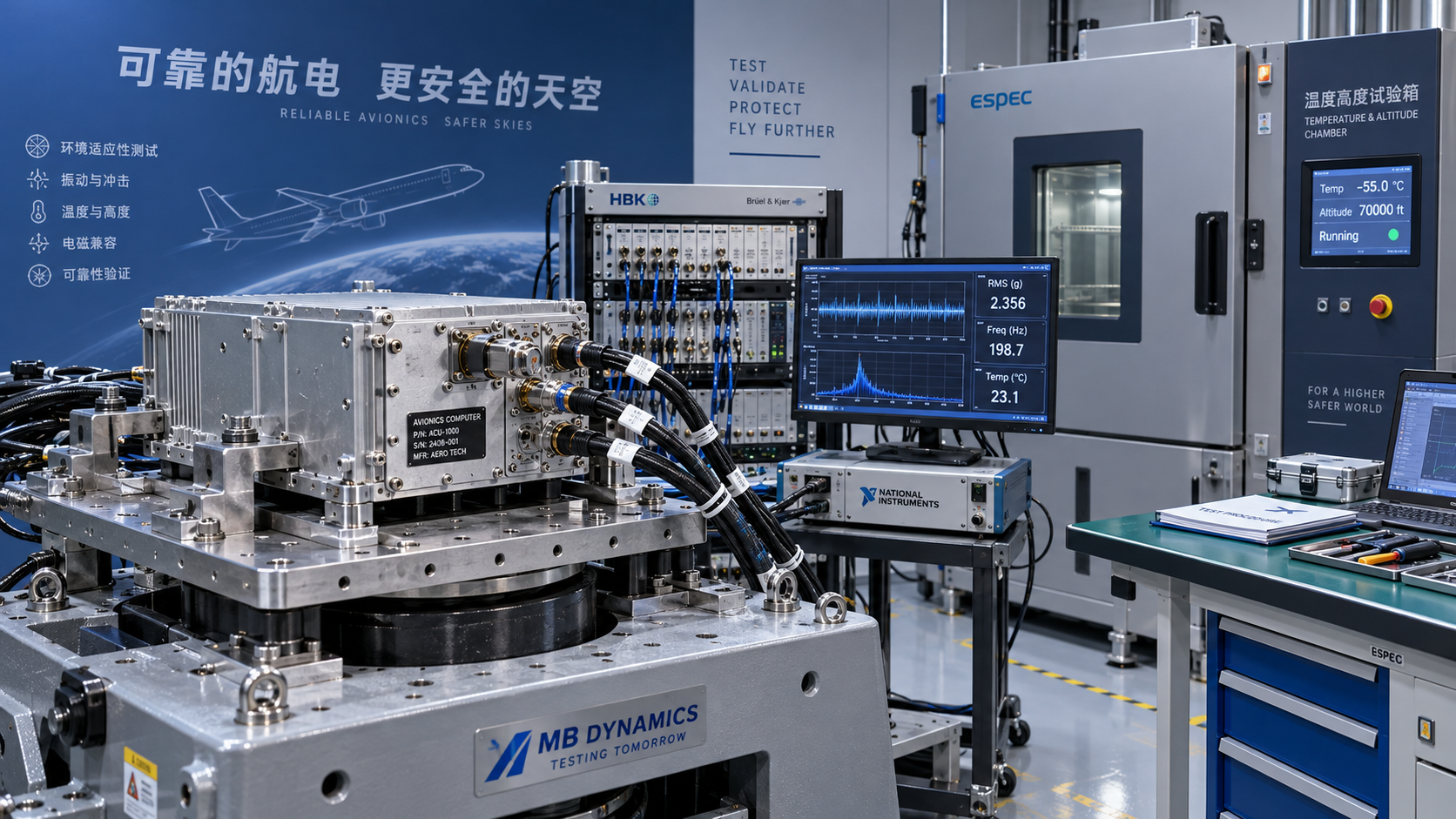
A credible review traces each mission-critical requirement to evidence: hot-fire duration for the intended duty cycle, restart demonstrations under relevant coast conditions, thermal-vacuum exposure where applicable, pressure and leak testing, vibration or acoustic qualification when integrated with the vehicle, and controls validation across expected off-nominal states. The objective is not to demand every possible test at the earliest stage. It is to identify which uncertainties could change the vehicle configuration, mission rules, or safety case if the assumed result proves optimistic.
Certification and safety frameworks should be treated in the same way. The applicable authority, range, launch-site regime, or customer acceptance process may require documented hazard controls, traceability, configuration management, material controls, and test records. A propulsion concept can be advanced in laboratory terms while still carrying a substantial path-to-operation burden. That burden belongs in the mission decision because it affects schedule, design freeze timing, and the evidence needed before routine service is possible.
The most useful propulsion specification set is therefore not the longest one. It is the set that allows an evaluator to link propellant behavior, engine capability, thermal limits, operations, and verification evidence to a specific mission profile. When those links are explicit, trade-offs between efficiency, payload, reuse, responsiveness, and infrastructure become manageable engineering choices rather than late-stage surprises.
Article Categories
SYSTEM_ALERT_URGENT
Q3 SYMPOSIUM ON ORBITAL DYNAMICS
Registration for the Orbital Aerospace technical committee is now open. Node access required.
Recent Articles
![]() Oct 27, 2026FAA Certifies Boeing 737 MAX 10 After Years of DelaysFAA Certifies Boeing 737 MAX 10 After Years of Delays
 Oct 27, 2026Can an intermodal connectivity platform reduce rail handoff delays?Can an intermodal connectivity platform reduce rail handoff delays?
![]() Oct 26, 2026Chery Unveils Global Smart Mobility Strategy Targeting Robotaxis and eVTOLsChery Unveils Global Smart Mobility Strategy Targeting Robotaxis and eVTOLs
 Oct 26, 2026How to evaluate avionics for helicopters used in IFR operationsHow to evaluate avionics for helicopters used in IFR operations
![]() Oct 25, 2026Ukraine’s Defence Minister Says SpaceX Satellite Services Restored After Speed RestrictionsUkraine’s Defence Minister Says SpaceX Satellite Services Restored After Speed Restrictions
 Oct 25, 2026How satellite infrastructure for IoT affects sensor reporting delaysHow satellite infrastructure for IoT affects sensor reporting delays
![]() Oct 24, 2026China Successfully Launches Yaogan 50-03 SatelliteChina Successfully Launches Yaogan 50-03 Satellite
 Oct 24, 2026How gradients affect traction power needs in high-speed rolling stockHow gradients affect traction power needs in high-speed rolling stock
![]() Oct 23, 2026FAA Proposes Checks on Nearly 2,000 Boeing 737NGs Over Loss-of-Control RiskFAA Proposes Checks on Nearly 2,000 Boeing 737NGs Over Loss-of-Control Risk
 Oct 23, 2026How fuel choice affects specific impulse in liquid oxygen propulsionHow fuel choice affects specific impulse in liquid oxygen propulsion
![]() Oct 22, 2026QuantumScape Plans 100 MWh Solid-State Battery Line Targeting Aerospace and Other MarketsQuantumScape Plans 100 MWh Solid-State Battery Line Targeting Aerospace and Other Markets
 Oct 22, 2026How tank size limits hydrogen aircraft range on regional flightsHow tank size limits hydrogen aircraft range on regional flights
![]() Oct 21, 2026FAA Certifies Boeing 737-10, Clearing Regulatory Hurdle for DeliveriesFAA Certifies Boeing 737-10, Clearing Regulatory Hurdle for Deliveries
 Oct 21, 2026How are electric vertical takeoff aircraft certified in the US?How are electric vertical takeoff aircraft certified in the US?
![]() Oct 20, 2026Ohio Department of Transportation Releases Three-Year Advanced Air Mobility Action PlanOhio Department of Transportation Releases Three-Year Advanced Air Mobility Action Plan
 Oct 20, 2026How does magnetic flux density in tesla affect maglev lift force?How does magnetic flux density in tesla affect maglev lift force?
![]() Oct 19, 2026ZeroAvia Completes Key Ground Tests of ZA600 Hydrogen Fuel Cell PowertrainZeroAvia Completes Key Ground Tests of ZA600 Hydrogen Fuel Cell Powertrain
 Oct 19, 2026How spacecraft integration affects advanced propulsion costsHow spacecraft integration affects advanced propulsion costs
 Oct 18, 2026How chilldown prevents cavitation in cryogenic engine systemsHow chilldown prevents cavitation in cryogenic engine systems
 Oct 17, 2026How explainability affects algorithmic trust in AI flight systemsHow explainability affects algorithmic trust in AI flight systems
 Oct 16, 2026How to evaluate transportation technology for Middle East heatHow to evaluate transportation technology for Middle East heat
 Oct 15, 2026How common-cause failures defeat redundancy logic in European avionicsHow common-cause failures defeat redundancy logic in European avionics
 Oct 14, 2026How DO-160 applies to aerospace technology testing for avionicsHow DO-160 applies to aerospace technology testing for avionics
 Oct 13, 2026How fuel price volatility shapes commercial aviation cost trendsHow fuel price volatility shapes commercial aviation cost trends
 Oct 12, 2026How to qualify aerospace manufacturing components for traceabilityHow to qualify aerospace manufacturing components for traceability
 Oct 11, 2026Which certification hurdles are slowing hydrogen aviation in Europe?Which certification hurdles are slowing hydrogen aviation in Europe?
 Oct 10, 2026What evidence should a magnetic gap stability supplier provide?What evidence should a magnetic gap stability supplier provide?
 Oct 09, 2026Which ISO standards matter when qualifying industrial technology suppliers?Which ISO standards matter when qualifying industrial technology suppliers?
 Oct 08, 2026When does reusability actually lower launch vehicle costs?When does reusability actually lower launch vehicle costs?
 Oct 07, 2026Where to find reliable product knowledge resources in the Middle EastWhere to find reliable product knowledge resources in the Middle East
 Oct 06, 2026What drives high-speed rail systems cost per kilometer?What drives high-speed rail systems cost per kilometer?
 Oct 05, 2026When does hydrogen propulsion for UAV extend mission range enough to justify it?When does hydrogen propulsion for UAV extend mission range enough to justify it?
 Oct 04, 2026How rail systems integration reduces commissioning delaysHow rail systems integration reduces commissioning delays
 Oct 03, 2026How to evaluate an advanced propulsion manufacturer for hydrogen systemsHow to evaluate an advanced propulsion manufacturer for hydrogen systems
 Oct 02, 2026How to qualify aircraft components for OEM production approvalHow to qualify aircraft components for OEM production approval